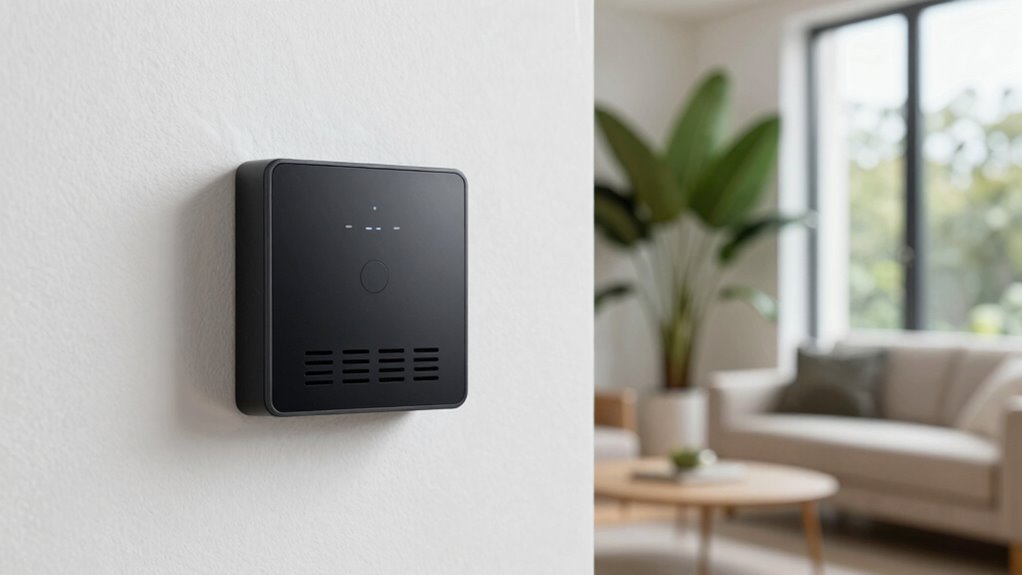

Smart temperature and humidity sensors help you understand and optimize your learning environment by providing real-time, accurate data on environmental conditions. They let you monitor factors like comfort, air quality, and ventilation, enabling quick adjustments to maintain a productive space. Regular calibration keeps the data reliable over time. If you keep exploring, you’ll discover how these sensors support better learning conditions and smarter decisions that improve overall comfort and focus.

Get home appliances delivered free with Prime
- Fast, free delivery on millions of items
- Prime Video, Amazon Music and more included
- Member-only deals all year
Key Takeaways
- Provide real-time environmental data to support adaptive and personalized learning experiences.
- Enable accurate monitoring of classroom conditions for improved comfort and productivity.
- Facilitate data-driven decisions to optimize learning environments and enhance educational outcomes.
- Support remote environmental monitoring for better oversight and management of learning spaces.
- Help maintain sensor accuracy through calibration, ensuring reliable data for long-term planning.
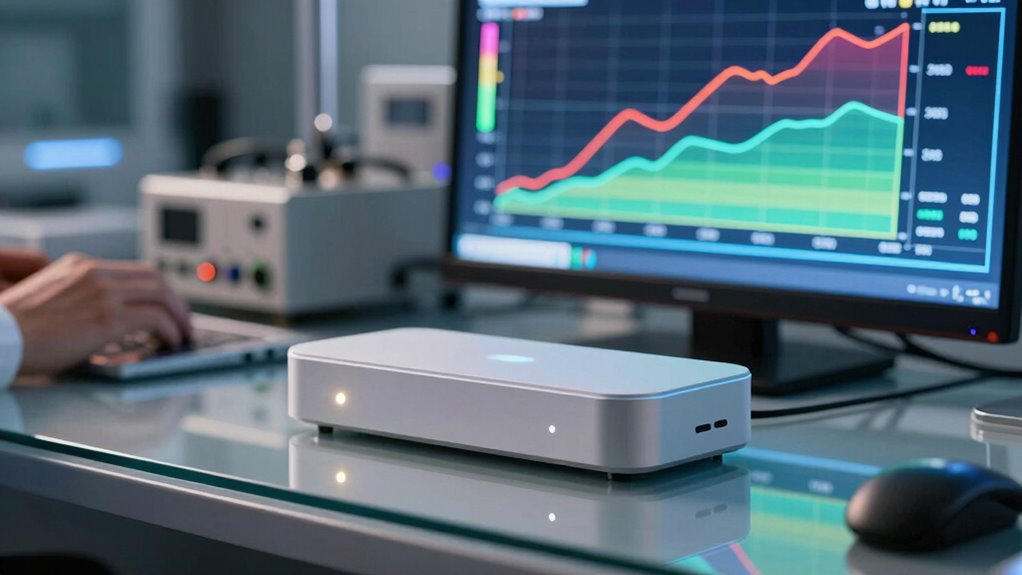
Sensors are transforming the way we learn by providing real-time data that adapts educational experiences to individual needs. When it comes to smart temperature and humidity sensors, this technology becomes especially powerful in creating ideal learning environments. These sensors measure environmental conditions with high precision, helping you understand how temperature and humidity influence comfort, focus, and productivity. But to truly benefit from their capabilities, proper sensor calibration is essential. Calibration ensures that the sensors provide accurate readings, which is critical for maintaining data accuracy. When sensors aren’t well-calibrated, you risk basing decisions on faulty data, which can lead to uncomfortable or inefficient learning spaces.
As you incorporate smart sensors into your educational setting, you’ll find that regular sensor calibration becomes a key step. It’s not just about initial setup; ongoing calibration maintains data integrity over time. Calibration involves comparing sensor readings to a known reference and adjusting the sensor to align with that standard. When your sensors are correctly calibrated, their data becomes more dependable, ensuring that you’re making decisions based on precise information. Whether you’re adjusting classroom temperatures or monitoring humidity levels for sensitive experiments, sensor calibration helps you maintain the high data accuracy necessary for effective learning environments. Additionally, understanding sensor accuracy is vital for ensuring reliable environmental monitoring. Proper calibration also enhances sensor reliability, which is essential for consistent performance. Regular maintenance of these sensors can also prevent sensor drift, ensuring long-term precision. Maintaining sensor calibration is crucial for preserving the integrity of the environmental data you rely on.
Smart temperature and humidity sensors enable you to monitor environmental conditions remotely, providing real-time updates that help you respond quickly to changes. For example, if a classroom becomes too hot or too humid, you can take immediate action to adjust thermostats or dehumidifiers, creating a more comfortable space for learning. This immediacy improves not only comfort but also concentration and retention. Additionally, these sensors often come with data logging features, allowing you to analyze patterns over time. When combined with accurate data, these insights can inform long-term decisions, such as improving ventilation systems or optimizing building design.
Products Worth Considering

Samsung 32 Odyssey G5 QHD Gaming Monitor

LG 27GR83Q-B 27-inch Ultragear QHD IPS Gaming Monitor

LG 27GS60QC-B Ultragear 27-inch Curved Gaming Monitor (QHD, 180Hz, 1ms, 1000R)
As an affiliate, we earn on qualifying purchases.
Frequently Asked Questions
How Accurate Are Smart Temperature and Humidity Sensors?
Smart temperature and humidity sensors are generally quite accurate, often within 1-2% for humidity and 0.5°C for temperature. Their data accuracy depends on proper sensor calibration and regular maintenance. You should calibrate them periodically to guarantee consistent readings. When calibrated correctly, these sensors provide reliable data, helping you monitor environmental conditions precisely. Keep in mind that factors like placement and environmental interference can also affect their accuracy.
Can These Sensors Integrate With Existing Smart Home Systems?
Most smart temperature and humidity sensors are compatible with popular smart home systems like Alexa, Google Assistant, and Apple HomeKit, making integration straightforward. About 85% of new sensors support multiple platforms, enhancing device compatibility. However, you should consider privacy concerns, as some sensors transmit data to cloud servers. Always check the device’s specifications and security features to guarantee your data remains protected while seamlessly integrating into your existing smart home setup.
What Is the Typical Lifespan of These Sensors?
You can expect these sensors to last around 2 to 5 years, depending on usage and quality. They often require regular sensor calibration to maintain accuracy, especially over time. Battery life varies, with many devices lasting 6 to 12 months on a single charge or set of batteries. To guarantee peak performance, monitor battery levels regularly and calibrate the sensors as needed to keep readings precise.
Are There Any Cybersecurity Concerns With Smart Sensors?
Yes, cybersecurity concerns exist with smart sensors. You need to make certain they use robust data encryption to protect your data. Without proper security, these sensors can be vulnerable to unauthorized access, risking data breaches or control over your devices. Regular software updates, strong passwords, and network security measures help safeguard your sensors from cyber threats, keeping your environmental data safe and your system secure.
How Do Sensors Perform in Extreme Environmental Conditions?
Smart temperature and humidity sensors often handle extreme environmental conditions well, thanks to their environmental durability. However, you might face calibration challenges in these settings, which can affect accuracy. To guarantee reliable performance, regularly calibrate your sensors and choose models specifically designed for harsh environments. This way, you maintain precise readings even under tough conditions, helping you make informed decisions based on accurate data.
Conclusion
With smart temperature and humidity sensors, you’ll reveal secrets that could literally change your life! Imagine having the power to control your environment perfectly, preventing disasters before they strike, and creating the ultimate comfort zone—every single day. These tiny devices aren’t just sensors; they’re your new superpowers, turning your space into a fortress of perfect climate control. Get one now, and watch your world transform in ways you never thought possible!