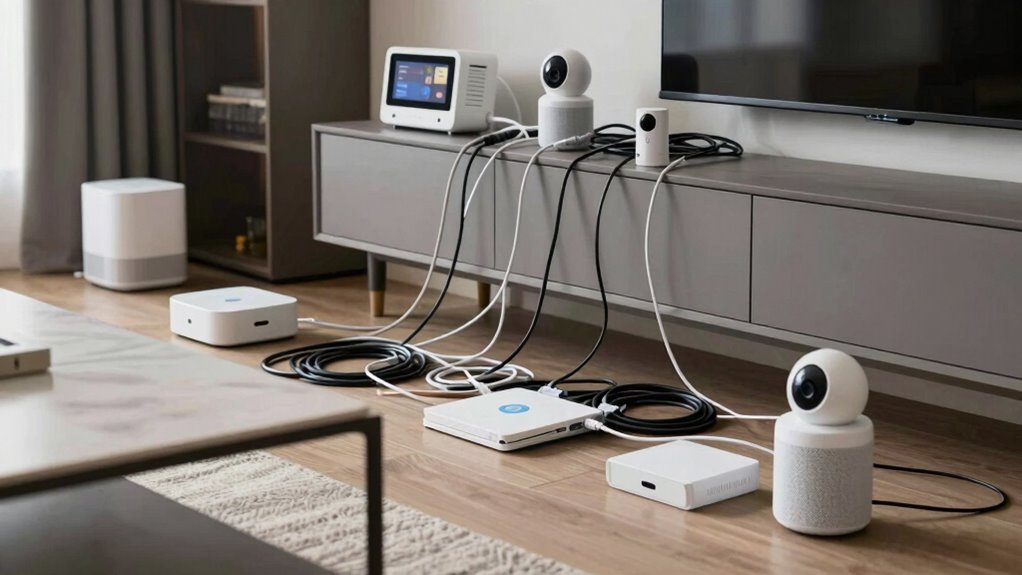

As your smart home grows, you might face setup challenges like device compatibility issues, especially with older or different brand products. Managing multiple apps and ecosystems can become overwhelming, leading to frustration and security risks. Firmware updates and evolving standards add complexity, making ongoing maintenance necessary. These issues can slow down expansion and reduce convenience over time. If you want to discover how to navigate these hurdles smoothly, keep exploring options and solutions.

Get home appliances delivered free with Prime
- Fast, free delivery on millions of items
- Prime Video, Amazon Music and more included
- Member-only deals all year
Key Takeaways
- As smart home ecosystems expand, compatibility issues between new and legacy devices increase, complicating setup processes.
- Evolving standards and firmware updates require ongoing reconfiguration, making maintenance more complex over time.
- Fragmented device control from different brands leads to a disjointed user experience, hindering seamless growth.
- Privacy and security concerns limit device options, creating obstacles for integrating new technologies safely.
- Managing multiple ecosystems and troubleshooting compatibility conflicts can overwhelm users, impeding long-term growth.
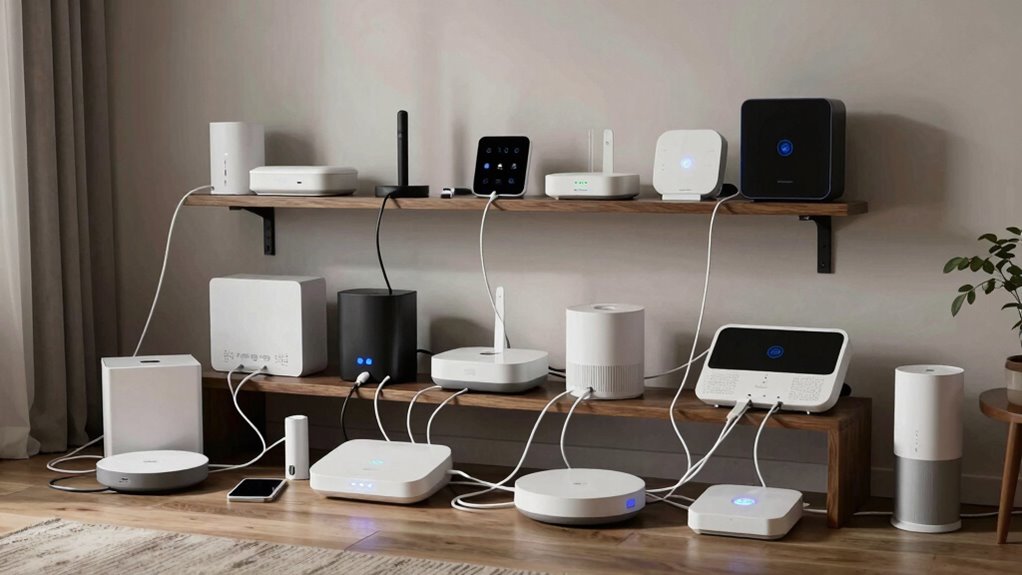
While smart home technology continues to expand rapidly, several challenges hinder its widespread adoption and growth. As you add more devices to your home, you might notice that not all of them work seamlessly together. Device interoperability becomes a significant hurdle, especially when different brands and platforms don’t communicate well. You could find yourself stuck with multiple apps or systems that require separate controls, making your smart home feel disjointed rather than integrated. This fragmentation can frustrate your efforts to create a cohesive, user-friendly environment. The lack of standardization means you might need to compromise on certain features or spend extra time troubleshooting connectivity issues, which defeats the convenience many smart home enthusiasts seek. Additionally, the lack of universal standards complicates the process of expanding and maintaining your smart home system. You might also encounter legacy device compatibility issues as technology advances, further complicating your setup. Ensuring that all devices adhere to interoperability standards is essential for a smoother experience, but currently, such standards are still evolving.
Alongside interoperability issues, privacy concerns also pose a major barrier. As you connect more devices to your network, you share more personal data—everything from your daily routines to sensitive information about your home. This data collection raises questions about who has access to your information and how securely it’s stored. You might worry about unauthorized access or data breaches, especially when some devices lack robust security measures. These concerns often lead you to hesitate before expanding your smart home ecosystem, fearing that your privacy could be compromised. Manufacturers sometimes prioritize features over security, leaving gaps that cybercriminals can exploit, which adds to your apprehension.
Over time, as your smart home grows, setup challenges become more evident. You might find yourself spending hours figuring out compatibility issues between devices or updating firmware to keep everything running smoothly. The complexity of managing multiple ecosystems can overwhelm you, especially if you’re not tech-savvy. Additionally, as new devices and updates are introduced, maintaining a consistent and secure setup becomes an ongoing task. The initial excitement of a smart, connected home can give way to frustration when devices refuse to integrate or when you’re constantly concerned about your data privacy. You may even feel compelled to limit your device choices or stick with familiar brands, which can restrict your options and slow down your home’s technological evolution.
Ultimately, while smart home technology offers incredible convenience, the challenges of device interoperability and privacy concerns create hurdles that can hinder your experience. The growth of your smart home ecosystem requires patience, ongoing management, and vigilance to ensure everything functions smoothly and securely over time.
smart home device compatibility hub
As an affiliate, we earn on qualifying purchases.
As an affiliate, we earn on qualifying purchases.
Frequently Asked Questions
How Do Smart Home Devices Impact Overall Home Security?
Smart home devices can enhance your security by allowing remote monitoring and automation, but they also introduce potential security vulnerabilities. If your devices lack proper security measures, hackers might exploit weaknesses. Device interoperability issues can create gaps, making it harder to maintain a cohesive security system. To protect your home, guarantee devices are updated regularly, use strong passwords, and choose compatible devices that prioritize security.
What Are the Cost Implications of Expanding a Smart Home System?
Expanding your smart home system can increase costs due to device compatibility issues and the need for additional equipment. You’ll want to take into account budget planning carefully, as upgrading or adding new devices might require extra investments in hubs or controllers. These expenses can add up over time, making it essential to choose compatible devices from the start and plan your budget to avoid unexpected costs as your smart home grows.
How Can Users Manage Multiple Smart Device Brands Effectively?
You can manage multiple smart device brands effectively by focusing on device compatibility and app integration. First, choose devices that support common standards like Zigbee or Z-Wave, ensuring they’re compatible with your hub. Use a universal app or smart home platform that consolidates control for various brands. Regularly update firmware and apps to maintain seamless integration, and consider creating routines or scenes for easier management across your diverse device ecosystem.
What Are the Privacy Concerns With Growing Smart Home Networks?
You should be aware that growing smart home networks can raise privacy concerns, especially related to data breaches and unauthorized access. As you add more devices, your personal information becomes more vulnerable if security measures aren’t strong enough. To protect yourself, regularly update device firmware, use strong passwords, and enable two-factor authentication. Staying vigilant helps prevent malicious attacks and keeps your smart home private and secure.
How Does Smart Home Growth Affect Energy Consumption?
As your smart home expands, it’s like adding new stars to a night sky, each device demanding energy like a tiny glowing moon. While device integration aims to boost energy efficiency, the growing network can inadvertently consume more power if not managed carefully. You might find yourself balancing the glow, ensuring each device works harmoniously without turning your home into an energy-hungry constellation.
universal smart home remote control
As an affiliate, we earn on qualifying purchases.
As an affiliate, we earn on qualifying purchases.
Conclusion
As your smart home grows, it’s like tending a garden—what starts as a few seeds can quickly turn into a tangled jungle. Staying organized and planning ahead keeps your ecosystem thriving, rather than chaotic. Embrace the challenge as part of the journey, and remember that with patience and a bit of strategy, your smart home can blossom into a seamlessly connected sanctuary. Keep nurturing it, and enjoy the beautiful harmony that unfolds over time.
smart home security and privacy devices
As an affiliate, we earn on qualifying purchases.
As an affiliate, we earn on qualifying purchases.
smart home firmware update tools
As an affiliate, we earn on qualifying purchases.
As an affiliate, we earn on qualifying purchases.
NFL season / tailgating Picks
team gear
As an affiliate, we earn on qualifying purchases.