Smart appliances can save you money by optimizing energy and water use. They adjust settings based on your schedule, detect waste, and operate more efficiently than traditional devices. Features like smart irrigation prevent overwatering, while smart refrigerators monitor food freshness to reduce spoilage. These innovations help lower utility bills over time. If you want to explore how these technologies can make your household more efficient, there’s more to discover on how they work and their benefits.
Key Takeaways
- Smart appliances optimize energy use by adjusting operation based on load, schedule, and real-time data, reducing utility bills.
- They prevent wasteful overuse through sensors that detect soil levels, load size, and spoilage, saving water and energy.
- Automated features like smart irrigation and leak detection minimize resource waste and costly repairs, lowering household expenses.
- Monitoring tools in smart refrigerators help reduce food spoilage and unnecessary grocery purchases, saving money.
- Integration with smart home systems enables centralized control, enhancing overall efficiency and leading to greater utility cost savings.
Smart appliances are changing the way you save money on everyday household tasks. With their advanced technology, they can optimize your energy and water usage, helping you cut costs without sacrificing comfort. When you have smart thermostats, for example, you can program them to adjust the temperature based on your schedule, ensuring you’re not heating or cooling an empty house. This means lower utility bills because you’re only using energy when you truly need it. Over time, these savings can add up considerably, especially during extreme weather months when energy use tends to spike.
Similarly, smart washing machines and dishwashers are designed to operate more efficiently. They often have sensors that detect load size and soil level, so they only use the necessary amount of water and energy. This prevents wasteful overuse, which is common with traditional appliances. Some models even allow you to start cycles remotely via your phone, giving you control over when your appliances run. By scheduling laundry or dishwashing during off-peak hours, you can take advantage of lower energy rates. This convenience not only saves you money but also helps reduce strain on the power grid.
When it comes to water savings, smart appliances can make a real difference. Smart irrigation systems, for instance, adjust watering schedules based on real-time weather data, preventing overwatering during rain or drought conditions. This targeted approach conserves water and lowers your water bill. Additionally, smart leak detectors can alert you immediately if there’s a leak or plumbing issue, enabling quick repairs that prevent costly water damage and wastage. These systems give you peace of mind and keep your water usage in check. Incorporating smart home technology can further enhance your ability to monitor and control resource consumption efficiently.
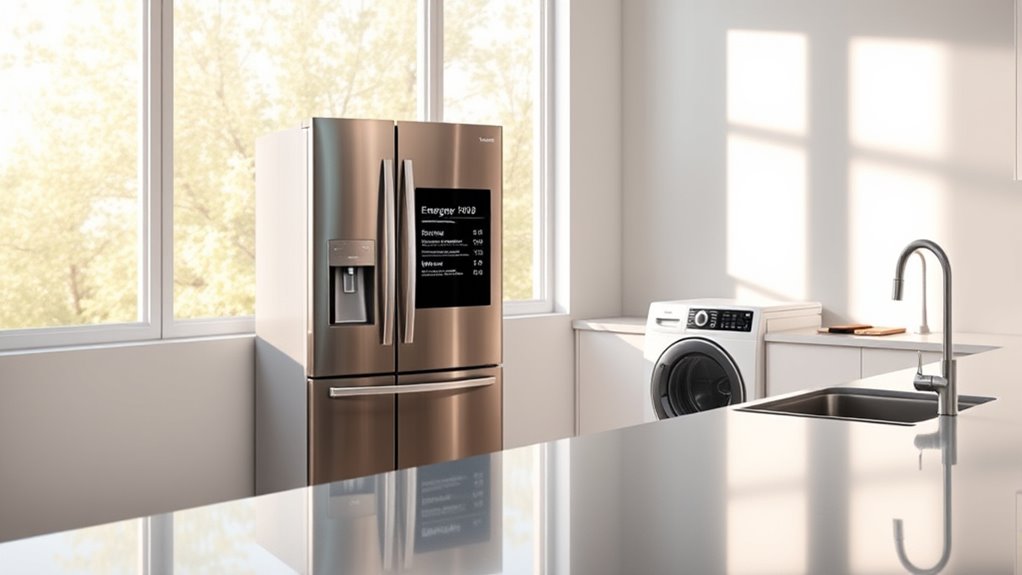
Smart refrigerators are another excellent example. They monitor door openings, temperature, and humidity, adjusting settings to keep food fresh longer and reduce spoilage. Less waste means fewer trips to buy more groceries, saving you money over time. Some models even have features that help you plan meals and track expiration dates, further reducing unnecessary purchases.

Amazon Smart Thermostat – Save money and energy – Works with Alexa and Ring – C-wire required
Smart upgrade – Amazon Smart Thermostat is an easy way to switch from a traditional thermostat and help…
As an affiliate, we earn on qualifying purchases.
As an affiliate, we earn on qualifying purchases.
Frequently Asked Questions
How Do Smart Appliances Impact Home Insurance Premiums?
Smart appliances can lower your home insurance premiums by reducing risks like water damage or electrical fires. When you install smart systems, you often get alerts for leaks or malfunctions, helping you address issues early. Insurance companies view these proactive measures favorably, which can lead to discounts. Keep in mind, however, that eligibility varies by insurer, so check with your provider to see if smart appliances qualify for premium reductions.
Are There Any Hidden Costs With Smart Appliance Installation?
Yes, there can be hidden costs when installing smart appliances. You might need to upgrade your Wi-Fi network or buy additional smart hubs for compatibility. Installation fees from professionals can add up, especially if wiring or setup is complex. Also, some appliances require ongoing subscriptions for extra features or cloud services. Be sure to factor in these potential expenses to understand the true cost of going smart.
Can Smart Appliances Be Integrated With Existing Home Systems?
Integrating smart appliances with your existing home systems is like fitting a puzzle piece into place—you can do it smoothly. Most smart devices are designed to be compatible with popular platforms like Alexa, Google Home, or Apple HomeKit, making setup straightforward. You might need a hub or a Wi-Fi connection, but once connected, you’ll enjoy seamless control and automation, transforming your home into a tech-savvy haven.
What Are the Long-Term Maintenance Costs for Smart Appliances?
Long-term maintenance costs for smart appliances are generally comparable to traditional appliances, but they might be higher due to their advanced features and software updates. You’ll need to budget for occasional repairs, firmware updates, and possible replacement parts. However, regular maintenance like cleaning filters and checking connections can keep costs down. Overall, staying proactive with upkeep helps you avoid unexpected expenses and keeps your smart appliances running efficiently.
Do Smart Appliances Increase Cybersecurity Risks at Home?
Yes, smart appliances can increase cybersecurity risks at home. You might expose your network to hacking if you don’t secure your devices properly. To protect yourself, you should update firmware regularly, use strong passwords, and enable two-factor authentication where possible. Keeping your Wi-Fi secure and segmenting your smart devices from your main network also helps minimize risks, ensuring your smart appliances don’t become entry points for cyber threats.
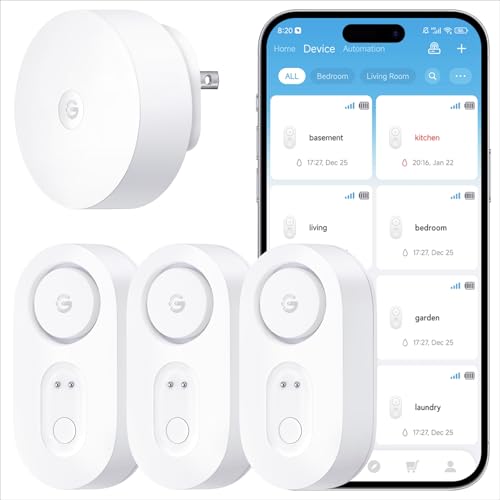
GoveeLife Upgraded Smart Water Leak Detector 1s with 1804 ft Ultra-Long Range, WiFi Water Sensor with SMS/Email/APP Push and Sound Alarm, 5-Year Battery Life, Suit for Home, Basement, Kitchen, 3 Pack
Breakthrough 1804 ft Connectivity: Engineered with advanced Sub-1G long-range wireless tech, our leak detector maintains robust signals over…
As an affiliate, we earn on qualifying purchases.
As an affiliate, we earn on qualifying purchases.
Conclusion
Imagine a future where your appliances work smarter, not harder—saving you money while protecting your resources. With smart appliances, you’re not just keeping up with technology; you’re taking control of your energy and water use. Isn’t it time to embrace these innovative tools and turn everyday chores into opportunities for savings? Just as a single drop can carve stone, small changes today can carve a more sustainable, cost-efficient tomorrow.

Aiper IrriSense 2 Smart Irrigation System, 4-in-1 Multi-Zone Watering Device with App Control, Smart Scheduling, and Rain Sensor for Lawns up to 4,800 sq.ft.
4-in-1 Smart Irrigation System & 15-Minute Setup: IrriSense 2 lawn sprinkler combines a controller, sprinkler, electric valve, and…
As an affiliate, we earn on qualifying purchases.
As an affiliate, we earn on qualifying purchases.

Sweetcrispy 3.2 Cu.Ft Mini Fridge with Freezer Small Refrigerator Single Door Adjustable Thermostat Energy-efficient Low Noise, Compact Fridge for Bedroom, Office, Dorm (Silver Door)
Compact and Convenient: With a compact design(17.5’’*17.7’’*31.5’’(W*D*H)), the single-door mini fridge has more capacity than a double-door small…
As an affiliate, we earn on qualifying purchases.
As an affiliate, we earn on qualifying purchases.