Choosing between a smart light switch and a smart bulb depends on how you want to control your lighting and your existing fixtures. If you prefer centralized control and easy integration, a smart switch is a great choice, especially for multiple fixtures. If you want personalized lighting effects or control over individual bulbs, smart bulbs are better. Understanding your needs will help you decide; keep going for more tips to find the perfect fit.
Key Takeaways
- Choose smart switches for centralized control of multiple fixtures and seamless integration into existing wiring.
- Opt for smart bulbs if you want customizable colors, brightness, or fixture-specific control.
- Smart switches are ideal for maintaining the current switch appearance and automation routines.
- Smart bulbs are easier to install and suitable for unique fixtures or when switch replacement isn’t practical.
- Consider your budget and desired control level to determine whether a switch, bulbs, or both are best.
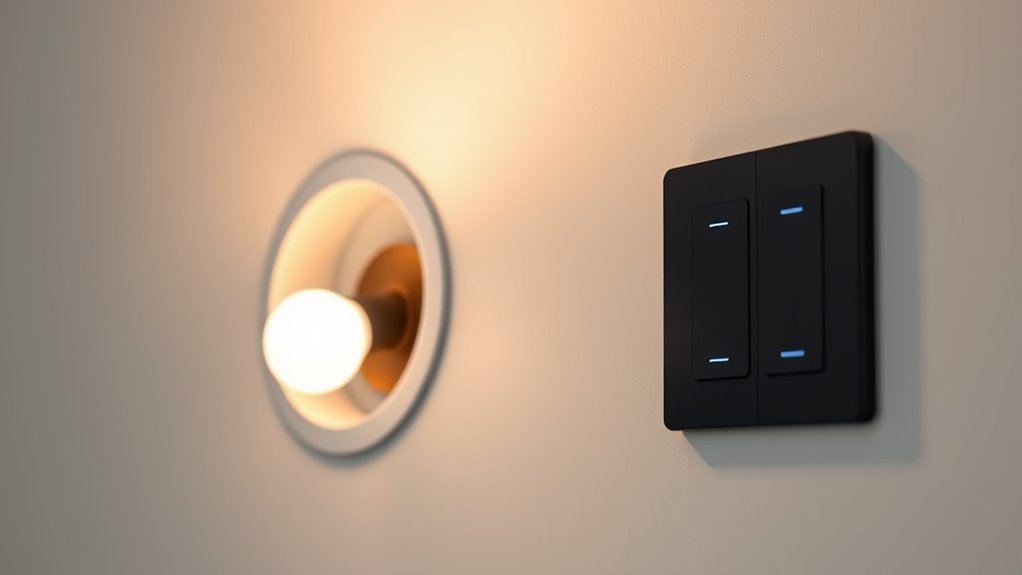
When it comes to upgrading your home’s lighting, choosing between a smart light switch and a smart bulb can substantially impact your convenience and control. Both options offer smart features, but they serve different needs and come with distinct advantages. Understanding these differences can help you decide which fits your lifestyle best.
Choosing between smart switches and smart bulbs affects convenience, control, and customization in your home lighting setup.
A smart light switch replaces your traditional wall switch, giving you control over the entire fixture, regardless of the bulb installed. This means you can turn on or off multiple bulbs at once, dim lights if the fixture supports it, and even set schedules or automate lighting routines. If you have existing fixtures with multiple bulbs or prefer a more integrated control system, a smart switch makes more sense. Plus, it maintains the look and feel of your current switches, so there’s no need to replace individual bulbs. It’s also a good choice if you want to control lighting from a central location or integrate it with a smart home hub, voice assistants, or automation routines.
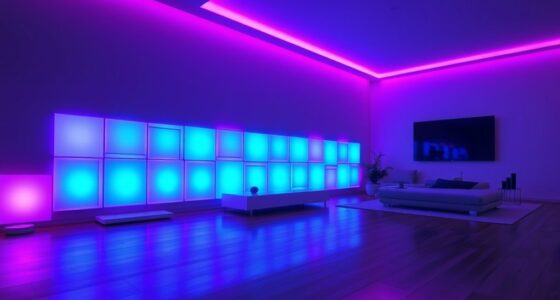
On the other hand, smart bulbs screw into your existing sockets and are designed to be the primary source of light. They are easy to install—just replace your current bulbs—and offer flexibility because you can control each bulb individually. With smart bulbs, you can change colors, adjust brightness levels, and sometimes even set custom lighting scenes. If you have fixtures with unique shapes or if you want to experiment with different colors and moods, smart bulbs give you more customization. They also work well in lamps or fixtures where replacing a switch isn’t feasible or desirable. However, keep in mind that controlling multiple bulbs individually can become cumbersome if you have many fixtures, and the cost can add up since each bulb is a separate device.
Ultimately, your choice depends on your priorities. If you want a straightforward way to control multiple fixtures and prefer using a single switch, a smart switch is the better option. It simplifies control, maintains your existing switches, and integrates well into automation routines. If you’re more interested in personalized lighting effects or want the ability to control individual fixtures separately, smart bulbs are more suitable. They offer more flexibility in terms of color options and brightness levels for each fixture. Both options can work together—using a smart switch for general control and smart bulbs for mood lighting—if you want to create a thorough smart lighting setup. Deciding which to choose hinges on your household needs, budget, and how much control you want over your lighting environment.
Additionally, understanding the color accuracy of your lighting options can enhance your living space by creating more realistic and comfortable environments.

Kasa Smart Light Switch HS200P3, Single Pole, Needs Neutral Wire, 2.4GHz Wi-Fi Light Switch Compatible with Alexa and Google Home, UL Certified, No Hub Required, 3 Count -Pack of 1 , White
App-Guided Install: The Kasa or Tapo app guides you through step-by-step setup. Requires neutral wiring and 2.4 GHz…
As an affiliate, we earn on qualifying purchases.
As an affiliate, we earn on qualifying purchases.
Frequently Asked Questions
Can Smart Switches Work With Existing Traditional Dimmers?
Yes, smart switches can work with existing traditional dimmers, but it depends on the type of switch and dimmer. You’ll need to guarantee your smart switch is compatible with your dimmer system, especially if you want dimming features. Some smart switches require bypassing or replacing the existing dimmer. Always check the manufacturer’s guidelines and compatibility charts before installation to avoid issues like flickering or limited dimming functionality.
Do Smart Bulbs Require a Hub or Bridge to Function?
Yes, smart bulbs typically don’t need a hub or bridge to work, but some advanced models might. Most smart bulbs connect directly to your Wi-Fi or Zigbee/Z-Wave networks, making setup straightforward and hassle-free. However, if you opt for a more complex system, a hub can expand compatibility and control options. So, it’s essential to check each bulb’s requirements before purchasing—your perfect lighting setup depends on it.
How Do Smart Switches Impact Electricity Consumption?
Smart switches can reduce your electricity consumption by enabling you to schedule and automate your lighting, so you don’t leave lights on unnecessarily. They often use less power themselves, especially when in standby mode. However, the overall savings depend on your usage habits. By controlling your lights more efficiently and turning them off when not needed, you can lower your energy bills and reduce waste.
Can Smart Bulbs Be Used Outdoors?
Yes, you can use smart bulbs outdoors, but you need to choose ones specifically rated for outdoor use. Look for bulbs with weatherproof or waterproof features, such as an IP65 or higher rating, to guarantee they withstand rain, dust, and other elements. Installing outdoor smart bulbs can enhance your garden or patio lighting, offering convenience and energy savings. Just make sure to follow the manufacturer’s instructions for safe, ideal performance.
Are Smart Switches Compatible With All Types of Bulbs?
Are smart switches compatible with all types of bulbs? Not quite. Most smart switches work best with standard incandescent, LED, or CFL bulbs, but some may have issues with certain dimmable or smart bulbs. Before buying, you should check the switch’s compatibility list or consult the manufacturer. This way, you guarantee your smart switch handles your preferred bulbs smoothly, avoiding flickering or functionality problems down the line.

Govee Smart Light Bulbs, Color Changing Light Bulb, Work with Alexa and Google Assistant, 16 Million Colors RGBWW, WiFi & Bluetooth LED Light Bulbs, Music Sync, A19, 800 Lumens, 4 Pack
16 Million DIY Colors: Govee smart light bulbs own millions of color and 54 preset scene modes, you…
As an affiliate, we earn on qualifying purchases.
As an affiliate, we earn on qualifying purchases.
Conclusion
So, when choosing between a smart light switch and a smart bulb, consider your needs. Did you know that over 70% of smart home enthusiasts prefer switches for their convenience and control? Switches are great if you want to automate entire rooms, while bulbs offer flexibility for individual lighting preferences. Ultimately, your choice depends on whether you prioritize ease of use or customization. Either way, upgrading your lighting can make your home smarter and more energy-efficient.

Kasa Smart Light Switch HS200, Single Pole, Needs Neutral Wire, 2.4GHz Wi-Fi Light Switch Works with Google Home, UL Certified, No Hub Required, White
App-Guided Install: The Kasa or Tapo app guides you through step-by-step setup. Requires neutral wiring and 2.4 GHz…
As an affiliate, we earn on qualifying purchases.
As an affiliate, we earn on qualifying purchases.

Linkind Smart Light Bulbs, Smart Bulb That Work with Alexa & Google Home, LED Light Bulbs Color Changing, 104 Preset Scene, Music Sync, A19 E26 2.4GHz RGBTW WiFi Bluetooth Light Bulb 60W, 800LM, 4Pack
【Alexa & Google Home Voice Control: Hands-Free Convenience】As smart bulbs that work with Alexa & Google Home, it…
As an affiliate, we earn on qualifying purchases.
As an affiliate, we earn on qualifying purchases.