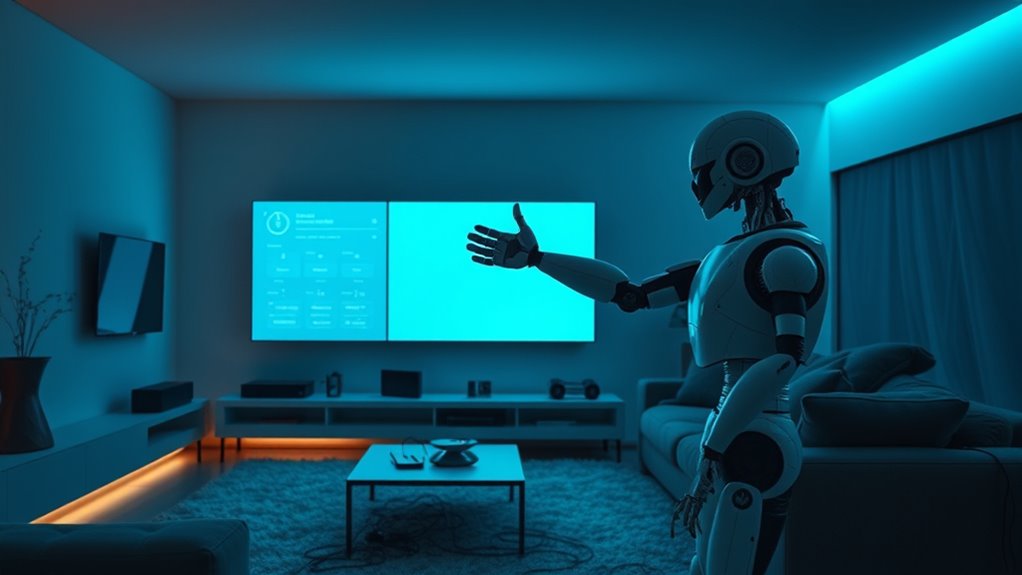

A smart home can become too smart when automation creates complexity, privacy risks, and system failures that frustrate you. Over-automation may overwhelm you with alerts, cause malfunctions, or compromise security and privacy. When systems rely heavily on automation, you might lose manual control and personal touch. If you’re curious about avoiding these pitfalls and maintaining a balanced smart home, there’s more to explore to find the right level of automation for you.
Key Takeaways
- Excessive automation can lead to user overload, confusion, and difficulty managing multiple devices and routines.
- Over-automation may cause loss of manual control, making troubleshooting and system fixes more complex.
- Increased data collection and interconnected devices heighten privacy risks and vulnerability to hacking.
- Automation failures, glitches, or outdated systems can disrupt routines, leading to frustration and safety concerns.
- Overdependence on smart systems can diminish human interaction and emotional connection within the home.

EIGHTREE Smart Plug, WiFi Outlet Works with Alexa & Google Home, Smart Home Socket with Remote Control & Timer Function, 2.4GHz WiFi Only, 4 Packs
Warm Tips: To use Alexa and Google Home for voice control, please connect the plug with the “Smart…
As an affiliate, we earn on qualifying purchases.
As an affiliate, we earn on qualifying purchases.
The Risks of Over-Complexity in Home Systems
When home systems become overly complex, they can quickly turn into a nightmare rather than a convenience. System complexity increases as you add more devices and automation routines, making the entire setup difficult to manage. This often results in user overload, where you struggle to understand or control the system effectively. Instead of simplifying your life, the complexity can cause confusion and frustration. You might find yourself spending more time troubleshooting than enjoying the benefits. Overly complicated systems can also lead to inconsistent performance, as small errors cascade into larger problems. The key is to strike a balance—keeping your home automation simple enough to be manageable, so it enhances your life rather than complicates it. Incorporating proper setup and maintenance can help prevent these issues and keep your system running smoothly. Additionally, understanding the limits of automation can help prevent over-automation from turning into a security or reliability risk. Recognizing system integration challenges can also aid in designing a more cohesive and reliable smart home environment. Being aware of these system limitations allows you to better tailor your setup to your needs, avoiding unnecessary complexity. Moreover, considering the user experience during the planning process can ensure the system remains accessible and effective for all users.

(8" x 12") Window Privacy Film | PDLC Switchable, Window Film | Smart Film for Windows and Home Office Window | Adhesive Privacy Film | Heat Insulation UV Blocking – Clear to Opaque
ON-DEMAND PRIVACY: Instantly upend new or existing smooth glass surfaces with smart film. It allows switching between transparent…
As an affiliate, we earn on qualifying purchases.
As an affiliate, we earn on qualifying purchases.
Privacy Concerns in an Over-Connected Environment
When your devices constantly gather data, your privacy is at risk, and sensitive information could fall into the wrong hands. Unauthorized access becomes easier as more systems are connected, increasing the chance of breaches. Surveillance concerns grow when your every move and conversation are potentially monitored and stored without your knowledge. Implementing privacy policies helps clarify how data is collected and used, empowering users to make informed decisions. Additionally, understanding the importance of color accuracy in related technology emphasizes the need for transparency in how visual data is managed within smart systems. Using vetted wave and wind data can improve the reliability of environmental monitoring in smart homes, ensuring better safety and efficiency.
Data Collection Risks
As devices and systems become more interconnected, the amount of personal data collected skyrockets, raising serious privacy concerns. Every interaction, from your voice commands to your daily routines, feeds into a growing data pool. Without clear boundaries, this data can be used in ways you didn’t intend, compromising your data privacy. Many smart home providers don’t always prioritize transparent data collection practices, leaving you unsure about how your information is stored or shared. It’s vital to pay attention to user consent, ensuring you have control over what data is collected and how it’s used. Over-collection of personal information creates vulnerabilities, increasing the risk of misuse or breaches. Protecting your privacy means demanding clarity and control over your shared data in this over-connected world. Additionally, understanding how Floating on Water relates to the comfort and safety of connected systems can help you make more informed choices about your smart home setup. Recognizing natural landscaping as part of your backyard environment can also contribute to more sustainable and safe living spaces, reducing reliance on invasive or chemical-based solutions.
Unauthorized Access Potential
Have you ever considered how easily unauthorized individuals can access your connected devices? With over-automation, hacking vulnerabilities increase, making unauthorized access a real threat. If your smart home system isn’t properly secured, cybercriminals can exploit weak points, gaining control over cameras, locks, or security systems. Once inside, they can monitor your activities or even disable alarms, compromising your privacy and safety. Many devices lack robust security measures, leaving gaps that hackers can target. It’s essential to update firmware regularly, use strong passwords, and enable two-factor authentication to minimize risks. Remember, the more connected your home is, the more attractive it becomes to those seeking unauthorized access. Vigilance is vital to protect your privacy in an over-connected environment. Internet of Things vulnerabilities can further amplify these risks if not properly managed. Additionally, implementing secure networking practices can help safeguard your devices from potential threats. Understanding smart home security best practices can provide further protection against such cyber threats.
Surveillance Concerns
The widespread use of connected devices has considerably increased the risk of invasive surveillance, often without your awareness. Smart home systems continually collect data on your habits, conversations, and routines, which can be exploited through privacy breaches. If this sensitive information falls into the wrong hands, it can lead to serious privacy violations and data misuse. You might not realize how much personal detail your devices are sharing or who has access to it. Without strict security measures, malicious actors or even companies could misuse your data for targeted advertising, profiling, or other intrusive practices. This constant data collection can erode your privacy and leave you vulnerable to misuse, raising important concerns about how much control you truly have over your personal information in an over-connected environment.

KAIWEETS Electrical Test Kit KIT01, Digital Multimeter, Smart Non-Contact Voltage Tester & GFCI Outlet Tester with LCD, Complete Set with Carrying Case & Batteries for Electrician, DIY & HVAC
1 Kit, 3 Essential Tools – Unzip it to reveal your complete diagnostic setup: a digital multimeter, non-contact…
As an affiliate, we earn on qualifying purchases.
As an affiliate, we earn on qualifying purchases.
How Automation Can Fail and Cause Frustration
Automation can sometimes glitch unexpectedly, leaving you confused or frustrated when things don’t work as planned. Relying too much on technology can also make you vulnerable when systems fail or malfunction. These failures highlight the risks of overdependence and can disrupt your daily routines. Incorporating backup plans or manual options can help maintain control during technical issues like manual controls or alternative setups. Understanding smart device interactions and how systems interact can help diagnose problems more effectively and prevent minor glitches from escalating. Familiarity with navigation and mapping explainers can further aid in troubleshooting and ensuring your devices operate smoothly. Additionally, being aware of system connectivity issues can help you identify root causes more quickly and prevent future disruptions.
Unexpected Automation Glitches
Even well-designed automation systems can unexpectedly malfunction, leading to frustration and confusion. These glitches often result from automation overload, where too many commands clash or trigger unpredictably. When a device or system glitches, it can disrupt your daily routine, making you wonder if smarter is really better. Understanding the common glitch pitfalls helps you prepare for these surprises and avoid unnecessary stress.
| Cause | Effect |
|---|---|
| Excessive automation | Overwhelm and conflicting commands |
| Outdated software | Unexpected failures or malfunctions |
| Sensor errors | False triggers or ignored commands |
| Power fluctuations | Sudden system resets or shutdowns |
Overdependence on Tech
Relying heavily on technology can backfire when systems fail or behave unexpectedly, leaving you frustrated and unprepared. Digital dependency makes it easy to become overly reliant on automation, assuming everything will always run smoothly. But when devices glitch or lose connectivity, you might find yourself unable to control basic functions manually, causing annoyance and chaos. Overdependence on tech also leads to tech fatigue, where constant alerts and updates become overwhelming. Instead of simplifying life, too much automation can create stress, especially during outages or errors. You might feel powerless or trapped, questioning whether your smart home is truly making life easier. Balancing automation with manual control is key to avoiding frustration and maintaining peace of mind.
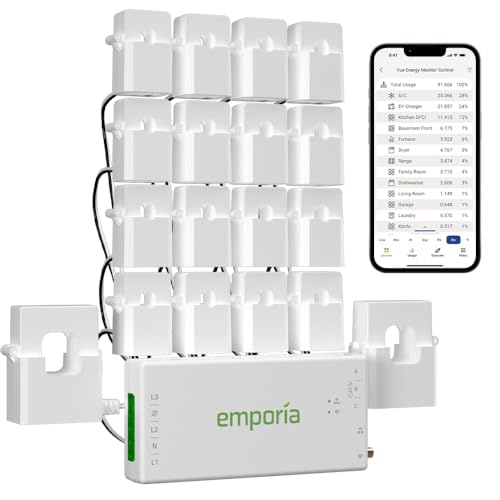
Emporia Vue 3 Home Energy Monitor – Smart Home Automation Module and Real Time Electricity Usage Monitor, Power Consumption Meter, Solar and Net Metering for UL Certified Safe Energy Monitoring
SAFETY YOU CAN TRUST WITH UL CERTIFICATION: With Emporia Energy, your home energy monitoring is safe, reliable, and…
As an affiliate, we earn on qualifying purchases.
As an affiliate, we earn on qualifying purchases.
Loss of Human Touch and Personalization

As companies increasingly depend on automated systems, the personal touch that once defined customer interactions begins to fade. You might notice that your smart home feels less warm and more impersonal, losing the human connection you crave. Automated responses can’t replicate genuine empathy or understanding, making interactions feel cold and detached. Personalized experiences become harder to achieve when everything is driven by algorithms rather than human intuition. Additionally, over-automation can lead to loss of human touch, diminishing the authenticity of interactions and leaving users feeling disconnected from the technology they rely on. This shift can result in a diminished sense of customer satisfaction, which is often rooted in personal, empathetic exchanges. Moreover, the lack of personalization can cause users to feel like their unique needs are overlooked, further deepening the disconnect. Without careful balance, the reliance on automation risks eroding the human connection that fosters trust and loyalty. In fact, over-automation can sometimes create a detached user experience that hampers genuine engagement and trust.
Security Vulnerabilities in Smart Devices
Smart devices, while convenient, often come with significant security vulnerabilities that can put your personal data at risk. Many device vulnerabilities stem from weak passwords, outdated firmware, or poor encryption, making it easier for hackers to exploit them. Hacking risks increase when cybercriminals gain access to your smart home network, potentially controlling devices or stealing sensitive information. Insecure connections or default settings can leave your smart devices exposed to malicious attacks. These vulnerabilities not only compromise your privacy but also threaten the safety of your home. To protect yourself, it’s vital to keep your devices updated, change default passwords, and monitor network activity regularly. Regularly assessing device security protocols can help you identify potential weaknesses before they are exploited. Ignoring these steps can leave you vulnerable to cyber threats lurking behind seemingly harmless smart gadgets. Additionally, understanding how field‑of‑view and imaging‑scale impact device security can help you better assess vulnerabilities in interconnected systems.
The Cost of Over-Automation and Maintenance
While automation aims to simplify daily life, over-automating your home can lead to escalating costs and ongoing maintenance challenges. A thorough cost analysis reveals that initial setup expenses are just the beginning; continuous updates, repairs, and troubleshooting increase overall spending. As your smart system becomes more complex, maintenance challenges grow, requiring more time and technical expertise to keep everything running smoothly. Devices may need frequent firmware updates or replacements, and compatibility issues can arise, adding to expenses. Over-automation also risks diminishing returns if the costs outweigh the convenience gained. Recognizing these financial implications helps you avoid unnecessary expenditures. Striking a balance between automation and manageable costs ensures your smart home remains functional without draining your wallet.
Balancing Convenience With Control
Finding the right balance between convenience and control is essential to prevent over-automation from taking over your home. When you prioritize user privacy and user control, you can enjoy smart technology without feeling overwhelmed. To strike this balance, consider these steps:
Balance convenience and control to enjoy smart tech without feeling overwhelmed.
- Limit automation to essential tasks, so you retain oversight.
- Regularly review privacy settings to protect your user data.
- Use manual controls alongside automated systems to stay in command.
Real-Life Stories of Smart Home Malfunctions

Despite the promise of convenience, real-life smart home malfunctions remind you of the risks involved. You might think voice control makes life easier, but sometimes it misinterprets commands, turning off your lights or adjusting the thermostat at the wrong times. In one case, a homeowner’s smart system shut down the heating unexpectedly, causing discomfort during winter. Others have experienced energy efficiency backfiring, where auto-adjustments lead to higher energy bills instead of savings. Malfunctions can also cause security issues, like cameras failing or doors not locking. These stories show that over-automation can create unexpected problems. While smart devices aim to simplify daily routines, they can sometimes complicate your home life, highlighting the importance of monitoring and maintaining control over automation systems.
Finding the Right Level of Automation for Comfort
Smart home automation promises convenience, but too much can backfire, making daily life more complicated than necessary. To find the right balance, consider your personal comfort and user preferences. Start by:
Smart home automation should enhance comfort without overcomplicating daily routines.
- Adjusting automation settings so they enhance your routines without feeling intrusive.
- Creating custom scenarios that match your daily habits, like dimming lights gradually at bedtime.
- Regularly reviewing and fine-tuning your system to ensure it responds to your evolving needs.
This approach keeps your home feeling welcoming and personalized, rather than rigid or unpredictable. Remember, the goal is to serve your comfort, not to override it with overly complex or excessive automation. Striking this balance ensures your smart home remains a helpful tool, tailored to your lifestyle.
Frequently Asked Questions
Can Over-Automation Lead to Dependency on Technology?
Yes, over-automation can lead to dependency on technology, increasing your automation dependency and tech reliance. When you rely too much on smart devices, you might struggle to perform tasks manually, weakening your skills and decision-making abilities. This dependency can make you vulnerable if systems fail or are compromised. To avoid this, balance automation with manual control and regularly disconnect to keep your skills sharp and reduce overall tech reliance.
How Do Smart Homes Impact Energy Efficiency Over Time?
Smart homes markedly impact energy efficiency over time by reducing energy consumption through automation. You automatically adjust heating, cooling, and lighting based on your routines, which boosts efficiency improvements. Over time, these systems optimize energy use, saving you money and reducing your carbon footprint. However, you should regularly monitor and update your smart home devices to guarantee they continue to operate efficiently and meet your evolving needs.
Are There Legal Liabilities for Smart Home Device Failures?
Liability concerns can turn your smart home into a legal maze if a device malfunction occurs. If a malfunction causes damage or injury, you might be held responsible, like a captain steering through stormy seas. Manufacturers often limit their liability, but you’re still vulnerable to lawsuits, especially if negligence is proven. Stay informed about warranties and keep devices updated to reduce risks and protect yourself from potential legal pitfalls.
How Can Users Customize Automation to Suit Their Lifestyle?
You can customize automation by creating personalized routines that fit your lifestyle. Start with manual adjustments to fine-tune device settings, ensuring they meet your needs. Use smart home apps to set specific triggers, schedules, and preferences, making automation more intuitive. Regularly review and update your routines as your habits change, so your smart home adapts seamlessly to your life without feeling over-automated.
What Are the Health Implications of Living in Highly Automated Homes?
Living in a highly automated home can impact your health by increasing mental health issues like anxiety or stress, especially if automation causes sensory overload. Constant notifications or overly responsive devices might make you feel overwhelmed, reducing your ability to relax. To avoid this, customize your automation to create calming environments and limit unnecessary alerts. This helps maintain mental clarity and prevents sensory overload, ensuring your smart home supports your well-being.
Conclusion
So, as you consider making your home smarter, ask yourself: is it truly enhancing your life or just adding unnecessary complexity? Over-automation can turn convenience into frustration, privacy into vulnerability, and comfort into chaos. Finding the right balance is key. Are you willing to trade control for convenience, or will you prioritize a home that adapts to you—without overdoing it? Ultimately, smarter doesn’t always mean better—so choose wisely.