
Editorial update log
November 15, 2026:
Deal update: RoundupForge price history now flags ASIN B0GT6RFQZY on amazon.com as below its typical tracked range. RF labels the deal as all_time_low.
Exact pricing remains intentionally gated through the live Grimfaste price module in the article.
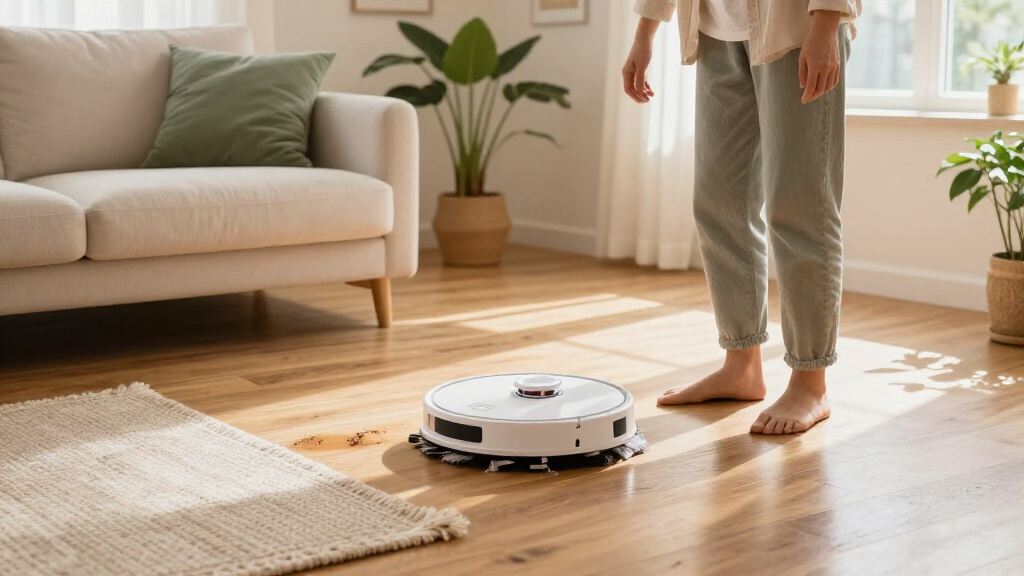
Shopping for robot vacuum and mop combos means navigating a category where the gap between budget and flagship models has never been wider — some machines now wash their own mop pads while others barely dampen a cloth. My top pick is the iRobot Roomba Max 705X with AutoWash Dock, which handles vacuuming, mopping, self-emptying, and mop washing with the least hands-on work of the group. The Roborock with LiDAR Navigation stands out for mapping precision and obstacle avoidance at a mid-tier price, while the eufy E25’s 20,000 Pa suction makes it the strongest raw cleaner for pet-heavy homes. The main tradeoff you’ll face throughout this roundup is dock capability versus price: self-emptying is now common, but self-washing docks that truly free you from maintenance still carry a premium. Keep reading for the full breakdown of all 14 machines and which one fits your floors, pets, and patience for upkeep.

Get home appliances delivered free with Prime
- Fast, free delivery on millions of items
- Prime Video, Amazon Music and more included
- Member-only deals all year
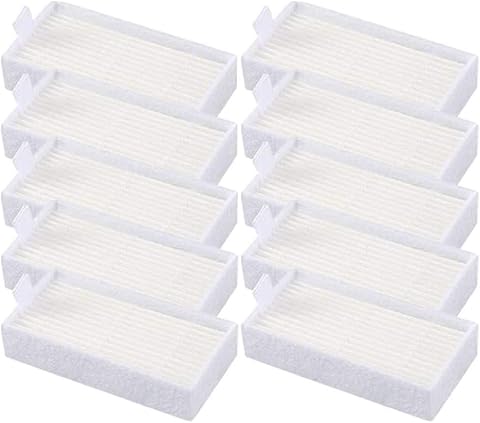
Complete the kit


Key Takeaways
- Suction specs are the most misleading number in this category — the eufy E25’s 20,000 Pa headline beats the Roomba Max 705X on paper, but iRobot‘s cleaning system delivered more consistent results across carpet and hard floors.
- The dock is what actually separates the price tiers: 60-day self-emptying bases (both Shark models, several Roombas) are now standard, while the Roomba Max 705X’s AutoWash dock is the only setup here that also washes and dries mop pads.
- LiDAR navigation, like the Roborock‘s, matters more than most buyers expect — camera-only or gyroscope models in this lineup need more babysitting around furniture, cords, and pet bowls.
- The Roomba 105X and 115X Combo differ mainly in bin capacity and runtime, so shoppers comparing nearly identical iRobot models should match the spec to home size rather than paying up for the nameplate.
- Compact dock designs like the eufy Omni C20’s make mop-washing convenience viable for apartments, where full-size AutoWash docks simply don’t fit.
| Shark Matrix Plus Robot Vacuum and Mop Combo with 60-Day Self-Emptying Base |  | Best Value for Allergy Sufferers | Model: AV2610WA | Cleaning type: Robot vacuum and mop | Self-emptying capacity: Up to 60 days of dirt and debris | VIEW LATEST PRICE | See Our Full Breakdown |
| Shark Stratos Robot Vacuum and Mop Combo with 60-Day Self-Empty Base, White (AV2700ZE) |  | Best Mid-Range Automation | Model: AV2700ZE | Cleaning type: Robot vacuum and sonic mop | Base: NeverTouch self-emptying, water-refilling, mop-washing and drying base | VIEW LATEST PRICE | See Our Full Breakdown |
| eufy E25 Robot Vacuum and Mop Combo, 20,000 Pa |  | Best Suction Power | Suction power: 20,000 Pa | Mop system: HydroJet roller mop; refreshes with clean water 2 times per second | Station: Auto-emptying, mop washing and drying, water refilling | VIEW LATEST PRICE | See Our Full Breakdown |
| iRobot Roomba 115X Combo Robot Vacuum and Mop |  | Best for First-Time Robot Owners | Suction power: 10,000 Pa | Coverage per charge: Up to 900 sq ft | Navigation: ClearView LiDAR | VIEW LATEST PRICE | See Our Full Breakdown |
| iRobot Roomba Max 705X Robot Vacuum and Mop Combo with AutoWash Dock | 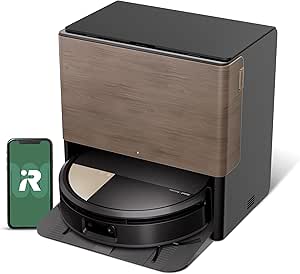 | Best Premium Pick | Model: Roomba Max 705X | Dock: AutoWash Dock — emptying, mop washing/drying, solution dispensing | Suction: 175x stronger than Roomba 600 series robots | VIEW LATEST PRICE | See Our Full Breakdown |
| Robot Vacuum and Mop Combo with Self-Emptying Station |  | Best Hands-Off Debris Capacity | Suction power: 6000Pa | Dust bag capacity: 3L | Hands-free debris storage: Up to 90 days | VIEW LATEST PRICE | See Our Full Breakdown |
| iRobot Roomba Plus 505X Robot Vacuum and Mop Combo |  | Best Premium All-in-One Dock | Cleaning type: Robot vacuum and mop | Suction: Up to 70× stronger than Roomba 600 series | Dock: AutoWash Dock with emptying, pad washing, and heat drying | VIEW LATEST PRICE | See Our Full Breakdown |
| iRobot Roomba 105X Combo Robot Vacuum and Mop with AutoEmpty Dock |  | Best Value Self-Empty Combo | Cleaning modes: Vacuum, mop, or combo | Dock capacity: Up to 75 days of debris | Mapping: ClearView LiDAR | VIEW LATEST PRICE | See Our Full Breakdown |
| Roborock Robot Vacuum and Mop with LiDAR Navigation and Self-Emptying Dock |  | Best Suction Power | Suction power: 10,000 Pa | Navigation: PreciSense LiDAR | Dust bag capacity: 2.7 L (7–9 weeks) | VIEW LATEST PRICE | See Our Full Breakdown |
| ROPVACNIC Robot S1 Vacuum and Mop Combo |  | Best Budget-Friendly Starter Pick | Suction power: Up to 5200Pa | Functions: Vacuuming and mopping | Water adjustment: Four-stage | VIEW LATEST PRICE | See Our Full Breakdown |
| iRobot Roomba 115X Combo Robot Vacuum and Mop with AutoEmpty Dock |  | Best for Allergy Sufferers | Suction power: 15,000 Pa | Coverage per charge: Up to 900 sq ft | Dock bag capacity: 2.5 L | VIEW LATEST PRICE | See Our Full Breakdown |
| eufy Omni C20 Robot Vacuum and Mop Combo, 7,000 Pa |  | Best Full-Service Station on a Budget | Suction power: Up to 7,000 Pa | Runtime: Up to 132 minutes | Robot height: 3.35 inches (85 mm) | VIEW LATEST PRICE | See Our Full Breakdown |
| iRobot Roomba Plus 415X Robot Vacuum and Mop Combo |  | Best Premium All-in-One Dock | Suction: 2.3× more than Roomba 600 series | Dock: AutoWash Dock washes and heat-dries mop pads at 113°F | Self-emptying: Up to 90 days | VIEW LATEST PRICE | See Our Full Breakdown |
| iRobot Roomba 105 Combo Robot Vacuum and Mop with AutoEmpty Dock |  | Best for First-Time Robot Vacuum Owners | Navigation: ClearView LiDAR | Cleaning modes: Vacuum, mop, or vacuum and mop | AutoEmpty capacity: Up to 75 days of debris | VIEW LATEST PRICE | See Our Full Breakdown |
| robot vacuum and mop combo | Navigation | Suction power |
|---|---|---|
| Shark Matrix Plus Robot Vacuum | 360° LiDAR mapping with object detection and avoidance | — |
| Shark Stratos Robot Vacuum and | 360° LiDAR mapping | — |
| eufy E25 Robot Vacuum and Mop | — | 20,000 Pa |
| iRobot Roomba 115X Combo Robot | ClearView LiDAR | 10,000 Pa |
| iRobot Roomba Max 705X Robot V | PrecisionVision AI obstacle avoidance with ClearView Pro LiDAR | — |
| Robot Vacuum and Mop Combo wit | LiDAR | 6000Pa |
| iRobot Roomba Plus 505X Robot | ClearView Pro LiDAR with PrecisionVision AI | — |
| iRobot Roomba 105X Combo Robot | — | — |
| Roborock Robot Vacuum and Mop | PreciSense LiDAR | 10,000 Pa |
| ROPVACNIC Robot S1 Vacuum and | Obstacle sensing with automatic direction adjustment | Up to 5200Pa |
| iRobot Roomba 115X Combo Robot | LiDAR | 15,000 Pa |
| eufy Omni C20 Robot Vacuum and | iPath Laser Navigation; stores up to 3 floor maps | Up to 7,000 Pa |
| iRobot Roomba Plus 415X Robot | LiDAR mapping and obstacle recognition | — |
| iRobot Roomba 105 Combo Robot | ClearView LiDAR | — |
More Details on Our Top Picks
Shark Matrix Plus Robot Vacuum and Mop Combo with 60-Day Self-Emptying Base
This option stands out for its bagless self-emptying base and true HEPA filtration that traps 99.97% of allergens down to 0.3 microns — a combination that most similarly priced combos, including the Roomba 115X, can’t match. The bagless design also saves you from buying replacement bags for years. Matrix-pattern vacuuming plus sonic mopping at 100 scrubs per minute makes it methodical rather than random, and the self-cleaning brushroll genuinely helps with pet hair. The tradeoff is clear, though: unlike the Shark Stratos AV2700ZE or the eufy E25, this base doesn’t wash or dry the mop pads, so you’re rinsing and reusing microfiber by hand. If allergies and low running costs matter more to you than hands-off mopping, this pick makes the most sense.
Pros:- True HEPA filtration captures 99.97% of dust and allergens down to 0.3 microns
- Bagless 60-day self-emptying base eliminates ongoing bag costs
- LiDAR mapping with object detection supports methodical, room-by-room cleaning
- Self-cleaning brushroll reduces hair wrap
Cons:- Mopping pads require manual washing and reuse rather than automatic cleaning
- Cleaning improvement claims are based on comparisons with specific Shark models and test conditions
Best for: Allergy sufferers and budget-conscious buyers who want true HEPA filtration and no dust-bag purchases
Not ideal for: Buyers who want a fully automated mop system — pads must be washed and maintained by hand
- Model:AV2610WA
- Cleaning type:Robot vacuum and mop
- Self-emptying capacity:Up to 60 days of dirt and debris
- Mopping rate:100 scrubs per minute
- Filtration:True HEPA; captures 99.97% of dust and allergens down to 0.3 microns
- Navigation:360° LiDAR mapping with object detection and avoidance
- Warranty:1-year limited
Our verdict“The smart buy for allergy-prone households that want vacuum-and-mop coverage with the lowest long-term maintenance costs.”
Shark Stratos Robot Vacuum and Mop Combo with 60-Day Self-Empty Base, White (AV2700ZE)
Compared with the Shark Matrix Plus, the Stratos AV2700ZE closes the biggest gap in that model’s design: its NeverTouch base doesn’t just self-empty — it refills water, washes the mop pad, and dries it, so the mopping side is genuinely hands-off. That puts it in the same automation tier as the eufy E25 and Roomba Max 705X, but at a more accessible position in Shark’s lineup. Sonic scrubbing handles stuck-on messes on hard floors, and the app’s no-go zones and targeted cleaning give you real control over where it runs. The compromise is capacity balance: debris storage is rated for 60 days but the water reservoir only covers about 30 days, meaning you’ll refill water twice as often as you empty dust. It’s also a step down from the Max 705X in obstacle intelligence, relying on LiDAR mapping without AI object recognition.
Pros:- NeverTouch base empties debris, refills water, and washes and dries the mop pad
- LiDAR mapping with app scheduling, targeted cleaning, and no-go zones
- Self-cleaning brushroll with anti-hair wrap design
- HEPA filtration with Anti-Allergen Complete Seal
Cons:- Water refill capacity (about 30 days) is half the 60-day debris capacity
- Lacks AI obstacle avoidance found on premium rivals like the Roomba Max 705X
Best for: Buyers upgrading from a basic robot vacuum who want automated mop care without paying premium-tier prices
Not ideal for: Households wanting the longest unattended runtimes — water refills are needed roughly twice as often as debris emptying
- Model:AV2700ZE
- Cleaning type:Robot vacuum and sonic mop
- Base:NeverTouch self-emptying, water-refilling, mop-washing and drying base
- Debris bin capacity:Up to 60 days
- Water refill capacity:Up to 30 days
- Navigation:360° LiDAR mapping
- Filtration:HEPA with Anti-Allergen Complete Seal
- Controls:SharkClean app, Amazon Alexa, Google Voice
Our verdict“The sweet spot for shoppers who want near-total automation — including mop washing — at a mid-range price.”
eufy E25 Robot Vacuum and Mop Combo, 20,000 Pa
With 20,000 Pa of suction, the E25 doubles the raw pulling power of the Roomba 115X, and it shows in how it handles embedded debris and pet hair on hard floors. The real differentiator, though, is the HydroJet roller mop, which refreshes itself with clean water twice per second — so unlike the Matrix Plus, which drags a progressively dirtier microfiber pad across your floor, this one isn’t smearing old water around. The station automates dust emptying (roughly 75 days), mop washing, hot-air drying at 50°C, and water refills, making it the most self-sufficient package here alongside the Roomba Max 705X. It also stores up to five floor plans, which matters for multi-story homes. The tradeoffs are practical rather than performance-related: 2.4 GHz-only Wi-Fi can complicate setup on modern mesh networks, and it’s rated for 110 V US power only.
Pros:- 20,000 Pa suction outpulls most rivals in this lineup
- Roller mop refreshes with clean water 2 times per second to avoid smearing
- All-in-one station handles emptying, mop washing, 50°C drying, and water refills
- Stores up to 5 floor plans and runs up to 125 minutes
Cons:- 2.4 GHz Wi-Fi only, which can clash with modern dual-band routers
- Listed for 110 V US power only
Best for: Pet owners and multi-story households who want maximum suction and a mop that never spreads dirty water
Not ideal for: Homes with 5 GHz-only networks or buyers outside US power regions
- Suction power:20,000 Pa
- Mop system:HydroJet roller mop; refreshes with clean water 2 times per second
- Station:Auto-emptying, mop washing and drying, water refilling
- Dust bag duration:Approximately 75 days (3 L bag)
- Floor plan storage:Up to 5 floor plans
- Runtime:125 minutes in standard vacuum-and-mop mode
- Noise level:≤61 dB in max mode
- Connectivity:2.4 GHz Wi-Fi; Alexa, Google Assistant, Siri
Our verdict“The strongest cleaning package here for pet hair and multi-floor homes, provided your network and power setup cooperate.”
iRobot Roomba 115X Combo Robot Vacuum and Mop
This model makes the list because it strips the combo down to what a first-time buyer actually needs: vacuum-plus-mop in one pass, reliable ClearView LiDAR navigation, and No Mop Zones that keep your rugs dry — a feature the cheaper ROPVACNIC S1 can’t offer. The 10,000 Pa suction is respectable for an entry combo, and the washable microfiber pad means no consumable pad costs, unlike pad-based systems that quietly add expense over time. SmartScrub with three water levels lets you tune mopping for sticky messes versus light dust. What you give up is scale and automation: coverage tops out around 900 sq ft per charge, so larger homes will see mid-job recharge breaks, and there’s no self-emptying dock here — that version exists separately, but this base configuration means you’re emptying the bin yourself every few runs.
Pros:- Vacuums and mops in one pass with SmartScrub and 3 adjustable water levels
- ClearView LiDAR maps rooms and avoids obstacles
- No Mop Zones protect rugs and carpet from getting wet
- Washable microfiber pad avoids recurring pad replacement costs
Cons:- Coverage limited to roughly 900 sq ft per charge, forcing recharge breaks in bigger homes
- No self-emptying dock in this configuration — manual bin emptying required
- Filters and brushes need replacement every 3–6 months
Best for: First-time robot vacuum buyers in apartments or smaller homes who want simple one-pass cleaning without subscription-style costs
Not ideal for: Larger homes over 900 sq ft or anyone who hates emptying a dustbin manually
- Suction power:10,000 Pa
- Coverage per charge:Up to 900 sq ft
- Navigation:ClearView LiDAR
- Cleaning modes:Vacuum and mop in one pass; spot cleaning
- Mopping pad:Washable microfiber
- Mop settings:SmartScrub; 3 water or solution levels
- Connectivity:2.4 GHz Wi-Fi required for setup
Our verdict“The easiest entry point into robot vacuum-and-mop ownership for smaller homes that don’t need a full automation station.”
iRobot Roomba Max 705X Robot Vacuum and Mop Combo with AutoWash Dock
The Max 705X is where this roundup tops out. Its AutoWash Dock does everything the Shark Stratos NeverTouch base does — emptying, mop washing, drying — and adds automatic solution dispensing, so the robot leaves the dock fully loaded every time. The self-cleaning extending roller mop spins at 200 RPM and physically reaches edges and corners, solving the baseboard gap that fixed pads on the Matrix Plus and 115X simply can’t address. Where the eufy E25 wins on raw suction figures, the 705X counters with PrecisionVision AI obstacle avoidance layered on top of ClearView Pro LiDAR — it recognizes and steers around cords and pet waste rather than just mapping around furniture. Two honest caveats: extracting the full value takes real setup and app configuration time, and iRobot’s headline suction claim is measured against its own 600 series, not competitors, so treat cross-brand numbers with caution.
Pros:- AutoWash Dock empties debris (up to 75 days), washes and dries the mop, and dispenses solution
- Extending roller mop reaches edges and corners at 200 RPM
- PrecisionVision AI avoids cords and pet waste, not just large obstacles
- Dual Rubber Brushes plus Dual Edge-Sweeping Brushes cover more floor per pass
Cons:- Full feature set requires meaningful setup and app configuration
- Suction claims (175x) are benchmarked against the Roomba 600 series, not competing brands
Best for: Buyers who want the most automated cleaning experience available and will invest setup time to get it
Not ideal for: Tinker-averse buyers who want unbox-and-go simplicity, or anyone comparing raw suction specs across brands
- Model:Roomba Max 705X
- Dock:AutoWash Dock — emptying, mop washing/drying, solution dispensing
- Suction:175x stronger than Roomba 600 series robots
- Roller mop speed:200 RPM
- Auto-emptying capacity:Up to 75 days
- Navigation:PrecisionVision AI obstacle avoidance with ClearView Pro LiDAR
- Brushes:Dual Rubber Brushes and Dual Edge-Sweeping Brushes
- Voice assistants:Alexa, Siri, Google Assistant
Our verdict“The most complete hands-off cleaning system in this lineup for buyers who want corner-to-corner mopping and obstacle intelligence and will pay for it.”
Robot Vacuum and Mop Combo with Self-Emptying Station
Where most self-emptying docks in this lineup top out around 60–75 days, this model stretches maintenance intervals to 90 days, which makes it the pick for anyone whose main goal is forgetting the robot exists. The 6000Pa suction with automatic carpet boost handles the transition between hard floors and rugs without you reconfiguring anything. Compared with the Roborock LiDAR model later in this list, suction is lower, but the larger 3L dust bag means fewer bag purchases over time. LiDAR mapping with no-go zones lets you fence off pet bowls or cable nests. The catch: there is no mop-lifting or pad washing, so carpets stay dry only if you set the boundaries yourself, and mopping is limited to sealed hard floors.
Pros:- 90-day self-emptying interval is the longest in this batch
- LiDAR mapping with room controls and no-go zones
- Automatic carpet boost adjusts suction without input
- Works with app and Alexa for scheduled, room-specific cleaning
Cons:- 2.4GHz-only Wi-Fi can be a hassle on modern mesh networks
- Mopping is limited to sealed hard floors with no pad-lifting or washing
Best for: Busy households with mostly hard floors who want the longest possible gap between dock maintenance
Not ideal for: Homes with lots of area rugs — the mop has no automatic lifting, so you must rely on no-go zones to keep carpets dry
- Suction power:6000Pa
- Dust bag capacity:3L
- Hands-free debris storage:Up to 90 days
- Battery life:160 minutes
- Navigation:LiDAR
- Control:App and Alexa over 2.4GHz Wi-Fi
- Warranty:2 years
Our verdict“This pick makes the most sense for set-and-forget cleaners who value maximum debris capacity over advanced mop care.”
iRobot Roomba Plus 505X Robot Vacuum and Mop Combo
The AutoWash Dock is what separates the 505X from nearly everything else here: it not only empties debris for up to 75 days but also washes and heat-dries the mop pads, which addresses the soggy, odor-prone pads that plague simpler combos like the S6 Pro. Dual spinning pads also lift over carpet, so you can mop the whole floor plan in one pass rather than mapping around rugs manually. PrecisionVision AI obstacle avoidance gives it an edge over sensor-based rivals like the ROPVACNIC S1 around charging cables and pet messes. Two honest caveats: the headline suction claim is measured against the older Roomba 600 series, not current competitors, and hands-free mopping is capped at around four weeks before the dock needs attention.
Pros:- AutoWash Dock empties debris, washes pads, and heat-dries them
- Dual spinning pads lift automatically over carpet
- PrecisionVision AI obstacle avoidance reduces cable and clutter mishaps
- Works with Alexa, Siri, and Google Assistant
Cons:- Suction claims are benchmarked only against the aging Roomba 600 series
- Hands-free mopping requires dock intervention roughly every four weeks
Best for: Buyers who want the dock to handle everything — emptying, washing, and drying — with minimal ongoing effort
Not ideal for: Budget-focused buyers or those on 5GHz-only networks who don’t need a full wash dock
- Cleaning type:Robot vacuum and mop
- Suction:Up to 70× stronger than Roomba 600 series
- Dock:AutoWash Dock with emptying, pad washing, and heat drying
- Debris capacity:Up to 75 days
- Mop pads:Dual spinning pads that lift over carpet
- Navigation:ClearView Pro LiDAR with PrecisionVision AI
- Voice assistants:Alexa, Siri, Google Assistant
Our verdict“If a truly low-maintenance mop experience is the priority, this is the most complete dock in the batch.”
iRobot Roomba 105X Combo Robot Vacuum and Mop with AutoEmpty Dock
The 105X delivers the two features that actually matter day to day — a 75-day AutoEmpty Dock and LiDAR room mapping with keep-out zones — without charging for the pad-washing extras of the Roomba Plus 505X. It also handles a common frustration well: it automatically avoids rugs while mopping, so you get one-pass combo cleaning on mixed floors. The washable microfiber pad keeps consumable costs near zero compared with brands that push proprietary pads. Tradeoffs are real, though: the suction figure is only relative to the Roomba 600 series, so it is hard to stack against the Roborock’s concrete 10,000Pa, and iRobot omits runtime and dimensions entirely, which makes sizing and battery expectations a guessing game before purchase.
Pros:- AutoEmpty Dock holds up to 75 days of debris
- Washable, reusable microfiber pad avoids recurring pad costs
- Automatically avoids rugs while mopping for true one-pass cleaning
- Sealed bag locks in 99% of allergens down to 0.7 microns
Cons:- No published runtime or dimensions to compare against rivals
- Suction is only framed relative to the Roomba 600 series, not in Pa
Best for: First-time robot vacuum buyers who want self-emptying convenience and reusable pads at a lower commitment level
Not ideal for: Large homes or thick-carpet households — unspecified runtime and unverified absolute suction make coverage and deep cleaning uncertain
- Cleaning modes:Vacuum, mop, or combo
- Dock capacity:Up to 75 days of debris
- Mapping:ClearView LiDAR
- Mop pad:Washable, reusable microfiber
- Allergen containment:Sealed bag locks in 99% of allergens down to 0.7 microns
- Connectivity:2.4 GHz Wi-Fi; Alexa, Siri, Google Assistant
Our verdict“A sensible middle ground if you want dock convenience and low consumable costs without paying for a wash station.”
Roborock Robot Vacuum and Mop with LiDAR Navigation and Self-Emptying Dock
At 10,000Pa, this Roborock out-pulls everything else in this batch by a wide margin — the S6 Pro manages 6000Pa and the ROPVACNIC S1 tops out at 5200Pa — which translates directly into better embedded debris pickup on carpet. The dual anti-tangle brushes matter for pet households, cutting the weekly hair-scissors ritual that single-brush robots demand. A 12.8-inch cleaning path also means fewer passes to cover open floor plans, pairing well with the 150-minute battery. The dock’s 2.7L bag runs 7–9 weeks, a step down from the S6 Pro’s 90-day claim but still genuinely hands-off. The weak spot is mopping: adjustable water flow is the extent of it, with no pad washing or lifting described, so the Roomba Plus 505X remains the better choice if mop hygiene drives your decision.
Pros:- 10,000Pa suction leads this batch for carpet cleaning
- Dual anti-tangle brushes reduce pet hair maintenance
- Wide 12.8-inch cleaning path covers large rooms faster
- PreciSense LiDAR enables efficient, optimized routes
Cons:- Mopping is basic water-flow adjustment with no pad washing or lifting
- 2.4 GHz-only Wi-Fi connectivity
Best for: Pet owners and carpet-heavy homes who prioritize raw debris extraction over mop sophistication
Not ideal for: Buyers focused on mopping quality — there is no automatic pad washing or lifting, so carpets need careful zone management
- Suction power:10,000 Pa
- Navigation:PreciSense LiDAR
- Dust bag capacity:2.7 L (7–9 weeks)
- Battery life:150 minutes
- Cleaning path width:12.8 inches
- Water flow settings:3
- Surfaces:Wood, tile, marble, carpet
Our verdict“The strongest vacuum-first choice here, best for homes where carpet pickup outweighs mop features.”
ROPVACNIC Robot S1 Vacuum and Mop Combo
The ROPVACNIC S1 skips the premium hardware — no self-emptying dock, no LiDAR — but keeps the conveniences that make combo robots worthwhile: app and voice scheduling, four-stage water adjustment, and automatic recharge. Its brush-free, no-tangle design with dual rotating side brushes is a genuine differentiator for pet households on a budget, sidestepping the hair-wrap problem the Roborock addresses with more expensive hardware. Obstacle sensing with direction adjustment is serviceable, though it is a step below the Roomba 105X’s LiDAR mapping and keep-out zones for complex layouts. The 5200Pa suction is the lowest in this batch, and the absence of any self-emptying means you will be emptying the bin by hand every few runs. For a first robot or a small apartment, that tradeoff is reasonable.
Pros:- Brush-free design significantly reduces pet hair tangles
- Four-stage water adjustment for tailored mopping
- App, voice, and scheduled cleaning support
- Automatic return-to-charge keeps cycles unattended
Cons:- No self-emptying dock — manual bin emptying required
- Suction is the lowest in this batch at 5200Pa
- Only low-pile carpets are supported; no LiDAR-grade mapping
Best for: First-time buyers and small-apartment dwellers who want vacuum-mop basics and scheduling without paying for a dock
Not ideal for: Larger or multi-pet homes — manual bin emptying and lower suction make it a chore at scale
- Suction power:Up to 5200Pa
- Functions:Vacuuming and mopping
- Water adjustment:Four-stage
- Brush design:No-entanglement design with dual rotating side brushes
- Voice control:Alexa and Google Assistant
- Navigation:Obstacle sensing with automatic direction adjustment
- Surfaces:Wood, hard floors, low-pile carpets
Our verdict“A solid entry point if you want combo cleaning fundamentals and tangle resistance while skipping dock-driven costs.”
iRobot Roomba 115X Combo Robot Vacuum and Mop with AutoEmpty Dock
The Roomba 115X Combo stands out for its sealed allergen-trapping dock bag, which captures 99% of pollen and mold and holds debris for up to three months — a clear step up in filtration from the Roomba 105 Combo’s 75-day bag. With 15,000 Pa of suction, it also pulls harder than the eufy Omni C20, making it the stronger pick for pet-heavy homes where hair and dander are daily battles. Its washable microfiber mop pad and No Mop Zones keep rugs dry without fiddling with settings.
The tradeoff is coverage: at up to 900 sq ft per charge, this model is aimed squarely at small to medium homes. Compared with the Omni C20’s 132-minute runtime and recharge-and-resume, larger floor plans will require more intervention. Ongoing filter and brush replacements every 3–6 months also add maintenance costs the eufy’s washable filter avoids.
Pros:- 15,000 Pa suction outmuscles most combos in this price tier
- Sealed dock bag traps 99% of pollen and mold for up to three months
- LiDAR mapping handles multi-room layouts with No Mop Zones for rug protection
- Washable microfiber mop pad keeps running costs down
Cons:- Coverage tops out around 900 sq ft per charge, limiting it to smaller homes
- Filters and brushes need replacement every 3–6 months
- Requires a 2.4 GHz Wi-Fi network for setup and control
Best for: Allergy sufferers and pet owners in small-to-medium homes who want sealed debris storage and strong suction
Not ideal for: Owners of larger homes over 900 sq ft per floor, since coverage per charge will require multiple runs or manual repositioning
- Suction power:15,000 Pa
- Coverage per charge:Up to 900 sq ft
- Dock bag capacity:2.5 L
- Bag filtration:Traps 99% of pollen and mold
- Navigation:LiDAR
- Mop pad:Washable microfiber
- Cleaning settings:1–2 passes, 4 suction levels, 3 mopping liquid levels
- Wi-Fi requirement:2.4 GHz
Our verdict“This pick makes the most sense for allergy-sensitive households in compact homes who prioritize filtration and suction over maximum runtime.”
eufy Omni C20 Robot Vacuum and Mop Combo, 7,000 Pa
What separates the eufy Omni C20 from similarly priced rivals is its all-in-one station: it empties the dustbin, washes the mop pads, and dries them with room-temperature air. Neither the Roomba 115X Combo nor the Roomba 105 Combo can touch that, since their docks only self-empty — you’re still hand-washing mop pads on those models. Automatic mop lifting on carpet, 132 minutes of runtime with recharge-and-resume, and a slim 3.35-inch body that slides under furniture round out a genuinely low-maintenance package.
The compromises are real, though. At 7,000 Pa, suction trails the 115X by more than half, so deep-carpet debris pickup is weaker. There are no boundary strips included or compatible, and carpets with pile over 20 mm need manual No-Go Zones — the Roomba models handle rug avoidance more gracefully.
Pros:- Station empties dust, washes mop pads, and dries them automatically
- Slim 3.35-inch profile reaches under low furniture
- Mop pads lift automatically when carpet is detected
- Up to 132 minutes of runtime with recharge-and-resume for bigger jobs
Cons:- 7,000 Pa suction is well below higher-output rivals for carpet cleaning
- Boundary strips are not included or compatible
- Only 2.4 GHz Wi-Fi is supported
Best for: Budget-conscious buyers who want a dock that washes and dries mop pads, not just empties dust
Not ideal for: Thick-carpet households — anything over 20 mm pile requires manual No-Go Zones, and suction is modest for deep pile
- Suction power:Up to 7,000 Pa
- Runtime:Up to 132 minutes
- Robot height:3.35 inches (85 mm)
- Dust bag capacity:3.1 L
- Navigation:iPath Laser Navigation; stores up to 3 floor maps
- Mop washing and drying:Room-temperature air
- Noise level:56 dB
- Controls:App, buttons, Alexa, Google Assistant, Siri
Our verdict“Compared with similarly priced Roomba combos, this model trades raw suction for the most hands-off maintenance routine — a fair deal for hard-floor-heavy homes.”
iRobot Roomba Plus 415X Robot Vacuum and Mop Combo
The Roomba Plus 415X sits near the top of this lineup because its AutoWash Dock does everything: washes mop pads, heat-dries them at 113°F, empties debris for 90 days, and refills the water tank. That last step is something even the eufy Omni C20’s station doesn’t handle. Dual mop pads with SmartScrub attack dried-on messes that a single flat pad — like the one on the Roomba 115X Combo — tends to smear rather than remove. A 46% slimmer body than the Roomba 105 also means better under-bed and under-sofa reach.
Be aware that iRobot’s headline specs are framed as comparisons to its own older models (“2.3× more suction than the 600 series”), which makes direct cross-brand comparisons difficult. The lack of published battery life and dimensions also means you’re trusting the ecosystem rather than the spec sheet — a fair frustration for comparison shoppers.
Pros:- AutoWash Dock washes, heat-dries pads at 113°F, empties debris, and refills water
- Dual mop pads with SmartScrub tackle stubborn, dried-on messes
- LiDAR mapping plus obstacle recognition avoids clutter without babysitting
- Tangle-free rubber brushes suit pet households
Cons:- Performance figures are relative to other Roombas, complicating cross-brand comparison
- Battery life and dimensions are not published
- Premium dock features add cost over self-empty-only alternatives
Best for: Buyers who want the most automated upkeep available — washed, heat-dried pads and refilled water with almost no manual work
Not ideal for: Spec-driven comparison shoppers who want published battery life and absolute suction figures before buying
- Suction:2.3× more than Roomba 600 series
- Dock:AutoWash Dock washes and heat-dries mop pads at 113°F
- Self-emptying:Up to 90 days
- Mop lifting:10 mm over rugs
- Navigation:LiDAR mapping and obstacle recognition
- Design:46% slimmer than Roomba 105
- Brushes:Tangle-free rubber brushes and extending edge brushes
Our verdict“This is the pick for buyers who want scrubbing power and a dock that handles every chore — provided they’re comfortable with iRobot-centric spec claims.”
iRobot Roomba 105 Combo Robot Vacuum and Mop with AutoEmpty Dock
For anyone buying their first vacuum-mop combo, the Roomba 105 Combo keeps things simple: three cleaning modes (vacuum, mop, or both), ClearView LiDAR mapping, and an app that lets you schedule room-specific cleaning without a steep learning curve. It automatically avoids carpets while mopping, which is a friendlier default than the eufy Omni C20’s approach of requiring manual No-Go Zones for thick carpet. The included extra mop pad is a small but thoughtful touch for beginners who haven’t stocked consumables yet.
Compared with the Roomba 115X Combo, the tradeoffs are a shorter 75-day dock capacity and the absence of the higher model’s sealed allergen bag — so allergy households should step up. There’s also no mop-lifting hardware; the robot simply steers around carpet while mopping, and you’re locked into iRobot-specified cleaning solutions, which limits your options and can raise running costs.
Pros:- Three cleaning modes make it easy to run vacuum-only, mop-only, or both
- Automatically avoids carpets while mopping without manual setup
- Self-emptying dock holds up to 75 days of debris
- Allergen filtration captures particles as small as 0.7 microns
Cons:- Cleaning solutions are limited to iRobot-specified products
- Requires 2.4 GHz Wi-Fi for setup and operation
- No mop-washing or drying at the dock, so pads need manual cleaning
Best for: First-time robot vacuum buyers who want straightforward setup, flexible modes, and hands-off carpet avoidance
Not ideal for: Tinkerers who want third-party cleaning solutions or premium features like mop washing — those buyers need a step-up model
- Navigation:ClearView LiDAR
- Cleaning modes:Vacuum, mop, or vacuum and mop
- AutoEmpty capacity:Up to 75 days of debris
- Allergen filtration:Traps 99% of allergens as small as 0.7 microns
- Carpet handling:Automatically avoids carpets while mopping
- Wi-Fi:2.4 GHz
- Included:Robot, AutoEmpty Dock, extra mop pad
Our verdict“This model makes the most sense as an entry point into vacuum-mop combos — simple and reliable, but plan to upgrade if you want full dock automation.”

How We Picked
I evaluated these 14 machines through the lens a combo buyer actually cares about: how well each one vacuums AND mops, not just one function done well. That meant weighing suction strength and brush design against mopping mechanics — flat vibrating pads, spinning mops, and passive drag cloths behave very differently on dried spills. Navigation came next: LiDAR-based systems like the Roborock earned higher marks than camera or gyro-guided rivals because room mapping, no-go zones, and obstacle avoidance reduce daily intervention.
The dock was the third major differentiator. A self-emptying base is now table stakes at mid-range prices, so models without one had to justify themselves on cleaning performance alone — the budget-friendly ROPVACNIC S1 earned its spot that way, as a low-commitment entry point for small homes. Finally, I weighed maintenance burden, app usability, and value over time: consumables like pads, bags, and brushes add up, and a cheaper machine that demands weekly attention isn’t cheaper in practice. The ranking below reflects that balance — capability first, convenience second, price last.
Factors to Consider When Choosing Robot Vacuum And Mop Combos
Before locking in a pick, it helps to understand what actually drives satisfaction in this category. These are the factors that separated the winners from the also-rans in my comparison — and the mistakes I saw buyers make repeatedly.Suction Power Matters Less Than the Brush and Pad System
Pa ratings have become a marketing arms race, and they’re the least reliable way to predict real-world cleaning. A 20,000 Pa machine with a weak brush roll will leave pet hair in carpet that a 5,000 Pa machine with a well-designed dual-action brush picks up easily. What matters more is how debris reaches the suction path: edge-sweeping brushes, anti-tangle rolls, and pad pressure on hard floors. For mopping, the divide is even sharper — machines with actively pressured or vibrating pads lift dried stains, while passive damp cloths mostly push dirt around. If your home is mostly hard flooring with pets, prioritize the mopping mechanism over the vacuum spec sheet, because that’s where most combos disappoint.
Choose Your Dock Based on Your Tolerance for Maintenance
The dock is where the real cost differences live, and picking the wrong one is the most common buyer regret. A basic charging dock means emptying the bin and rinsing the pad yourself every run or two — fine for small apartments, tedious for large homes. A self-emptying base (30–60 day capacity in this lineup) removes the bin chore but still leaves manual mop washing, which is the messier job. A full AutoWash dock like the Roomba Max 705X’s handles both, plus pad drying, but demands more floor space, plumbing-adjacent placement, and higher consumable costs. Match the dock to how often you realistically want to touch the machine — not to how clean you hope to be in theory.
Navigation Type Determines How Much You Babysit the Robot
LiDAR-based models like the Roborock map your home with laser precision, support room-specific cleaning orders, and respect virtual no-go walls reliably. Camera-based or gyro-navigation robots — common at lower price points — work fine in open floor plans but struggle with dark rooms, moved furniture, and cluttered floors full of charging cables. The hidden cost of cheap navigation is pre-cleaning your floors before the robot runs: picking up socks, lifting cords, rescuing pet toys. If you’d rather the robot adapt to your life than the reverse, navigation quality should weigh as heavily as suction. Homes with children or pets benefit most, since clutter is a daily reality rather than an occasional one.
Consider Consumables and Long-Term Costs Before Buying
The sticker price is only the entry fee. Every machine here needs replacement brush rolls, edge brushes, filters, and — if it has a self-emptying base — dust bags on an ongoing cycle, typically every one to three months. Models with washing docks also consume detergent, and their pads wear faster because they’re agitated every cycle. My advice: check replacement-part availability and pricing before you buy, and favor brands with widely stocked consumables. A lesser-known machine like some of the generic self-emptying models in this list can become a liability if parts dry up in two years. Total cost of ownership over three years is a better comparison metric than launch price.
Carpet Versus Hard Flooring Changes the Answer Entirely
Combo robots handle mixed flooring unevenly, and the marketing rarely explains it. Most models either avoid carpet while mopping (raising or stowing the pad) or require you to remove the pad manually — a chore that erases the convenience you paid for. Homes that are mostly carpet get less value from combo machines generally, since mopping becomes an occasional task rather than a daily one. Conversely, all-hard-floor homes should prioritize pad quality, water tank size, and dock washing. If your home is genuinely mixed, look for automatic mop-lifting, which the higher-end iRobot and Roborock models here offer and the budget picks don’t. That single feature determines whether a combo is seamless or a compromise.
Pet Homes Have Different Priorities Than Everyone Else
Pet owners should evaluate three things almost no spec sheet lists clearly: hair resistance in the brush roll, bin filtration quality, and odor handling in the dock. Tangle-free rubber brush rolls (a strength of both Shark models here) prevent the weekly scissors-and-hairball ritual. Sealed filtration matters for dander and allergens — vacuums that leak fine particles back into the air can make allergies worse, not better. And a self-emptying dock that seals debris in a bag keeps pet odor contained between empties, which open-bin designs don’t. Pet households should also favor larger water tanks, since muddy paw prints across hard floors are exactly the mess most combo mops are worst at handling without multiple passes.
Frequently Asked Questions
Is a self-washing dock worth the extra cost over a regular self-emptying base?
It depends on how much you mop. A self-emptying base solves the vacuuming chore, but you’ll still hand-wash and dry mop pads after most runs — and a damp pad left in the machine develops odor within days. A self-washing dock like the Roomba Max 705X’s eliminates that entirely, which is why it earns the top spot despite the premium. If you mop daily or have pets tracking mess across hard floors, the AutoWash dock pays for itself in convenience within months. If you mop occasionally and mostly vacuum, a self-emptying base like the Shark Matrix Plus’s is the smarter buy — just build a pad-rinsing habit into your routine.
Why are there so many nearly identical Roomba Combo models, and which should I pick?
iRobot’s lineup in this roundup looks confusing because the differences are mostly tiered combinations of the same features. The 105 and 105X pair the base combo machine with or without an AutoEmpty dock; the 115X adds more suction and capacity; the Plus models bundle docks at a package discount; and the Max 705X is the only one with the mop-washing dock. My advice: decide first whether you need a dock, then pick the cheapest model in that tier that meets your home’s square footage. A larger home justifies the 115X’s bigger battery and bin; apartments are fine with the 105 Combo and can skip the dock entirely if you don’t mind emptying by hand.
Do higher Pa numbers actually mean better cleaning?
Rarely, and this is the most oversold spec in the category. Pa measures peak suction at the motor, but by the time air travels through the bin, filter, and hose path, real suction at the floor is far lower — and marketing numbers are often measured under ideal lab conditions the machine never sustains. The eufy E25’s 20,000 Pa rating is genuinely powerful, but the eufy Omni C20 at 7,000 Pa cleans comparably in typical homes because brush design and seal quality matter more. What high suction does help with is deep carpet pile and embedded debris. For hard floors and daily maintenance, don’t pay extra for suction numbers alone — put that money toward navigation or a better dock.
Can these robots avoid pet accidents and small messes on the floor?
This is where navigation quality becomes a hygiene issue, not just a convenience one. A robot that drags through a pet accident spreads it across every floor it touches, and lower-tier camera-based models in this lineup are more prone to it. LiDAR plus AI obstacle recognition — strongest in the Roborock here — gives you the best odds of avoiding piles of laundry, cables, and surprises. That said, no machine in this group is foolproof, so pet owners should still use no-go zones around litter boxes and run the first few cleanings supervised. If avoiding hazards is your top priority, spend on navigation and obstacle detection before suction; the cleanup cost of one bad run exceeds any feature upgrade.
Are budget combo robots under $200 worth buying at all?
For the right buyer, yes — with clear expectations. The ROPVACNIC S1 and similar entry models genuinely vacuum and damp-mop small hard-floor apartments, and their simplicity is a feature: fewer consumables, no dock plumbing, minimal app complexity. What you give up is mapping intelligence, so expect random or gyro-based routes, occasional missed patches, and manual bin emptying every cycle. They also struggle with carpet beyond light pickup, and their mop function is closer to a damp wipe than a scrub. If you’re testing whether a robot fits your lifestyle before committing, or covering a single-room space, a budget combo is a reasonable on-ramp. For whole-home cleaning, the mid-tier options in this list are where real capability starts.
Conclusion
After comparing all 14 machines, my recommendations break down cleanly by buyer type. For best overall, the iRobot Roomba Max 705X with AutoWash Dock is the most complete hands-off system here — vacuuming, mopping, emptying, and pad-washing in one package. The best premium alternative for mapping-first buyers is the Roborock with LiDAR Navigation, which trades the mop-washing dock for superior room intelligence and obstacle handling. For best value, the Shark Matrix Plus with 60-day self-emptying base delivers flagship-tier convenience at a mid-range price, and the eufy Omni C20 is the smart pick if space is tight but you still want pad washing.
For beginners and small homes, the Roomba 105 Combo or the budget-friendly ROPVACNIC S1 offer low-cost, low-commitment entry points — just expect manual bin emptying and simpler navigation. Pet households should lean toward the tangle-resistant Shark Stratos or the raw suction of the eufy E25, while the Roomba 115X with AutoEmpty Dock suits larger homes needing more runtime and capacity. Whatever you choose, match the dock to your maintenance tolerance and the navigation to your floor plan — those two decisions matter more than any suction number on the box.