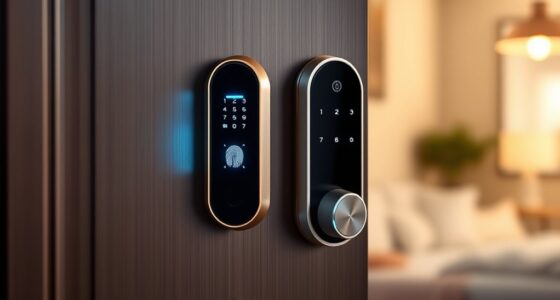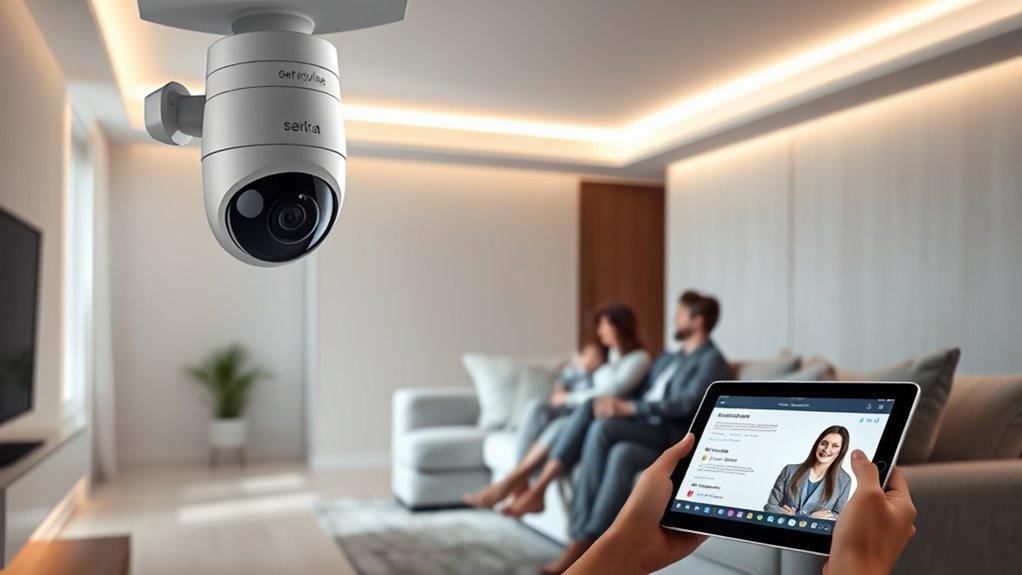

AI-powered home security systems boost your safety by offering real-time threat detection, instant alerts, and remote control through smart devices. They can seamlessly integrate with your existing home tech, saving you money and increasing convenience. However, they pose risks like privacy concerns, hacking, false alarms, and reliance on internet stability. Understanding these benefits and risks helps you make smarter choices—there’s more to discover if you keep exploring.
Key Takeaways
- AI enhances threat detection speed and accuracy, providing real-time alerts and continuous monitoring for improved security.
- Advanced analytics reduce false positives, but reliance on algorithms may lead to missed threats or misidentification.
- Data security measures like encryption and secure networks protect user privacy, yet cyberattack risks remain if vulnerabilities exist.
- User control over data sharing and system access ensures privacy, but improper management can lead to privacy breaches.
- Integration with smart home devices offers convenience and cost savings, while increased connectivity can expand cyberattack surface.

Alarm System for Home Security,24Pcs WiFi+GSM/4G No Monthly Fee Wireless Security System, Phone App Control,Real-Time Alert,Auto Alarm Dial,Compatible with Alexa & Google,No Monthly Fee
Mobile APP Control & Automation:You can choose to use Smart Life or Tuya APP to control the home…
As an affiliate, we earn on qualifying purchases.
As an affiliate, we earn on qualifying purchases.
Enhanced Threat Detection Capabilities
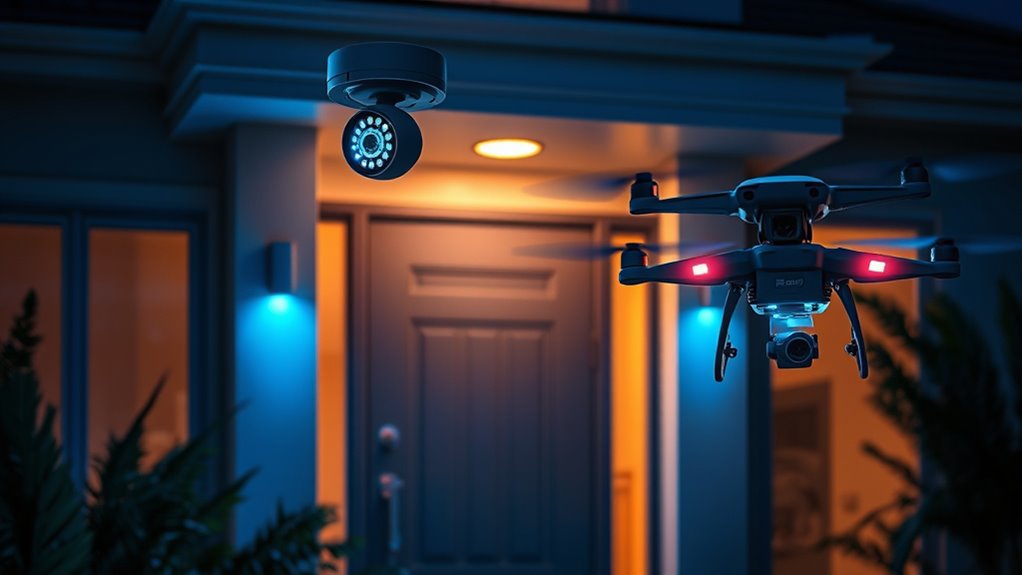
AI-powered home security systems markedly improve threat detection by analyzing vast amounts of data in real-time. They can identify unusual activity faster than traditional systems, helping you respond quickly to potential intruders or hazards. However, AI algorithm biases can sometimes lead to false positives or missed threats, especially if the training data isn’t diverse enough. This can undermine system reliability and public trust in the technology. Additionally, data privacy is a concern, as these systems collect and process sensitive footage and personal information. You need to trust that your security provider handles your data responsibly and keeps it secure. Incorporating advanced analytics can further refine detection accuracy and reduce errors. Regularly updating the AI models and training data can help mitigate algorithm bias, improving overall effectiveness. To ensure system safety, it’s important to understand how these systems are tested and validated before deployment. Implementing continuous monitoring can help identify and correct issues as they arise, enhancing overall security effectiveness.

VIMTAG 2.5K Cameras for Home Security Outdoor/Indoor, Color Night Vision Security Camera for Baby/Pet/Dog/Nanny, Light/Siren, Motion Detection, 2-Way Audio, Work with Alexa, Cloud/Card Storage, 2Pcs
𝐄𝐚𝐬𝐲 𝐒𝐞𝐭𝐮𝐩 𝐈𝐧𝐝𝐨𝐨𝐫/𝐎𝐮𝐭𝐝𝐨𝐨𝐫 𝐂𝐚𝐦𝐞𝐫𝐚 — 2.5K HD video, vibrant color night vision and IP66, ensuring you never miss…
As an affiliate, we earn on qualifying purchases.
As an affiliate, we earn on qualifying purchases.
Real-Time Alerts and Notifications
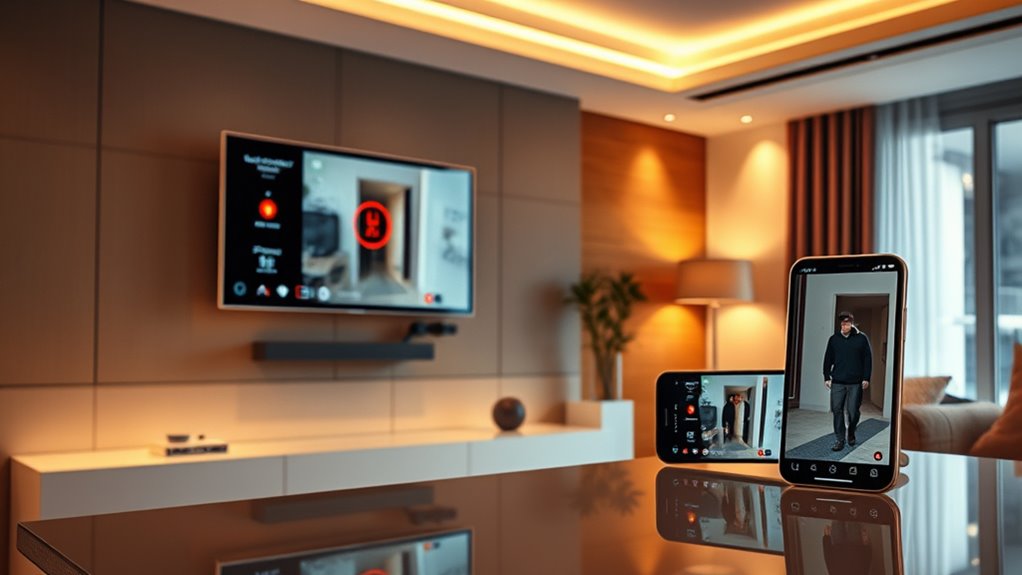
Real-time alerts keep you informed instantly when your security system detects a threat. You can customize alert settings so you only receive notifications that matter most to you. With immediate threat detection, you stay one step ahead of potential intrusions or emergencies. Additionally, integrating local automation can help coordinate responses and enhance overall safety. Leveraging thermal behavior insights from outdoor cooking technology can also improve the system’s ability to differentiate between false alarms and genuine threats. Understanding styling cream applications can assist in designing user-friendly alert interfaces for diverse users. Monitoring environmental cues like animal tracks or movement patterns can further enhance threat assessment accuracy. Incorporating sensor calibration helps maintain alert accuracy over time, reducing false positives and ensuring reliable notifications.
Immediate Threat Detection
When a threat is detected, immediate alerts guarantee you’re quickly informed, allowing you to respond before a situation escalates. AI-powered systems analyze data instantly, providing real-time notifications for events like intrusions or suspicious activity. However, false positives can occur, causing unnecessary alerts and potential alarm fatigue. Additionally, rapid detection heightens concerns about privacy breaches, as sensitive footage might be shared or misused. To minimize these risks, it’s crucial to have accurate detection algorithms and secure data handling protocols. Staying informed about sensor placement and heat distribution can also improve detection accuracy and reduce false positives, especially when considering network infrastructure and data security protocols. Ensuring your system employs trustworthy guidance and adheres to privacy standards is essential for reliable and secure operation. Regular system updates and maintenance further help in keeping the detection capabilities sharp and trustworthy.
Customizable Alert Settings
Customizable alert settings empower you to tailor notifications based on your preferences and specific security needs. With user customization, you decide which events trigger alerts and how you receive them—whether via text, email, or app notifications. Privacy settings let you control who gets access to these alerts, ensuring sensitive information stays secure. You can set different levels of alerts for various activities, such as motion detection or door openings, so you’re only notified about what matters most. This customization helps prevent alert fatigue and ensures you stay informed without becoming overwhelmed. Incorporating market research and advanced analytics further enhances the system’s ability to distinguish between normal activity and potential threats, increasing your security confidence. Properly configuring user-friendly interfaces further simplifies managing alert settings, making customization accessible for all users. Additionally, Navigation and mapping features also enhance the system’s ability to distinguish between normal activity and potential threats, increasing your security confidence. Incorporating a comprehensive understanding of user behavior can further optimize alert accuracy and reduce false alarms.

Ring Alarm 14-Piece Kit (newest model), Wireless smart home or business security system, expandable, easy setup, Mobile App Control, 24/7 Professional Monitoring, Alexa Compatible
A great fit for 2-4 bedroom homes, this Alarm Kit includes one Base Station, two Keypads, eight Contact…
As an affiliate, we earn on qualifying purchases.
As an affiliate, we earn on qualifying purchases.
Remote Monitoring and Control
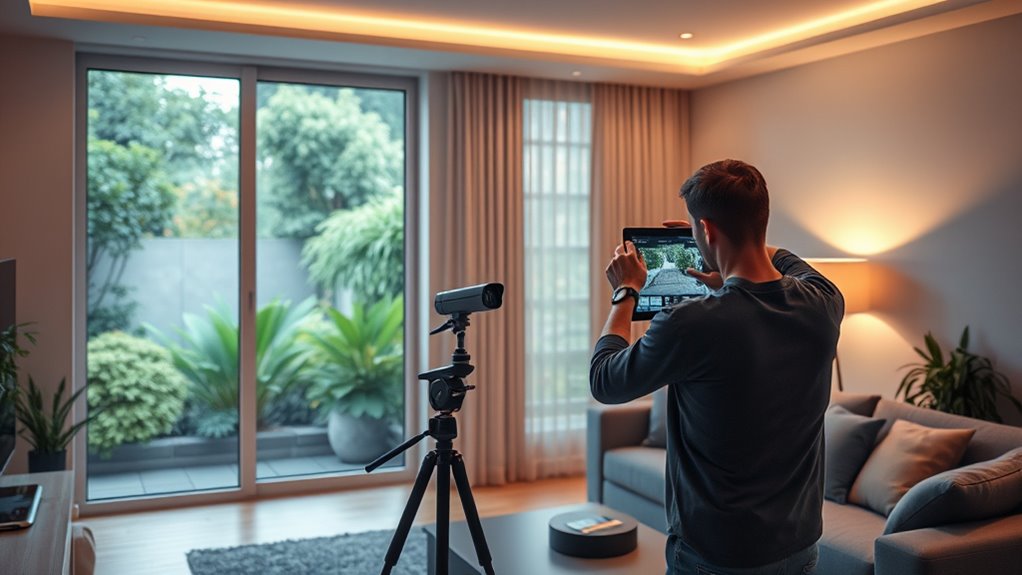
With remote monitoring and control, you can access your security system anytime, anywhere, through 24/7 surveillance. Using your mobile app, you manage cameras, locks, and alarms at your convenience. Instant alert notifications keep you informed of any activity, so you’re always in the loop. Additionally, understanding home wiring and safety features can help you better evaluate the security system’s reliability and integration. Familiarity with smart appliance connectivity can also enhance your ability to integrate security with other modern home systems for seamless control. Considering the importance of system quality ensures your security setup remains dependable and effective. Moreover, reviewing vacuum features to consider can offer insights into selecting reliable and efficient home devices, contributing to overall safety and convenience. Recognizing security system components can further help in assessing the robustness and comprehensiveness of your setup.
24/7 Surveillance Access
Remote monitoring and control are key features of AI-powered home security systems, allowing you to access live footage and manage cameras from anywhere. With surveillance access, you can check your property in real-time, giving you peace of mind. However, this convenience raises concerns about user privacy, as continuous data transmission can expose sensitive information. You need to be aware of who has access to your footage and how it’s stored or shared. Proper security protocols, like encrypted connections and strong authentication, are essential to protect your privacy. While remote control enhances security by enabling quick responses to incidents, it also requires vigilance to guarantee your surveillance access isn’t compromised. Balancing convenience with privacy safeguards is critical for a safe and effective home security setup.
Mobile App Management
Mobile app management puts you in full control of your home security system, allowing you to monitor live footage and adjust settings from anywhere. This convenience means you can check your home’s status on the go, ensuring peace of mind. However, it’s crucial to prioritize user privacy, as sensitive data transmitted through the app must be protected. Reputable systems employ data encryption to secure your information from unauthorized access. Be cautious about granting app permissions and regularly update the software to fix vulnerabilities. With robust security measures in place, mobile app management provides seamless remote control while safeguarding your privacy. Remember, staying vigilant about data security is essential to fully benefit from the convenience of remote monitoring without exposing yourself to potential risks.
Instant Alert Notifications
Have you ever missed an important event at home because you weren’t alerted in time? Instant alert notifications keep you connected through remote monitoring and control, so you never miss a critical moment. When sensors are well-calibrated, alerts are accurate and timely, reducing false alarms. The user interface of your security system should be intuitive, allowing quick access to live feeds and alerts.
| Peace of Mind | Stress & Anxiety |
|---|---|
| Always informed | Worry-free nights |
| Quick response | Reduced panic |
| Real-time alerts | Confidence in safety |
| Remote control | Less uncertainty |
| Easy navigation | Comfort at home |
With instant notifications, you stay in control, ensuring your home’s safety at all times.

ANSQUE Security Cameras Wireless Outdoor Home System, 4 Camera Kit, No Subscription Fees, Solar Powered, Local Storage, 365-Day Battery Life, 360°PTZ Surveillance, Auto Tracking, 2K Color Night Vision
No Subscription Fees, Secure Local Storage: AnsqueBase features built-in 32GB local storage with up to 120 days of…
As an affiliate, we earn on qualifying purchases.
As an affiliate, we earn on qualifying purchases.
Integration With Smart Home Devices
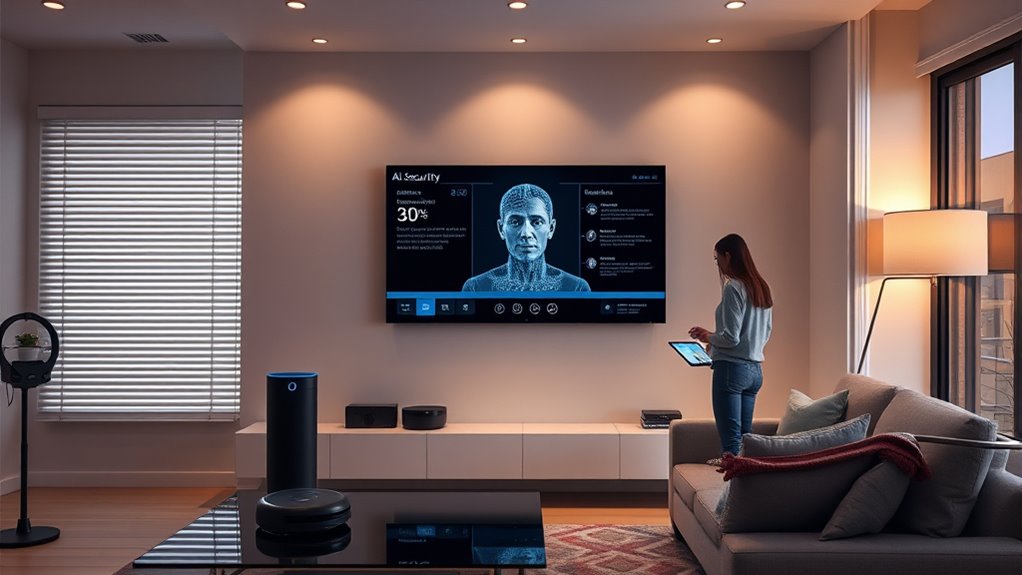
Integrating AI-powered home security systems with smart home devices enhances convenience and efficiency by creating a seamless, interconnected environment. You can control cameras, locks, and alarms through a single platform, streamlining your daily routines. Voice recognition allows you to arm or disarm the system effortlessly, simply by speaking commands. This integration also improves energy efficiency; for example, security systems can work with smart thermostats to adjust heating or cooling when you’re away. You’ll appreciate how these devices communicate automatically, reducing manual adjustments and saving time. With everything connected, you gain better control and situational awareness, making your home safer and more responsive to your needs. This cohesive setup maximizes the benefits of AI, elevating your home security experience.
Cost-Effectiveness and Long-Term Savings
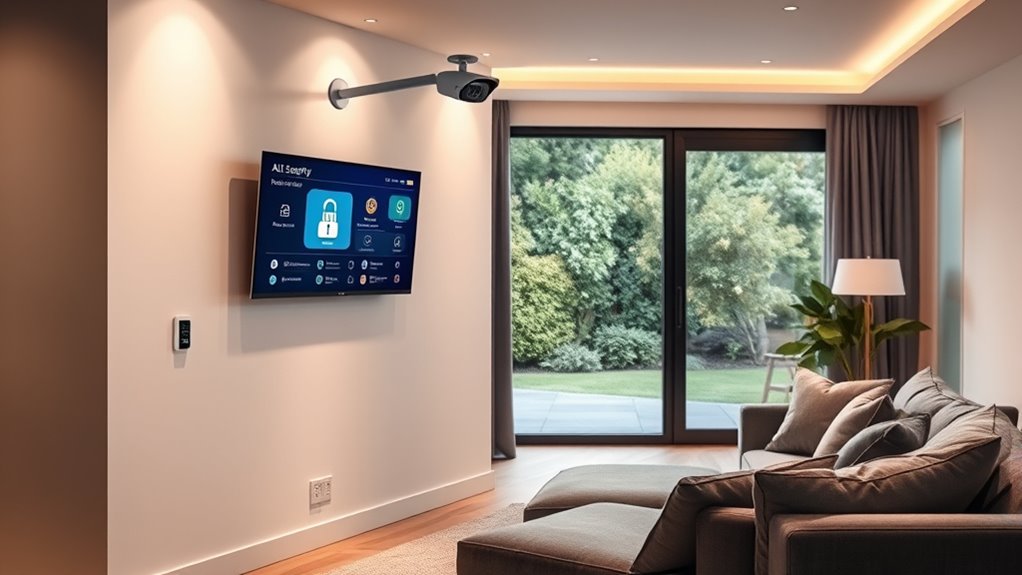
AI-powered security systems can be a smart investment by helping you save money over time. They reduce maintenance costs through automated updates and alerts, minimizing the need for frequent repairs. Ultimately, these features can lead to significant long-term savings while keeping your home secure.
Smart Investment Savings
Investing in a home security system powered by AI can save you money over time by reducing insurance premiums and preventing costly burglaries. These systems enhance your home’s energy efficiency, lowering utility bills and adding to your savings. Here’s how:
- Lower home insurance costs as AI security reduces risk, leading to discounts.
- Prevent burglaries, avoiding expenses associated with theft or property damage.
- Optimize energy use through smart monitoring, cutting energy bills.
- Minimize maintenance costs by detecting issues early, extending equipment lifespan.
Reduced Maintenance Costs
By reducing the risk of theft and damage through advanced monitoring, AI security systems also help lower maintenance costs in the long run. These systems are designed with energy efficiency in mind, consuming less power and reducing your utility bills. Their user-friendliness means you can easily manage and troubleshoot issues yourself, minimizing costly technician visits. Automated alerts notify you of potential problems early, preventing costly repairs or replacements later. Over time, the durability of AI components reduces the need for frequent upgrades. Additionally, smart systems optimize energy use, like adjusting lighting or climate control, which further cuts costs. Overall, investing in AI-powered security offers significant savings by enhancing system longevity, reducing energy consumption, and simplifying maintenance tasks.
Privacy Concerns and Data Security
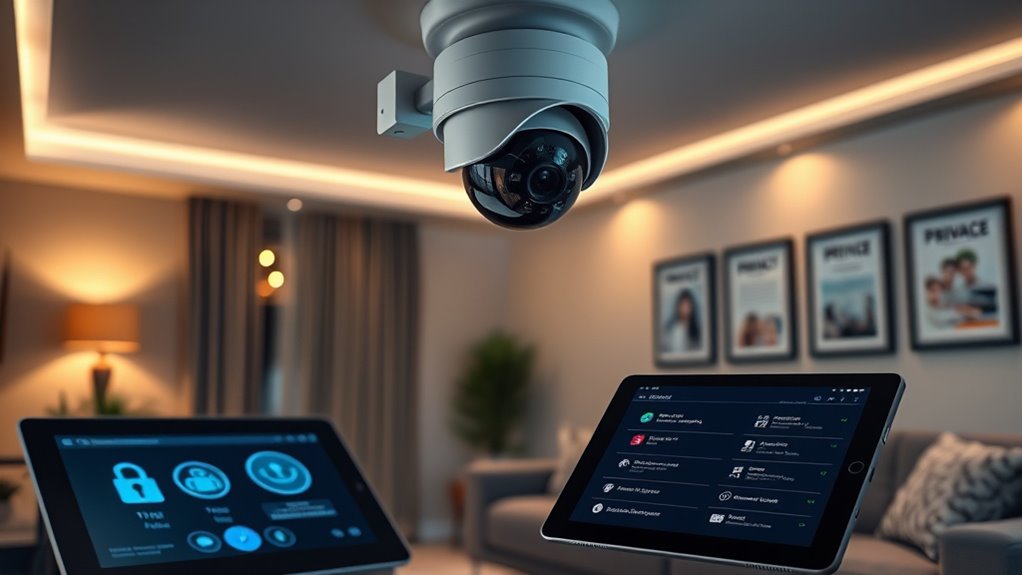
How secure is your personal data when your home security system is connected to advanced AI technology? Data security is a crucial concern. You need to guarantee your information stays protected through:
- Implementing strong data encryption to prevent unauthorized access.
- Setting strict access control to limit who can view or modify your data.
- Regularly updating your system’s software to patch vulnerabilities.
- Choosing providers with transparent privacy policies and secure data handling practices.
While AI offers convenience, it also raises concerns about data privacy. Staying vigilant about encryption standards and access controls helps minimize risks, giving you peace of mind that your personal information remains safe from misuse.
Vulnerability to Cyberattacks

While AI-powered home security systems offer advanced monitoring capabilities, they can also become targets for cyberattacks if not properly protected. Cybersecurity vulnerabilities in these systems expose you to hacking risks, where malicious actors might gain unauthorized access. Hackers could manipulate data, disable alarms, or even control cameras remotely. Weak passwords, outdated software, and unsecured Wi-Fi networks increase the likelihood of breaches. Once compromised, your entire security setup could be rendered ineffective, leaving your home vulnerable. To minimize these risks, it’s essential to implement strong encryption, update firmware regularly, and use robust authentication methods. Recognizing these cybersecurity vulnerabilities helps you stay vigilant and better protect your home from potential cyber threats.
Dependence on Internet Connectivity

AI-powered home security systems rely heavily on a stable internet connection to function effectively. Without it, your system’s offline functionality becomes limited, risking missed alerts or delayed responses. Here’s what you need to consider:
- If the internet drops, some features may stop working temporarily.
- Local storage can help you save footage locally when online access is unavailable.
- Relying solely on cloud storage means losing access during internet outages.
- Investing in backup internet options can ensure continuous monitoring.
While many systems include local storage, it’s vital to understand that offline functionality may be restricted during connectivity issues. Your system’s effectiveness depends on maintaining a reliable internet connection for real-time alerts and remote access.
Potential for False Alarms and Errors
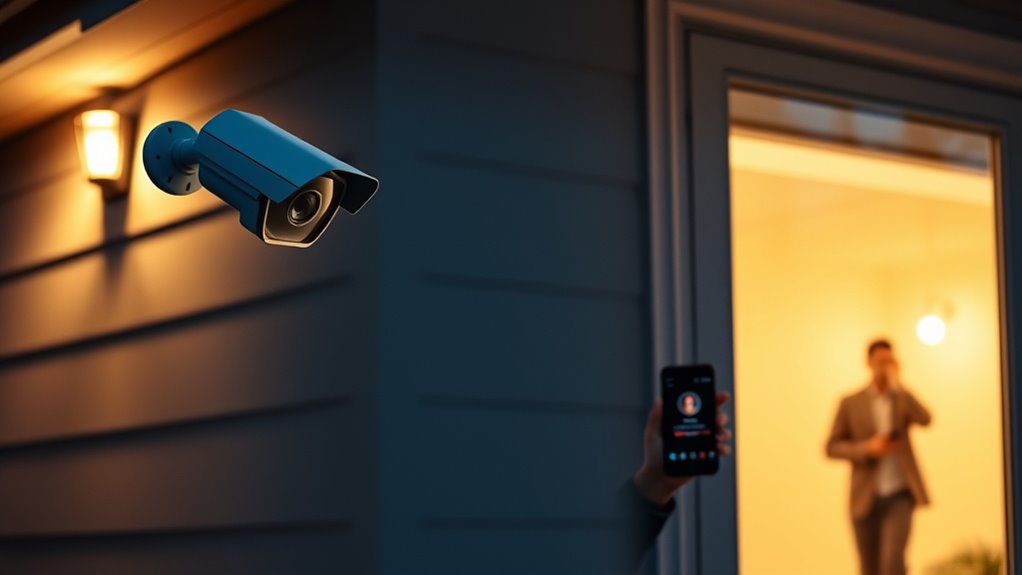
Despite their advanced capabilities, AI-powered home security systems can sometimes generate false alarms or errors, which can be frustrating and disruptive. System malfunctions or misinterpretations of sensor data may lead to false positives, triggering alerts when there’s no real threat. These false alarms can cause unnecessary panic, disturb your peace, and even lead to costly responses from emergency services. Errors may also occur if the AI misreads movements or objects, especially in complex environments. While the technology improves, it’s important to stay aware of its limitations. Regular maintenance, calibration, and updates can help reduce false positives, but the potential for errors remains a concern. Recognizing this risk allows you to balance AI’s benefits with its current imperfections, ensuring better security management.
Ethical Considerations and User Consent
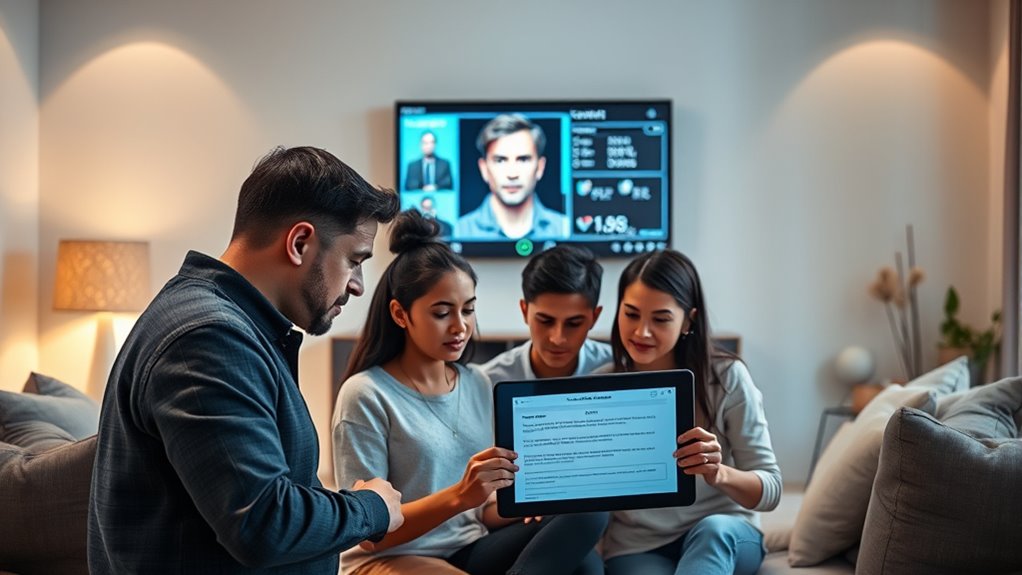
As you adopt AI-powered home security systems, considering ethical issues and user consent becomes essential. You should guarantee that you provide clear information about how your data is collected and used. Here are four key points to keep in mind:
- Informed consent: Always understand what you’re agreeing to before installing the system.
- Privacy rights: Know how your data is protected and who has access.
- Ethical data handling: Ensure your data is stored securely and used responsibly.
- Transparency: Seek systems that openly communicate their data practices.
Frequently Asked Questions
How Do AI Security Systems Adapt to Evolving Threats Over Time?
AI security systems adapt to evolving threats through machine learning, continuously analyzing new data to identify patterns and anomalies. You’ll notice they update their threat adaptation strategies automatically, improving detection and response over time. As new threats emerge, the system learns from previous incidents, refining its algorithms without manual intervention. This proactive approach helps keep your home safer by staying ahead of cyber and physical intrusion techniques.
What Are the Legal Implications of AI Surveillance in Private Homes?
You face legal privacy concerns when installing AI surveillance in your home, balancing security with privacy rights. While surveillance regulations aim to protect you from misuse, they can also restrict your control over data. Laws vary by region, so understanding local regulations helps you avoid legal risks. You must navigate these legal implications carefully to ensure your home security system complies with privacy laws without infringing on personal freedoms.
Can AI Systems Distinguish Between Residents and Intruders Accurately?
AI systems can distinguish between residents and intruders with increasing accuracy through facial recognition and behavior analysis. They analyze facial features to identify familiar faces and monitor behavior patterns to detect suspicious activity. While these technologies improve detection, they aren’t foolproof—errors can occur, especially with poor lighting or facial obstructions. You should understand that no system guarantees 100% accuracy, so combining AI with human oversight remains essential.
How Do Companies Handle Data Breaches Involving Home Security Footage?
When a data breach happens, companies act quickly to protect your footage. They use data encryption to secure your information and prevent unauthorized access. If a breach occurs, they follow breach notification laws, informing you promptly about what happened and the steps to protect your privacy. They also often offer steps like changing passwords or enhancing security measures to reduce future risks.
What Are the Potential Privacy Trade-Offs of Continuous AI Monitoring?
You might face privacy trade-offs with continuous AI monitoring because it involves extensive data collection, which could reveal sensitive personal details. While AI systems improve security, they often operate without explicit user consent for every data use, raising concerns about surveillance. You need to be aware that your privacy could be compromised if data collection isn’t transparent or if you haven’t fully understood how your information is being used and stored.
Conclusion
So, you get to enjoy premier security, real-time alerts, and seamless smart home integration—just don’t forget, your AI watchdog might mistake your cat for a burglar or get hacked itself. While saving money sounds great, remember that relying on internet-connected gadgets means risking cyberattacks and false alarms. Ultimately, embracing AI security is like trusting a robot with your keys—exciting, but maybe keep a backup plan just in case your digital guard decides to take a coffee break.