
The new Matter standard transforms your smart home experience by creating a universal language that guarantees devices from different brands can work together smoothly. It simplifies setup, reduces compatibility worries, and enhances security using reliable IP technology, while allowing local automation for faster responses. With more devices becoming compatible, your smart home becomes more flexible and easier to manage. If you want to discover how this standard makes your devices smarter and more connected, keep exploring.
Key Takeaways
- Matter creates a universal communication standard, enabling devices from different brands to work seamlessly together.
- It reduces the need for multiple apps and compatibility worries in smart home setups.
- Built on reliable IP technology, ensuring secure and consistent device connections.
- Simplifies device setup and future-proofing, encouraging broader manufacturer adoption.
- Enhances security and local automation, offering faster, private, and dependable smart home interactions.
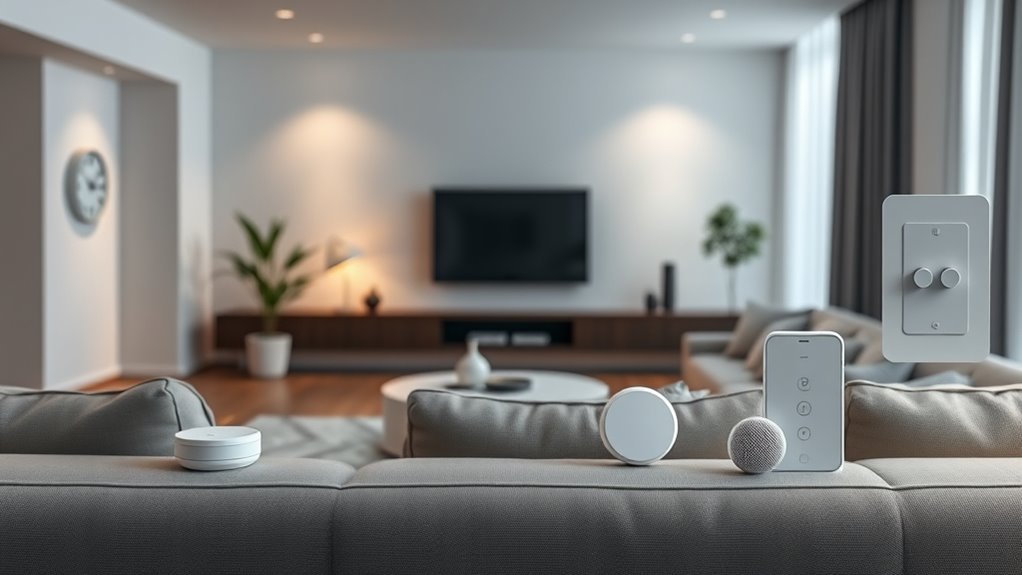
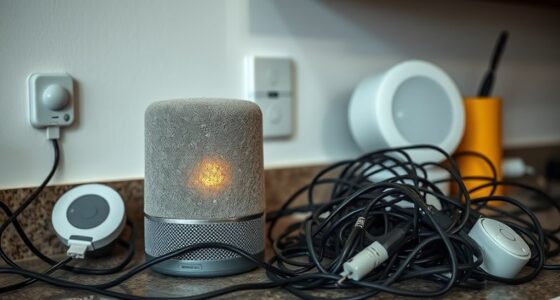
Have you noticed how our world is transforming with the arrival of a new era in technology? It’s happening now with Matter, the new smart home standard that’s changing how your devices work together. No more juggling multiple apps or worrying if your gadgets will play nicely. Matter aims to create a universal language for smart devices, making your life simpler and more seamless. This new standard is designed to unify the smart home ecosystem, allowing devices from different brands to connect and communicate effortlessly. If you’ve ever experienced frustration when a device didn’t work with your existing setup, you’ll appreciate how Matter tackles that problem head-on. It’s built on proven technology like IP (Internet Protocol), which is the backbone of the internet, ensuring reliable and secure connections. With Matter, your smart home devices—lights, locks, thermostats, sensors—can all work together without compatibility issues. Imagine walking into a room, and your smart lights turn on automatically because your motion sensor and lighting system are now speaking the same language. That’s the kind of convenience Matter promises to deliver, transforming the way you interact with your home environment.
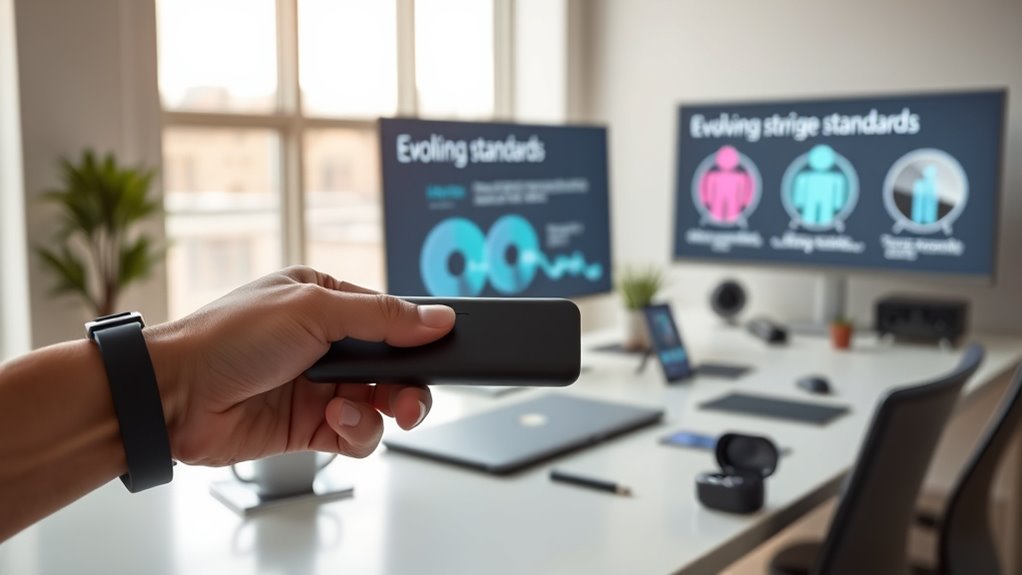
One of the biggest advantages of Matter is its focus on ease of use. Setting up new devices becomes faster and less frustrating because you don’t need to worry about whether they’ll be compatible. Manufacturers are adopting this standard rapidly, meaning your existing devices will likely be future-proof. Plus, because Matter is an open-source standard, it encourages innovation and competition among brands, which should lead to better products and more competitive prices for you. As more devices support Matter, your options will expand, giving you more control and flexibility over your smart home setup. It also emphasizes security, so your data and device controls stay protected as your ecosystem grows. Connectivity becomes more reliable since devices communicate over your Wi-Fi or Thread networks—both designed to handle smart home traffic efficiently. Additionally, local automation capabilities are enhanced, allowing for faster response times and increased privacy by processing commands directly within your home network.
In essence, Matter is here to make your smart home experience more unified and dependable. It reduces the complexity of managing multiple platforms and gives you confidence that your devices will work together smoothly. As the standard gains momentum, you’ll find it easier to expand your smart home with new products, knowing they’ll integrate seamlessly. This shift not only benefits consumers like you but also pushes manufacturers to produce smarter, more compatible devices. The future of connected living is becoming clearer and more accessible, thanks to Matter. It’s a game-changer, making your smart home smarter, simpler, and more secure—making your everyday routines more streamlined and enjoyable.
Frequently Asked Questions
Will Older Devices Be Compatible With Matter?
Older devices may not be compatible with Matter right away. You’ll need to verify if your device’s manufacturer has released updates or firmware that support the new standard. Some devices might require a bridge or hub to work with Matter, so it’s a good idea to review compatibility details before upgrading. Keep an eye on announcements from your device makers to ensure seamless integration as the ecosystem evolves.
How Does Matter Improve Device Security?
Like a sturdy lock safeguarding your home, Matter enhances device security by using robust encryption and secure communication protocols. It guarantees that your devices verify each other before sharing data, preventing hacking attempts. You’ll notice fewer vulnerabilities, as updates are streamlined and standardized across devices. This creates a safer smart home environment, giving you peace of mind knowing your personal information and devices are protected with cutting-edge security measures.
Are There Any Additional Costs for Adopting Matter?
You might face some initial costs when adopting Matter, like upgrading your existing devices or investing in new compatible ones. While there may be expenses for hardware updates or new products, these costs often balance out over time due to easier device management and improved security. Keep in mind that as the standard becomes more widespread, prices are expected to decrease, making adoption more affordable for everyone.
Can Third-Party Accessories Work With Matter Devices?
Imagine a world where your accessories seamlessly blend with your smart devices—yes, third-party accessories can work with Matter devices. The standard’s goal is universal compatibility, so third-party products designed to meet Matter’s specifications should connect effortlessly. You’ll find a broader range of compatible accessories, making your smart home more flexible. Just verify they’re certified for Matter to guarantee smooth operation and avoid any compatibility hiccups.
What Is the Timeline for Widespread Matter Adoption?
Widespread Matter adoption is expected to happen over the next year or two. Major manufacturers are already integrating the standard into new devices, with many products launching in late 2023 and 2024. As more companies adopt Matter, you’ll see increased compatibility across smart home gadgets. Keep an eye on updates from brands you trust, and you’ll soon enjoy a more seamless, interconnected smart home experience.
Conclusion
As you embrace Matter, you’re stepping into a new era where your devices dance together seamlessly. Think of it as a universal language that unites your smart home, making everything work in harmony like a well-choreographed ballet. This standard isn’t just a change; it’s a revolution that simplifies your life and eliminates the hassle of compatibility issues. Get ready to discover the true potential of your smart devices—your home’s future is brighter and more connected than ever.