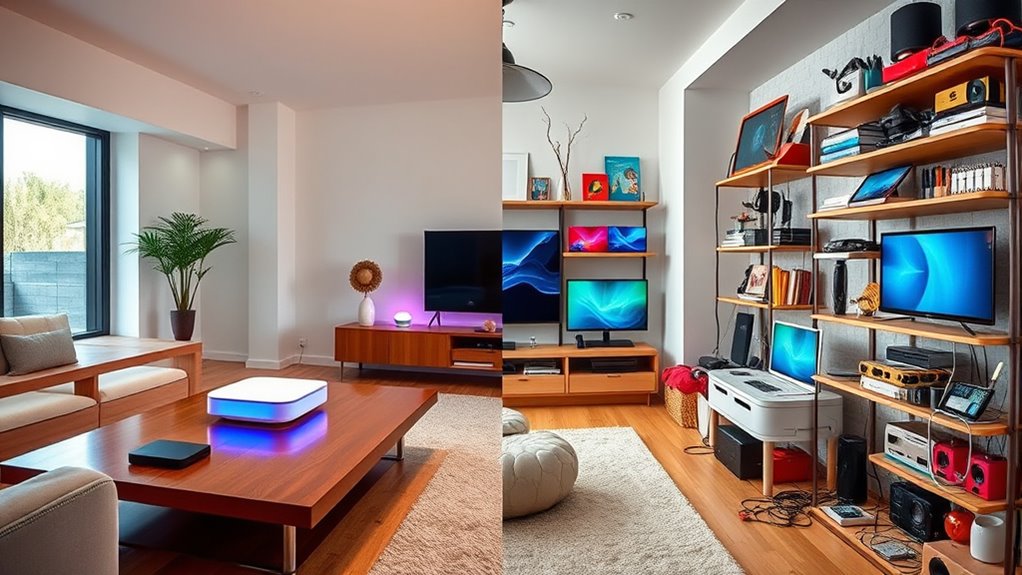

Choosing a single ecosystem offers seamless device integration, easier management, and potentially lower costs, especially if you prefer voice control and streamlined updates. A mix-and-match approach gives you flexibility to select devices from different brands and customize your smart home to fit your style and needs. However, it can lead to compatibility issues and higher expenses. To make the best choice for your home, consider your priorities and future expansion plans—you’ll discover more options to personalize your setup ahead.
Key Takeaways
- Single ecosystems offer seamless integration, easier control, and streamlined updates, reducing compatibility issues overall.
- Mix-and-match setups provide greater customization and device flexibility but may encounter interoperability challenges.
- Consider your budget and future expansion needs when choosing between unified or diverse device ecosystems.
- Compatibility with existing devices and preferred control methods influence the best path for your smart home.
- Evaluate ecosystem scalability and manufacturer support to ensure your setup can grow and adapt over time.
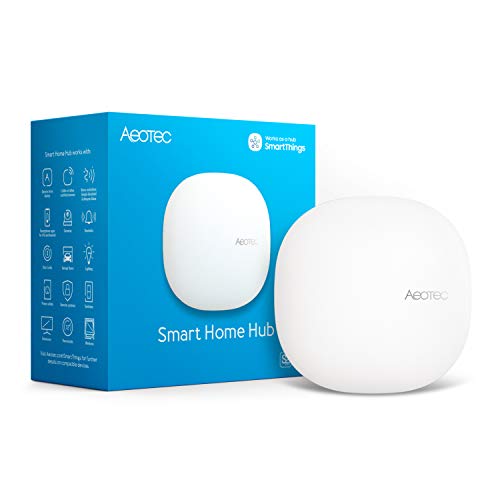
Aeotec Smart Home Hub, Works as a SmartThings Hub, Z-Wave, Zigbee, Matter Gateway, Compatible with Alexa, Google Assistant, WiFi
Connect & control your smart home — Easily link thousands of compatible devices from leading brands to create…
As an affiliate, we earn on qualifying purchases.
As an affiliate, we earn on qualifying purchases.
Understanding the Benefits of a Unified System
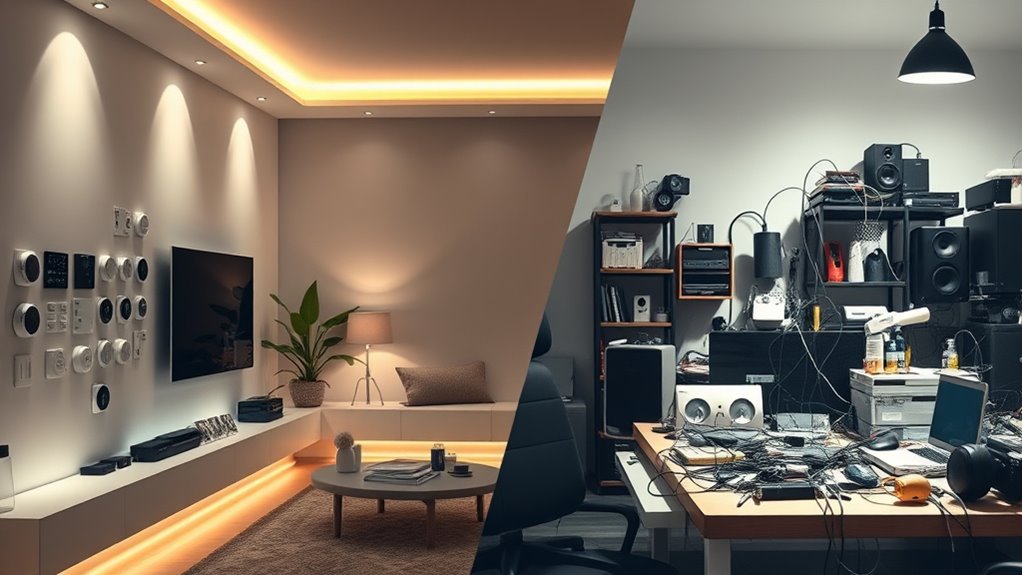
A unified smart home system offers significant advantages by seamlessly connecting your devices and simplifying control. With a single ecosystem, you can easily manage everything through voice control, making daily routines more convenient. Instead of juggling multiple apps, you issue commands like “turn on the lights” or “set the thermostat,” and the system responds instantly. Security features are also enhanced, as integrated systems provide extensive monitoring and alerts, ensuring your home stays safe. This setup reduces compatibility issues, so all devices work harmoniously without fuss. Plus, a unified system streamlines updates and maintenance, saving you time and effort. Additionally, local automation can improve response times and privacy by processing commands directly within your home network. This approach leverages European cloud innovation, ensuring your data remains secure while benefiting from energy-efficient cloud infrastructure. Implementing a single ecosystem minimizes the need for multiple control points, further enhancing ease of use. Moreover, interoperability standards facilitate smoother integration of devices from different brands, making your smart home more adaptable. Overall, it creates a cohesive, user-friendly environment that makes managing your smart home more intuitive and secure.

OREiN Matter Smart Light Bulb, Smart Light Bulbs Work with Apple Home, Alexa, Google Home, SmartThings, A19 Color Changing Light Bulbs 2.4Ghz WiFi, 800 Lumens Equivalent 60W 4Pack
【Note】Please ensure the bulb fits your lamp before buying to avoid trouble. It supports only 2.4Ghz WiFi, not…
As an affiliate, we earn on qualifying purchases.
As an affiliate, we earn on qualifying purchases.
The Advantages of a Mix-and-Match Setup

A mix-and-match setup lets you choose devices from different brands, giving you more flexibility in building your smart home. This approach also offers greater customization, so you can tailor your system to fit your specific needs. By combining various devices, you get a more versatile and personalized smart home experience. Additionally, understanding networking hardware is essential to ensure compatibility and reliable performance across your diverse devices.
Flexibility in Device Choice
Opting for a mix-and-match setup in your smart home gives you the freedom to choose devices that best fit your needs and preferences. You can select products that excel in voice control, allowing you to operate your devices hands-free and customize commands to suit your routines. This flexibility also enables you to prioritize energy efficiency, choosing smart gadgets that optimize power consumption and reduce costs. With a mix-and-match approach, you’re not limited to a single brand or ecosystem, so you can pick the most compatible devices based on features, price, and performance. This personalized setup guarantees your smart home is tailored to your lifestyle, offering both convenience and sustainability without sacrificing compatibility. Additionally, embracing Free Floating technology can help create a more adaptable and seamless integration of your smart devices.
Enhanced Customization Options
By choosing a mix-and-match setup, you open a world of customization options that let you tailor your smart home to your exact preferences. This flexibility allows you to select devices that fit your aesthetic appeal and enhance your voice control experience. With this approach, you can:
- Combine devices from different brands to match your interior design, creating a cohesive look.
- Customize voice control systems to suit your preferred assistant, improving usability.
- Integrate unique sensors and gadgets that address specific needs, elevating your home’s functionality.
This level of personalization guarantees your smart home reflects your style while delivering seamless control. A mix-and-match setup empowers you to craft a space that’s both visually appealing and intuitively manageable.

Smart Home Starter Kit | Includes Echo Hub, Amazon Smart Plug and 4 Amazon Basics Smart Bulbs, Designed for Alexa+
Getting started with smart home has never been easier – An all-in-one kit with a quick guided setup…
As an affiliate, we earn on qualifying purchases.
As an affiliate, we earn on qualifying purchases.
Compatibility and Integration Challenges

When setting up your smart home, you might encounter device compatibility limits that prevent certain gadgets from working together. Integration complexity can also make connecting different systems more difficult than expected. Additionally, software ecosystem variability means some devices won’t sync smoothly, causing frustration and extra setup time. Being aware of technology compatibility issues can help you plan a more seamless smart home experience. Understanding interoperability standards can also facilitate smoother integration across various devices and platforms. Recognizing potential hardware limitations early on can prevent compatibility conflicts down the line. Moreover, considering future expansion possibilities can save you from costly upgrades later.
Device Compatibility Limits
Device compatibility remains a significant hurdle in building a seamless smart home ecosystem. Brand restrictions and regional limitations often block your plans, making it difficult to mix devices from different manufacturers. You might find that:
- Certain brands only support their own products, limiting your options.
- Regional restrictions prevent some devices from functioning outside specific areas.
- Firmware updates or regional laws can further restrict compatibility, forcing you to stick with a single brand or region.
These limits can frustrate your efforts to create a flexible, integrated smart home. You’ll need to research each device’s compatibility carefully, considering brand policies and regional restrictions before making your purchase. This way, you avoid ending up with unusable or incompatible gadgets.
Integration Complexity Hurdles
Integrating different smart home devices often feels like assembling a complex puzzle, where each piece must fit perfectly to create a cohesive system. Hardware limitations can restrict compatibility, causing frustrations or requiring additional hubs. These hurdles directly impact your user experience, making setup and daily use less seamless. Compatibility issues may force you to compromise or invest in extra equipment, complicating your ecosystem. Additionally, the Gold IRA market demonstrates how industry standards and transparent practices can foster trust and simplify decision-making for investors. Navigating these hurdles means understanding your devices’ hardware constraints and the potential impact on your comfort and convenience. A clear plan helps prevent costly mistakes and ascertains smoother integration.
Software Ecosystem Variability
Software ecosystem variability can pose significant compatibility and integration challenges, especially as different smart home platforms and apps often don’t work seamlessly together. When relying on voice control, you may encounter inconsistent device responses or limited functionality across ecosystems. Additionally, data privacy becomes a concern when integrating multiple systems, as sensitive information might be shared or mishandled. To navigate these issues, consider:
- Selecting ecosystems with proven interoperability to minimize setup headaches.
- Prioritizing platforms that emphasize robust security measures for data privacy.
- Ensuring voice control commands are universally supported to maintain consistent user experience.
Balancing these factors helps you create a cohesive smart home without sacrificing privacy or convenience, despite inherent ecosystem variability.

Linkind Smart Light Bulbs, Smart Bulb That Work with Alexa & Google Home, LED Light Bulbs Color Changing, 104 Preset Scene, Music Sync, A19 E26 2.4GHz RGBTW WiFi Bluetooth Light Bulb 60W, 800LM, 4Pack
【Alexa & Google Home Voice Control: Hands-Free Convenience】As smart bulbs that work with Alexa & Google Home, it…
As an affiliate, we earn on qualifying purchases.
As an affiliate, we earn on qualifying purchases.
Cost Considerations and Budgeting

Considering the various components involved in building a smart home ecosystem, budgeting becomes a crucial step to guarantee you get the features you want without overspending. Effective budget planning helps you prioritize essential devices and avoid unnecessary expenses. Keep in mind that opting for a single ecosystem may offer cost savings through compatibility and streamlined setup, but it might limit your options. Additionally, understanding the device integration capabilities can help you avoid costly replacements or adjustments later on. Being aware of affiliate relationships can also inform your purchasing choices, as some products may be recommended through affiliate links. Moreover, evaluating the essential oils you might need for home health benefits can help you allocate funds for wellness products that support your lifestyle. Conversely, a mix-and-match approach could lead to higher costs due to compatibility issues or duplicate devices. Weigh these cost trade-offs carefully, ensuring your spending aligns with your priorities. Setting a clear budget from the start allows you to make smarter decisions, preventing overspending while still achieving your desired smart home experience.
Customization and Personalization Options
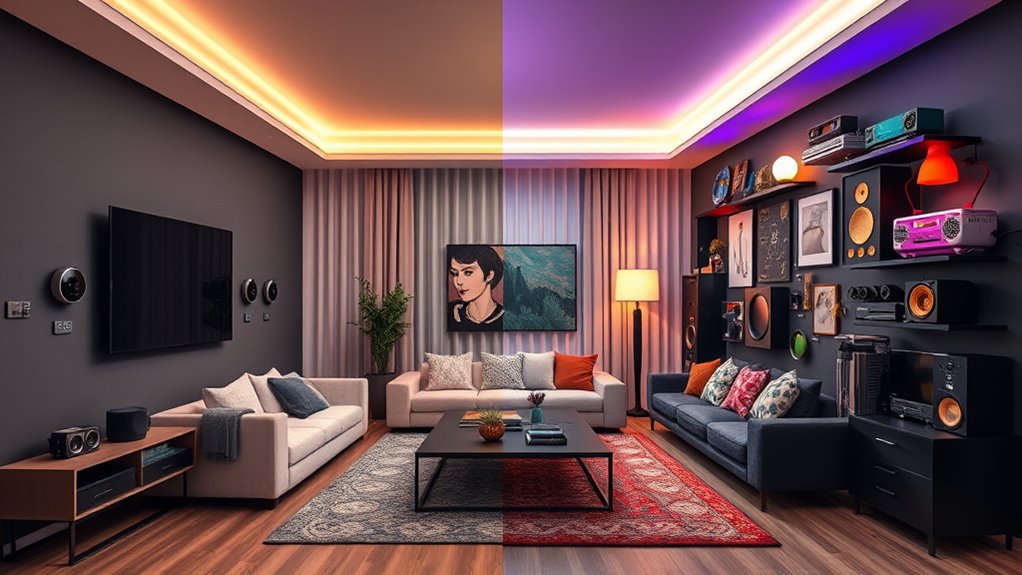
Have you ever wanted a smart home that truly reflects your lifestyle and preferences? Customization and personalization options make that possible. With voice command integration, you can tailor your device interactions to suit your routines. When choosing a system, consider these key factors:
- Compatibility with various devices to enhance aesthetic design and ensure seamless operation.
- Flexibility in setting personalized routines and scenes that match your daily habits.
- Customizable interfaces that allow you to modify how information is displayed and interacted with.
- Incorporating safe installation practices ensures that your smart home setup remains secure and reliable. Additionally, understanding market trends and insights can help you make informed decisions about your smart home ecosystem. Emphasizing interoperability can further expand your system’s capabilities and adaptability over time. Recognizing the role of media in shaping perceptions can aid in understanding ongoing innovations and public expectations in smart home technology. Staying informed about automotive repair basics can also inspire innovative ways to maintain and troubleshoot your smart home devices.
Making the Right Choice for Your Home
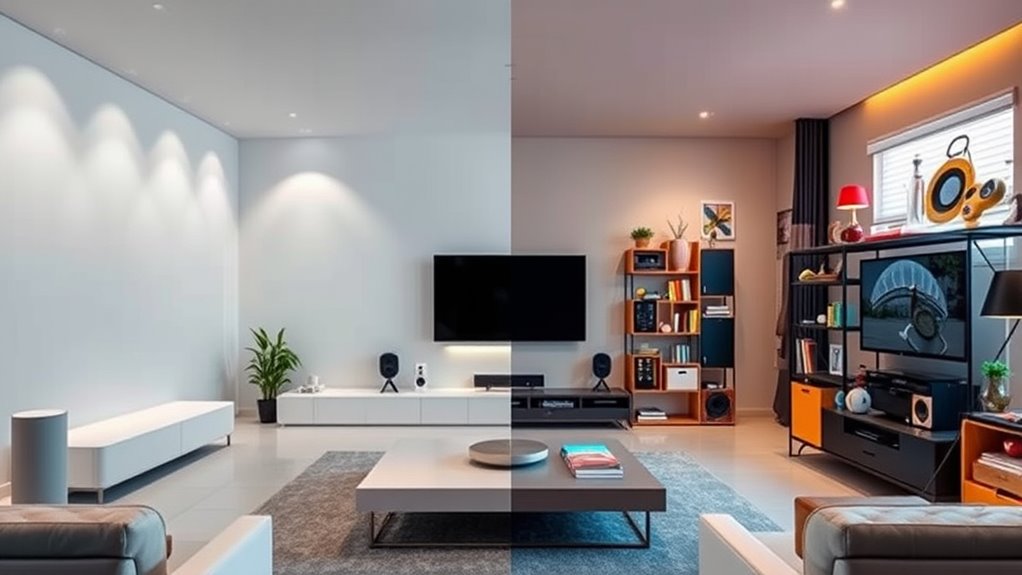
Choosing the right smart home ecosystem involves evaluating your specific needs, budget, and existing devices to guarantee seamless integration. Consider how you prefer to control your devices—whether through voice command or a user interface. If voice control is essential, ensure the ecosystem supports your preferred voice assistant for effortless commands. The user interface should be intuitive, making daily interactions simple and quick. Think about your current devices and how well they’ll work within the ecosystem. Mixing brands might save money but can complicate control and compatibility. On the other hand, a single ecosystem offers streamlined management and fewer integration issues. Additionally, understanding device compatibility can help prevent future frustrations and ensure all your smart devices work together smoothly. It’s also helpful to assess the ecosystem’s scalability, so your setup can grow with your needs over time. Considering the benefits of coaching and mentoring, such as tailored guidance, can enhance your setup and usage experience. Being aware of interoperability standards can further support seamless device communication and reduce setup headaches. Moreover, researching manufacturer support can provide valuable assistance when troubleshooting or expanding your system. Ultimately, prioritize your comfort and convenience to select a setup that enhances your home without frustration.
Frequently Asked Questions
How Do Updates Differ Between Single Ecosystem and Mix-And-Match Setups?
Updates in a single ecosystem are usually seamless, ensuring firmware consistency and smooth app integration across all devices. You get synchronized updates that keep everything working harmoniously. In a mix-and-match setup, updates may vary by manufacturer, leading to potential discrepancies in firmware versions and app compatibility. This can require more manual management, making it trickier to maintain uniform performance and integration across your smart home devices.
What Security Risks Are Associated With Mixing Different Smart Home Brands?
Mixing different smart home brands can increase security risks like interoperability issues and firmware incompatibilities. These problems might cause devices to malfunction or leave vulnerabilities open, making your system less secure. You could face difficulties updating firmware or syncing devices properly, which could be exploited by hackers. Staying vigilant and regularly checking device compatibility helps, but using a single ecosystem minimizes these risks, ensuring smoother, safer operation.
Can a Hybrid System Be Easily Expanded in the Future?
Yes, a hybrid system can be expanded in the future, but you should consider scalability concerns and compatibility challenges. As you add new devices from different brands, you might face integration issues or limited support for certain features. To mitigate these problems, choose devices that support common standards like Zigbee or Z-Wave, and verify your hub or controller can handle future additions without sacrificing performance or security.
Which Setup Offers Better Customer Support and Warranty Services?
A single ecosystem generally offers better customer support and warranty services because the manufacturer manages all devices, guaranteeing seamless assistance and consistent coverage. When issues arise, you’ll likely get quicker, more coordinated help. Mix-and-match setups can complicate warranty claims, as you deal with multiple providers. For reliable support and straightforward warranty services, sticking with one ecosystem simplifies communication and ensures you get the help you need without hassle.
How Does User Experience Vary Between Unified and Custom-Configured Systems?
You’ll find unified systems offer a simple, streamlined user interface, making managing your devices more straightforward and satisfying. In contrast, custom-configured setups provide greater customization flexibility, letting you tailor controls to your preferences. While the unified experience emphasizes ease and efficiency, the mix-and-match method invites experimentation and personalization. Your choice depends on whether you prioritize simplicity or seeking a system that adapts and adjusts to your unique needs.
Conclusion
Ultimately, whether you choose a single ecosystem or a mix-and-match setup, think of your smart home as a symphony—each device playing in harmony or creating beautiful, diverse melodies. Your choice shapes your daily life, so pick what resonates best with your needs and budget. Like a master conductor, you hold the baton—crafting a home that’s truly tailored to your rhythm, comfort, and style.