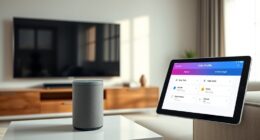
Smart plugs are Wi-Fi-enabled devices you plug into outlets to control appliances remotely via a smartphone app or voice commands. They let you turn devices on or off, schedule operations, and monitor energy use easily. You can automate things like lamps, fans, or coffee makers for convenience and efficiency. With simple setup and integration with voice assistants, they enhance your home’s smart features. Keep exploring to discover five clever ways to use smart plugs at home.
Key Takeaways
- Smart plugs connect to Wi-Fi and enable remote control of appliances via a dedicated app or voice assistants.
- They allow scheduling, automation, and energy monitoring to improve convenience and reduce power waste.
- Setup involves downloading the manufacturer’s app, connecting to Wi-Fi, and pairing the device easily.
- Common home uses include automating lights for security, controlling small appliances, and managing electronics on standby.
- Benefits include energy savings, remote operation, enhanced security, and effortless integration into daily routines.

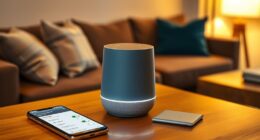
Have you ever wished you could control your home appliances with just a tap on your phone? That’s exactly what smart plugs allow you to do. These small devices plug into your standard outlets and connect to your Wi-Fi network, giving you remote control over whatever is plugged into them. Once connected, you can turn devices on or off, set schedules, and even monitor energy usage through a dedicated app. It’s a simple upgrade that can make your daily routines more convenient and efficient.
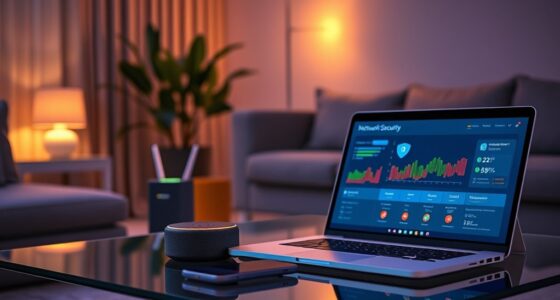
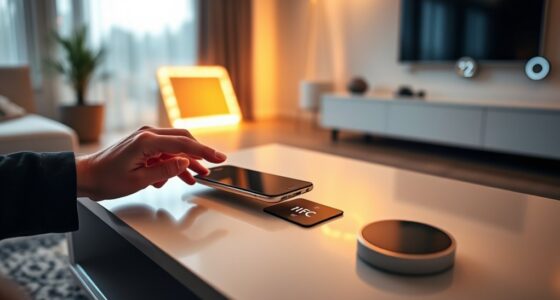
Smart plugs operate through a combination of hardware and software. When you plug an appliance into the smart plug, it essentially becomes “smart” too. The device communicates with your home Wi-Fi network, and the app on your phone acts as the remote. Most smart plugs are compatible with voice assistants like Alexa, Google Assistant, or Apple’s Siri, so you can control your devices with voice commands. The setup process is straightforward: you download the manufacturer’s app, connect the smart plug to your Wi-Fi, and then pair it with your smartphone. From there, you can name your devices, set schedules, or create automation routines to turn appliances on or off at specific times. Many smart plugs also include energy monitoring features, letting you see how much power a device uses, which can help you cut down on waste and save money. Additionally, understanding the role of Wi-Fi connectivity in smart devices is essential for ensuring reliable operation.
Using smart plugs at home is incredibly versatile. For starters, you can automate lamps and lights, so they turn on when you arrive home or turn off after you leave, saving you the hassle of manual switching. It’s perfect for busy mornings or when you’re away on vacation; you can make it look like someone’s home by scheduling lights to turn on and off randomly. You can also control small appliances like fans, space heaters, or even your coffee maker, so they’re ready when you want them. Smart plugs are great for managing electronics that tend to stay on standby, helping reduce energy waste. And if you forget to turn off a device, no worries—just open the app and switch it off remotely. They also work well with timers, so you can set your devices to run only during certain hours, ensuring you don’t leave anything running unnecessarily.
Frequently Asked Questions
Are Smart Plugs Compatible With All Wi-Fi Routers?
Most smart plugs are compatible with standard Wi-Fi routers using 2.4 GHz networks, but compatibility with all routers isn’t guaranteed. You should check the smart plug’s specifications to make sure it supports your router’s frequency and security protocols. If you have a dual-band router, many smart plugs work better on the 2.4 GHz band. Always verify compatibility before purchasing to avoid connectivity issues.
Can Smart Plugs Function During Wi-Fi Outages?
No, smart plugs generally can’t function during Wi-Fi outages because they rely on an active internet connection to communicate with your devices. However, some smart plugs have local control options, like Bluetooth or Zigbee, which might still work if your Wi-Fi goes down. If uninterrupted control is essential, look for models with these features or consider a backup power supply to keep your network running.
How Secure Are Smart Plugs Against Hacking?
Smart plugs can be vulnerable to hacking if not properly secured. To protect yourself, use strong, unique passwords and keep your device firmware updated regularly. Avoid connecting them to unsecured Wi-Fi networks, and disable remote access features if you don’t need them. By taking these precautions, you considerably reduce the risk of unauthorized access, keeping your smart devices and personal information safe from potential cyber threats.
Do Smart Plugs Work With Voice Assistants Other Than Alexa and Google?
Yes, smart plugs often work with voice assistants beyond Alexa and Google. Many are compatible with Apple’s Siri through Apple HomeKit or other platforms like Samsung’s SmartThings. You just need to check the specific model’s compatibility before purchasing. Once set up, you can control your devices with voice commands, making your smart home more integrated and convenient. Compatibility varies, so always verify the assistant you prefer is supported.
What Is the Maximum Load Capacity for a Smart Plug?
Did you know that most smart plugs can handle up to 15 amps, which equals about 1800 watts? You should check your specific model, but generally, the maximum load capacity is around 10 to 15 amps. Exceeding this can trip the circuit or harm the device. So, always verify your smart plug’s rated capacity before plugging in high-wattage appliances to ensure safety and proper functioning.
Conclusion
Smart plugs are a simple yet powerful way to make your home smarter and more energy-efficient. While some believe they can drastically cut your electricity bills, the truth is more nuanced—they help you control devices remotely and schedule usage, but savings depend on your habits. So, give them a try and see how they fit into your routine. You might find that, like many smart home gadgets, their real value comes from convenience and control.