As a smart home user, it’s important to know that privacy laws like GDPR, CCPA, and others regulate how your data is collected, shared, and protected. These laws give you rights to access, delete, and control your information, while requiring transparency from manufacturers. Data such as voice recordings, location, and usage habits are often shared with third parties. Staying aware of these regulations and best privacy practices helps you protect your home. Keep exploring to uncover how to stay secure and compliant.
Key Takeaways
- Privacy laws like GDPR, CCPA, LGPD, and PIPEDA regulate data collection, storage, and sharing by smart devices, ensuring transparency and user rights.
- Users have rights to access, delete, and control their data, with laws requiring explicit consent before sharing with third parties.
- Smart devices collect voice, usage, and location data, which must be protected through encryption and secure data handling practices.
- Regularly review and manage privacy settings to control data sharing, permissions, and minimize privacy risks.
- Staying informed about evolving legal standards helps homeowners choose compliant devices with strong privacy protections.

meross Matter Smart Plug Mini, FFS Easy Setup, 100% Privacy Smart Outlet, Compact Size, Support Apple Home, Alexa, Google Home with Schedule and Timer, App and Voice Control, 2.4G Wi-Fi Only (4 Pack)
FSS – Easy Setup with Echo: Frustration free setup for Matter and Alexa, no more complicated setup! Just…
As an affiliate, we earn on qualifying purchases.
As an affiliate, we earn on qualifying purchases.
Understanding Your Rights as a Smart Home User

As a smart home user, you have rights protected by laws and regulations that govern how your data is collected, stored, and used. You should know that third-party integrations can access your data, so it’s crucial to understand what permissions you grant. Laws often require companies to be transparent about their data practices and to obtain your consent before sharing information with third parties. Data encryption is a critical security measure that protects your sensitive information from unauthorized access during transmission and storage. You have the right to know how your data is secured and to request that companies implement strong encryption methods. Staying informed about these rights helps you ensure your smart home devices respect your privacy and security. Vetted Additionally, understanding privacy policies and the specific cookie categories used by smart device providers can help you make more informed decisions about your data. Being aware of data security practices can further empower you to take control of your privacy, especially considering how data handling varies across different devices and providers. Recognizing data collection methods enables you to better assess the privacy implications of your smart home setup.

Nuki Keypad 2 NFC (2026) – Unlock Your Door with Apple Home Key, NFC, Fingerprint or 6-Digit Code, Smart Home Accessory for Nuki Smart Lock, Matter-Enabled Bluetooth Keypad for Keyless Entry
Convenient access: Unlock your door with NFC, fingerprint, or a custom entry code by simply pairing the keypad…
As an affiliate, we earn on qualifying purchases.
As an affiliate, we earn on qualifying purchases.
Types of Data Collected by Smart Devices

Smart devices collect a variety of data to function effectively, including your voice and audio recordings, usage habits, and movement patterns. This information helps improve device performance but also raises privacy concerns. Understanding what data is gathered is essential to protecting your personal information. Additionally, some devices may collect user behavior data, which can influence how your data is used or shared. It’s also important to review the privacy policies of each device to understand how your data is managed and protected. Recognizing the importance of connected device security can help prevent unauthorized access and data breaches. It’s important to be aware of smart home privacy laws that regulate data collection and ensure your rights are protected.
Voice and Audio Data
Have you ever wondered what kind of voice and audio data your smart home devices collect? They record audio recordings to enable voice recognition, allowing devices to understand commands. These recordings can include your conversations, background noise, or personal details. Devices often store this data temporarily or send it to cloud servers for processing. Here’s a quick overview:
| Data Type | Purpose |
|---|---|
| Audio recordings | To facilitate voice commands |
| Voice recognition | To identify your voice |
| Background sounds | To improve device responsiveness |
Understanding this helps you grasp what’s being captured and how your privacy might be affected. Laws around this data aim to regulate collection, storage, and sharing practices, so knowing what’s involved is essential. Data Privacy regulations also influence how this audio data is managed and protected. Additionally, some devices incorporate encryption techniques to safeguard your audio information during transmission and storage. Implementing secure data handling practices ensures your sensitive information remains protected against unauthorized access. Recognizing the importance of privacy safeguards can help you make informed decisions about device usage and data permissions. It’s also important to understand the types of data collected by these devices and how they are used, which can vary depending on manufacturer policies.
Usage and Behavior Patterns
Smart home devices continuously collect a variety of data to monitor your habits and improve functionality. This includes details about your daily routines, preferred settings, and overall user behavior. By analyzing smart device habits, manufacturers can optimize device performance and offer personalized experiences. For example, your usage patterns might reveal when you’re typically home or asleep, influencing how devices respond to your presence. This data helps improve automation, but it also raises privacy concerns, as your behaviors are tracked and stored. You should be aware of what information your devices gather, how it’s used, and whether it’s shared with third parties. Understanding the scope of your data collection empowers you to make informed decisions about your privacy and device management, including the importance of networking hardware in securing your data. Additionally, using encryption protocols can help protect your information from unauthorized access. Implementing privacy settings also allows you to control what data is collected and shared, giving you further control over your smart home environment. Being aware of data collection practices helps you better understand how your information is handled and what steps you can take to safeguard it. The use of security measures is essential for maintaining control over your personal information and preventing potential breaches.
Location and Movement Data
Many smart devices actively track your location and movements to enhance functionality and automate tasks. This location tracking and movement monitoring gather data like when you arrive home, which rooms you frequent, or how often you move around. This information helps optimize device responses and personalize your experience. Imagine your smart thermostat adjusting when you arrive, your security system knowing when you’re home, or your lighting system responding to your presence. These devices constantly collect data such as:
- Your real-time location within your home
- Movement patterns throughout the day
- Time spent in specific rooms
- Changes in activity levels
- Data security measures are essential to protect this sensitive information from unauthorized access. Additionally, user consent plays a vital role in ensuring that homeowners are aware of and agree to data collection practices.
While this data makes your smart home smarter, it also raises privacy concerns. Understanding what’s collected helps you better manage your privacy rights. Hardware integration allows these devices to work seamlessly together, but it also increases the amount of data shared across platforms. Additionally, the types of data collected can be vulnerable if not properly secured, emphasizing the importance of privacy protections in smart home systems. Implementing data encryption can further safeguard this information from potential breaches.

Aqara Smart Home Hub M3 for Advanced Automation, Matter Controller, Thread Border Router, Features Zigbee, Bluetooth, Wi-Fi, PoE, IR, Supports Apple HomeKit, Alexa, SmartThings, Home Assistant, IFTTT
[Multi-Protocol Hub with Matter Bridge] The M3 is a versatile hub supporting Aqara Zigbee and Thread devices. It…
As an affiliate, we earn on qualifying purchases.
As an affiliate, we earn on qualifying purchases.
Key Privacy Laws Affecting Smart Home Devices

Several key privacy laws govern how smart home devices collect, store, and share your personal data. These laws are part of broader privacy legislation and data regulation efforts designed to protect your rights. They set standards for transparency, consent, and data security. For example, the General Data Protection Regulation (GDPR) in Europe emphasizes user control over data, while the California Consumer Privacy Act (CCPA) grants residents rights to access and delete their information. These laws influence device manufacturers and service providers to prioritize your privacy.
| Law | Scope | Key Rights |
|---|---|---|
| GDPR | Europe | Data access, deletion, consent |
| CCPA | California | Data opt-out, access |
| LGPD | Brazil | Data transfer, rights |
| PIPEDA | Canada | Fair info practices |
| Other laws | Vary | Vary |

Pet Waste Guard – Litter Box Barrier, Clear High Wall Cover, Hygienic Foldable Screen, Apartment Home Room Decor Accessory | Privacy Shield Panel Easy Cleaning Cats Dogs Comfortable Use
Easy Maintenance Solution: Combines high-quality transparent PE with a robust PVC frame, resisting wear and offering long-term use…
As an affiliate, we earn on qualifying purchases.
As an affiliate, we earn on qualifying purchases.
How Data Is Shared and With Whom
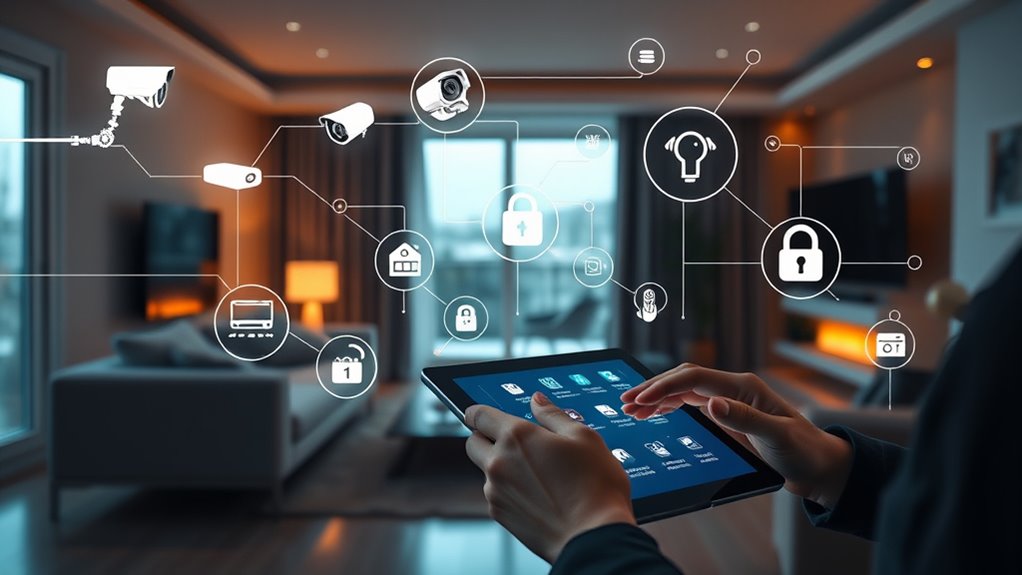
You should be aware of who your smart home data is shared with and why. Companies often work with partners to improve services, but they should also give you clear options to control your data. Understanding your rights helps you decide how much access you’re comfortable granting.
Data Sharing Partners
Smart home devices often share your data with a variety of partners, which can include service providers, advertisers, and third-party vendors. These third-party vendors might include companies that analyze your data for marketing or service improvements. Data brokers purchase and sell your information, often without your direct knowledge. Visualize your data flowing to:
- Third-party vendors handling device diagnostics
- Advertising firms targeting personalized ads
- Data brokers aggregating your info across platforms
- Service providers managing cloud storage
These partners can access detailed insights about your habits, routines, and preferences. While some data sharing is necessary for device functionality, understanding who has access helps you stay aware of your privacy. Protecting your data means knowing how these partners use and handle your information.
User Consent and Control
Understanding who has access to your data is only part of the picture; how your data is shared depends largely on your permissions and choices. You have user control over your smart home data through privacy settings that allow you to decide what information is shared, with whom, and under what circumstances. Always review and customize these settings to match your comfort level. Many devices prompt for your consent before sharing data or updating permissions, giving you control over new features. Stay vigilant about granting access and regularly check your privacy controls to prevent unwanted sharing. By actively managing your privacy settings, you ensure your data stays within your control, reducing risks and maintaining your home’s security and privacy.
Best Practices for Securing Your Smart Home

Securing your smart home starts with establishing strong, unique passwords for all devices and accounts. Always review the privacy policy to understand how your data is collected and used. Enable device encryption whenever possible to protect your data from unauthorized access. To reinforce security, consider these practices:
Secure your smart home with strong passwords, privacy reviews, and device encryption to protect your data.
- Regularly update firmware and software to patch vulnerabilities
- Use two-factor authentication for added login security
- Disable unnecessary remote access features
- Keep a record of your device configurations and privacy settings
Recent Legal Developments in Smart Home Privacy

Recent legal developments are shaping how your smart home devices handle privacy and data security. New laws emphasize legal compliance, requiring manufacturers to be transparent about data collection and storage practices. Data regulation has become stricter, giving consumers more control over their personal information. For example, recent legislation mandates clear privacy notices and consent before collecting sensitive data. These legal updates aim to prevent misuse and ensure accountability from device makers. As a homeowner, you should stay informed about these changes, as they influence how your data is protected and how companies must operate. By understanding recent legal developments, you can better evaluate which smart home products meet current standards for privacy and security, ultimately helping you make smarter, safer choices for your connected home.
Choosing Privacy-Conscious Smart Home Products
When choosing smart home products, prioritizing privacy features can make a significant difference in safeguarding your personal data. Look for devices with customizable privacy settings that let you control what information is shared. Confirm the products you select are compatible with your existing systems to avoid security gaps. Keep an eye out for products that:
- Offer clear privacy policies and user control options
- Have built-in encryption to protect your data
- Support regular firmware updates for security patches
- Are compatible with trusted platforms and devices
These features help you maintain control over your privacy and reduce vulnerabilities. By choosing products with robust privacy settings and ensuring device compatibility, you can enjoy smart home convenience without sacrificing your personal security.
Steps to Take if Your Privacy Is Compromised
If you discover that your smart home privacy has been compromised, acting quickly can limit potential damage. First, review your device’s privacy policy to understand what data might have been exposed. Change all relevant passwords and enable two-factor authentication if available. Check if your devices support data encryption; if not, consider upgrading or disabling vulnerable features. Disconnect compromised devices from your network and perform a factory reset. Contact your device manufacturer or service provider to report the breach.
| Action | Purpose |
|---|---|
| Review privacy policy | Understand what info was exposed |
| Change passwords & enable 2FA | Strengthen security |
| Disconnect & reset devices | Remove threat and prevent further access |
Frequently Asked Questions
How Can I Verify if My Smart Home Devices Comply With Privacy Laws?
You can verify if your smart home devices comply with privacy laws by checking for device encryption and data transparency. Look into the manufacturer’s privacy policy and ensure they clearly explain how your data is collected, stored, and shared. Confirm that your devices use strong encryption to safeguard your information. Additionally, research third-party reviews or certifications that verify the device’s adherence to privacy standards and legal requirements.
Are There Specific Privacy Labels or Certifications for Smart Home Products?
Yes, there are specific privacy labels and certification standards for smart home products. These labels, like the EU’s CE marking or the US’s FCC certification, indicate compliance with privacy and security regulations. Look for products with clear privacy labels or certifications that show they meet established standards, guaranteeing your devices protect your data. Always verify these labels before purchasing to ensure your smart home devices adhere to necessary privacy protections.
What Rights Do I Have if My Smart Home Data Is Mishandled?
Think of your smart home data as a precious treasure chest. If it’s mishandled, you have the right to take action. In case of a data breach, you can seek legal recourse to protect your privacy and possibly get compensation. You should also report the breach to authorities and demand transparency from the company. Remember, your rights are there to keep your digital life secure and in your control.
Can I Request My Data to Be Deleted From Smart Device Providers?
Yes, you can request data deletion from smart device providers. When you submit privacy requests, you ask them to perform data deletion, which means they must remove your personal information from their systems. It is crucial to know your rights and contact your provider directly, specifying your request for data deletion. Keep records of your privacy requests to guarantee your data is properly managed and your privacy is protected.
What Are the Consequences for Companies Violating Smart Home Privacy Laws?
If a company breaches privacy laws, they face a storm of consequences. Privacy violations can lead to hefty fines, legal penalties, and damage to their reputation, like scars that never fade. These repercussions serve as a wake-up call, reminding companies that respecting your data isn’t optional. Ignoring these laws risks severe financial and trust-related fallout, emphasizing the importance of safeguarding your smart home environment against careless or malicious acts.
Conclusion
Just as Pandora’s box reminds us of the unknown risks, your smart home holds both convenience and potential privacy pitfalls. Staying informed about your rights, understanding data sharing, and choosing privacy-conscious devices help you maintain control. By taking proactive steps, you prevent your privacy from slipping away like secrets in the dark. Remember, safeguarding your digital domain ensures your smart home remains a place of comfort rather than concern.