
To create an eco-friendly smart home, start by installing energy-efficient devices like smart thermostats and lighting that adapt to your schedule and reduce waste. Use water conservation tools such as smart water meters and flow-reducing fixtures to save water. Integrate renewable energy solutions like solar panels and optimize their use with smart systems. Incorporating eco-friendly habits—like unplugging unused electronics—amplifies savings. Stay tuned to discover how combining these tech and habits can make your home greener and more cost-effective.
Key Takeaways
- Integrate smart thermostats and lighting to optimize energy use and reduce waste through automation and scheduling.
- Use water conservation devices like smart water meters and leak detectors to monitor and minimize water consumption.
- Incorporate renewable energy solutions such as solar panels with smart energy management for sustainable power use.
- Adopt eco-friendly habits like unplugging devices and choosing energy-efficient appliances to lower household environmental impact.
- Leverage smart home technology to create an interconnected, energy-efficient system that promotes sustainability and cost savings.

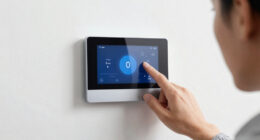
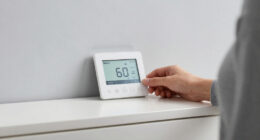
Have you ever wondered how to make your home both smarter and more environmentally friendly? It’s a smart question, especially as technology advances and the demand for sustainable living grows. The good news is, you can upgrade your household with devices and habits that reduce your carbon footprint while boosting convenience and comfort. Starting with smart thermostats is a great step. These devices learn your schedule, adjust temperatures automatically, and can be controlled remotely via your phone. Not only do they optimize energy use, but they also help you cut down on heating and cooling costs. Pairing a smart thermostat with weather forecasts ensures your home adapts efficiently to changing conditions, preventing energy waste.
Another key element is smart lighting. Traditional incandescent bulbs waste a lot of energy, but LED bulbs, especially when paired with smart controls, can considerably reduce electricity use. You can set schedules so lights turn off when you leave a room or dim during the daytime, saving energy without sacrificing comfort. Motion sensors further enhance efficiency by ensuring lights only operate when needed. These systems can be integrated easily into your existing setup, giving you control via apps or voice commands, making it simple to manage your energy consumption on the go.
Water conservation also plays a crucial role in creating a greener household. Smart water meters can monitor your water usage in real-time, highlighting leaks or excessive consumption that might otherwise go unnoticed. Installing smart showerheads and faucets allows you to reduce water flow without sacrificing performance. Some systems even provide feedback on your water habits, encouraging more mindful usage. Combining these gadgets with habits like shorter showers and fixing leaks promptly can lead to substantial savings in water bills and conserve essential resources. Additionally, understanding electrical concepts can help you better optimize energy and water systems in your eco-friendly home.
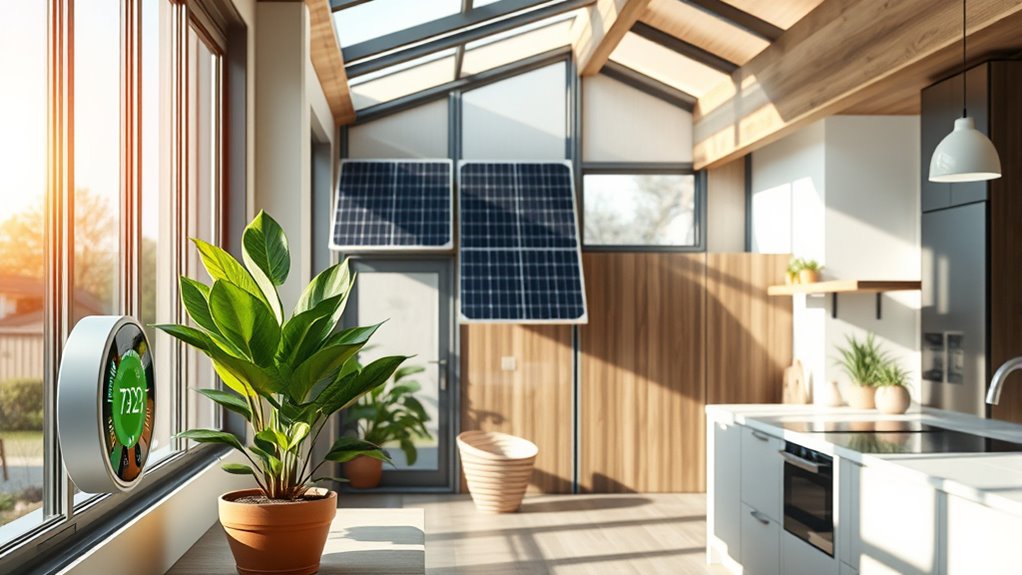
Incorporating renewable energy solutions, such as solar panels, complements your smart home setup and pushes your eco-friendliness further. While the upfront costs can be substantial, solar energy reduces reliance on fossil fuels and lowers your utility bills over time. Smart energy management systems can optimize your solar power use, directing excess energy to batteries or the grid, maximizing your eco-friendly impact.
Finally, adopting eco-friendly habits alongside these technologies makes a big difference. Turning off devices when not in use, unplugging chargers, and choosing energy-efficient appliances amplify your efforts. As you integrate these smart devices and habits, you’ll find your household becomes more sustainable, cost-effective, and comfortable—proving that being eco-conscious is both achievable and rewarding.

Amazon Smart Thermostat – Save money and energy – Works with Alexa and Ring – C-wire required
Smart upgrade – Amazon Smart Thermostat is an easy way to switch from a traditional thermostat and help…
As an affiliate, we earn on qualifying purchases.
As an affiliate, we earn on qualifying purchases.
Frequently Asked Questions
How Can I Integrate Solar Energy With Smart Home Systems?
You can easily integrate solar energy with your smart home systems by installing solar panels and connecting them to a smart inverter. Use a smart energy management system to monitor and control energy flow, optimizing usage and storage. Link your solar setup to your home automation hub so you can track energy generation, adjust settings remotely, and schedule appliances to run when solar power is at its peak, making your household greener and more efficient.
Are Eco-Friendly Smart Devices Safe for Children and Pets?
Yes, eco-friendly smart devices are generally safe for children and pets. They’re made with non-toxic materials and include safety features like child locks and automatic shutoffs. However, always read the manufacturer’s instructions and keep devices out of reach to prevent accidental damage or misuse. Regularly check for recalls or updates to ensure ongoing safety. With proper precautions, you can enjoy the benefits of these devices without worry.
What Are the Cost Benefits of Upgrading to Green Smart Home Tech?
Upgrading to green smart home tech can save you money over time by reducing energy bills and minimizing waste. You’ll use less electricity with smart thermostats and energy-efficient appliances, which lowers your costs. Plus, many green devices qualify for rebates or incentives, helping offset initial expenses. Over the years, these savings add up, making your home more affordable while being environmentally friendly.
How Do I Ensure Data Privacy With Eco-Friendly Smart Home Devices?
You can guarantee data privacy with eco-friendly smart home devices by choosing reputable brands that prioritize security, regularly updating your device firmware, and enabling strong, unique passwords. Investigate whether the device uses end-to-end encryption and review privacy policies carefully. You might also consider network segmentation, keeping smart devices on a separate Wi-Fi network to limit potential breaches, giving you peace of mind while enjoying your greener home.
Can Smart Home Energy Solutions Be Customized for Different Climates?
Yes, you can customize smart home energy solutions for different climates. You should select devices that adapt to your local weather patterns, like thermostats that optimize heating and cooling based on outdoor conditions. Adjust settings according to seasonal changes, and integrate sensors that monitor humidity and sunlight. This way, your system becomes more efficient, saving energy and maintaining comfort no matter where you live.

Govee Smart Light Bulbs, Color Changing Light Bulb, Work with Alexa and Google Assistant, 16 Million Colors RGBWW, WiFi & Bluetooth LED Light Bulbs, Music Sync, A19, 800 Lumens, 4 Pack
16 Million DIY Colors: Govee smart light bulbs own millions of color and 54 preset scene modes, you…
As an affiliate, we earn on qualifying purchases.
As an affiliate, we earn on qualifying purchases.
Conclusion
By transforming your home into an eco-friendly smart haven, you’re not just saving energy—you’re saving the entire planet! With every gadget you optimize and every tip you follow, you’re making a superhero move, battling climate change one smart device at a time. Imagine a world where your home breathes green, where every tiny change sparks a ripple of global impact. So go ahead, embrace these tips, and become the unstoppable eco-warrior your planet desperately needs!
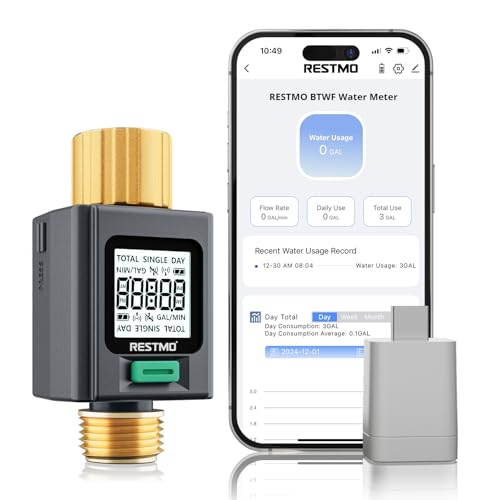
RESTMO Smart Water Flow Meter with Screen Backlight, Brass Inlet & Outlet, Measuring Gallon/Liter Consumption & Flow Rate for Garden Watering, RV Filling, Sprinklers & Nozzle – 2.4Ghz WiFi Connection
WiFi & Bluetooth Dual-Mode Control: This smart water flow meter supports both 2.4GHz WiFi and Bluetooth connections, allowing…
As an affiliate, we earn on qualifying purchases.
As an affiliate, we earn on qualifying purchases.

ECO-WORTHY 5KW Off Grid Solar System Complete Kit 12PCS 195W Mono Solar Panel (2340W) +1 * 48V 5KW Off-Grid Inverter + 1 * 51.2V 100Ah Server Rack Whole House Storage LiFePO4 Lithium Battery
[Off Grid Solar System Complete] 12 pcs upgraded 195W N-Type bifacial mono solar panels (2340W) + 1 pcs…
As an affiliate, we earn on qualifying purchases.
As an affiliate, we earn on qualifying purchases.