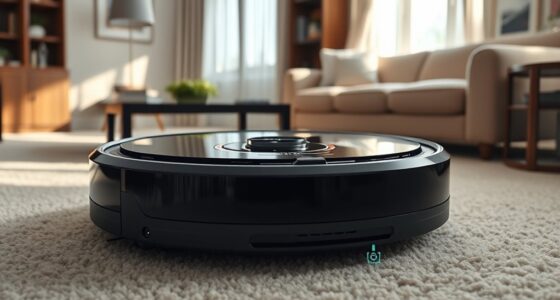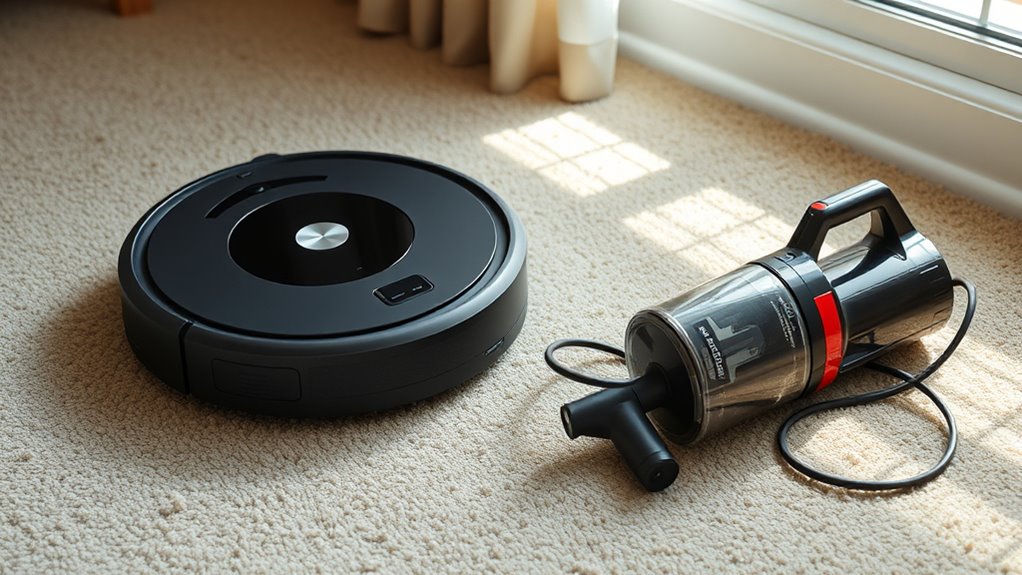

If you want convenience and automation, a robot vacuum can simplify daily cleaning with its smart features and quiet operation. However, it may lack the suction power needed for deep cleaning large or heavily soiled areas, which traditional vacuums excel at. The choice depends on your home’s size, pets, and cleaning priorities. To discover which option fits your needs best—and learn about long-term costs and performance—continue exploring the differences.
Key Takeaways
- Traditional vacuums deliver stronger suction and better deep-cleaning for heavy-duty tasks compared to robot vacuums.
- Robot vacuums offer automated, hands-free cleaning with scheduling and smart app controls, enhancing convenience.
- AI cleaners tend to be more expensive upfront but can save time and effort over manual cleaning routines.
- For large or complex spaces, traditional vacuums may outperform robots due to limited coverage and navigation challenges.
- The decision depends on home size, cleaning needs, and preferences for automation versus powerful cleaning performance.
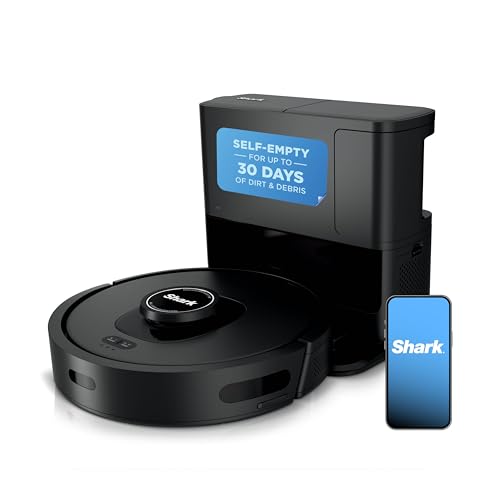
Shark AV2501S AI Ultra Robot Vacuum, with Matrix Clean, Home Mapping, 30-Day Capacity HEPA Bagless Self Empty Base, Perfect for Pet Hair, Wifi, Dark Grey
INCREDIBLE SUCTION: Powerful Shark suction picks up dirt and debris on all floor types—tackling even the toughest of…
As an affiliate, we earn on qualifying purchases.
As an affiliate, we earn on qualifying purchases.
Comparing Cleaning Power and Suction Capabilities
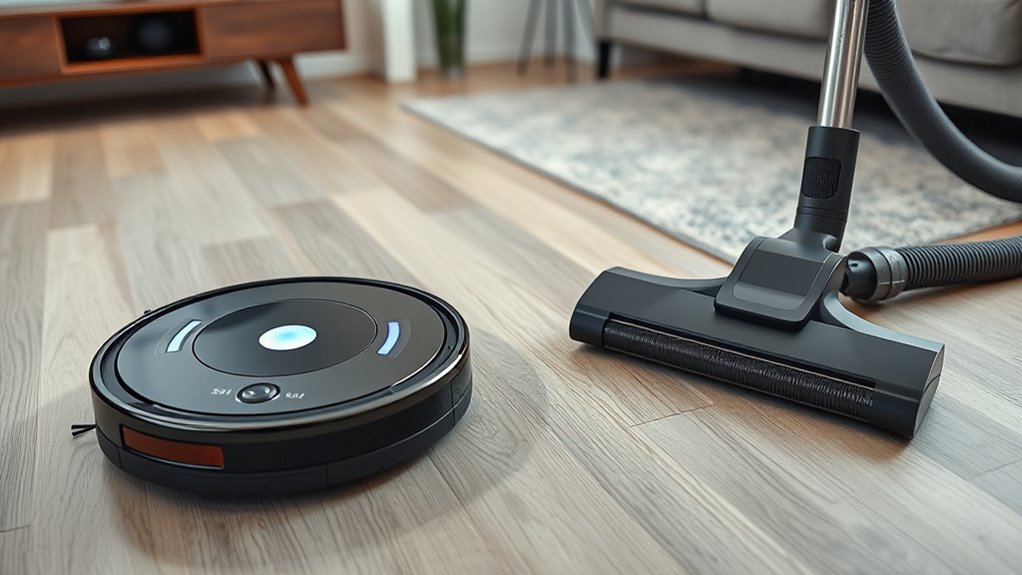
When comparing cleaning power and suction capabilities, it’s clear that traditional vacuums often have the edge due to their larger motors and higher airflow. This means they can handle heavy-duty tasks and deep-clean carpets more effectively. Additionally, high performance in traditional vacuums allows for more thorough cleaning of surfaces. However, their battery life is limited, especially for cordless models, so you might need to recharge frequently during larger cleaning sessions. Noise levels are another consideration; traditional vacuums tend to be louder because of their powerful motors, which can be disruptive. In contrast, robot vacuums usually operate more quietly, but this often comes at the expense of suction strength. If deep cleaning and maximum power are your priorities, a traditional vacuum generally performs better, though you’ll need to manage their noise and shorter battery life accordingly.

Eureka Lightweight Powerful Upright Vacuum Cleaner for Carpet and Hard Floor, PowerSpeed, New Model,Blue,black/New Model
Upgraded Cyclone System: The Eureka PowerSpeed is now upgraded with new cyclone technology to handle larger debris, smaller…
As an affiliate, we earn on qualifying purchases.
As an affiliate, we earn on qualifying purchases.
Ease of Use and Convenience Features

Robot vacuums are designed to be simple to set up, often requiring just a few minutes before they start cleaning. You can schedule automated cleaning cycles so you don’t have to lift a finger, even when you’re busy. Plus, smartphone app control lets you start, stop, or customize cleaning sessions from anywhere, making the process incredibly convenient. Additionally, many models include navigation features that enable efficient cleaning patterns and help avoid obstacles. Some models even incorporate mapping technology, which allows them to learn the layout of your home for more thorough and systematic cleaning. Moreover, these advanced systems often utilize sensor technology to adapt to different floor types and detect dirtier areas for more focused cleaning. The integration of AI-driven algorithms further enhances their ability to optimize cleaning routes and improve overall performance. To maximize their benefits, many AI cleaners also offer automatic charging features that ensure they return to their dock when needed, maintaining continuous operation without manual intervention.
Simple Setup Process
Setting up a robot vacuum is typically simpler than assembling a traditional one, thanks to its streamlined design and intuitive features. You’ll find the initial process quick and hassle-free. First, you just need to charge the battery, ensuring it’s ready for cleaning. Second, connect it to your Wi-Fi network, often through an app, making setup straightforward. Third, customize cleaning preferences, such as schedules or zones, if available. Fourth, check noise levels and battery life to optimize performance without disruptions. These steps are designed for ease, allowing you to start cleaning with minimal effort. Additionally, many models incorporate smart technology, which simplifies operation and enhances user experience. For example, features like automatic docking further streamline maintenance and recharging. Leveraging home automation capabilities can also improve overall cleaning efficiency.
Automated Cleaning Cycles
Automated cleaning cycles are one of the key convenience features that make robot vacuums so user-friendly. Once you set a schedule, your robot can independently clean your floors without manual effort. This saves you time and guarantees consistent cleanliness. Battery life plays a vital role; a longer-lasting battery means your cleaner can cover larger areas or run multiple cycles without recharging. Noise levels are also important—many models operate quietly enough to not disturb your daily activities or sleep, adding to their convenience. You can program your vacuum to run at specific times, and it will automatically start, stop, and return to its dock when finished. This hands-free operation makes maintaining a clean home effortless, especially with busy schedules.
Smartphone App Control
Many modern robot vacuums come with dedicated smartphone apps that put control directly in your hands. With these apps, you can:
- Schedule cleanings effortlessly, saving time and ensuring consistent maintenance.
- Monitor battery life in real-time, so you know when to recharge without interruption.
- Adjust cleaning modes to reduce noise levels during quiet hours or when needed.
- Receive notifications about cleaning status or issues, keeping you informed at all times.
- The apps often include remote control options, allowing you to manually guide the vacuum if needed for spot cleaning or difficult areas.
- These apps are designed to be user-friendly, making operation more intuitive even for those unfamiliar with smart devices.
- Additionally, many apps provide energy management features that help optimize power usage and extend battery life, enhancing overall efficiency.
- The integration of these apps with smart home systems further enhances overall automation, making cleaning routines more seamless and adaptable to your schedule.
- Furthermore, some apps offer custom cleaning zones, enabling precise control over specific areas of your home for targeted cleaning sessions.
These features make operation more intuitive and convenient. Plus, you can start or stop cleaning remotely, avoiding the hassle of manual controls. The app’s ease of use enhances your overall experience, especially when managing noise levels and battery life. This convenience often outweighs the simplicity of traditional vacuum controls.
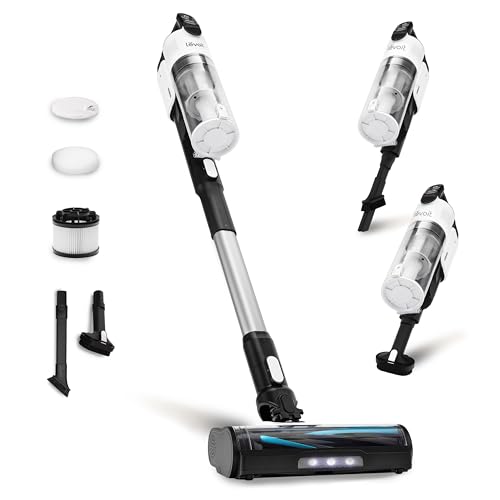
LEVOIT Cordless Vacuum Cleaner, Stick Vac with Tangle-Resistant Design, Up to 50 Minutes, Powerful Suction, Rechargeable, Lightweight, and Versatile for Carpet, Hard Floor, Pet Hair, LVAC-200
Tangle-Resistant Design: Pick up more hair and deal with less tangles, whether it’s human hair or pet hair.
As an affiliate, we earn on qualifying purchases.
As an affiliate, we earn on qualifying purchases.
Maintenance and Longevity of Devices

While robot vacuums often require less hands-on maintenance than traditional models, they still need regular care to stay in top shape. Monitoring battery life is essential, as a declining battery can reduce cleaning efficiency and shorten device lifespan. Make sure to charge your robot fully and avoid letting the battery drain completely. Additionally, component durability matters; regularly check brushes, wheels, and sensors for wear and tear. Keeping filters clean and replacing parts as needed prolongs your device’s longevity. Proper maintenance prevents breakdowns and guarantees peak performance over time. Unlike traditional vacuums, which often last years with minimal upkeep, robot vacuums benefit from consistent, attentive care to maximize their lifespan and maintain their cleaning power. Regularly inspecting device components ensures that any issues are addressed early, further extending the life of your AI cleaner. Being aware of vintage technology can also help in understanding how to better care for your device and possibly upgrade or retrofit it for better performance over time. Additionally, understanding piercing care and hygiene principles can help you avoid issues like dust buildup or sensor malfunctions caused by dirt or debris accumulation.

eufy Robot Vacuum 11S MAX, Super Thin, Powerful Suction, Quiet, Self-Charging Robotic Vacuum Cleaner, Cleans Hard Floors to Medium-Pile Carpets, Black
1. Compact and Quiet Operation: With a slim 2.85" profile, the eufy robot vacuum operates quietly, offering a…
As an affiliate, we earn on qualifying purchases.
As an affiliate, we earn on qualifying purchases.
Cost Analysis: Upfront and Ongoing Expenses
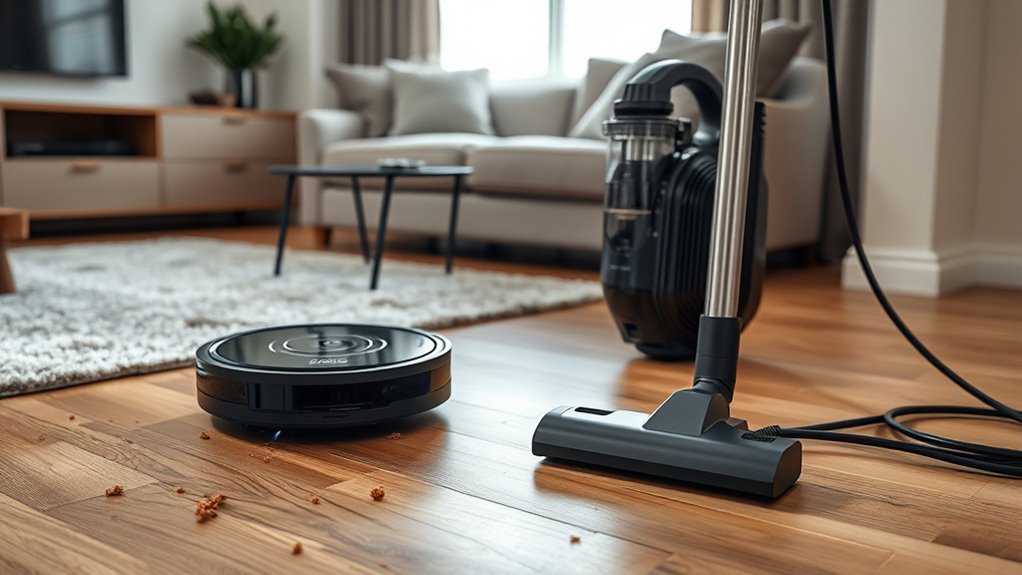
When comparing robot vacuums to traditional models, understanding the costs involved is essential. First, consider the upfront price: robot vacuums often cost more initially but include advanced features. Second, factor in ongoing expenses like replacement batteries, especially since battery life affects how long your device operates before needing a recharge or swap. Third, noise levels matter; quieter models might cost more but provide a more comfortable experience. Fourth, maintenance costs vary: robot vacuums may need frequent filter or brush replacements, adding to expenses. Additionally, wave and wind conditions can impact the performance and longevity of these devices, influencing the overall cost. Environmental factors like climate conditions can affect battery performance and device durability, which should be considered in cost evaluations. Proper maintenance routines are crucial for extending the lifespan of your vacuum and minimizing repair costs over time. Moreover, understanding how device placement impacts cleaning efficiency can help reduce unnecessary wear and tear. A well-designed navigation system can also improve cleaning effectiveness and reduce the need for repairs. While traditional vacuums generally have lower initial costs, ongoing costs can accumulate with repairs or replacements over time. Overall, weigh these costs carefully to determine the true value of each option.
Smart Technology and Connectivity Options
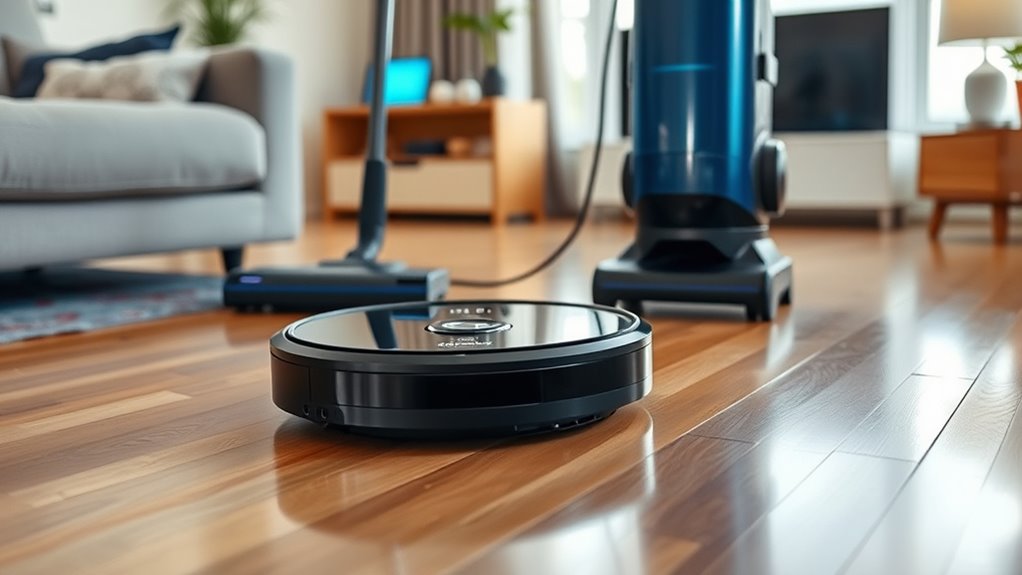
You can control robot vacuums easily with remote controls or through smartphone apps, making it simple to start cleaning from anywhere. Many models offer app integration that lets you schedule cleanings, monitor progress, and customize settings. Plus, voice commands with devices like Alexa or Google Assistant enable hands-free operation for added convenience. Additionally, some advanced models feature local automation capabilities, allowing them to operate seamlessly within your smart home ecosystem without relying solely on cloud services. These local controls help enhance privacy and security for your household data.
Remote Control Access
Remote control access has become a key feature that differentiates robot vacuums from traditional models, thanks to smart technology and connectivity options. With remote control, you can start, pause, or schedule cleanings from anywhere, giving you convenience and flexibility. Keep these points in mind:
- You can monitor your vacuum’s battery life remotely, ensuring it’s charged for the next cleaning session.
- You can adjust cleaning schedules without being near the device, saving time and effort.
- Noise levels can often be managed through remote settings, making it easier to clean during quiet times.
- Remote access lets you check on your vacuum’s status and troubleshoot issues instantly.
This connectivity enhances your control, making AI cleaners a more adaptable cleaning solution.
App Integration Features
App integration features elevate the convenience of robot vacuums by allowing seamless connectivity with your smartphone or smart home systems. With these features, you can start, pause, or schedule cleaning sessions remotely through the app. Many models support voice control, so you can command your vacuum hands-free using smart speakers or voice assistants. Additionally, app notifications keep you updated on cleaning progress, battery status, or any issues that arise. This level of connectivity makes managing your vacuum effortless and guarantees you’re always informed. You can customize cleaning routines, set no-go zones, and monitor cleaning history directly from your device. Overall, app integration transforms your robot vacuum into a smart, user-friendly device that fits effortlessly into your connected home.
Voice Command Compatibility
Voice command compatibility enhances the convenience of robot vacuums by enabling hands-free control through smart technology. With voice command compatibility, you can simply ask your AI assistant to start, stop, or pause cleaning sessions without lifting a finger. This feature offers seamless AI assistant integration, making your cleaning routines more efficient.
Here’s what it offers:
- Easy control via popular AI assistants like Alexa or Google Assistant
- Quick adjustments to cleaning schedules with voice commands
- Real-time updates on cleaning status through voice prompts
- Compatibility across multiple smart home devices for centralized control
This connectivity makes managing your vacuum effortless, saving you time and effort while maintaining a cleaner home.
Suitability for Different Home Environments

Choosing between a robot vacuum and a traditional vacuum depends heavily on your home’s layout and cleaning needs. If you have a pet-friendly home with shedding animals, a robot vacuum can be convenient for daily pickups, especially in tight spaces. However, for homes with allergy-sensitive environments, a traditional vacuum with a HEPA filter might be more effective at trapping dust and allergens. Large open areas or homes with multiple levels also influence your choice; robot vacuums excel in small to medium spaces but may struggle with stairs or cluttered rooms. Conversely, a traditional vacuum provides more power for deep cleaning larger or heavily soiled areas. Consider your home’s size, pet situation, and allergy concerns to determine which vacuum type suits your environment best.
Long-Term Value and User Satisfaction

Long-term value and user satisfaction often depend on how well a vacuum meets your ongoing cleaning needs and expectations. To guarantee satisfaction, consider these factors:
- Battery life: A longer-lasting battery lets your robot vacuum clean more area without frequent recharges, saving you time and effort.
- Noise levels: Lower noise levels make routine cleaning less disruptive, especially if you’re home during operation.
- Maintenance costs: Durable models with replaceable parts reduce long-term expenses and downtime.
- Performance consistency: Over time, a vacuum that maintains strong suction and efficient navigation ensures continued cleaning effectiveness.
Frequently Asked Questions
How Do Robot Vacuums Handle Various Floor Types?
Robot vacuums handle various floor types well by adjusting to floor changes and recognizing different surfaces. They automatically switch from hardwood to carpet, thanks to sensors that detect carpet sensitivity. This guarantees efficient cleaning without getting stuck or missing spots. You’ll appreciate how seamlessly they adapt, making your cleaning routine easier, especially in homes with mixed flooring. Just make certain your model has good sensors for peak performance.
Can AI Cleaners Replace Traditional Vacuums Entirely?
Sure, AI cleaners can replace traditional vacuums—if you love manual maintenance and noise. While they handle daily messes effortlessly, they still need occasional emptying and updates, just like their manual counterparts. Plus, noise levels can be surprisingly high, making them less ideal for quiet moments. So, don’t expect them to completely replace traditional vacuums anytime soon, but they’re great for everyday convenience with a bit of compromise.
Are Robot Vacuums Safe Around Pets and Children?
Yes, robot vacuums are generally safe around pets and children when used properly. They’re designed with pet safety and child safety in mind, featuring sensors to avoid obstacles and prevent accidents. However, you should still supervise their initial use, keep small objects out of reach, and make certain that pets and kids are aware of the device’s operation. Regular maintenance also helps keep your home safe during cleaning.
Do Smart Features Require a Stable Wi-Fi Connection?
Over 80% of smart vacuum users report connectivity issues, highlighting Wi-Fi dependency. Yes, smart features require a stable Wi-Fi connection to operate smoothly; otherwise, you might experience limitations like disrupted cleaning schedules or app control failures. To maximize efficiency, make certain your home Wi-Fi is reliable. Without a steady connection, some smart features may not work, reducing the convenience AI cleaners are supposed to provide.
What Warranty Options Are Available for AI Cleaning Devices?
You can usually find extended warranty options for AI cleaning devices, which provide extra peace of mind. These warranties often offer coverage for repairs and replacements beyond the standard period, protecting your investment. Be sure to read the warranty coverage details carefully, as some plans include accidental damage or battery replacement. Investing in an extended warranty can save you money and hassle if your device encounters issues down the line.
Conclusion
Ultimately, choosing between a robot vacuum and a traditional one is like picking the right tool for your home’s needs. If you crave effortless cleaning and smart features, AI cleaners are your trusty sidekicks. But if deep, powerful cleaning is your main goal, a traditional vacuum might be your best bet. Whichever you choose, remember that the right device can turn cleaning from a chore into a breeze—making your home sparkle with less effort.