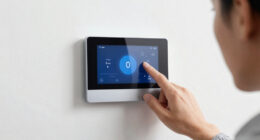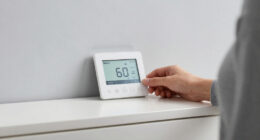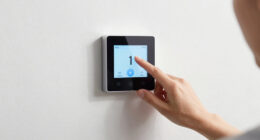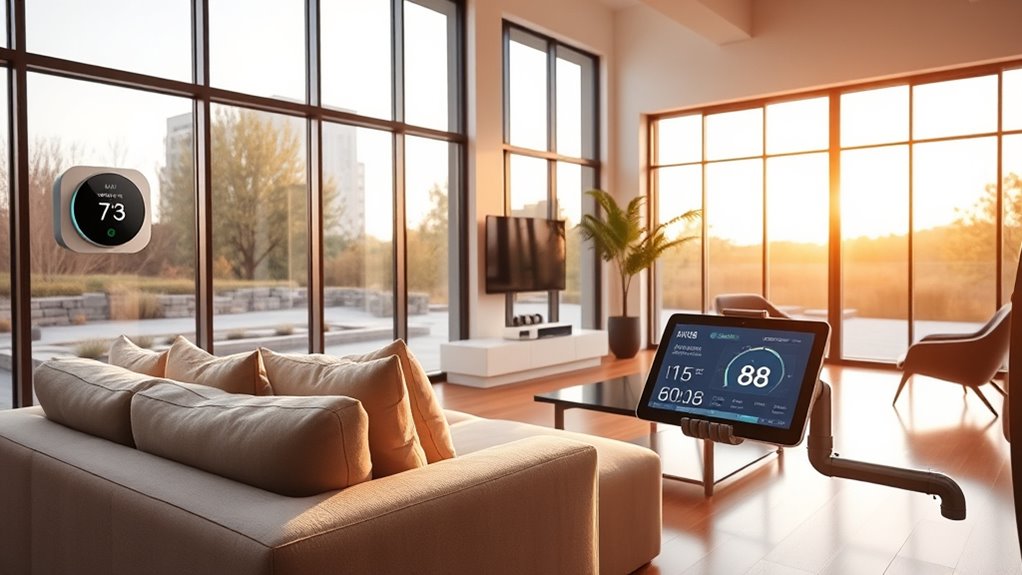

High-tech upgrades like smart thermostats, security systems, and automated lighting can boost your home’s appeal and value. These features attract tech-savvy buyers and help your property stand out in competitive markets. They improve energy efficiency, security, and convenience, often leading to higher sale prices and faster sales. Not every upgrade offers the same return, so choosing the right ones matters. Keep exploring to discover which upgrades can give you the best financial benefits.
Key Takeaways
- Smart home upgrades can increase property appeal and help listings stand out in competitive markets.
- Energy-efficient smart systems may lower utility costs, appealing to cost-conscious buyers.
- High-tech features like security cameras and automated lighting enhance perceived safety and convenience.
- ROI varies based on location; urban markets often value smart tech more than rural areas.
- Strategic, market-appropriate upgrades focusing on security and efficiency tend to offer the best return.
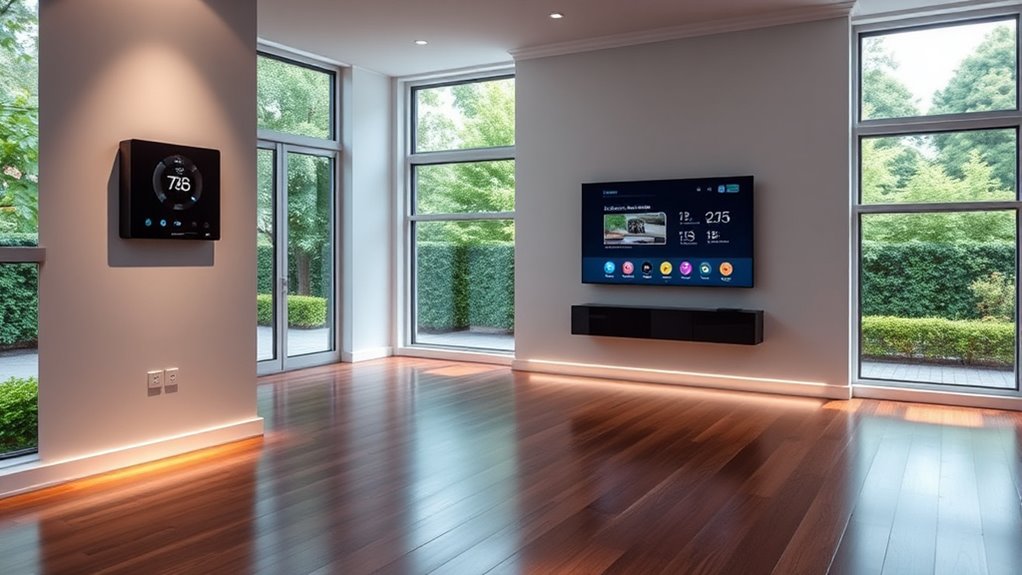
Have you ever wondered how smart home technology can boost your property’s value? If you’re considering upgrading your home, understanding the impact of these high-tech features can help you make smarter decisions. Many homebuyers now prioritize smart features, seeing them as symbols of modern living that add convenience, security, and energy efficiency. When you install smart thermostats, security cameras, or automated lighting, you’re not just making daily life easier—you’re also increasing your home’s appeal in a competitive market. These upgrades can make your property stand out, especially among tech-savvy buyers who value the integration of technology into their lifestyles.
Smart home features boost your property’s appeal and value in today’s competitive market.
Investing in smart home technology can also lead to tangible financial benefits. Modern appliances and systems often improve energy efficiency, which can lower utility bills. For example, smart thermostats learn your schedule and adjust temperatures accordingly, saving you money over time. When potential buyers see these features, they recognize the long-term savings, making your home more attractive. Additionally, security systems with remote monitoring and smart locks appeal to buyers concerned about safety, adding an extra layer of value. These features can serve as compelling selling points, helping you command a higher price or sell faster.
However, it’s essential to choose upgrades that align with your home’s value and the neighborhood. Not every high-tech feature will necessarily increase your property’s worth equally. For instance, basic smart lighting may appeal to many buyers, but overly complex or expensive systems might not deliver a return on investment. You want upgrades that enhance functionality without overwhelming potential buyers or escalating costs beyond what the market can justify. The key is to strike a balance—adding features that boost convenience and security without making your home feel overly specialized or difficult to maintain.
Moreover, the perception of smart home upgrades can vary depending on your location. In tech-centric urban areas, high-tech features often hold more weight in the valuation process. Conversely, in more traditional or rural markets, buyers might prioritize other features over the latest gadgets. Hence, researching local trends and consulting with real estate professionals can help you determine which upgrades will truly pay off. Remember, smart technology should complement your home’s overall appeal, not overshadow its core features. Additionally, understanding the importance of home technology integration can help you make informed decisions that align with market expectations.

Amazon Smart Thermostat – Save money and energy – Works with Alexa and Ring – C-wire required
Smart upgrade – Amazon Smart Thermostat is an easy way to switch from a traditional thermostat and help…
As an affiliate, we earn on qualifying purchases.
As an affiliate, we earn on qualifying purchases.
Frequently Asked Questions
How Much Can Smart Home Upgrades Increase Property Value?
Smart home upgrades can boost your property value by up to 5-10%, depending on the features and your local market. When you install smart thermostats, security systems, or lighting controls, you make your home more attractive to buyers. These upgrades also improve energy efficiency and convenience, which many buyers now prioritize. So, investing in smart technology not only enhances your living experience but can also pay off financially when it’s time to sell.
Which Smart Home Features Are Most Attractive to Buyers?
You definitely want to focus on smart features that wow buyers instantly, like a state-of-the-art security system, voice-activated lighting, and a sleek smart thermostat. These upgrades make your home feel futuristic and effortlessly luxurious, capturing attention immediately. Automated blinds, smart locks, and advanced home theaters also attract tech-savvy buyers. By showcasing these features, you turn your property into a must-have that stands out in today’s competitive market.
Do Smart Home Technologies Lower Energy Costs Long-Term?
Yes, smart home technologies can lower your energy costs long-term. By automating lighting, thermostats, and appliances, you reduce unnecessary energy use and optimize efficiency. Smart systems learn your routines, adjusting settings to save power without sacrificing comfort. Over time, these savings add up, making your home more energy-efficient and lowering your utility bills. Plus, you’ll enjoy the convenience of managing everything remotely or automatically.
Are There Risks Associated With Integrating High-Tech Systems?
Yes, there are risks when integrating high-tech systems into your home. You might face security vulnerabilities if systems aren’t properly protected, risking hacking or data breaches. Compatibility issues could also arise, causing frustration or costly repairs. Additionally, high-tech upgrades can become outdated quickly, leading to additional expenses. To minimize these risks, you should choose reputable brands, keep software updated, and work with professionals for installation and maintenance.
How Quickly Do Smart Home Investments Typically Pay Off?
Smart home investments typically pay off within three to seven years, depending on the upgrades and your local market. You’ll see savings on energy bills, increased convenience, and higher resale value, which all contribute to faster returns. By upgrading your home’s security, lighting, or climate control, you create a more efficient, more attractive property. You invest; you save, you enhance, and ultimately, you profit from your smart home improvements.

Hiseeu Wireless Pro WiFi Security Camera System, 16CH 4K NVR Kit, Corded Powered 8Pcs 5MP CCTV Home Security Camera System for Indoor/Outdoor, Night Vision, Waterproof, Motion Detection, 3TB HDD
【Local & Remote Control】 The home security camera system support local view & control, no need WiFi. For…
As an affiliate, we earn on qualifying purchases.
As an affiliate, we earn on qualifying purchases.
Conclusion
So, as you consider upgrading your home with smart technology, remember—these high-tech enhancements are more than just gadgets; they’re investments that can boost your property’s value. Like a well-placed brushstroke in a masterpiece, smart upgrades can transform your home’s appeal. Will you take the leap and turn your house into a future-ready haven? The choice is yours—because in the world of real estate, innovation isn’t just optional; it’s essential.

Black+Decker Professional Push Wire® Matter Certified Smart Under Cabinet Lighting Kit, Adjustable White and RGB LEDs, Works with Alexa, Apple Home, Google Home, (6) 12" Bars
SMART HOME INTEGRATION WITH MATTER: Works with Apple Home, Amazon Alexa, and Google Home for ultimate convenience; no…
As an affiliate, we earn on qualifying purchases.
As an affiliate, we earn on qualifying purchases.

WiFi Wireless Alarm System for Home Security – 24/7 Protection Smart Home Devices 4.3" Touch Screen, GSM/4G+WiFi, App Instant Alerts, No Monthly Fee, Alexa Compatible for Villa, Kids Safety (24 pcs)
𝐃𝐮𝐚𝐥 𝐖𝐢𝐅𝐢 + 𝟒𝐆 𝐒𝐞𝐜𝐮𝐫𝐢𝐭𝐲: Equipped with a 2.4GHz WiFi and 2G/4G connection (5G not supported), this home…
As an affiliate, we earn on qualifying purchases.
As an affiliate, we earn on qualifying purchases.