
Smart home automation and AI can save you money through energy efficiency and improved security, but these benefits depend on how you use them. Automated thermostats and lighting can lower energy costs, while security systems may reduce insurance premiums. However, initial setup costs and ongoing expenses can offset your savings if not managed properly. To make the most of smart home tech, you’ll need to understand the key factors that influence long-term benefits. Explore further to learn how to maximize your investment.
Key Takeaways
- Automation can lower energy costs through optimized heating, cooling, and lighting, but savings depend on user habits and climate.
- Initial device costs and ongoing subscription fees may offset long-term savings, requiring careful financial planning.
- Security systems with AI can reduce insurance premiums and prevent damages, contributing to potential financial benefits.
- Actual savings vary based on individual usage, home size, and proper device setup, making benefits inconsistent across households.
- Overall, smart home investments offer convenience and security, but economic benefits depend on strategic management of costs and features.
Smart homes are transforming the way we live by integrating advanced technology to enhance convenience, efficiency, and security. As you adopt automation and AI-powered devices, you might wonder if these investments actually save you money or just add to your expenses. The truth is, the economics of smart homes are nuanced. On one hand, automation can reduce energy consumption, cut costs, and improve home management. On the other, initial setup costs and ongoing maintenance can be significant, making it essential to weigh the long-term savings against upfront investments.
When you install smart thermostats, for example, you gain the ability to control your home’s temperature remotely and set schedules that optimize heating and cooling. This can lead to noticeable reductions in your energy bills, especially if you previously left your HVAC system running unnecessarily. Over time, these savings can offset the device’s purchase price, but your actual savings depend on your habits and the climate in your area. Similarly, smart lighting systems enable you to automate lights, turning them off when rooms are unoccupied or adjusting brightness based on natural light levels, which also helps cut electricity costs.
AI-driven security systems offer another avenue for savings, not just in terms of money but also peace of mind. These systems can detect unusual activity, alert you instantly, and even notify authorities directly, potentially preventing costly break-ins or damages. While the upfront costs for such systems can be high, they may reduce insurance premiums over time, providing additional financial benefits. Furthermore, automation can streamline routines, reducing the need for manual checks and maintenance, saving you time and effort. Additionally, the integration of smart device compatibility can enhance overall system efficiency, maximizing your investment.
However, it’s important to recognize that not all smart home features lead to immediate savings. The upfront costs of purchasing, installing, and integrating multiple devices can be substantial. Additionally, some smart devices require ongoing subscription fees for cloud services or advanced features, which can add up over the years. Maintenance and software updates also incur costs, and compatibility issues might force you to replace devices prematurely.
Ultimately, whether a smart home saves you money depends on your usage patterns, the specific devices you choose, and how well you leverage their capabilities. If you’re willing to invest time in setting up and managing these systems, you can enjoy significant savings on energy and potentially lower insurance costs. But if you buy smart devices without a clear plan or use them sparingly, the financial benefits may not justify the initial investment. In the end, a smart home’s economic value hinges on balancing cost with the convenience and security benefits these technologies provide.

Sensi Smart Thermostat, Wi-Fi, DIY, Alexa, Energy Star Certified, ST55
- Privacy Protection: Does not sell personal information
- Easy DIY Installation: Includes level and step-by-step app guide
- Wide Compatibility: Works with most HVAC systems without c-wire
As an affiliate, we earn on qualifying purchases.
As an affiliate, we earn on qualifying purchases.
Frequently Asked Questions
How Long Does It Typically Take to Recoup Smart Home Investment Costs?
You’ll typically recoup your smart home investment in about 3 to 7 years, depending on the devices you choose and your energy habits. If you invest in energy-efficient systems like smart thermostats or lighting, you’ll see savings faster. Keep in mind, initial costs vary, but over time, automation usually lowers your utility bills, making the investment worthwhile. Regular usage and proper setup can speed up your return.
Do Smart Home Systems Significantly Increase Property Resale Value?
Think of your smart home as a shining gem that catches buyers’ eyes. Yes, smart systems can boost your property’s resale value, acting like a magnet for tech-savvy buyers. They add a modern touch, making your home stand out in a crowded market. While the increase varies, investing in automation often pays off, turning your house into a future-ready haven that commands a higher price.
Are There Hidden Costs Associated With Maintaining Smart Home Devices?
Yes, there are hidden costs when maintaining smart home devices. You might face ongoing expenses for software updates, subscription services, or replacing batteries and faulty components. Additionally, some devices may require professional troubleshooting or repairs, which can add up over time. Keep in mind that as technology evolves, staying current might mean investing more money, so you should budget for these potential expenses to avoid surprises.
How Do Energy Savings Vary Across Different Climate Regions?
Imagine your smart home as a diligent gardener tending to different climates. In cooler regions, automation kicks in to optimize heating, saving you significant energy costs. In warmer areas, smart cooling systems work efficiently, reducing bills. However, savings can vary widely depending on local climate, insulation, and energy prices. You’ll notice the biggest savings where your system can adapt seamlessly to seasonal changes, making your home both smarter and more economical.
Can Smart Home Automation Reduce Long-Term Utility Bills Effectively?
Yes, smart home automation can effectively reduce your long-term utility bills. By optimizing heating, cooling, and lighting based on your habits and real-time data, you save energy and money. Smart thermostats, lighting controls, and sensors adjust settings automatically, preventing waste. Over time, these efficiencies add up, lowering your bills while increasing comfort. Just guarantee your devices are properly configured and used consistently for maximum savings.

ANNKE 3K Lite Wired Security Camera System Outdoor, 8X 2MP Cameras, 1TB HDD
- AI Motion Detection 2.0: Enhanced human and vehicle detection
- Flexible Compatibility: Works with TVI, AHD, CVI, CVBS & IP cameras
- Includes 1080P Cameras: High-definition security footage
As an affiliate, we earn on qualifying purchases.
As an affiliate, we earn on qualifying purchases.
Conclusion
While smart home tech promises savings, remember it’s not a guaranteed shortcut to lower bills. Like a sleek dashboard hints at efficiency, hidden costs and maintenance can chip away at those savings. You might imagine a future of effortless automation, but in reality, you’re balancing convenience with investment. In the end, smart homes are a tool—your choices determine if they’re a financial asset or just an upgrade you enjoy.
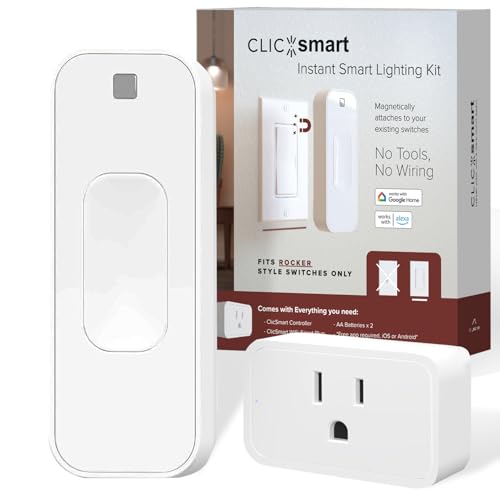
ClicSmart Rocker Smart Home Lighting Automation Starter Kit for Rocker Style Wall Switches Includes One WiFi Outlet Smart Plug and One Magnetic Bluetooth Rocker Switch Controller Free ClicSmart App
- Starter Kit Includes: Bluetooth controller, batteries, WiFi smart plug
- Voice Control Compatibility: Works with Google Home and Amazon Alexa
- Remote Control: Control devices from anywhere
As an affiliate, we earn on qualifying purchases.
As an affiliate, we earn on qualifying purchases.

Home Assistant Green | Smart Home hub with Advanced Automation | Official Home Assistant Hardware
- Easy Setup: Plug in power and Ethernet to start
- Official Hardware: Supported and developed by Nabu Casa
- Home-Friendly Design: Compact, fanless, silent, with powerful specs
As an affiliate, we earn on qualifying purchases.
As an affiliate, we earn on qualifying purchases.