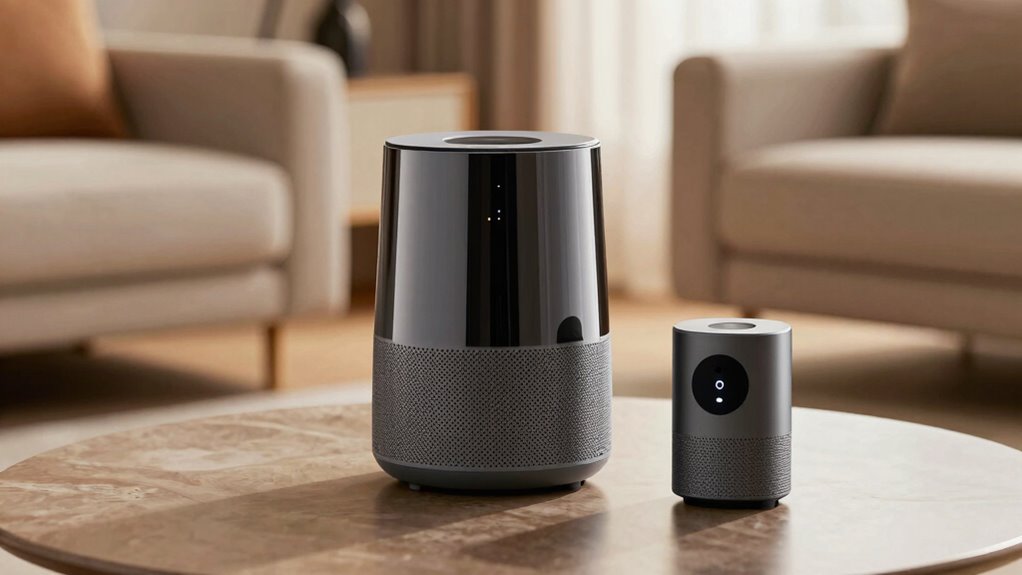

When choosing between premium and budget smart home devices, consider what’s most important to you: reliable voice control, seamless ecosystem integration, and long-term support. Premium devices often deliver better performance and fewer complications, but come at a higher cost. Budget options can work well for simple needs or testing, but may require more patience and precise commands. If you want to understand how to balance these factors effectively, keep exploring what suits your lifestyle best.

Get home appliances delivered free with Prime
- Fast, free delivery on millions of items
- Prime Video, Amazon Music and more included
- Member-only deals all year
Key Takeaways
- Assess your need for reliable voice recognition and seamless ecosystem integration versus basic functionality and cost savings.
- Consider the importance of compatibility with existing devices and preferred voice assistants.
- Weigh the long-term value, including support, updates, and potential for fewer issues with premium options.
- Evaluate how user experience and satisfaction are impacted by device performance and ease of use.
- Prioritize your budget based on automation complexity, desired reliability, and overall smart home goals.
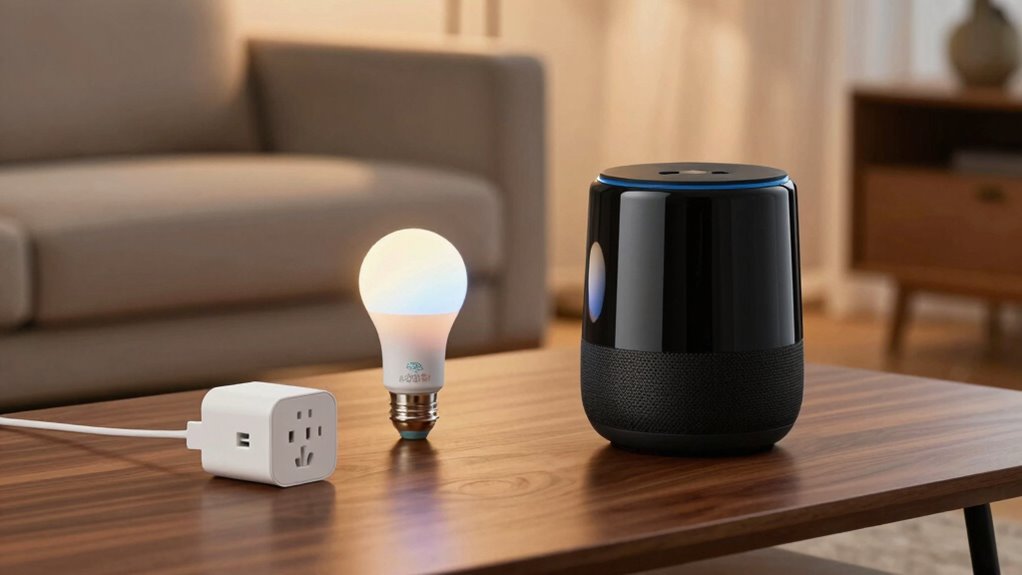
Smart home devices have become increasingly popular, offering convenience and automation to everyday life. When you’re considering whether to go for a premium or budget option, it’s essential to think about how you’ll use voice control and how compatible the devices are with your existing smart home ecosystem. Premium devices often boast more advanced voice recognition, making commands feel more natural and reliable. They tend to understand a wider range of accents and complex commands, which can make your interactions smoother. However, even high-end devices can face compatibility issues, especially if you mix brands or use devices that don’t all support the same ecosystems. It’s important to check whether a premium device will seamlessly integrate with your current setup or if you’ll encounter hiccups that frustrate your experience.
Premium smart home devices offer better voice recognition but may face compatibility issues with mixed ecosystems.
On the other hand, budget smart home devices may have more limited voice control capabilities. They might respond less accurately or require more precise commands, which can be annoying if you’re used to more sophisticated systems. Compatibility is often a bigger concern with cheaper devices because they might only work with specific platforms or lack support for popular voice assistants like Alexa, Google Assistant, or Siri. If you already have a preferred voice platform, you’ll want to verify that your budget choices will play nicely with it. Otherwise, you might end up with a device that’s technically compatible but doesn’t work as smoothly as you’d like, leading to frustration and wasted money. Additionally, compatibility limitations can influence your overall user experience and satisfaction with your smart home setup.
It’s also worth considering how voice recognition technology has improved over time, which can influence your choice depending on your expectations. When you’re deciding between premium and budget devices, consider how much you value seamless voice control and broad compatibility. Premium options often deliver better integration, more reliable voice recognition, and fewer compatibility issues, but they come at a higher price. Budget devices can still offer decent functionality, especially if your needs are simple, but you should be prepared for occasional hiccups or limited voice command features. Furthermore, it’s helpful to explore how future updates might enhance device performance and compatibility, potentially extending the lifespan of your investment. Staying informed about software updates and manufacturer support can help ensure your smart home remains functional and up-to-date. Additionally, manufacturer reputation can be an important factor in ensuring ongoing support and reliability for your devices. Think about your existing smart home setup and how much effort you want to put into maintaining compatibility. If you want a hassle-free experience with fewer issues, investing in premium devices might be worth it. Conversely, if you’re just testing the waters or have a tight budget, budget-friendly options can still improve your automation, provided you’re aware of their limitations.
Ultimately, your choice depends on your priorities: do you want the most reliable voice control and seamless integration, or are you comfortable with some compatibility challenges in exchange for saving money? Carefully evaluate how each device will fit into your lifestyle and smart home ecosystem to make the best decision.
premium smart home voice assistant
As an affiliate, we earn on qualifying purchases.
As an affiliate, we earn on qualifying purchases.
Frequently Asked Questions
Do Premium Devices Offer Better Security Features Than Budget Options?
Premium smart home devices generally offer better security features, reducing security vulnerabilities compared to budget options. They often include stronger encryption, regular updates, and advanced authentication methods, which help protect your privacy concerns. However, no device is entirely foolproof. You should always review each product’s security measures and stay vigilant, regardless of price. Investing in reputable brands can give you peace of mind, but staying proactive remains essential.
Can Budget Smart Home Devices Integrate Seamlessly With Premium Ecosystems?
Yes, budget smart home devices can often integrate seamlessly with premium ecosystems, especially if they support standard protocols like Zigbee or Z-Wave. You’ll appreciate the device customization options they offer, which enhance your user experience by allowing personalization and flexibility. While they may lack some advanced features, they still connect well, helping you create a cohesive smart home without breaking the bank.
How Do Warranty and Support Compare Between Premium and Budget Products?
You’ll find that premium smart home devices generally offer better warranty coverage and customer service, giving you peace of mind and quicker support when issues arise. Budget products might have limited warranties and slower, less responsive customer service, which can be frustrating if problems occur. When choosing, consider how important reliable support and warranty coverage are for your peace of mind and long-term satisfaction with your smart home setup.
Are There Significant Compatibility Issues With Budget Smart Home Devices?
Budget smart home devices can sometimes have compatibility issues, especially with more complex setups, which might affect device customization. You may find that their user interface isn’t as intuitive or seamless as premium options, leading to a frustrating experience. Before buying, check if the device supports your existing ecosystem and offers easy integration. While they’re more affordable, make sure they meet your needs for compatibility and user-friendliness.
Do Premium Devices Have Longer Lifespans Than Budget Alternatives?
Like a fine wine, premium devices often boast longer lifespans, thanks to superior build quality. Durability concerns are usually lower with these products, as they come from brands with strong reputations for reliability. While budget options may save you money upfront, they can wear out faster, leading to more frequent replacements. Ultimately, investing in premium devices can offer peace of mind, ensuring your smart home stays functional longer.
budget smart home device compatible with Alexa
As an affiliate, we earn on qualifying purchases.
As an affiliate, we earn on qualifying purchases.
Conclusion
So, next time you’re faced with the choice between a shiny, expensive smart gadget and a budget-friendly option, remember: your smart home isn’t about bragging rights. It’s about making life easier—unless you enjoy explaining why your fancy device’s always out of battery when you need it most. Ultimately, whether you splurge or save, your home’s intelligence depends more on your smarts than its price tag. Happy smart shopping—may your devices be ever responsive!
seamless ecosystem smart home hub
As an affiliate, we earn on qualifying purchases.
As an affiliate, we earn on qualifying purchases.
smart home device with reliable voice recognition
As an affiliate, we earn on qualifying purchases.
As an affiliate, we earn on qualifying purchases.
Halloween Picks
halloween
As an affiliate, we earn on qualifying purchases.