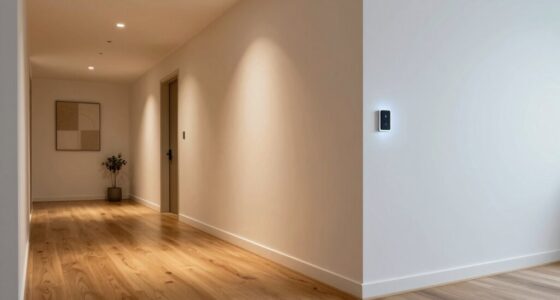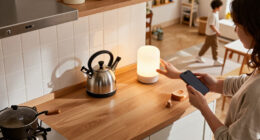
Smart switches and smart bulbs solve different problems because switches offer centralized control, managing multiple fixtures or entire circuits, which is great for larger spaces or multi-bulb setups. Smart bulbs focus on personalization, letting you change colors and brightness for specific ambiance without replacing fixtures. If you want tailored lighting with easy customization or streamlined control, smart bulbs are ideal. For all-encompassing management and automation, smart switches are your better option—there’s more to explore if you keep looking.

Get home appliances delivered free with Prime
- Fast, free delivery on millions of items
- Prime Video, Amazon Music and more included
- Member-only deals all year
Key Takeaways
- Smart bulbs offer customizable, individual lighting control, ideal for personalized ambiance without replacing fixtures.
- Smart switches provide centralized control over multiple bulbs or fixtures, simplifying management in larger spaces.
- Bulbs enable color and brightness personalization, while switches automate on/off schedules for energy efficiency.
- Switches manage entire circuits and multiple fixtures simultaneously, whereas bulbs focus on specific lighting environments.
- Compatibility and automation features differ, with bulbs emphasizing ambiance and switches enhancing integrated home control.
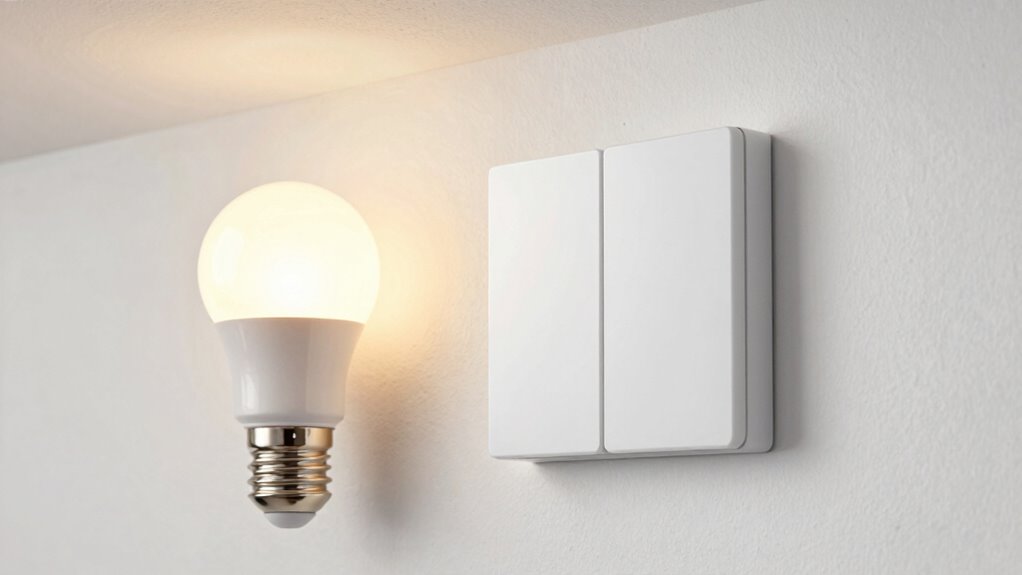
Smart bulbs excel at user customization. With them, you can change colors, adjust brightness, and set schedules directly from your smartphone or voice assistant. If you like creating different moods for movie nights or dinner parties, smart bulbs give you the flexibility to do so easily. They allow you to personalize your lighting environment without needing to replace fixtures or install new switches. Plus, since smart bulbs are often compatible with various apps and voice commands, you gain a seamless, intuitive way to control your lighting, making it more engaging and tailored to your preferences. Additionally, smart bulbs often support product comparisons, helping you choose the best options for your needs.
On the other hand, smart switches are designed to solve problems related to controlling multiple bulbs or fixtures simultaneously. They replace your existing wall switches, giving you centralized control over the lighting connected to that switch. This setup is especially useful if you want to manage traditional bulbs or fixtures that don’t support color or dimming features. They are also ideal for home automation setups, where integrated control over multiple devices enhances convenience. Smart switches also prevent the inconvenience of controlling individual bulbs, especially in multi-bulb fixtures or large rooms. They often come with scheduling and automation features, helping you turn lights on or off at specific times, which contributes to energy efficiency by reducing unnecessary electricity use. In this way, smart switches provide a more comprehensive solution for managing your home’s lighting and maximizing energy savings. Furthermore, their ability to control entire circuits makes them a reliable choice for lighting management in larger spaces. Integrating smart switches with other smart home devices can further optimize your home’s overall efficiency and functionality. Since they can be integrated with other smart home systems, they also support indoor air quality improvements by enabling coordinated control of ventilation and lighting systems.
As an affiliate, we earn on qualifying purchases.
Frequently Asked Questions
Are Smart Switches Compatible With All Types of Light Fixtures?
Smart switches aren’t compatible with all light fixtures because lighting installation and power compatibility vary. You need to check if your fixture uses a compatible bulb type and if your wiring supports smart switches. Some fixtures, like those with dimmer switches or certain LED bulbs, may require specific smart switches. Always verify the switch’s requirements and your fixture’s specifications to guarantee seamless integration and safe operation.
Do Smart Bulbs Require a Hub or Bridge to Function?
Did you know that over 80% of smart bulbs can work without a hub? Smart bulbs typically don’t need a hub or bridge to function, making setup easier. They often support voice control and boost energy efficiency directly through your Wi-Fi or Zigbee connection. This means you can control your lights from anywhere, save energy, and enjoy voice commands without extra equipment, simplifying your smart lighting experience.
Can Smart Switches Control Multiple Bulbs Simultaneously?
Yes, smart switches can control multiple bulbs simultaneously. When you use voice control, you can easily turn on or adjust all connected bulbs at once, making it convenient. Additionally, smart switches promote energy savings because they help you avoid leaving lights on unintentionally. You’ll appreciate how seamlessly they manage multiple bulbs, giving you more control and efficiency in your home lighting system.
How Secure Are Smart Switches and Bulbs From Hacking?
Smart switches and bulbs have security risks, but they can be quite secure if you take proper precautions. They use encryption protocols to protect your data, making hacking more difficult. Regular firmware updates are essential because they fix vulnerabilities and improve security. By keeping your devices updated and choosing reputable brands, you reduce the chances of hacking, ensuring your smart home remains safer and more secure.
What Is the Typical Lifespan of Smart Bulbs Compared to Traditional Bulbs?
They say, “A stitch in time saves nine,” and that’s true for smart bulbs too. Typically, smart bulbs last around 15,000 to 25,000 hours, outliving traditional bulbs, which usually last about 1,000 hours. This longevity comparison means smart bulbs are more energy-efficient over time, reducing replacement costs. While traditional bulbs burn out faster, smart bulbs offer a longer lifespan, making them a smarter choice for your energy efficiency goals.
As an affiliate, we earn on qualifying purchases.
Conclusion
In the end, choosing between smart switches and bulbs depends on what you need to control and how. Think of smart switches as your trusty steed, giving you the power to manage entire circuits, while smart bulbs are like tiny lanterns, perfect for customizing individual lighting. By understanding their differences, you can create a smarter, more comfortable home—like having your own modern-day hearth. Embrace the tech, and let your home shine bright in this digital age.
As an affiliate, we earn on qualifying purchases.
As an affiliate, we earn on qualifying purchases.
Fall Picks
fall essentials
As an affiliate, we earn on qualifying purchases.