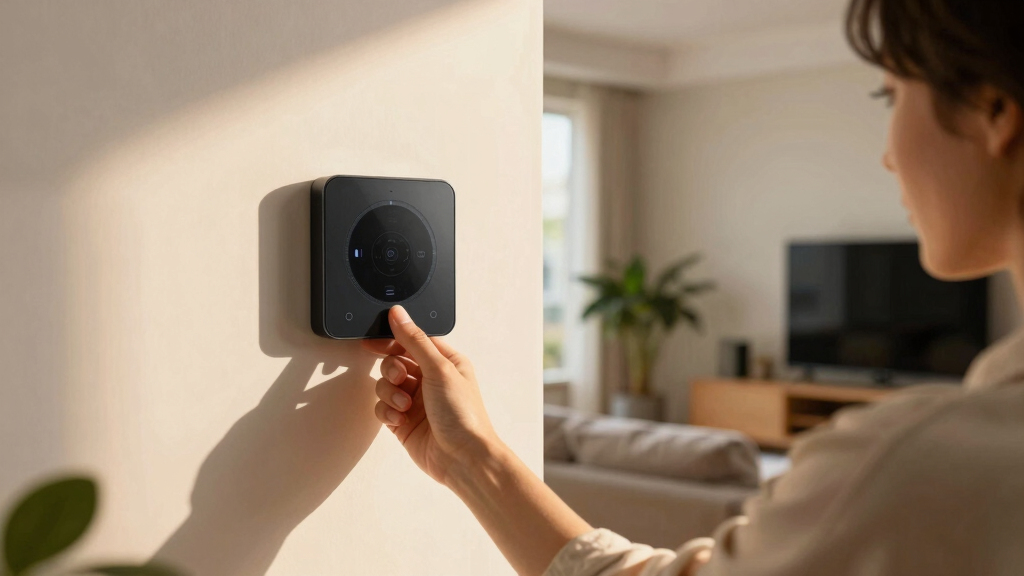

Smart home energy monitors are essential tools for anyone looking to understand and reduce their electricity consumption. The best options, like the Meross Smart Home Energy Monitor, offer comprehensive circuit monitoring and real-time data, making energy management straightforward. Other standout picks, such as the Emporia Vue 3 and Refoss Smart Energy Monitor, excel in local data control and compatibility with smart systems. The main tradeoffs typically involve balancing detailed monitoring features with ease of use and cost. Keep reading for a detailed comparison that will help you select the right monitor for your home.
Key Takeaways
- Most top-performing monitors support real-time data and detailed circuit tracking, but complexity varies widely.
- Connectivity options, such as Wi-Fi, Ethernet, and open APIs, significantly influence setup ease and integration potential.
- Higher-end models often include certifications like UL, emphasizing safety and reliability for larger or commercial setups.
- Compatibility with home automation platforms, particularly Home Assistant, is a key factor for tech-savvy users.
- Tradeoffs between price and features are common; advanced monitors may require technical skills but offer richer data insights.
| Meross Smart Energy Consumption Monitor with 18 Circuit Monitoring |  | Best Overall for Detailed Circuit Monitoring and Home Automation | Certification: ETL, UL 61010 | Supported Systems: Single-phase 2-wire, single-split phase 3-wire, 3-phase 4-wire Wye | Main Circuits: 200A | VIEW LATEST PRICE | See Our Full Breakdown |
| WiFi Home Energy Monitor with 3 CT Clamps, Circuit-Level Monitoring, and App Control |  | Best for Easy App Control and Multi-Circuit Monitoring | Input Voltage: 100–240V AC | Number of CT Clamps: 3 | Max Current per Circuit: 80A | VIEW LATEST PRICE | See Our Full Breakdown |
| Emporia Vue 3 Commercial 3-Phase Smart Energy Monitor |  | Best for Small Business and Advanced Home Use | Manufacturer: Emporia Corp. | Part Number: 999-00015 | Item Weight: 4.97 pounds | VIEW LATEST PRICE | See Our Full Breakdown |
| Eyedro Home Energy Monitor with WiFi/Ethernet, 2 Sensors, Real-Time Power Usage & Solar Net Metering |  | Best for Solar and Grid Monitoring with Cloud Reports | Sensors: 2 x 200A sensors | Connectivity: WiFi (2.4 GHz) and Ethernet | Compatibility: Solar, grid, and net metering | VIEW LATEST PRICE | See Our Full Breakdown |
| Home Energy Monitor – Real-Time Electricity Usage & AI-Powered Energy Management |  | Best for AI-Driven, Scalable Multi-Circuit Monitoring | Model: eMonHub-HNA0A | Weight: 2.8 pounds | Dimensions: 4.73 x 3.15 x 1.22 inches | VIEW LATEST PRICE | See Our Full Breakdown |
| Refoss Smart Home Energy Monitor with Circuit Sensors and Local Data Storage |  | Best for Privacy-Conscious Energy Management | Number of circuits monitored: 18 | Sensor current capacity: up to 60A (branch), up to 200A (main) | System compatibility: Single-phase, Split-phase, 3-phase 4-wire Wye | VIEW LATEST PRICE | See Our Full Breakdown |
| Emporia Vue 3 Home Energy Monitor – Real-Time Electricity Usage and Power Consumption Meter |  | Best for Simplicity and Flexibility in Standard Homes | Certification: UL Listed | Supported Systems: Single phase, split phase, 3-phase | Connectivity: Wi-Fi 2.4 GHz | VIEW LATEST PRICE | See Our Full Breakdown |
| Emporia Vue 3 Home Energy Monitor – Real-Time Electricity Usage & Power Consumption Meter with UL Certification |  | Best for Professional-Grade Installation and Safety | Certification: UL Listed, CE Listed | Supported Systems: Single phase, split phase, 3-phase | Sensors: 16 circuit sensors (50A each) | VIEW LATEST PRICE | See Our Full Breakdown |
| Refoss Smart Home Energy Monitor with Open API & Web UI |  | Best for Tech-Savvy Users and Custom Integration | Model: EM16 | Weight: 4.27 pounds | Dimensions: 4.5 x 3.48 x 1.1 inches | VIEW LATEST PRICE | See Our Full Breakdown |
| Emporia Vue 3 Home Energy Monitor – Smart Home Automation Module and Real-Time Electricity Usage Monitor |  | Best Overall | Part Number: EMV3A-2P-8 | Item Weight: 3.36 pounds | Product Dimensions: 10 x 5 x 5 inches | VIEW LATEST PRICE | See Our Full Breakdown |
| Smart Home Energy Monitor with 2 x 120A CTs, Wi-Fi, and Bi-Directional Power Tracking |  | Best for Accurate, Grid-Connected Monitoring | Current Transformers: 2 x 120A CTs | Connectivity: Wi-Fi 2.4GHz | Compatibility: Single-Phase 3-Wire System | VIEW LATEST PRICE | See Our Full Breakdown |
| Smart Home Energy Monitor with 16 50A Circuit Sensors, Real-Time Power Usage & Cost Tracking, Compatible with Home Assistant |  | Best for Multi-Circuit Detailed Monitoring | Model: SEM-Meter | Weight: 4.09 pounds | Dimensions: 3.1 x 1.2 x 4.18 inches | VIEW LATEST PRICE | See Our Full Breakdown |
| Meross Smart Home Energy Monitor with 18 Circuit Monitoring, Home Assistant Support, Real-Time Energy Usage Tracking, Solar Surplus Detection, Smart Alerts, No Subscriptions, 2-Year Warranty | | Best for Large, Multi-Circuit Homes with Smart Integration | Circuit Monitoring: 18 circuits (2 main + 16 branch) | Supported Systems: Single-phase 2-wire, single-split phase 3-wire, 3-phase 4-wire Wye | Current Capacity: Main circuits up to 200A, branch circuits up to 60A | VIEW LATEST PRICE | See Our Full Breakdown |
More Details on Our Top Picks
Meross Smart Energy Consumption Monitor with 18 Circuit Monitoring
This model stands out for its extensive circuit-level monitoring, supporting up to 18 circuits, and seamless integration with Home Assistant, making it ideal for tech-savvy homeowners who want detailed insights and automation capabilities. Compared with the Eyedro or the Home Energy Monitor by B0FK48LJC1, it offers more precise circuit tracking without subscription fees, but its installation can be complex for those without electrical experience. Its support for home automation and solar management makes it a versatile choice, though limited to US electrical standards and lacking cloud storage options.
Pros:- Provides detailed real-time energy monitoring and analysis
- Supports circuit-level monitoring for precise insights
- Integrates with Home Assistant for automation and solar management
- No subscriptions or cloud lock-in, ensuring privacy
Cons:- Installation may require some technical knowledge
- Limited to US electrical systems
- No cloud storage options
Best for: Homeowners with technical skills who want detailed, circuit-specific energy data and automation integration
Not ideal for: Renters or those unfamiliar with electrical wiring, due to complex installation and system restrictions
- Certification:ETL, UL 61010
- Supported Systems:Single-phase 2-wire, single-split phase 3-wire, 3-phase 4-wire Wye
- Main Circuits:200A
- Branch Circuits:60A
- Data Storage:Up to 5 years
- Connectivity:Home Assistant, Open API, Web Control
Bottom line: This pick is best suited for electrically skilled homeowners seeking comprehensive circuit data and automation capabilities.
WiFi Home Energy Monitor with 3 CT Clamps, Circuit-Level Monitoring, and App Control
This monitor makes a strong case for users wanting quick setup and real-time data via smartphone apps like Smart Life or Tuya, supporting up to three circuits with current limits of 80A. Unlike the Meross, which requires more technical installation, this device emphasizes user-friendly app control and remote features, suitable for homeowners who prefer straightforward setup. Its limitations include the need for professional wiring and WiFi dependency, but for those with basic electrical knowledge, it offers a practical, flexible solution for solar, HVAC, and household circuits.
Pros:- Supports monitoring of multiple circuits simultaneously
- Real-time data accessible via smartphone apps
- Includes temperature alerts and remote control features
- Suitable for home, solar, and HVAC systems
Cons:- Installation requires electrical wiring and professional help
- Limited to circuits with up to 80A current
- Requires WiFi connection for app features
Best for: Homeowners seeking an easy-to-use, app-controlled energy monitor for multiple circuits without complex automation integration
Not ideal for: Users who want deep circuit data or advanced automation features, as it focuses on straightforward monitoring and control
- Input Voltage:100–240V AC
- Number of CT Clamps:3
- Max Current per Circuit:80A
- Connectivity:WiFi 2.4GHz
- App Compatibility:Smart Life, Tuya
- Relay Current:15A
Bottom line: Ideal for homeowners wanting simple, app-based circuit monitoring without complex setup or automation demands.
Emporia Vue 3 Commercial 3-Phase Smart Energy Monitor
The Emporia Vue 3 is designed for users who need support for both single-phase and three-phase systems, making it suitable for small businesses or homes with complex electrical setups. It provides real-time data and power metrics, outperforming simpler monitors like the Eyedro or Home Energy Monitor in system versatility. However, its installation involves circuit panel work, often requiring professional help, and additional sensors are needed for 3-phase systems. Its lack of batteries limits backup options, but its broader system compatibility makes it a versatile choice for demanding users.
Pros:- Supports multiple system types including single-phase and three-phase
- Provides real-time electricity usage monitoring
- Suitable for both business and home automation
- Offers detailed power consumption metrics
Cons:- Requires professional installation in circuit panel
- Additional sensors needed for 3-phase, 4-wire systems
- No batteries included for backup
Best for: Small business owners or homeowners with three-phase systems seeking comprehensive, real-time energy data
Not ideal for: Renters or less technical users who prefer plug-and-play options, due to installation complexity
- Manufacturer:Emporia Corp.
- Part Number:999-00015
- Item Weight:4.97 pounds
- Product Dimensions:10 x 5 x 5 inches
- Item Model Number:EMV3A-3P-16
- Power Source:Hardwire
Bottom line: This monitor is best for users with complex electrical setups needing detailed, real-time data and willing to handle professional installation.
Eyedro Home Energy Monitor with WiFi/Ethernet, 2 Sensors, Real-Time Power Usage & Solar Net Metering
The Eyedro offers reliable real-time data and supports solar net metering, making it a popular choice for homeowners with solar panels wanting to monitor both consumption and production. Compared with the Home Energy Monitor by B0FK48LJC1, it requires two sensors for accurate solar and grid separation, but it compensates with WiFi and Ethernet options and detailed cloud reports. While setup is straightforward, its North American standards limit use elsewhere, and it lacks advanced automation or circuit-specific monitoring beyond the two sensors.
Pros:- Provides real-time energy consumption data
- Supports solar net metering and grid monitoring
- Easy setup with WiFi or Ethernet
- Includes detailed reports and history
Cons:- Requires two sensors for accurate solar and grid separation
- Limited to North American safety standards
- No automation features included
Best for: Homeowners with solar systems needing real-time, cloud-based monitoring of consumption and production
Not ideal for: Users seeking detailed circuit-level data or automation integration, as it focuses on whole-house and solar net metering
- Sensors:2 x 200A sensors
- Connectivity:WiFi (2.4 GHz) and Ethernet
- Compatibility:Solar, grid, and net metering
- Included accessories:Ethernet cable, power adapter
- Standards:North American safety standards
Bottom line: Best suited for solar owners who want clear, cloud-based insights into energy use and production, with simple setup.
Home Energy Monitor – Real-Time Electricity Usage & AI-Powered Energy Management
This device offers a sophisticated approach with support for up to 30 circuits and AI analysis for energy optimization. Unlike the simpler models like the Eyedro or Meross, it emphasizes AI-powered insights and automation, suitable for users wanting to maximize efficiency and scalability. Its setup can be complex, often requiring technical knowledge, and its higher price reflects its advanced features. Despite limited long-term user reviews, its certified safety and modular design make it appealing for those ready to invest in a future-proof energy management system.
Pros:- Supports real-time monitoring with detailed data analysis
- Integrates with home automation and AI for energy optimization
- Scalable system supporting multiple units and circuits
- Certified for safety and reliable operation
Cons:- Complex setup may require technical knowledge
- Higher price point for advanced features
- Limited user reviews for long-term reliability
Best for: Tech-savvy homeowners or small businesses seeking scalable, AI-powered energy management and automation
Not ideal for: Less experienced users or those with tight budgets who prefer plug-and-play solutions, due to setup complexity and cost
- Model:eMonHub-HNA0A
- Weight:2.8 pounds
- Dimensions:4.73 x 3.15 x 1.22 inches
- Power Supply:WiFi and Ethernet
- Monitoring Circuits:Up to 30 circuits with bundled units
- Supported Systems:Single-phase, three-phase (TN/TT), North America
Bottom line: Ideal for users seeking a future-ready, AI-integrated, and scalable energy monitoring system willing to handle a more involved setup process.
Refoss Smart Home Energy Monitor with Circuit Sensors and Local Data Storage
This model stands out for its ability to monitor up to 18 circuits with high precision, supporting local data storage and privacy without relying on cloud services. Compared to the Emporia Vue 3 models, it offers more detailed analytics and fault alerts, making it ideal for households with technical expertise seeking deep insights. However, its setup process can be complex, requiring some electrical knowledge, and it doesn’t support multi-phase systems beyond the specified configurations. The absence of subscription fees and the focus on local control make it appealing for those concerned about data privacy and long-term savings. Its compatibility with solar energy systems enhances its value for energy-conscious households that prioritize detailed monitoring and control without ongoing cloud costs.
Pros:- High-precision monitoring of multiple circuits
- Supports local data storage and privacy without cloud reliance
- Compatible with solar energy management and automation
- Detailed analytics and fault alerts
Cons:- Requires technical setup and electrical knowledge
- Limited to specific system types (single-phase, split-phase, 3-phase Wye)
- No subscription-based data services
Best for: Homeowners with technical skills wanting detailed, privacy-focused energy data across many circuits
Not ideal for: Casual users or those seeking plug-and-play solutions without electrical system understanding
- Number of circuits monitored:18
- Sensor current capacity:up to 60A (branch), up to 200A (main)
- System compatibility:Single-phase, Split-phase, 3-phase 4-wire Wye
- Data storage:5 years
- Connectivity:Wi-Fi with external antenna
- Certification:ETL
Bottom line: This pick suits technically inclined users who need comprehensive, privacy-focused energy monitoring across many circuits.
Emporia Vue 3 Home Energy Monitor – Real-Time Electricity Usage and Power Consumption Meter
The Emporia Vue 3 excels for users who want reliable, real-time energy data with straightforward installation, especially those managing single or split-phase systems. It supports solar and net metering, making it suitable for homeowners aiming to optimize renewable energy use. Compared with the Refoss monitor, it offers easier setup but requires additional sensors for comprehensive appliance-level tracking, which can add to costs. Its UL certification ensures safety and reliability, but the need for Wi-Fi connectivity and additional sensors makes it less ideal for users seeking a purely local solution. This monitor’s balance of safety, flexibility, and ease of use makes it a solid choice for typical households looking to reduce energy bills without complex configurations.
Pros:- UL-certified for safety and reliability
- Real-time energy data with detailed insights
- Supports various electrical systems and solar integration
- Easy installation in standard panels
Cons:- Additional sensors are required for appliance-level monitoring
- Wi-Fi dependency limits offline use
- Some advanced configurations may need professional help
Best for: Homeowners seeking a reliable, easy-to-install energy monitor with solar integration
Not ideal for: Advanced users needing extensive circuit monitoring or local data control without Wi-Fi
- Certification:UL Listed
- Supported Systems:Single phase, split phase, 3-phase
- Connectivity:Wi-Fi 2.4 GHz
- Data Retention:7 days minute data, indefinite hourly data
- Sensor Compatibility:Up to 16 sensors
- Warranty:1 year
Bottom line: This monitor is ideal for typical homeowners who want straightforward, real-time energy tracking with solar support.
Emporia Vue 3 Home Energy Monitor – Real-Time Electricity Usage & Power Consumption Meter with UL Certification
Compared to the standard Vue 3, this version emphasizes safety with UL and CE certifications, making it suitable for households prioritizing certified components. It installs directly in circuit panels and supports up to 16 sensors for comprehensive monitoring, similar to the previous model but with added safety assurance. Its dimensions may require more space, and installation might demand professional help, especially for complex systems. While it offers real-time data and supports solar, its focus on safety and installation in the main panel makes it better suited for users with some electrical experience or contractors. This model’s emphasis on safety certifications positions it well for those installing in shared or rental properties where compliance matters.
Pros:- UL and CE certified for safety and compliance
- Supports extensive energy monitoring including solar
- Easy installation in circuit panels with adjustable sensors
- Real-time data and actionable insights
Cons:- Installation may require professional help
- Larger dimensions may limit placement options
- Additional sensors needed for complex systems
Best for: Homeowners or contractors prioritizing safety certifications and professional-grade installation
Not ideal for: DIY users without electrical experience or those seeking portable, plug-in energy monitors
- Certification:UL Listed, CE Listed
- Supported Systems:Single phase, split phase, 3-phase
- Sensors:16 circuit sensors (50A each)
- Connectivity:Wi-Fi 2.4 GHz
- Data Retention:7 days minute data, indefinite hourly data
- Dimensions:10 x 5 x 5 inches
Bottom line: This model suits those needing certified, professional-grade monitoring in the circuit panel for enhanced safety and reliability.
Refoss Smart Home Energy Monitor with Open API & Web UI
This pick stands out for its support of local control via Web UI, Open API, and MQTT, making it ideal for tech-savvy users who want seamless integration with platforms like Home Assistant. It offers ±1% accuracy and long-term data storage, surpassing many competitors in data fidelity. Compared with the Emporia Vue 3 models, it emphasizes privacy and customization over plug-and-play simplicity. Installation requires some technical know-how, especially for integrating with custom automation setups. Its support for solar energy automation and local data control makes it a compelling choice for energy enthusiasts willing to handle a more involved setup. This monitor is best for users who prioritize control, privacy, and long-term data insights over ease of installation.
Pros:- Supports local control via Web UI, Open API, and MQTT
- High accuracy of ±1% for precise data
- Seamless integration with Home Assistant and AI automation
- Supports solar energy automation to optimize self-consumption
Cons:- Installation may require technical expertise
- Limited to specific circuit capacities (up to 200A main, 60A branch)
- Requires familiarity with automation platforms
Best for: Advanced users or developers seeking local, customizable energy monitoring with automation support
Not ideal for: Users with limited technical skills or those who prefer straightforward, out-of-the-box solutions
- Model:EM16
- Weight:4.27 pounds
- Dimensions:4.5 x 3.48 x 1.1 inches
- Current Sensors:2 main (200A), 16 branch (1–60A)
- Connectivity:WiFi, MQTT, Open API
- Accuracy:±1%
Bottom line: This monitor fits users comfortable with technical setups who want extensive control and automation integration for energy management.
Emporia Vue 3 Home Energy Monitor – Smart Home Automation Module and Real-Time Electricity Usage Monitor
The Emporia Vue 3 stands out for its versatility and safety certifications, making it a reliable choice for comprehensive energy management. It supports a wide range of electrical systems, including single-phase and 3-phase configurations, similar to the Meross Smart Home Energy Monitor, but offers more automation features and a broader system support. Compared to simpler monitors, it provides detailed real-time data and automation capabilities, though these come with the tradeoff of needing a Wi-Fi connection and extra sensors for certain setups. Its UL listing ensures safety, but data retention is limited when the app isn’t active, which could be inconvenient for long-term analysis.
Pros:- UL-listed for safety and reliability
- Supports various electrical system configurations
- Provides real-time energy monitoring and automation
- Compatible with iPhone, Android, and web apps
Cons:- Requires Wi-Fi connection for real-time data
- Additional sensor needed for 3-phase systems
- Limited data retention when app is inactive
Best for: Homeowners with complex electrical systems seeking reliable, certified monitoring with automation integration.
Not ideal for: Renters or those with basic single-circuit setups who need simple, plug-and-play solutions without extensive configuration.
- Part Number:EMV3A-2P-8
- Item Weight:3.36 pounds
- Product Dimensions:10 x 5 x 5 inches
- Certification:CE, UL
- Supported Systems:Single phase, Single-split phase, 2-wire, 3-phase, 4-wire Wye systems with earthed neutral
- Batteries Included:No
Bottom line: This pick makes the most sense for users who want a robust, certified system capable of supporting complex electrical setups and automation.
Smart Home Energy Monitor with 2 x 120A CTs, Wi-Fi, and Bi-Directional Power Tracking
This device offers highly accurate energy data, ideal for users who want precise tracking of both consumption and solar export, similar to the Meross Smart Home Energy Monitor. Its Class 1 accuracy and bi-directional power tracking make it suitable for solar owners needing detailed export figures. Installation is straightforward with pluggable terminals and split-core CTs, but setup may be complex for less technical users. Its Wi-Fi dependency and single-phase limitation mean it’s best for homes with straightforward electrical systems. Compared to the Emporia Vue 3, it emphasizes accuracy and solar support but lacks multi-phase support, which could restrict larger or more complex systems.
Pros:- Highly accurate energy monitoring and reporting
- Supports solar and grid power export measurement
- Easy to install with split-core CTs and pluggable terminals
- Compatible with smart home automation and real-time app data
Cons:- Requires Wi-Fi network for operation
- Limited to single-phase systems
- Potentially complex setup for non-technical users
Best for: Solar-equipped homeowners requiring precise, bidirectional energy measurement and integration with home automation.
Not ideal for: People with three-phase systems or those who prefer a simple, plug-and-play device without detailed export measurement.
- Current Transformers:2 x 120A CTs
- Connectivity:Wi-Fi 2.4GHz
- Compatibility:Single-Phase 3-Wire System
- Features:Bi-Directional Power Monitoring, Dynamic Load Balancing, Zero Grid Export Mode
- Accuracy:Class 1
Bottom line: Best suited for solar owners who need precise, bidirectional power data and integration with automation systems.
Smart Home Energy Monitor with 16 50A Circuit Sensors, Real-Time Power Usage & Cost Tracking, Compatible with Home Assistant
This model excels at tracking multiple circuits simultaneously, making it ideal for large homes or rental properties. Its support for up to 16 circuits and local control via MQTT distinguishes it from simpler monitors like the Refoss Smart Home Energy Monitor. Installation requires some electrical know-how, especially when configuring different voltage systems, but the detailed real-time data and local control options offer significant flexibility. While it’s limited to Wi-Fi 2.4GHz networks, its compatibility with Home Assistant and open API makes it attractive for tech-savvy users seeking detailed insights without relying solely on cloud services.
Pros:- Supports extensive circuit monitoring with real-time data
- Compatible with Home Assistant for automation and data analysis
- Local data storage enhances privacy and access speed
- Easy installation with circuit sensors and plug-in design
Cons:- Requires some technical knowledge for setup
- Limited to WiFi 2.4GHz networks
- No cloud storage options, relying on local data
Best for: Property managers or homeowners who want detailed energy data across many circuits with local control options.
Not ideal for: Users unfamiliar with electrical systems or those who want a quick, no-setup solution without technical involvement.
- Model:SEM-Meter
- Weight:4.09 pounds
- Dimensions:3.1 x 1.2 x 4.18 inches
- Sensors:16 50A Circuit Sensors, 2 200A Sensors
- Supported Voltages:Single-phase up to 240VAC, split-phase 120/240VAC, three-phase up to 415Y/240VAC
- Connectivity:WiFi 2.4GHz, MQTT, LAN
Bottom line: Ideal for advanced users who need comprehensive circuit-level monitoring and local control without cloud dependency.
Meross Smart Home Energy Monitor with 18 Circuit Monitoring, Home Assistant Support, Real-Time Energy Usage Tracking, Solar Surplus Detection, Smart Alerts, No Subscriptions, 2-Year Warranty
The Meross Smart Home Energy Monitor offers extensive circuit coverage and local data storage, making it well-suited for large households or multi-unit dwellings. Its support for up to 18 circuits and integration with Home Assistant provides detailed insights and automation options, similar to the Emporia Vue 3, but with the advantage of local data privacy and a longer warranty. Its ability to detect solar surplus and trigger alerts helps optimize energy use, yet it’s limited to US electrical systems, which could restrict international buyers. Installation is straightforward with clamp-on sensors, but the device’s reliance on local data storage might be a drawback for users expecting cloud connectivity or remote access.
Pros:- Supports comprehensive circuit monitoring with real-time data
- Integrates seamlessly with Home Assistant and supports solar surplus detection
- Local data storage ensures privacy and quick access
- No subscription costs, with a 2-year warranty
Cons:- Limited to US electrical systems
- Requires compatible smart home setup for full features
- No cloud storage or remote access by default
Best for: Large households or property owners seeking extensive circuit monitoring with deep smart home integration and privacy focus.
Not ideal for: International users outside the US or those preferring cloud-based storage and remote access over local data management.
- Circuit Monitoring:18 circuits (2 main + 16 branch)
- Supported Systems:Single-phase 2-wire, single-split phase 3-wire, 3-phase 4-wire Wye
- Current Capacity:Main circuits up to 200A, branch circuits up to 60A
- Data Storage:Up to 5 years
- Warranty:2 years
- Compatibility:Home Assistant, Open API, Web Control
Bottom line: Best suited for large, privacy-conscious homes needing detailed, multi-circuit energy insights with smart automation support.
How We Picked
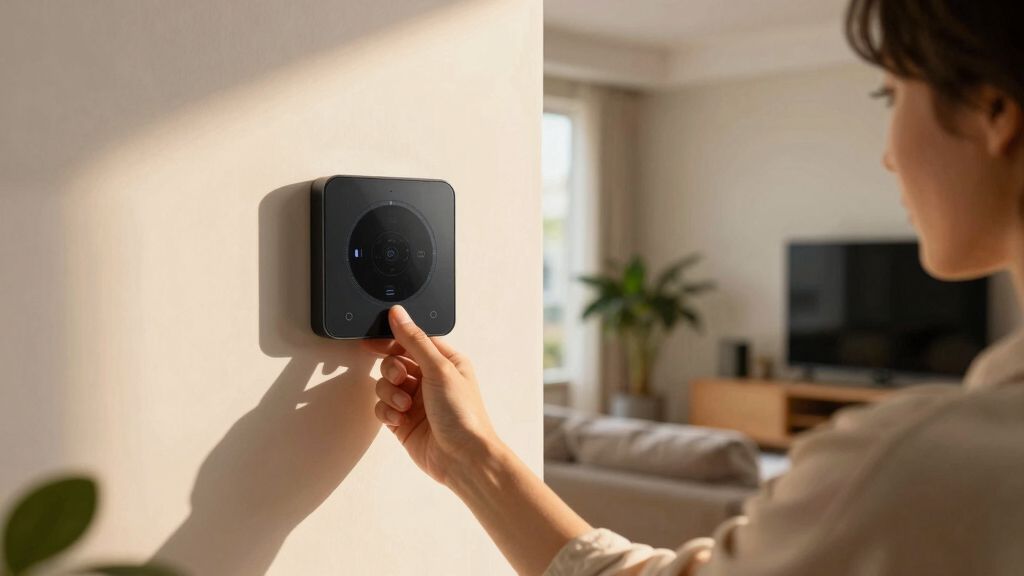
Our evaluation focused on performance, ease of installation, build quality, data accessibility, and compatibility. We prioritized models that provide accurate real-time energy data and support multiple circuits or three-phase systems, depending on user needs. Reliability and safety certifications, like UL approval, were also key considerations for more complex setups. Cost-effectiveness was weighed alongside feature set, with an emphasis on devices that balance affordability with comprehensive monitoring. Rankings reflect how well each product meets these criteria while also offering user-friendly interfaces and integration options for various smart home ecosystems.Factors to Consider When Choosing Smart Home Energy Monitors
Choosing the right smart home energy monitor involves several important considerations beyond just price or brand. Understanding your home’s electrical setup and your technical comfort level can help narrow your options. Functional features like circuit count, data accessibility, and API support determine how deeply you can analyze your energy use. Compatibility with existing smart home systems ensures seamless integration, while certification and build quality matter for long-term reliability. Considering these factors can help you avoid common pitfalls and select a monitor that truly meets your needs.Electrical Compatibility and Setup
Before purchasing, verify that the energy monitor supports your home’s electrical system, whether single-phase or three-phase. Some models are designed for residential use with fewer circuits, while others cater to larger, complex setups. Proper installation might require electrical expertise, especially for circuit-level monitoring. Choosing a monitor that aligns with your home’s wiring and your comfort with electrical work can prevent headaches and ensure accurate data collection.
Data Accessibility and Integration
Effective energy management hinges on how easily you can access and interpret the data. Monitors with open APIs, web UI, or compatibility with platforms like Home Assistant unlock deeper insights and automation potential. If you prefer simple dashboards, look for user-friendly apps with clear visualizations. Avoid models with limited data export options or proprietary systems if you plan to integrate with other smart home devices or perform detailed analysis.
Connectivity and Network Requirements
Most monitors rely on Wi-Fi, but Ethernet or cellular options may be necessary for more reliable data transmission in some homes. Consider your network stability and whether your setup supports the required connections. Monitors with open or customizable APIs offer greater flexibility but might require network configuration skills. Ensure your chosen model can connect seamlessly to your existing network without frequent disconnections or latency issues.
Cost, Features, and Futureproofing
Higher-priced models often include advanced features like multi-circuit monitoring, solar integration, or bi-directional power tracking. Evaluate whether these capabilities align with your energy goals and budget. Investing in a more capable monitor can pay off if you’re interested in detailed analysis or future system expansion. However, avoid overspending on features you won’t use, and consider starting with a simpler model if you’re new to energy monitoring.
Safety Certifications and Reliability
For larger or more complex installations, safety certifications like UL approval matter. They indicate the device has been tested for electrical safety and reliability. Skipping this step could lead to issues with durability or compliance, especially if you plan to integrate the monitor into a system with solar or high-capacity circuits. Prioritize models with proven safety standards to avoid potential hazards or warranty issues down the line.
Frequently Asked Questions
Can I install a smart energy monitor myself?
While some models are designed for DIY installation and come with detailed instructions, installing a circuit-level energy monitor often involves working with high voltages. If you lack electrical experience, hiring a licensed electrician is recommended to ensure safety and proper setup. Incorrect installation can lead to inaccurate data or electrical hazards, so prioritize safety and compliance with local codes when deciding whether to install yourself or hire a professional.
Will a smart energy monitor work with my existing smart home system?
Many monitors support popular platforms like Google Home, Amazon Alexa, or Apple HomeKit, but compatibility varies. Check each model’s specifications and integration options before purchasing. For systems like Home Assistant or open API support, ensure your technical skills or automation needs align with the device’s capabilities. Compatibility can greatly enhance the utility of your monitor through automation and centralized control.
How accurate are these energy monitors?
Most high-quality monitors provide accurate real-time data, often within a few percentage points of actual consumption. However, accuracy depends on proper installation and calibration, especially for circuit-level devices. Keep in mind that some models may perform better with certain types of loads or circuit configurations. Reading user reviews and product specifications can help gauge how precise a particular monitor is for your setup.
Are there monitors suitable for multi-home or commercial use?
Yes, some models like the Emporia Vue 3 or Emporia Vue 3 Commercial are designed for larger, multi-phase, or commercial systems. These offer more circuits, higher ratings, and often include advanced features like three-phase monitoring or solar integration. However, they usually come with a higher price tag and may require professional installation. Consider your current and future energy management needs before opting for these more robust options.
What should I consider if I want to monitor solar energy production?
To track solar energy, look for monitors with solar net metering support or dedicated solar integration features. Compatibility with your inverter or solar system is essential for accurate data. Some monitors include specific sensors or software for solar tracking, which can help you optimize your energy use and savings. Be aware that integrating solar data might require additional setup or higher-end models, so plan accordingly based on your system size and complexity.
Conclusion
For general homeowners seeking straightforward, reliable energy tracking, the Meross Smart Home Energy Monitor offers a balanced mix of features and ease of use. Tech enthusiasts or those with complex setups will appreciate models like the Emporia Vue 3 for its advanced data access and integration. Budget-conscious buyers can find solid options in the Refoss Smart Energy Monitor series that deliver core functionality without extra bells and whistles. If safety and certification are priorities, particularly for large or professional installations, models with UL certification should be your top choice. For beginners, starting with a simple, app-based monitor makes the most sense, while experienced users should consider models with open APIs and extensive compatibility for future expansion.