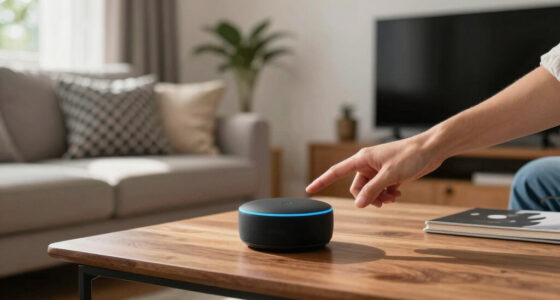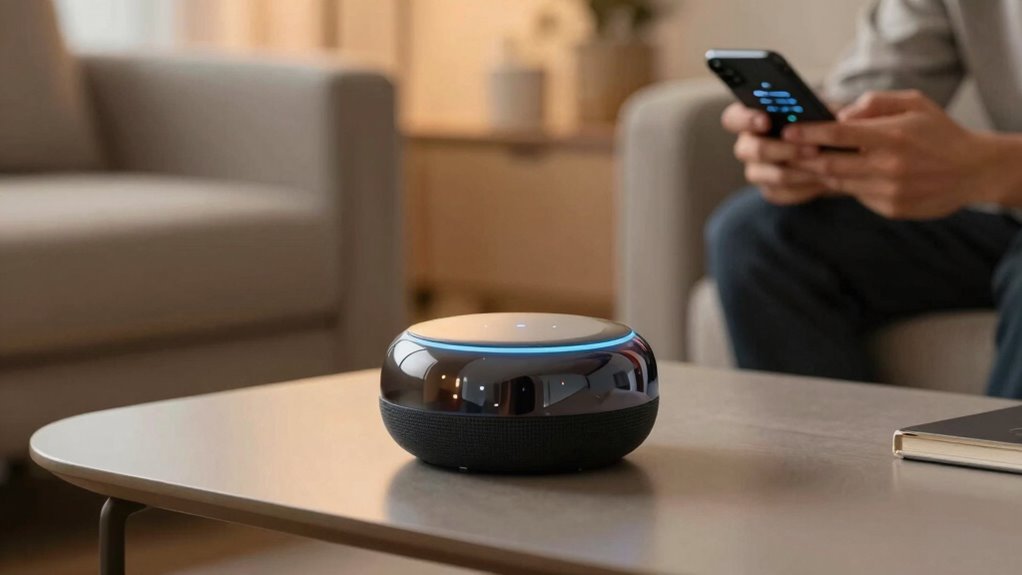
Privacy settings on your smart speaker deserve more attention because they help you control what personal data gets shared and stored. These devices are always listening and sending data to cloud servers, which could expose your information if security measures aren’t properly configured. By actively managing these settings, you reduce risks like unauthorized access or data breaches. Taking steps to customize, review, and update your privacy options can make a big difference—discover how to protect yourself even better as you go forward.

Get home appliances delivered free — and shop member deals
- Fast, free delivery on millions of items
- Access to Prime Big Deal Days deals on October 6–7
- Prime Video, Amazon Music and more included
Key Takeaways
- Privacy settings control data sharing, reducing unwanted personal information exposure.
- Proper configuration enhances security, preventing unauthorized access and potential breaches.
- Regular management of privacy features minimizes risks from voice recognition and data retention.
- Awareness of encryption and data control options ensures better protection of sensitive information.
- Active privacy management builds user confidence and safeguards against privacy violations.
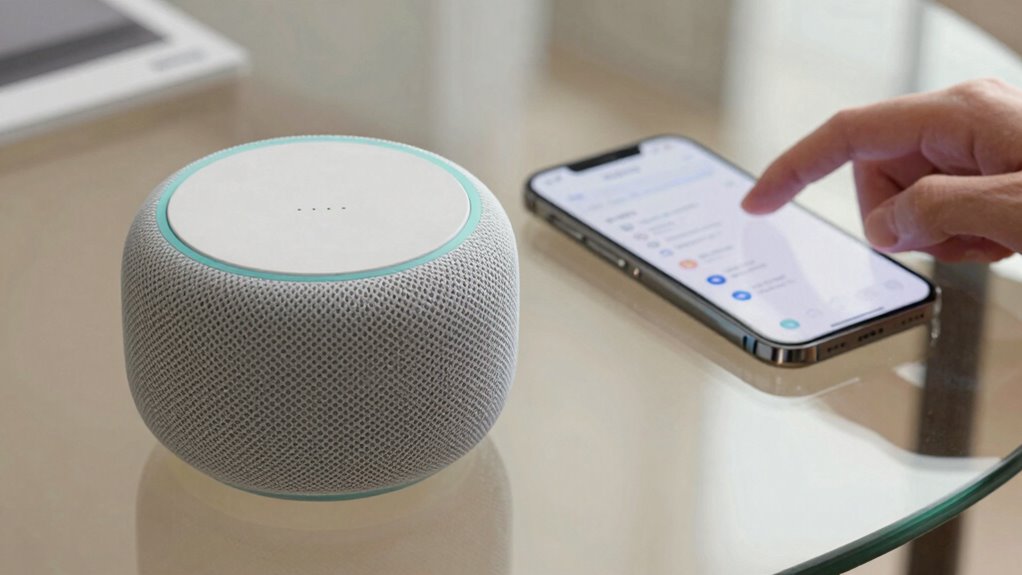
Have you ever wondered how much of your privacy is at risk when using a smart speaker? These devices have become so integrated into daily life that it’s easy to forget they’re constantly listening, waiting to respond to your commands. While voice command customization makes these gadgets incredibly user-friendly, it also raises concerns about how much personal information is stored and potentially exposed. When you tweak settings to better suit your needs, you might unknowingly give away more data than you realize. That’s why understanding and managing privacy settings should be a priority.
Smart speakers process your voice commands by sending data to cloud servers, where the information is analyzed and responded to. To safeguard this data, manufacturers rely on data encryption techniques, which scramble your information so it can’t be easily intercepted or deciphered by unauthorized parties. But encryption isn’t foolproof. If your device’s security settings aren’t properly configured, or if you’re unaware of how your data is being handled, your privacy can still be compromised. That’s why it’s crucial to familiarize yourself with these encryption methods and ensure they’re activated correctly.
Voice command customization offers you convenience—allowing you to set preferred wake words, control what types of commands are accepted, and even limit how much data the device retains. However, this customization can also create vulnerabilities if not managed carefully. For example, enabling features like voice recognition for multiple users might inadvertently provide access to sensitive information beyond your intention. It’s imperative to review your privacy settings regularly, disable features you don’t need, and understand how your voice data is stored and used. Additionally, being aware of data collection practices can help you make more informed decisions about your privacy.
Many smart speakers provide options to delete recordings or pause voice data collection altogether. Taking advantage of these features helps diminish the amount of personal data stored on servers. Additionally, it’s wise to read the privacy policies and understand how your data is protected with encryption. Manufacturers often use advanced data encryption techniques to safeguard user information, but you must also take personal responsibility by keeping your device’s firmware updated and changing default passwords to prevent unauthorized access. Regularly reviewing privacy policies can further clarify how your data is managed and protected. Understanding the encryption methods used by your device can also give you confidence that your information remains secure. Being aware of Biodiversity and conservation efforts can also inform you about the importance of protecting personal privacy alongside environmental interests.
In the end, privacy settings on smart speakers aren’t just optional features—they’re essential tools for protecting your personal information. Voice command customization and robust data encryption techniques work together to keep your data secure, but only if you actively manage and monitor your device’s settings. By doing so, you retain control over what information you share and how it’s used, ensuring your smart speaker remains a helpful tool without compromising your privacy.
As an affiliate, we earn on qualifying purchases.
Frequently Asked Questions
Can I Completely Disable Voice Recording on My Smart Speaker?
Yes, you can disable voice recording on your smart speaker. Many devices allow you to turn off voice command recording via privacy settings. When you do this, voice command encryption guarantees your commands are secure, and user data anonymization helps protect your identity. Keep in mind, disabling recording may limit functionality, but it’s an essential step for safeguarding your privacy and maintaining control over your personal data.
How Are My Voice Commands Stored and Used by Manufacturers?
Your voice commands are stored securely through voice data encryption, but manufacturers often retain and analyze this data to improve services. They may use your voice data according to their data policies, which can include sharing with third parties or targeted advertising. Be cautious, as some commands might be kept indefinitely. Always review privacy policies and adjust settings to limit data collection, keeping your voice data as private as possible.
Do Privacy Settings Vary Between Different Smart Speaker Brands?
Yes, privacy settings vary between smart speaker brands, giving you different levels of user control. Some brands offer more customizable options to manage data sharing and voice recording, while others focus on default protections. Look for features like data encryption and easy-to-adjust privacy controls. Being aware of these differences helps you protect your personal information and tailor privacy settings to your comfort level, ensuring your smart speaker respects your privacy preferences.
Can Third-Party Apps Access My Smart Speaker’s Data?
Is your data truly safe in this digital age? Third-party apps can access your smart speaker’s data if you haven’t checked permissions, even with data encryption in place. Your user consent is crucial; always review what access you grant. Privacy settings vary, so stay vigilant. By controlling permissions and understanding who can access your data, you protect your privacy from potential breaches and unauthorized use.
What Legal Protections Exist for Voice Data Privacy?
Your legal rights and data regulations safeguard your voice data from misuse. Laws like the GDPR and CCPA require companies to be transparent about data collection and give you control over your information. These regulations ensure your voice recordings are stored securely and only used with your consent. However, it’s essential to stay informed about privacy policies and opt out of data sharing whenever possible to safeguard your voice data.
As an affiliate, we earn on qualifying purchases.
Conclusion
Just like locking your doors keeps your home safe, paying attention to your smart speaker’s privacy settings protects your personal life. Don’t leave your privacy to chance—take a few moments to review and adjust those settings. It’s a simple step that can prevent unexpected surprises, much like securing your valuables. Remember, your smart speaker is always listening, so make sure it’s listening only when you want it to. Stay alert, stay protected.
smart speaker data encryption device
As an affiliate, we earn on qualifying purchases.
As an affiliate, we earn on qualifying purchases.
privacy protection for Amazon Echo
As an affiliate, we earn on qualifying purchases.
As an affiliate, we earn on qualifying purchases.
Fall Picks
fall essentials
As an affiliate, we earn on qualifying purchases.