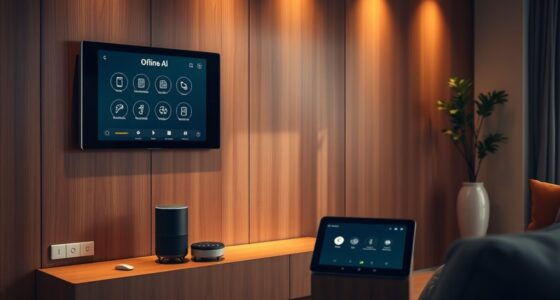
Smart home AI technology enhances accessibility by enabling you to control devices effortlessly through voice commands or automation. You can adjust lighting, temperature, and security without physical effort, giving you greater independence. Sensors and smart systems respond automatically to your needs, while security features like video doorbells and smart locks make your home safer and easier to access. If you’re curious about how these innovations can transform your life, there’s much more to discover.
Key Takeaways
- AI-powered smart home devices enable personalized automation of lighting, temperature, and security, enhancing independence for people with disabilities.
- Voice assistants allow hands-free control of household functions, reducing physical effort and improving daily routine management.
- Smart sensors detect environmental changes, automatically adjusting settings and alerting users to safety or health issues.
- Customizable automation and adaptive switches support diverse disabilities, facilitating easier operation of appliances and accessibility devices.
- AI-driven security systems, like smart locks and video doorbells, improve safety and remote access for individuals with mobility challenges.

Smart homes are transforming accessibility by integrating innovative technologies that make daily living easier for people with disabilities or mobility challenges. You no longer have to struggle with traditional controls or rely on assistance for simple tasks. Instead, AI-powered devices and systems work seamlessly to create a more independent and comfortable environment. Imagine walking into your home and having everything adjust automatically to your needs, from lighting and temperature to security and entertainment. That’s the power of smart home technology designed with accessibility in mind.
AI-driven voice assistants like Amazon Alexa, Google Assistant, or Apple’s Siri have become essential tools. You can control lights, locks, thermostats, and even appliances with just your voice. This means you don’t need to reach for switches or struggle with physical buttons. If mobility is limited, voice commands become your new hands, giving you control over your environment effortlessly. These assistants can also set reminders, answer questions, or call for help in emergencies, making daily routines safer and more manageable.
Smart sensors further enhance accessibility by detecting motion, door openings, or changes in environmental conditions. For example, motion sensors can turn on lights when you enter a room, eliminating the need to fumble for switches. Door sensors can alert you when someone enters or leaves, providing added security and peace of mind. These sensors can also monitor air quality and humidity, alerting you to issues that may affect your health or comfort. Their integration with other smart devices creates a cohesive system that responds intuitively to your needs.
Automated home systems can be customized to suit specific disabilities or mobility challenges. For instance, if you have limited hand strength, you might use adaptive switches or voice commands to operate blinds, garage doors, or kitchen appliances. Smart technology can also coordinate with assistive devices like wheelchairs or hearing aids, syncing notifications and controls to your preferences. As a result, you gain greater independence and confidence in managing your home environment.
Furthermore, AI-powered security systems provide added safety. Video doorbells allow you to see and communicate with visitors remotely, reducing the need to physically answer the door. Smart locks can be operated remotely or set to access automatically when you approach with your smartphone, minimizing physical effort. These features not only increase your security but also guarantee you can access your home easily, regardless of mobility limitations.
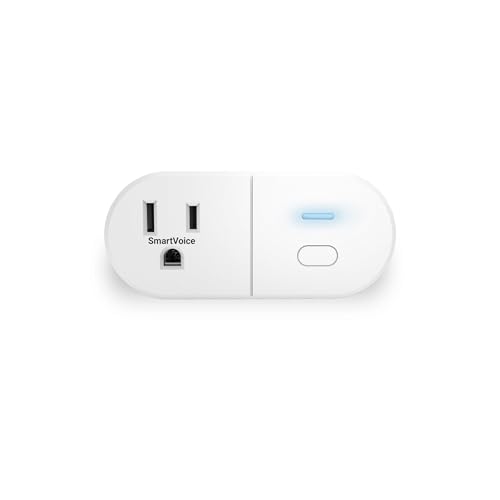
Emerson SmartVoice ES513 Wall Plug, Offline 30+ Voice Control Commands – No APP, No WiFi, No Setup, Smart Outlet Extender for Home and Office, Sleep & Wake Timer, ETL Listed
🔊 100% Offline Voice Control – Control any plugged-in device with simple voice commands using built-in SmartVoice Technology….
As an affiliate, we earn on qualifying purchases.
As an affiliate, we earn on qualifying purchases.
Frequently Asked Questions
How Affordable Are Smart Home Accessibility Solutions?
Smart home accessibility solutions are becoming increasingly affordable, especially as technology advances and more products hit the market. You can find options that fit various budgets, from basic voice-activated devices to all-encompassing systems. While some setups may require a bigger investment upfront, many companies offer financing or discounts for disabled individuals. Overall, with a bit of research, you’ll discover solutions that improve accessibility without breaking the bank.
Can AI Adapt to Individual Disability Needs?
Yes, AI can adapt to your individual disability needs. It learns from your behaviors and preferences, customizing responses to make daily tasks easier. For example, it might adjust lighting, control appliances, or assist with communication based on your specific challenges. As you use the system, AI continuously refines its understanding, ensuring personalized support that improves your independence and comfort in your home.
What Are Privacy Concerns With Smart Home AI?
Privacy concerns with smart home AI are as vast as an ocean. You might worry about sensitive data being hacked or misused, like personal routines or health info falling into the wrong hands. Constant monitoring can feel invasive, turning your home into a surveillance zone. It’s essential to understand data collection policies and use strong security measures to protect your privacy, ensuring your home remains a safe, private sanctuary.
Are Smart Home Devices Easy to Install for Disabled Users?
Installing smart home devices can be straightforward for you, especially since many are designed with user-friendly interfaces and step-by-step guides. If you have mobility or other disabilities, you might find voice commands or remote setup tools even more helpful. You may need some initial assistance or professional help for complex systems, but overall, manufacturers aim to make installation accessible and simple so you can enjoy your smart home seamlessly.
How Reliable Are AI Systems in Emergency Situations?
AI systems are generally reliable in emergencies, but their effectiveness depends on the technology’s quality and setup. You should guarantee your devices are regularly updated and tested to respond correctly during critical moments. While AI can quickly detect issues like falls or smoke, it’s essential to have backup plans, such as manual alarms, to avoid over-reliance. Staying proactive helps ensure your safety when it matters most.

Smart Caregiver Wireless Motion Sensor Alarm System with Pager for Fall and Wandering Prevention | Mountable Motion Detector Alarm Alerts Medical Caregiver with Up to 300' Range | Bed or Door Movement
Allows caregiver freedom to monitor movement remotely
As an affiliate, we earn on qualifying purchases.
As an affiliate, we earn on qualifying purchases.
Conclusion
Imagine a world where your home adapts effortlessly to your needs. With AI-powered smart home technology, accessibility becomes a reality, giving you independence and confidence. Some might worry about complexity, but these systems are user-friendly and customizable. Think of it like having a helpful assistant that learns your routines—making daily life smoother and more comfortable. Embrace this innovation, and you’ll see how smart homes truly empower everyone to live more freely.

eufy Security Video Smart Lock E330, 3-in-1 Camera+Doorbell+Fingerprint Keyless Entry Door Lock, Smart Built-in Wi-Fi Deadbolt for Front Door, Auto Lock, 8 GB Built‑in Storage, Easy Installation
3-in-1 Triple Security: This all-in-one device combines a speedy fingerprint recognition smart lock, a 2K HD camera with…
As an affiliate, we earn on qualifying purchases.
As an affiliate, we earn on qualifying purchases.

Kasa Smart Light Switch HS200, Single Pole, Needs Neutral Wire, 2.4GHz Wi-Fi Light Switch Works with Google Home, UL Certified, No Hub Required, White
App-Guided Install: The Kasa or Tapo app guides you through step-by-step setup. Requires neutral wiring and 2.4 GHz…
As an affiliate, we earn on qualifying purchases.
As an affiliate, we earn on qualifying purchases.