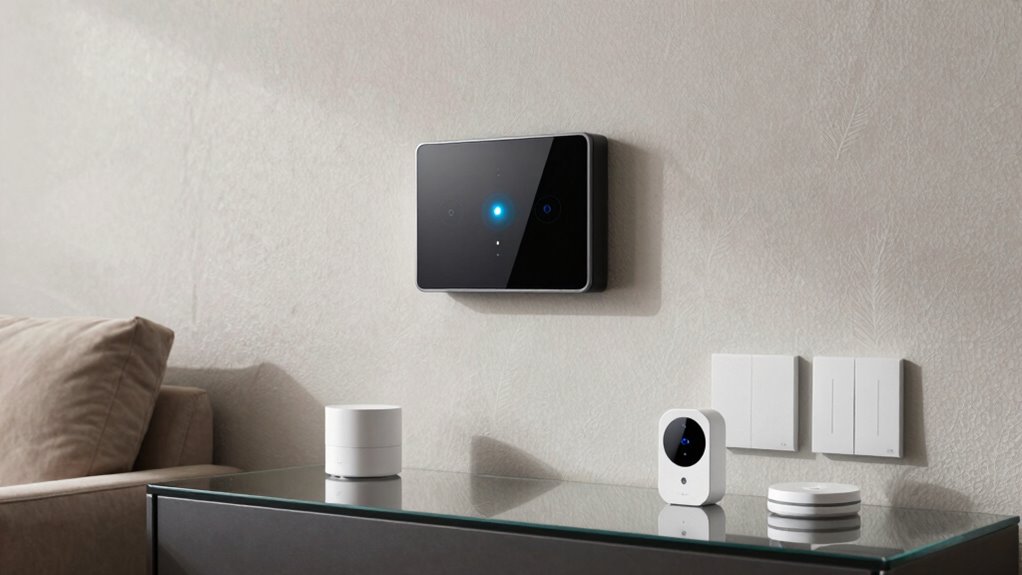

In 2025, Zigbee and Z-Wave remain relevant because they provide secure, reliable, and energy-efficient connections for your smart home devices. They support a wide range of gadgets, making integration simple and hassle-free. Their mesh networking ensures your system stays stable even if some devices go offline. Plus, ongoing updates keep these protocols compatible with new technology, future-proofing your smart home. If you want to discover how these protocols continue to power smart homes, keep exploring.
Open a free Amazon Business account
Business pricing, bulk buying and tax-exempt orders.
As an affiliate, we earn on qualifying purchases.
Key Takeaways
- Their widespread adoption ensures ongoing compatibility and integration across smart home devices.
- Advanced mesh networking maintains stable, reliable connections even with offline nodes.
- Strong security features protect sensitive data and prevent unauthorized access.
- Continuous protocol updates enhance performance, security, and future device compatibility.
- Their energy-efficient design supports sustainable, low-maintenance smart home ecosystems.
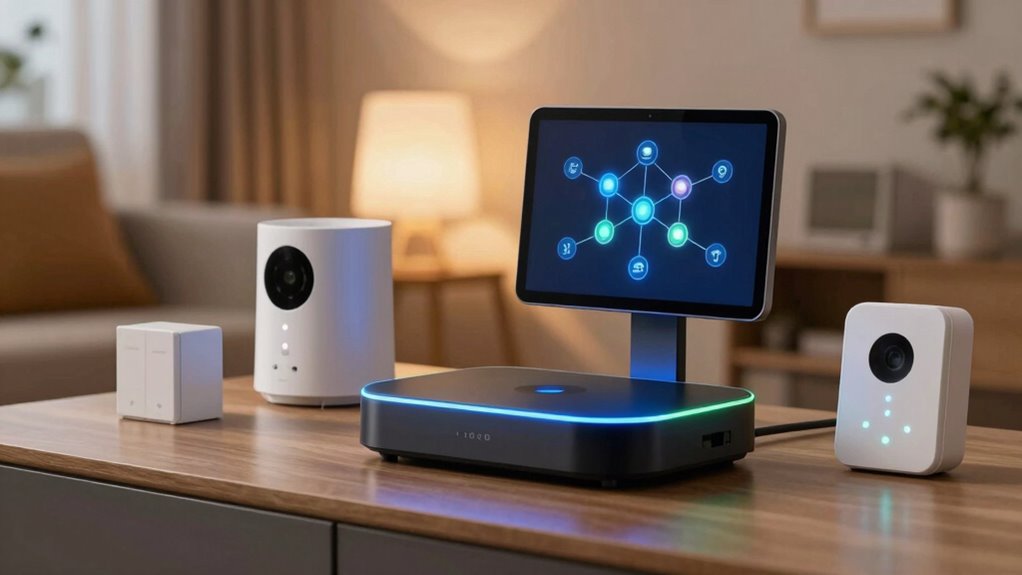
As smart home technology continues to evolve, Zigbee and Z-Wave remain two of the most popular wireless protocols powering connected devices in 2025. You’ll find that both protocols are essential for creating a seamless, secure, and energy-efficient smart home environment. Whether you’re focused on improving your smart home security or optimizing energy management, Zigbee and Z-Wave offer reliable solutions that stand the test of time. Their widespread adoption means compatibility with a broad range of devices, making it easier for you to build a cohesive smart home system without worrying about interoperability issues.
When it comes to smart home security, both Zigbee and Z-Wave excel at providing a secure and stable network for your sensors, cameras, and alarms. These protocols use strong encryption methods to protect your data and prevent unauthorized access. This security feature is crucial because your smart home devices often handle sensitive information, like security camera footage or door lock statuses. Thanks to their robust mesh networking capabilities, these protocols can also ensure that your security devices stay connected even if some nodes go offline. This means your home remains protected at all times, giving you peace of mind knowing your security system is reliable.
In terms of energy management, Zigbee and Z-Wave play a significant role in helping you reduce power consumption and lower utility bills. Smart thermostats, lighting controls, and energy monitors often rely on these protocols to communicate efficiently. They allow you to automate lighting schedules, optimize heating and cooling, and receive real-time energy consumption data. This level of control helps you identify wasteful habits and adjust accordingly, creating an energy-conscious household. Additionally, since both protocols are designed for low power consumption, your smart devices last longer on a single battery charge, reducing maintenance and replacement costs. Moreover, ongoing protocol updates ensure these standards remain compatible with the latest devices and features. As the smart home ecosystem expands, staying updated with protocol advancements ensures your devices continue to perform optimally.
You’ll also appreciate that Zigbee and Z-Wave are continually updating their standards to improve performance, security, and device compatibility. This ongoing development ensures that your smart home remains future-proof, capable of integrating new devices and features as they emerge. Their mature ecosystems mean you’re less likely to encounter compatibility issues, making your smart home setup more reliable and easier to manage. Moreover, the mesh networking capabilities of these protocols enhance the overall stability and reach of your smart home network.
In 2025, Zigbee and Z-Wave remain relevant because they deliver the security, energy efficiency, and interoperability that consumers like you need. They form the backbone of smart home security and energy management solutions, helping you create a safer, greener, and smarter living space. Their proven reliability and continuous evolution make them indispensable choices for anyone looking to enhance their connected home.
As an affiliate, we earn on qualifying purchases.
Frequently Asked Questions
How Do Zigbee and Z-Wave Compare to Newer Smart Home Protocols?
You’ll find Zigbee and Z-Wave excel in mesh networks, providing reliable, low-power connections for your smart home devices. Compared to newer protocols, they often offer better device interoperability, ensuring your gadgets work seamlessly together. While some emerging standards focus on faster speeds or broader compatibility, Zigbee and Z-Wave remain popular choices due to their proven stability and extensive ecosystem, making them practical options for your connected home.
Are Zigbee and Z-Wave Compatible With the Latest Smart Home Devices?
Yes, Zigbee and Z-Wave remain compatible with the latest smart home devices, thanks to ongoing efforts in device interoperability and broad manufacturer support. Many new products incorporate these protocols to guarantee seamless integration with existing setups. While some devices may require firmware updates or specific hubs, overall, Zigbee and Z-Wave continue to connect well with modern smart home gadgets, making them reliable choices for diverse ecosystems.
What Security Features Do Zigbee and Z-Wave Offer in 2025?
Think of Zigbee and Z-Wave as security guards in your smart home. They use strong encryption standards to keep your data private and employ device authentication to verify each gadget’s identity. This layered defense helps prevent unauthorized access, ensuring your network stays safe. By constantly updating their security protocols, they remain reliable choices for protecting your connected devices in 2025 and beyond.
How Energy-Efficient Are Zigbee and Z-Wave Devices Today?
You’ll find that Zigbee and Z-Wave devices are quite energy-efficient today. Their low power consumption helps extend battery longevity, meaning you won’t need to replace batteries often. These protocols are optimized to minimize energy use, making them ideal for smart home devices that run continuously. By choosing Zigbee or Z-Wave, you guarantee your gadgets stay powered longer without draining batteries quickly, saving you time and money.
Will Zigbee and Z-Wave Support 5G or Other Advanced Networks?
Will Zigbee and Z-Wave support 5G or other advanced networks? Not directly, but they’re evolving to enhance network scalability and device interoperability. Think about it—aren’t smart homes all about seamless connectivity? While these protocols don’t run on 5G themselves, future updates could enable better integration with advanced networks, making your devices more responsive and reliable. So, they’ll adapt to support next-gen connectivity, keeping your smart home ahead of the curve.
As an affiliate, we earn on qualifying purchases.
Conclusion
Think of Zigbee and Z-Wave as the steady ships sailing through a sea of ever-changing technology. While newer vessels arrive, these reliable ships still navigate smoothly, guiding your smart home safely. Their proven resilience and widespread support keep them relevant, much like trusted old friends who adapt to new tides. So, in 2025, don’t overlook these dependable vessels—they’re still steering the future of smart living.
As an affiliate, we earn on qualifying purchases.
energy-efficient smart thermostats
As an affiliate, we earn on qualifying purchases.
As an affiliate, we earn on qualifying purchases.
Flea & tick season Picks
flea and tick prevention
As an affiliate, we earn on qualifying purchases.