
TL;DR

Get home appliances delivered free — and shop member deals
- Fast, free delivery on millions of items
- Access to Prime Big Deal Days deals on October 6–7
- Prime Video, Amazon Music and more included
The Mobility House and Wallbox successfully installed a Kia EV9 with a bidirectional charger at a San Diego home, marking the first residential V2G connection in the area. This development advances V2G technology and its role in grid stability.
The Mobility House and Wallbox have completed the first residential bidirectional EV charger installation in San Diego County, allowing the Kia EV9 to power a home and export energy to the grid. This milestone advances vehicle-to-grid (V2G) technology in the US, with potential implications for grid resilience and energy management.
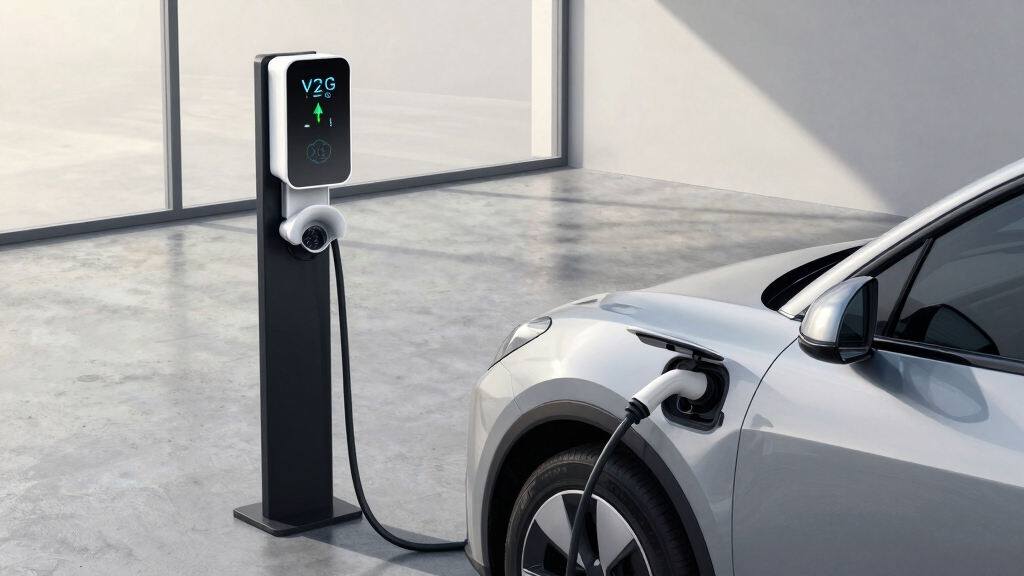
Earlier this week, The Mobility House and Wallbox successfully interconnected a Kia EV9 equipped with a Quasar 2 bidirectional charger at a residence in San Diego County. This installation is the first of its kind in the area, representing a significant step toward broader adoption of V2G technology in residential settings across the United States.
According to Russell Vare, VP of Vehicle-Grid Integration at The Mobility House North America, this project confirms that interconnection approval with utilities can be achieved even for systems that export power beyond the meter. The system allows the EV to supply energy back to the home and the grid, demonstrating the practical viability of V2G services for consumers and utilities alike.
Why It Matters
This development matters because it demonstrates that residential EVs can serve as active energy resources, helping to stabilize the grid during peak demand or outages. As EV adoption increases, V2G technology could become a key tool for utilities to manage energy flow more flexibly, potentially reducing reliance on traditional power plants and enhancing grid resilience.
residential bidirectional EV charger
As an affiliate, we earn on qualifying purchases.
As an affiliate, we earn on qualifying purchases.
Background
V2G technology has been in development for several years, with pilot programs exploring its potential to support renewable energy integration and grid stability. The recent installation in San Diego aligns with broader industry efforts to commercialize V2G solutions, which have previously been limited to fleet or commercial applications. The ACT Expo ’26 has highlighted several initiatives aimed at scaling up V2G infrastructure nationwide.
“This is an important milestone in the commercialization of vehicle-to-everything services for electric vehicle drivers. We have accomplished interconnection approval and enabled the system to export power, realizing the value of V2G.”
— Russell Vare, VP of Vehicle-Grid Integration, The Mobility House
“This installation demonstrates the practical potential of V2G for residential consumers, opening new opportunities for energy management and grid support.”
— Dylan Gasperik, North America Marketing Communications Director, The Mobility House
vehicle-to-grid (V2G) home charger
As an affiliate, we earn on qualifying purchases.
As an affiliate, we earn on qualifying purchases.
What Remains Unclear
It remains unclear how quickly residential V2G systems will be adopted at scale, or how utilities will integrate these systems into existing grid management frameworks. Regulatory and technical challenges may also influence future deployment timelines.
As an affiliate, we earn on qualifying purchases.
What’s Next
Next steps include expanding pilot programs, further regulatory approvals, and developing consumer incentives. Industry stakeholders expect more residential V2G installations to follow as the technology matures and demonstrates its benefits.
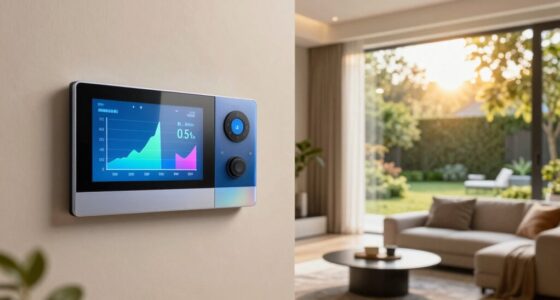
home energy management EV charger
As an affiliate, we earn on qualifying purchases.
As an affiliate, we earn on qualifying purchases.
Key Questions
What is vehicle-to-grid (V2G) technology?
V2G allows electric vehicles to export stored energy back to the grid or home, providing grid support and energy management capabilities.
Why is the residential V2G installation in San Diego significant?
It is the first confirmed case of a residential bidirectional EV charger interconnected in San Diego County, demonstrating practical V2G application outside of commercial fleets.
What are the benefits of V2G for consumers and utilities?
V2G can help consumers reduce energy costs, support grid stability, and enable more efficient use of renewable energy sources.
What challenges remain for wider V2G adoption?
Challenges include regulatory approval processes, utility integration, consumer awareness, and the cost of V2G-compatible equipment.
Fall yard work Picks
leaf blowers
As an affiliate, we earn on qualifying purchases.