
TL;DR

Get home appliances delivered free with Prime
- Fast, free delivery on millions of items
- Prime Video, Amazon Music and more included
- Member-only deals all year
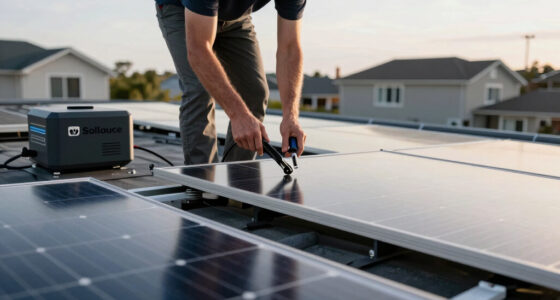
Soltec has obtained FEOC-compliant certification for its U.S.-made solar trackers, enabling project owners to meet domestic content rules. This development strengthens local supply chains and enhances project certainty.
Soltec has announced that it can now provide FEOC-compliant certification for its U.S. SFOne and SF7 series solar trackers, enabling project developers to meet domestic content requirements under U.S. regulations.
This certification confirms that Soltec’s U.S. tracker solutions, including key components such as torque tubes, fasteners, drive systems, dampers, actuators, controllers, and rails, meet the requirements for prohibited foreign entity-compliant (PFE) status. The certification process involved a compliance review supported by KPMG, ensuring the products align with the Department of the Treasury’s guidance on domestic content.
According to Mariano Berges, CEO of Soltec, the company’s ability to certify its trackers as PFE-compliant allows customers to benefit from a strong local supply chain, pursue Made-in-USA tax incentives, and improve project cost, delivery certainty, and resilience against tariffs and geopolitical disruptions. This move is part of Soltec’s broader strategy to localize its supply chain and enhance market competitiveness in the United States.
Implications for U.S. Solar Project Development
This certification is significant because it enables project developers to meet the domestic content requirements mandated under U.S. policies, such as the Inflation Reduction Act. It supports the growth of local manufacturing and supply chains, potentially reducing project costs and delivery times. Additionally, it offers project owners greater certainty and protection against tariffs and geopolitical risks, fostering a more resilient U.S. solar market.
Products Worth Considering

Apple iPad mini (A17 Pro), 128GB, Wi-Fi 6E, Space Gray

Bose SoundLink Flex Bluetooth Speaker (2nd Gen), Black

Kindle Paperwhite Signature Edition 32GB (2024) – Auto-adjusting front light, wireless charging, weeks of battery life – Metallic Black
As an affiliate, we earn on qualifying purchases.
Background on Domestic Content Regulations and Soltec’s Supply Chain Efforts
Since late 2022, U.S. regulations have increasingly emphasized domestic content for solar projects, requiring project developers to source certain components locally to qualify for tax incentives and avoid tariffs. Soltec, a global provider of solar trackers, has been working to localize its supply chain in the U.S., aiming to meet these requirements. The company’s recent certification follows a compliance review process, with advisory support from KPMG, to confirm its products meet the FEOC standards for domestic content.
This move aligns with broader industry trends toward local manufacturing and supply chain resilience, especially amid ongoing trade tensions and supply disruptions.
“Our customers in the United States are already benefiting from a strong local supply chain that enables Soltec to offer tracker solutions with 100% U.S. content, fully aligned with PFE compliance requirements.”
— Mariano Berges, CEO of Soltec
Remaining Questions About Certification Scope and Implementation
It is not yet clear whether all Soltec tracker models will be certified under the FEOC standards or if additional products will qualify in the future. Details about the certification process timeline and how it will influence existing and upcoming projects remain to be clarified.
Next Steps for Soltec and U.S. Project Developers
Soltec is expected to continue expanding its certified product lineup and promote the use of its trackers in U.S. solar projects to maximize tax benefits. Project developers should monitor for further updates on certification scope and availability, and consider integrating Soltec’s certified solutions into upcoming projects to ensure compliance.
Key Questions
What does FEOC compliance mean for solar project developers?
FEOC compliance indicates that the tracker components meet U.S. domestic content requirements, allowing projects to qualify for tax incentives and avoid tariffs.
Which Soltec tracker models are certified under FEOC?
The certification currently covers the SFOne and SF7 series single-axis trackers, including key components such as torque tubes, fasteners, and drive systems.
How does this certification impact project costs and timelines?
Certification can improve cost competitiveness and delivery certainty by reducing supply chain risks and tariffs, potentially leading to faster project completion.
Will Soltec expand certification to other products?
It is not yet confirmed whether additional tracker models or components will be certified under FEOC standards in the near future.
What are the broader implications for the U.S. solar industry?
This move supports the growth of local manufacturing, enhances supply chain resilience, and helps project owners meet regulatory requirements for incentives and compliance.
Source: Solar Power World