
TL;DR

Get home appliances delivered free with Prime
- Fast, free delivery on millions of items
- Prime Video, Amazon Music and more included
- Member-only deals all year
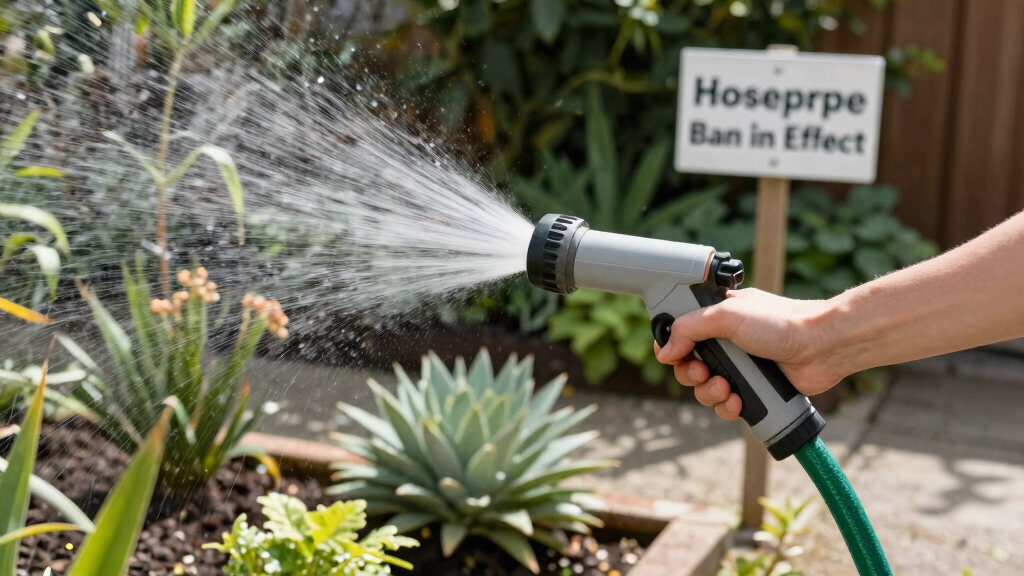
Thames Water has announced a hosepipe ban effective immediately, citing drought and low reservoir levels. The restriction impacts millions of customers and aims to conserve water during dry conditions.
Thames Water has announced an immediate hosepipe ban across its service area, affecting millions of households in Greater London and surrounding counties. The restriction is a response to ongoing drought conditions and critically low reservoir levels, aiming to reduce water consumption during a period of prolonged dry weather. This marks the first widespread hosepipe ban in the region in recent years, highlighting the severity of the current water shortage.
The ban prohibits the use of hosepipes for watering gardens, washing cars, filling swimming pools, and other non-essential purposes. Thames Water stated that the measure is necessary to safeguard water supplies as reservoirs drop below sustainable levels. The company emphasized that the restriction applies to both residential and commercial customers, with enforcement measures being prepared to ensure compliance.
According to Thames Water, the decision was made after reservoir levels fell to approximately 50% capacity, the lowest in over a decade. The Environment Agency has classified the current drought as ‘serious,’ urging water companies and consumers to take urgent action. Thames Water has also appealed to customers to reduce water use voluntarily, including taking shorter showers and avoiding unnecessary watering.
Why the Hosepipe Ban Matters for the Region
The implementation of a hosepipe ban by Thames Water underscores the severity of the ongoing drought and water scarcity issues in southern England. It highlights the increasing pressure on water resources due to climate change, population growth, and prolonged dry spells. The ban aims to prevent further depletion of reservoirs, protect the environment, and ensure a stable water supply for essential needs. For residents and businesses, it signals a shift towards more stringent water conservation measures, which could have economic and lifestyle impacts.
As an affiliate, we earn on qualifying purchases.
Recent Drought Conditions and Water Management Challenges
Over the past few months, the UK has experienced below-average rainfall, leading to persistent drought conditions in parts of southern England. Reservoir levels across Thames Water’s catchment area have declined significantly, prompting water restrictions in previous years that were later eased. However, recent data shows levels have fallen to critical thresholds, necessitating the current hosepipe ban. Historically, such bans have been used as last-resort measures during severe droughts, but climate projections suggest that such conditions may become more frequent and prolonged.
“This hosepipe ban is a necessary step to protect our water supplies during a period of unprecedented drought. We urge our customers to cooperate and reduce their water use.”
— Sarah Bentley, Thames Water CEO
As an affiliate, we earn on qualifying purchases.
Uncertainties About Duration and Future Restrictions
It is not yet clear how long the hosepipe ban will remain in effect, as it depends on rainfall and reservoir recovery. Authorities have not specified whether further restrictions or water rationing measures will follow if conditions do not improve. The long-term impact of climate change on water availability in the region remains an ongoing concern, with experts warning that such droughts could become more frequent.
As an affiliate, we earn on qualifying purchases.
Next Steps in Water Conservation and Monitoring
Thames Water plans to monitor reservoir levels closely and will review the ban’s necessity in the coming weeks. The company has also launched a public awareness campaign to encourage voluntary water-saving behaviors. Authorities will continue to assess weather forecasts and rainfall patterns to determine if restrictions can be eased or need to be extended. Additional measures, such as increased water recycling and infrastructure upgrades, are also being considered to enhance resilience.
As an affiliate, we earn on qualifying purchases.
Key Questions
How long will the hosepipe ban last?
The duration of the ban is currently uncertain and depends on weather conditions and reservoir levels. Thames Water will review the situation regularly.
Who is affected by the hosepipe ban?
The ban applies to all residential and commercial customers served by Thames Water in Greater London and surrounding areas.
What activities are banned under the hosepipe restriction?
The use of hosepipes for watering gardens, washing cars, filling swimming pools, and similar activities are prohibited.
Can I still water my garden with a watering can?
Yes, watering with a watering can is generally permitted, but it is advisable to check specific local regulations or guidance issued by Thames Water.
What can I do to conserve water during this period?
Residents are encouraged to take shorter showers, fix leaks promptly, avoid unnecessary watering, and use water-efficient appliances to reduce consumption.
Source: google-trends
Halloween Picks
halloween
As an affiliate, we earn on qualifying purchases.