
Upgrading to AI security cameras offers significant advantages over traditional systems. With real-time scene analysis, smart detection, and alerts, you get quicker responses and reduced false alarms. Although the initial costs are higher, you benefit from better security, easier setup, and fewer manual efforts. However, privacy concerns and maintenance needs may pose challenges. If you want to understand how AI can transform your security setup and weigh the pros and cons, keep exploring the details.
Key Takeaways
- AI cameras offer real-time scene analysis, reducing false alarms and enabling quicker responses compared to traditional systems.
- Upgrading to AI enhances security features like facial recognition and behavior detection, providing advanced threat identification.
- Initial costs are higher for AI cameras, but long-term savings come from increased reliability and reduced manual monitoring needs.
- AI systems require ongoing maintenance, updates, and technical support, which can increase setup complexity and operational expenses.
- Privacy and data security considerations are critical; proper encryption and policies are essential when adopting AI surveillance.
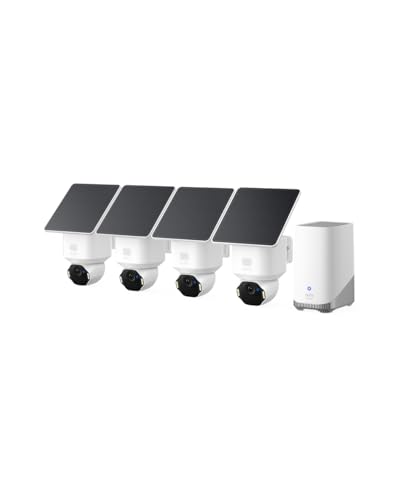
eufy Security SoloCam E42, 4-Cam Kit, 4K Solar Security Camera
- Ultra HD 4K Resolution: Captures detailed footage with true 4K UHD
- License Plate Recognition: Recognizes license plates up to 33 ft away
- AI Motion Detection: Automatically detects and tracks people and vehicles
As an affiliate, we earn on qualifying purchases.
As an affiliate, we earn on qualifying purchases.
Understanding the Core Differences Between AI and Traditional Cameras

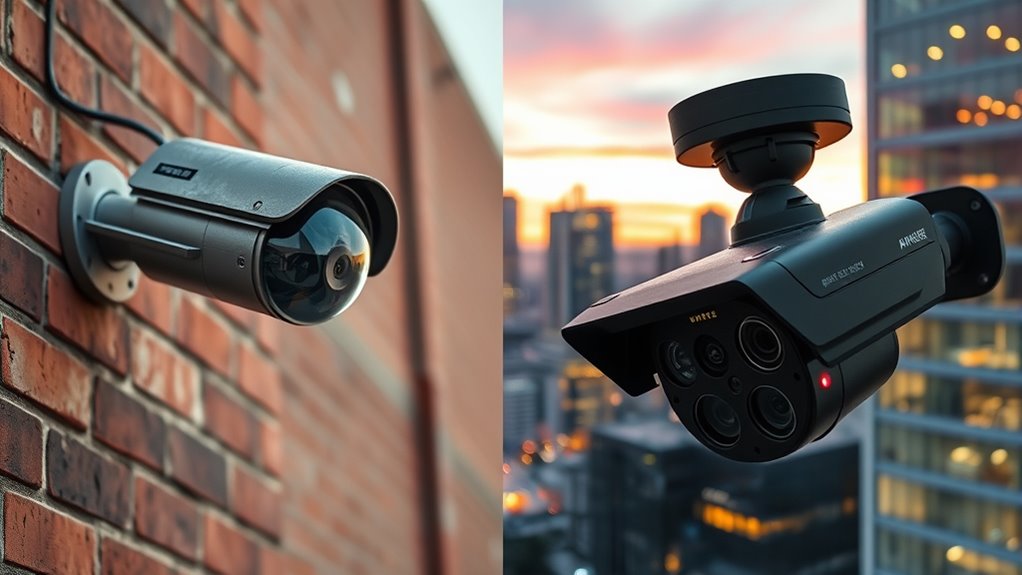
While traditional security cameras primarily record footage for later review, AI-powered cameras actively analyze what they see in real time. These advanced systems use video analytics to detect movement, unusual activity, or specific objects, providing immediate alerts. Facial recognition is a key feature that sets AI cameras apart, allowing you to identify individuals quickly and accurately. Unlike traditional cameras, which only store footage, AI models interpret scenes and make decisions on the spot, enhancing security efficiency. This real-time analysis reduces the need for constant manual monitoring and increases responsiveness to threats. Additionally, advancements in AI breakthroughs are continually improving the capabilities of these security solutions. As a result, energy-efficient AI security cameras are becoming more accessible, supporting sustainable security infrastructure. Moreover, the integration of advanced algorithms enables these cameras to adapt to various environments and improve over time with machine learning techniques. Overall, AI cameras offer smarter, more proactive security solutions by combining video analytics with facial recognition technology.
wireless traditional security camera
As an affiliate, we earn on qualifying purchases.
As an affiliate, we earn on qualifying purchases.
Assessing the Cost and Investment Factors

Investing in AI-powered security cameras often requires a higher initial outlay compared to traditional systems, but understanding the costs involved is essential for making an informed decision. A thorough cost analysis helps you compare upfront expenses, ongoing maintenance, and potential savings over time. While AI systems may have higher initial costs, they often deliver better ROI through features like real-time alerts and intelligent analytics. Consider this breakdown:
| Cost Component | Traditional Cameras | AI Security Cameras | Notes |
|---|---|---|---|
| Hardware & Installation | Lower | Higher | Initial investment difference |
| Maintenance | Lower | Potentially higher | Depends on system complexity |
| Software & Updates | Minimal or none | Ongoing, often subscription | Long-term expenses |
In addition, AI cameras may require more network bandwidth to operate efficiently, which could lead to additional infrastructure costs. Conducting a detailed ROI evaluation can clarify whether the upgrade aligns with your security needs and budget. Understanding the total cost of ownership is crucial before making your decision. Additionally, evaluating the long-term benefits can help justify the initial investment. For example, AI capabilities like facial recognition and behavior analysis can significantly enhance security effectiveness over traditional cameras. Moreover, considering the technological advancements in AI security can ensure your system remains up-to-date and effective over time.
As an affiliate, we earn on qualifying purchases.
Security Capabilities and Monitoring Efficiency

AI-powered security cameras substantially improve monitoring efficiency by providing real-time alerts, advanced analytics, and automated responses that traditional systems can’t match. These features allow you to detect threats faster and more accurately. Consider these key improvements:
- Video analytics enable the system to identify unusual movements or behaviors, reducing false alarms.
- Facial recognition quickly verifies identities, enhancing access control and security.
- Automated alerts notify you instantly of suspicious activity, minimizing response times.
- Continuous monitoring with intelligent algorithms ensures thorough coverage without fatigue or oversight.
- Integration with home automation systems allows seamless control and coordination of security features within your smart home ecosystem.
- Incorporating smart security technology enhances the overall effectiveness and adaptability of your surveillance setup.
- The use of advanced algorithms in AI cameras ensures more reliable detection and reduces the chances of missed threats.
- Additionally, AI cameras often include remote access capabilities, enabling real-time monitoring from anywhere, which is crucial for modern security needs.
- Proper maintenance and calibration of AI systems are essential to sustain their high performance over time.
smart home security camera system
As an affiliate, we earn on qualifying purchases.
As an affiliate, we earn on qualifying purchases.
Ease of Use and Maintenance Challenges

Setting up traditional cameras is usually quick and straightforward, but AI systems often require more time and technical knowledge to install properly. Once in place, AI cameras may need regular updates and maintenance to keep running smoothly, unlike simpler traditional units. When issues arise, troubleshooting AI solutions can be complex, making reliable support essential to avoid prolonged downtime. Additionally, understanding software compatibility and ensuring proper integration can be crucial for optimal system performance. Furthermore, training requirements for staff to effectively operate AI security systems can add to ongoing challenges. Incorporating system scalability considerations can also influence long-term reliability and adaptability of the security setup. To fully utilize these systems, familiarity with deep learning concepts can be beneficial for troubleshooting and optimization.
Setup Simplicity and Speed
While traditional security cameras often require complex wiring and manual setup, AI-based systems are designed for quick and straightforward installation. This markedly reduces installation complexity, making setup faster and less disruptive. You’ll find AI systems typically feature simple plug-and-play devices that connect via Wi-Fi or Ethernet, eliminating extensive cabling. During user onboarding, AI cameras often include guided instructions or mobile apps that streamline the process. Key advantages include:
- Minimal hardware setup time
- Wireless connectivity options
- Intuitive app-based configuration
- Reduced need for technical expertise
These factors make AI systems more accessible, enabling you to install and start using your security camera quickly and efficiently. This simplicity saves you time and effort, especially compared to traditional setups.
Ongoing Maintenance Requirements
Although AI-based security systems are easier to install, they can require ongoing maintenance to guarantee ideal performance. You’ll need to stay on top of hardware updates, ensuring sensors, cameras, and other components remain functional and compatible. Software updates are equally vital, as they improve security, add features, and fix vulnerabilities. Regularly applying these updates helps prevent system glitches and keeps your AI security running smoothly. Unlike traditional cameras, which may need minimal maintenance beyond cleaning lenses, AI systems demand more attention to software and hardware health. Additionally, timely system updates are crucial for addressing emerging threats and vulnerabilities. Staying proactive with maintenance helps maintain the system’s overall security, and ensures optimal operation. Proper maintenance routines can extend the lifespan of your equipment and prevent costly repairs. Moreover, staying informed about latest security threats can help you anticipate and mitigate potential system breaches. For instance, understanding wave and wind patterns can be useful when considering environmental factors that impact outdoor camera performance. While these updates might seem like an extra effort, they’re essential for maintaining accuracy, responsiveness, and security. Staying proactive with maintenance ensures your investment continues to provide reliable protection over time.
Troubleshooting and Support
Maintaining AI security systems can present unique challenges when it comes to troubleshooting and support. Unlike traditional cameras, AI systems often require regular firmware updates to stay current and secure. When issues arise, you may need to rely heavily on customer support, which can vary in responsiveness. To navigate these challenges effectively, consider these steps:
- Keep firmware updates up to date to prevent bugs and improve performance.
- Document error messages to streamline support requests.
- Use manufacturer support portals for troubleshooting guides.
- Contact customer support promptly if problems persist, especially with complex AI features.
- Regularly review your system’s software compatibility to ensure all components function smoothly.
- Understanding system maintenance routines can help prevent issues before they occur and extend the lifespan of your AI system.
These proactive measures ensure your AI system remains reliable, minimizing downtime and frustration. Proper support and maintenance are vital for leveraging AI’s full potential while avoiding common pitfalls.
Privacy and Data Management Concerns

As AI security systems collect and store more data, you need to ponder the risks of data breaches and unauthorized access. Clear privacy policies are essential, but sometimes they aren’t transparent enough about how your information is used. You also face concerns about surveillance oversight, which can impact your privacy rights and trust in these technologies.
Data Security Challenges
AI security systems raise significant data security concerns, especially around privacy and data management. When you rely on cloud storage, sensitive footage becomes vulnerable to breaches if not properly secured. Managing user access is essential to prevent unauthorized viewing or manipulation of data. Here are key challenges:
- Unauthorized access due to weak authentication protocols
- Data breaches from insecure cloud storage configurations
- Loss of control over sensitive footage once stored digitally
- Insufficient auditing to track who accessed or modified data
Ensuring strict access controls and encryption helps mitigate these risks. You must stay vigilant about how data is stored, who can access it, and how it’s protected against cyber threats. Otherwise, sensitive surveillance data can become a target for cybercriminals.
Privacy Policy Clarity
Clear and transparent privacy policies are essential to guarantee you understand how your data is collected, used, and protected. When comparing AI and traditional security cameras, pay close attention to privacy policies, as they reveal the company’s approach to data transparency. Well-defined privacy policies should specify what information is gathered, who has access, and how it’s stored or shared. If policies are vague or overly complex, you risk unknowingly compromising your privacy. Data transparency builds trust and helps you make informed decisions about the security systems you choose. Always review how clear and detailed these policies are before installation, ensuring you’re aware of your rights and the company’s responsibilities regarding your personal data.
Surveillance Oversight Risks
Surveillance oversight risks pose significant privacy and data management concerns, especially when security systems operate without proper checks. Without oversight, sensitive user privacy can be compromised, and threat detection becomes unreliable. You should consider these risks:
- Data breaches exposing personal footage and information.
- Unauthorized access to surveillance feeds, risking privacy violations.
- Misuse of data for profiling or surveillance beyond intended purposes.
- Lack of transparency affecting trust and accountability.
AI-powered systems can enhance threat detection but also increase the potential for misuse if oversight isn’t prioritized. Ensuring strict data controls and privacy protocols helps protect user privacy while maintaining effective surveillance. Proper oversight is essential to balance security benefits with privacy rights.
Making the Decision: Is Upgrading the Right Move?

Deciding whether to upgrade your security system can feel overwhelming, especially with the rapid advancements in technology. Consider how new AI cameras enhance motion detection, reducing false alarms and ensuring you’re alerted to genuine threats. Think about the importance of camera placement—AI systems often offer smarter angles and better coverage, making your security more effective. Upgrading can seem costly upfront, but it may save you money long-term through improved reliability and fewer false alarms. Evaluate your current system’s performance and identify gaps AI can fill. If your existing cameras struggle with motion detection or don’t cover critical areas adequately, an upgrade is likely worth it. Ultimately, weighing these factors helps you decide if investing in smarter technology aligns with your security needs.
Frequently Asked Questions
How Long Do AI Cameras Typically Last Compared to Traditional Ones?
Think of AI cameras as the marathon runners of security—built for endurance. They typically last 3 to 5 years, depending on camera durability and battery life, which is similar to traditional models. However, AI cameras often come with smarter features that can extend their relevance, even if their physical lifespan matches traditional ones. Proper maintenance and quality components are key to ensuring your investment keeps running smoothly for years to come.
Can AI Security Cameras Integrate With Existing Security Systems?
Yes, AI security cameras can integrate with your existing security systems, but you might face some security compatibility and integration challenges. You’ll need to check if your current setup supports the new hardware or software, and sometimes, additional adapters or updates are necessary. Planning ahead and consulting with a professional can help you smoothly overcome integration challenges, ensuring your upgraded system functions seamlessly alongside your existing security infrastructure.
What Are the Common Troubleshooting Issues With AI Cameras?
You might face troubleshooting issues with AI cameras like false alarms or privacy concerns. False alarms happen when the system misidentifies objects or motion, causing unnecessary alerts. Privacy concerns arise if the camera isn’t properly secured or data isn’t managed correctly. To rectify these issues, check camera settings, update firmware, and make certain your network is secure. Regular maintenance and clear privacy policies help keep your AI security system running smoothly.
Do AI Cameras Require Specialized Training for Staff?
You don’t need to be a tech expert to operate AI cameras, but staff training is essential to boost user proficiency. Think of it as “a little knowledge is a dangerous thing”—proper training guarantees your team uses the system effectively and avoids errors. Most AI cameras come with user-friendly interfaces, but some features may require specialized training to maximize their potential and ensure smooth security operations.
Are There Specific Legal Regulations for AI Camera Data Usage?
Yes, there are specific legal regulations for AI camera data usage. You need to guarantee data privacy and legal compliance by following laws like GDPR or CCPA, which govern how you collect, store, and share footage. Stay informed about local regulations, obtain necessary consents, and implement secure data handling practices. By doing so, you protect your organization from legal issues and build trust with your community.
Conclusion
Deciding whether to upgrade depends on your needs, but consider this: AI cameras can reduce false alarms by up to 90%, saving you time and stress. While the initial investment is higher, their enhanced security and efficiency may be worth it. If you value smarter monitoring and better privacy controls, upgrading could be the right move. Weigh the costs against these benefits to determine if the enhanced protection aligns with your security goals.