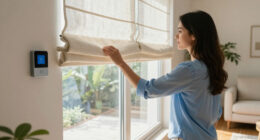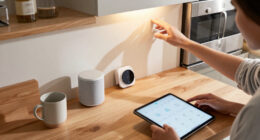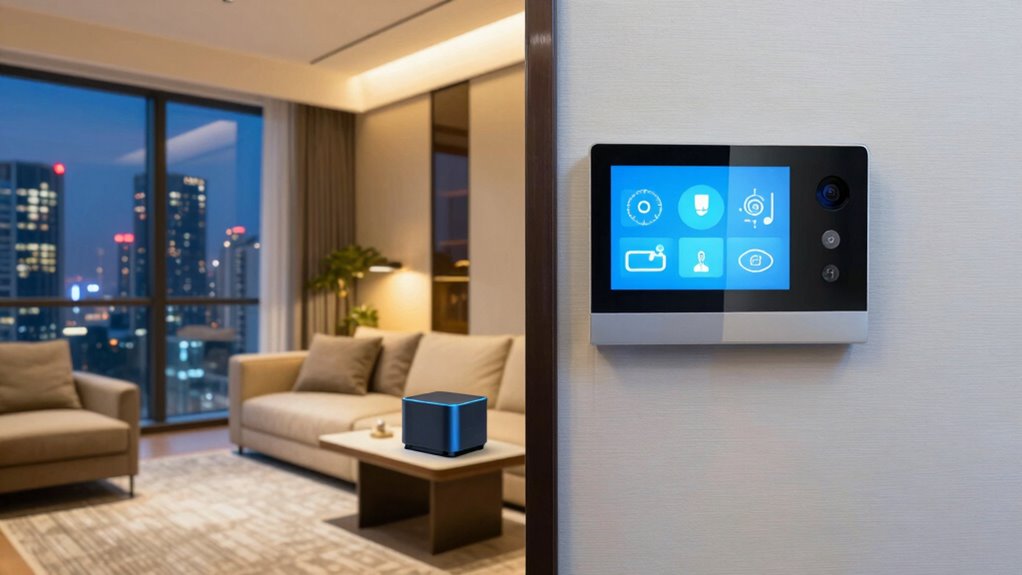
Living in an apartment requires a different smart home approach because privacy, building policies, and infrastructure complicate device use. You need to guarantee devices don’t infringe on neighbors’ privacy or interfere with communal systems. Choosing wireless, removable devices helps avoid conflicts and compliances. Collaboration with property management is essential to prevent disruptions. By understanding these unique challenges, you can create a smart home setup that’s safe, compliant, and respectful of your building’s environment—more details await you.

Get home appliances delivered free with Prime
- Fast, free delivery on millions of items
- Prime Video, Amazon Music and more included
- Member-only deals all year
Key Takeaways
- Apartments require privacy-conscious device placement to respect neighbors’ rights and avoid intrusive monitoring.
- Building policies and existing infrastructure influence compatible smart device selection and installation.
- Ensuring security enhancements do not interfere with shared safety systems like fire alarms and emergency exits.
- Wireless, portable devices are preferred for ease of use and compliance within lease agreements.
- Coordination with property management prevents interference with communal systems and maintains building harmony.
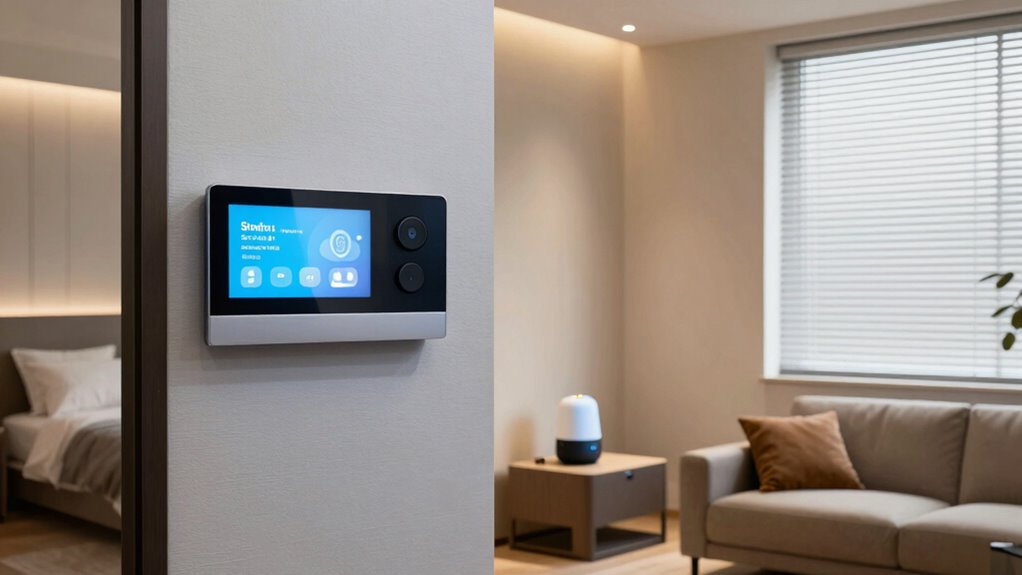
Living in an apartment doesn’t mean you have to miss out on the benefits of smart home technology. In fact, smart devices can make your life more convenient, secure, and efficient if you choose the right setup. However, apartments present unique challenges that require a different smart home strategy. Unlike detached homes, where you have full control over your property, apartments are shared spaces with communal areas and building-wide systems. That’s why tenant privacy and building security should be at the forefront of your planning.
Smart home tech for apartments balances convenience, privacy, and security within shared spaces and building policies.
When contemplating smart home devices, you need to be mindful of tenant privacy. Many smart gadgets, such as cameras and microphones, collect sensitive data or monitor activity. In an apartment, installing such devices in common areas or even inside your unit can inadvertently infringe on your neighbors’ privacy or violate building policies. It’s vital to choose privacy-focused solutions that keep your personal data secure and avoid devices that might record or transmit more than necessary. Smart locks, for instance, can enhance your security without invading anyone’s privacy, provided they’re installed correctly and used responsibly. Additionally, understanding building-wide systems can help you avoid interference or accidental disruptions to communal infrastructure. Being aware of the building’s existing network infrastructure can also help prevent connectivity issues with your smart devices.
Building security is another critical aspect to ponder. Your smart home setup should complement the building’s existing security measures rather than undermine them. For example, integrating your smart locks with building access control systems can improve safety without creating vulnerabilities. You want to ensure that your devices don’t interfere with fire alarms, emergency exits, or building-wide surveillance systems. It’s also wise to coordinate with your landlord or property management before installing certain devices, especially those that might affect building infrastructure or communal areas. This way, you avoid potential conflicts and ensure your smart home setup aligns with building policies.
Furthermore, a tailored smart strategy for apartments involves focusing on devices that enhance personal security and convenience without complicating shared spaces. Smart lighting, thermostats, and voice assistants can improve your daily routines without risking tenant privacy or building security. Also, choosing wireless, easily removable devices makes it simple to comply with lease agreements and avoid damage or disruptions during moves or maintenance. Being aware of building-wide systems in your apartment complex can help you avoid interference or accidental disruptions to communal infrastructure. Additionally, understanding building regulations can guide you in selecting devices that are compliant and unobtrusive.
privacy-focused smart locks for apartments
As an affiliate, we earn on qualifying purchases.
As an affiliate, we earn on qualifying purchases.
Frequently Asked Questions
Can Renters Install Permanent Smart Home Devices?
You generally can’t install permanent smart home devices as a renter due to rental restrictions, which often prohibit modifications to the property. However, you can choose device compatibility options like smart plugs, portable sensors, or wireless speakers that don’t require permanent installation. These solutions let you enjoy smart home features without risking damage or violating lease agreements, making your living space smarter without permanent changes.
How Do Smart Home Security Systems Work in Apartments?
Smart home security systems in apartments work by integrating smart devices like cameras, doorbells, and sensors that connect to your Wi-Fi. You can monitor your apartment security remotely through apps, receiving alerts for any unusual activity. These systems are designed for easy smart device integration, so you can customize your setup without invasive installations. This way, you enhance your apartment security while respecting your living space’s rental restrictions.
Are There Affordable Smart Home Options for Renters?
Yes, there are affordable smart home options for renters. You can choose smart devices that require minimal smart device installation, such as wireless bulbs, plug-in outlets, or portable security cameras. These options fit within renters’ budget constraints and are easy to set up without permanent modifications. This way, you get the benefits of a smart home without the hassle or expense of extensive installation, making your space smarter and more convenient.
How Does Wi-Fi Stability Affect Smart Home Performance?
Wi-Fi stability directly affects your smart home’s performance. When signals face interference from neighboring networks or physical barriers, your devices may lag or disconnect. Using signal boosters can improve coverage and reduce Wi-Fi interference, ensuring your smart devices respond quickly and reliably. You need a stable Wi-Fi connection because, without it, your smart home won’t function smoothly, leading to frustration and compromised automation.
Can Smart Devices Be Easily Moved Between Apartments?
Smart devices can often be moved between apartments, especially if they’re removable devices like smart bulbs, plugs, or portable speakers. However, you need to take into account device compatibility with different Wi-Fi networks and smart home platforms. Moving devices may require reconfiguring settings or reconnecting to new networks, but generally, if they’re portable and compatible, you can relocate them easily without much hassle.
wireless portable smart home devices
As an affiliate, we earn on qualifying purchases.
As an affiliate, we earn on qualifying purchases.
Conclusion
Think of your apartment as a delicate garden, where every plant needs just the right touch to thrive. A tailored smart home strategy acts like a gentle gardener, nurturing your space without overwhelming it. By customizing your approach, you guarantee your smart devices work harmoniously, creating a cozy, efficient oasis. Remember, a well-planned smart home isn’t just a setup—it’s your personal sanctuary, blooming beautifully with every thoughtful touch.
smart home security systems compatible with apartment policies
As an affiliate, we earn on qualifying purchases.
As an affiliate, we earn on qualifying purchases.
removable smart lighting for apartments
As an affiliate, we earn on qualifying purchases.
As an affiliate, we earn on qualifying purchases.
Fall yard work Picks
leaf blowers
As an affiliate, we earn on qualifying purchases.