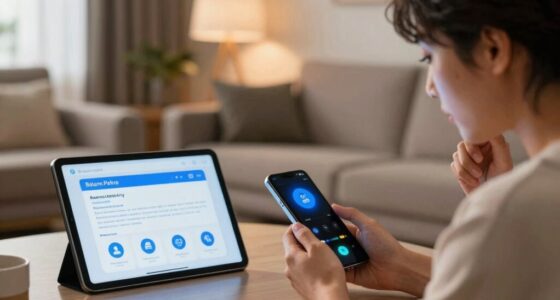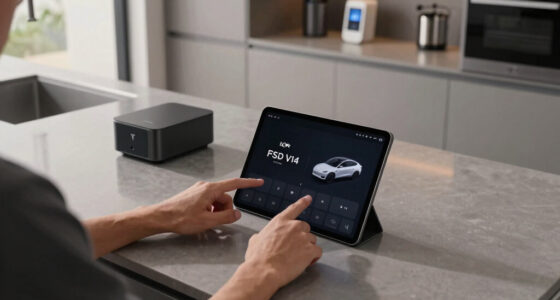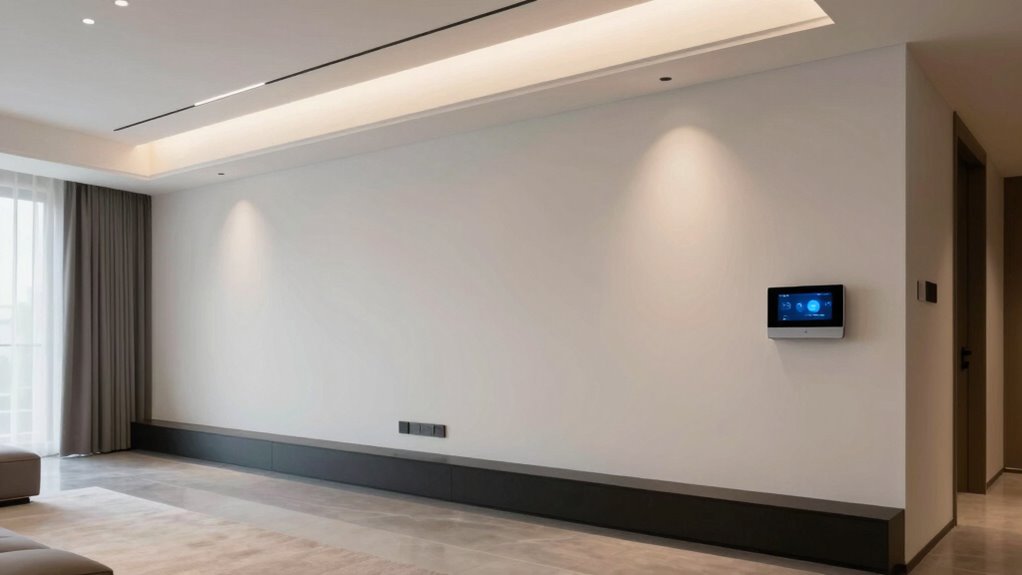

Many premium smart home buyers overlook critical factors like device compatibility, future-proofing, and energy efficiency, which can cause frustration or costly upgrades later. Security and privacy are often downplayed, risking breaches or data leaks. Additionally, focusing solely on flashy features might ignore long-term costs and adaptability. Paying attention now to these overlooked areas can guarantee your investment remains seamless and valuable over time. Keep going to discover how to make your smart home truly future-ready.

Get home appliances delivered free — and shop member deals
- Fast, free delivery on millions of items
- Access to Prime Big Deal Days deals on October 6–7
- Prime Video, Amazon Music and more included
Key Takeaways
- Ensuring device compatibility and seamless integration to avoid frustration and additional costs.
- Prioritizing future-proofing and scalability for long-term relevance and adaptability.
- Considering energy efficiency features to optimize ongoing operational costs.
- Evaluating privacy and security protocols to protect personal data and prevent vulnerabilities.
- Planning for long-term investment by choosing open standards and avoiding proprietary, costly solutions.
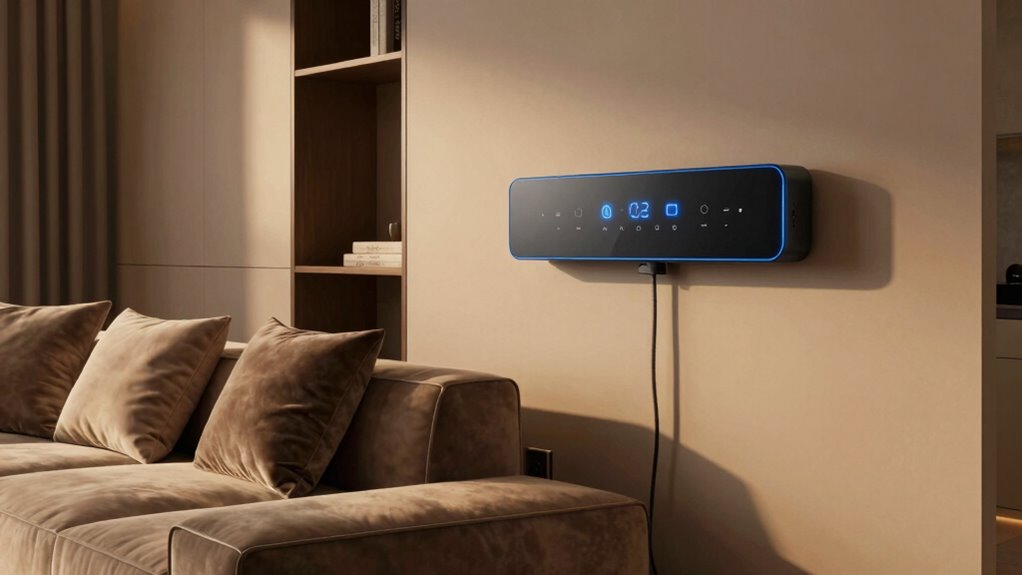
Many premium smart home buyers focus on the flashy features and cutting-edge technology, but they often overlook the importance of seamless integration and future-proofing. While it’s tempting to get caught up in the latest gadgets and sleek designs, it’s equally vital to consider how well everything works together and how adaptable your system will be over time. A home that’s packed with incompatible devices or outdated tech can quickly become frustrating, forcing you to replace or upgrade systems prematurely. Prioritizing seamless integration ensures your smart home operates smoothly, providing you with convenience rather than headaches. Additionally, understanding the importance of compatibility among devices can help prevent costly upgrades and ensure a cohesive user experience. Supporting open standards can facilitate easier upgrades and broader device compatibility in the future. It’s also crucial to think about how your system will adapt to new technologies as they emerge, ensuring your investment remains relevant over time.
Prioritize seamless integration for a smart home that works effortlessly and avoids costly upgrades over time.
Another aspect that often gets sidelined in the excitement of new technology is energy efficiency. You might be dazzled by smart lighting, thermostats, and appliances that promise to make your life easier, but if they’re not designed or configured correctly, they could end up wasting energy instead of conserving it. Look for devices that are ENERGY STAR certified or have built-in energy-saving features. When integrated properly, these systems can optimize your energy consumption, reducing utility bills and environmental impact. Overlooking energy efficiency can lead to increased operational costs and diminish the overall value of your investment.
Privacy concerns are also frequently underestimated. Many buyers get caught up in the allure of remote access and voice control, but they forget that these features can introduce vulnerabilities. Smart home devices collect a significant amount of personal data, and if security isn’t prioritized, your privacy could be compromised. It’s essential to choose systems with robust security protocols, encrypted communications, and transparent privacy policies. You should also consider how data is stored and whether you have control over it. Ignoring these concerns might leave you exposed to hacking, unauthorized surveillance, or data breaches, which can undermine the safety and comfort that a smart home is supposed to provide.
Additionally, many premium buyers overlook the significance of future-proofing their smart home. Technology evolves rapidly, and what’s cutting-edge today might be obsolete in a few years. Investing in adaptable systems that can be easily upgraded or expanded offers long-term value. This includes choosing open standards and scalable platforms rather than proprietary solutions that lock you in. Failing to plan for future upgrades can result in costly replacements or incompatible systems down the line, diminishing the longevity and effectiveness of your smart home setup.
smart home device compatibility kits
As an affiliate, we earn on qualifying purchases.
As an affiliate, we earn on qualifying purchases.
Frequently Asked Questions
How Future-Proof Is the Smart Home Technology I Choose?
Your smart home technology is quite future-proof if it supports popular standards like voice control and energy efficiency. Choosing devices compatible with voice assistants guarantees easy updates and integration, while energy-efficient systems help you stay ahead with sustainable living. You should also consider open-platform products, so you can add or upgrade features over time without replacing everything. This way, your smart home remains adaptable as technology evolves.
What Are the Hidden Costs of Maintaining a Premium Smart Home?
You might not realize that maintaining a premium smart home can lead to hidden costs like increased energy consumption from constantly running devices. Additionally, device compatibility issues can cause unexpected expenses, as you may need to replace or upgrade gadgets to guarantee seamless integration. These ongoing costs can add up quickly, so it’s smart to take into account energy efficiency and compatibility from the start to avoid surprises later on.
How Secure Are My Smart Home Devices Against Hacking?
Your smart home devices are generally secure thanks to device encryption, which protects your data from hacking vulnerabilities. However, no system is foolproof, and hackers can exploit weak passwords or outdated firmware. To enhance security, regularly update your device software, use strong, unique passwords, and enable two-factor authentication. Staying vigilant helps prevent potential hacking attempts and keeps your smart home safe.
Can I Upgrade or Replace Smart Devices Easily Over Time?
Yes, you can upgrade or replace smart devices easily over time, but device compatibility and firmware updates matter. When choosing new devices, make sure they work seamlessly with your existing system. Regular firmware updates are essential for security and performance. Before upgrading, check if your current devices support updates and compatibility with new tech, making future upgrades smooth and hassle-free. Staying informed helps you maintain a smart, efficient home.
How Does Smart Home Automation Impact My Home Insurance?
Smart home automation can positively impact your home insurance by offering insurance discounts and enhancing liability coverage. Insurers often reward automated security systems, smart alarms, and surveillance with lower premiums. Plus, these devices reduce risks like break-ins or accidents, helping you minimize liability claims. You should check with your provider to confirm your smart home features qualify for discounts and understand how they can improve your overall liability coverage.
As an affiliate, we earn on qualifying purchases.
Conclusion
Don’t let the shiny gadgets and sleek systems distract you from the hidden gems beneath. Like a finely woven tapestry, the true value lies in the details—security, compatibility, and future-proofing—that often go unnoticed. When you look beyond the surface, you’ll see your smart home as a symphony, each instrument perfectly tuned. Pay attention to these overlooked notes, and your smart home will sing harmony for years to come, transforming your space into a sanctuary of seamless comfort.
energy-efficient smart thermostats
As an affiliate, we earn on qualifying purchases.
As an affiliate, we earn on qualifying purchases.
privacy-focused smart home security
As an affiliate, we earn on qualifying purchases.
As an affiliate, we earn on qualifying purchases.
Fall Picks
fall essentials
As an affiliate, we earn on qualifying purchases.