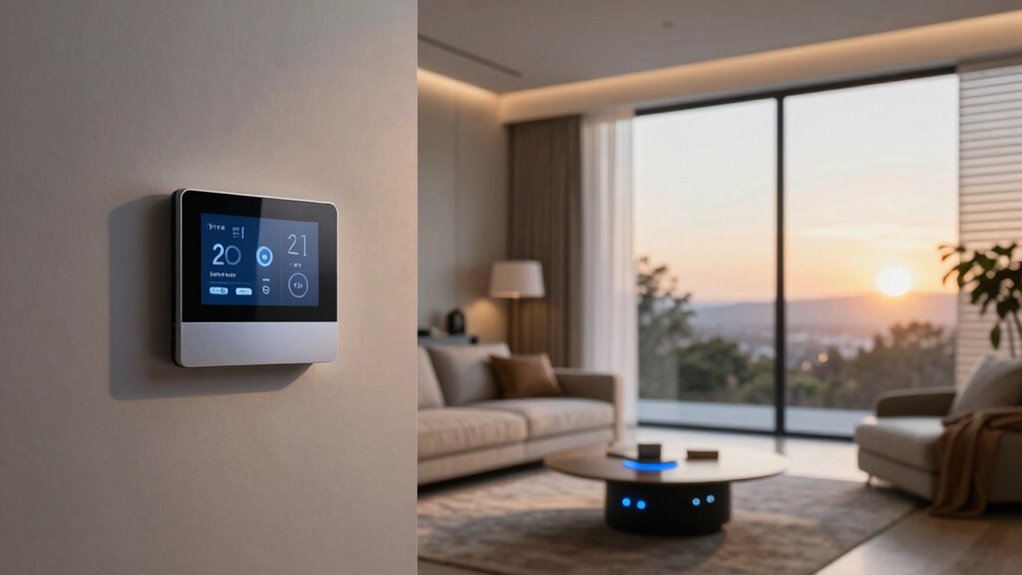

Home tech is becoming more proactive by detecting issues early and responding automatically, rather than just alerting you afterward. Smart security systems now identify threats with facial recognition and motion sensors, while thermostats learn your schedule to optimize comfort and save energy. Leak detectors and adaptive lighting prevent damage before it happens. AI enables devices to analyze patterns, predict problems, and improve over time. To discover how these innovations can transform your home, keep exploring the latest advancements.

Get home appliances delivered free — and shop member deals
- Fast, free delivery on millions of items
- Access to Prime Big Deal Days deals on October 6–7
- Prime Video, Amazon Music and more included
Key Takeaways
- Smart security systems now detect threats early using motion sensors and facial recognition, enabling automatic responses before incidents escalate.
- AI-powered devices analyze patterns to predict issues, shifting from reactive alerts to proactive prevention.
- Energy management systems optimize comfort and efficiency by learning user habits and adjusting settings automatically.
- Leak detectors and adaptive lighting systems monitor for potential problems, triggering alerts or actions to prevent damage.
- Overall, home technology integrates AI and sensors to actively monitor, learn, and respond, minimizing manual intervention.
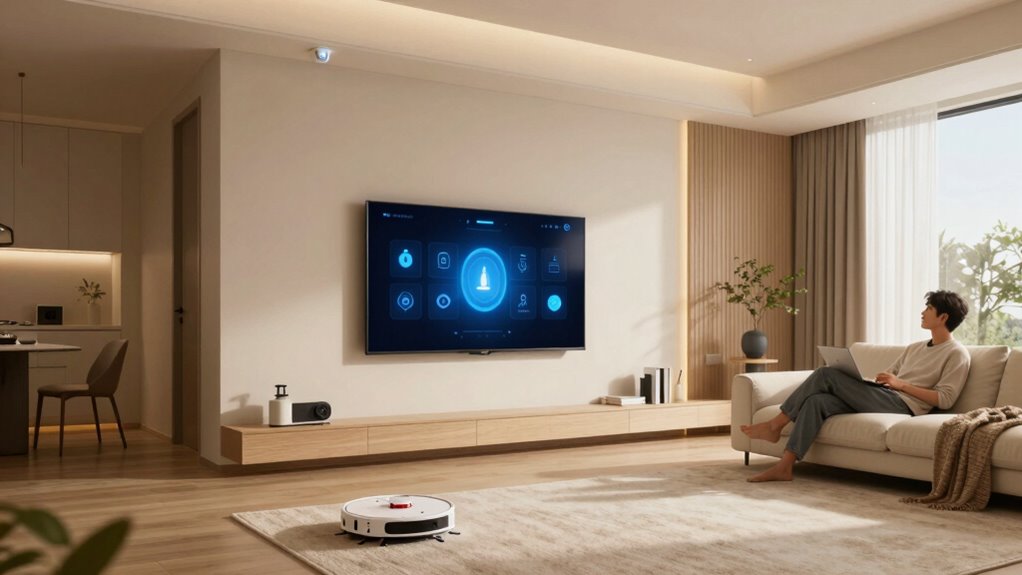
Have you ever wished your home could anticipate problems before they happen? Today, that wish is becoming reality thanks to advancements in home technology. Smart security systems now go beyond just alerting you after a break-in; they can detect unusual activity and take action immediately. For example, motion sensors can identify suspicious movement and automatically notify you or contact authorities. Cameras with facial recognition can distinguish between friends, family, and strangers, preventing false alarms and ensuring you’re aware of genuine threats. These proactive features give you peace of mind, knowing your home is constantly monitoring itself and responding to potential dangers before they escalate. Additionally, artificial intelligence enables these devices to learn and adapt, further enhancing their ability to prevent issues before they arise.
Smart security systems detect threats early, alert you instantly, and act proactively to keep your home safe.
Energy efficiency is another area where home tech is shifting from reactive to proactive. Smart thermostats, for instance, don’t just respond to your commands—they learn your schedule and preferences over time. They adjust the temperature automatically to optimize comfort while reducing energy waste. If you forget to turn off the heating or cooling system when you’re away, these devices detect your absence and shut down or adjust settings accordingly. Some systems even analyze weather forecasts and home occupancy patterns to fine-tune energy consumption, saving you money and reducing your carbon footprint without you lifting a finger. This proactive management of energy use ensures your home operates efficiently, helping you stay comfortable and eco-friendly without constant manual adjustments. Recognizing and utilizing predictive analytics in home systems further enhances this capability, making your home truly intelligent.
The shift toward proactive home tech isn’t limited to security and energy. Smart lighting systems can detect natural light levels or occupancy and adjust brightness accordingly, creating a cozy environment while conserving electricity. Leak detectors can identify water issues early on, preventing costly damage by triggering alerts or shutting off water supplies automatically. These devices work in the background, constantly monitoring your home’s systems and taking preventative actions that you’d otherwise have to manage yourself.
What makes these innovations truly powerful is their ability to learn and adapt. Home tech now uses artificial intelligence to analyze patterns and predict potential issues before they become emergencies. This shift from reactive to proactive technology means you spend less time responding to problems and more time enjoying your home. It’s about creating a space that’s smarter, safer, and more energy-efficient—one that actively works to protect and preserve itself, all while making your life easier. With these advancements, your home isn’t just a place to live; it’s an intelligent partner that keeps you one step ahead.
Frequently Asked Questions
How Secure Are Proactive Home Automation Systems From Cyber Threats?
Proactive home automation systems are generally secure, but cybersecurity vulnerabilities can still exist if you don’t take proper precautions. They often use data encryption to protect your information, making it harder for hackers to access. However, you should regularly update your device software, use strong, unique passwords, and enable two-factor authentication to enhance security. Staying vigilant helps keep your smart home safe from cyber threats.
Can Proactive Home Tech Adapt to Changing Household Routines Automatically?
Yes, proactive home tech can seamlessly adapt to your changing routines through smart sensors and machine learning. Imagine your home intuitively adjusting lighting, temperature, or security settings based on your daily patterns. These systems make automatic adjustments, ensuring comfort and efficiency without you lifting a finger. As your routines shift, the technology learns and evolves, creating a personalized environment that feels both natural and effortlessly responsive.
What Is the Cost Difference Between Reactive and Proactive Home Systems?
Proactive home systems typically cost more upfront than reactive ones due to advanced technology and automation features. However, the cost comparison shifts over time, as proactive systems often reduce maintenance expenses by preventing issues before they happen. While initial investments may be higher, you save money on repairs and energy costs in the long run. Overall, proactive systems offer better value through improved efficiency and fewer disruptions.
How Do Proactive Home Devices Handle False Alarms or Errors?
Think of proactive home devices as vigilant guards—they’re designed to minimize false alarms and handle errors smoothly. When false alarms occur, smart systems double-check sensors or request user confirmation before sounding the alarm, reducing unnecessary panic. Error handling involves automatic diagnostics and alerts, so you’re informed of issues without panic. This approach guarantees your home remains safe and reliable, like a trusted friend who’s always attentive but never overreacts.
Are There Privacy Concerns With Data Collection in Proactive Home Technology?
Yes, there are privacy concerns with data collection in proactive home technology. You should be aware that these devices gather sensitive information, raising issues around data privacy. To protect yourself, make sure your devices require clear user consent before collecting data. Stay informed about how your data is used and stored, and choose devices that prioritize privacy and transparency, giving you control over your personal information.
Conclusion
As home tech evolves, you’re empowered with proactive possibilities, preventing problems before they start. Embrace the excitement of smarter systems that sense, stabilize, and serve, turning reactive routines into proactive routines. By bridging boundaries between basic and brilliant, you’ll benefit from seamless security, smarter scheduling, and serene surroundings. Stay savvy, stay secure—because with proactive home tech, you’re stepping into a safer, smarter, and more satisfying space, all while simplifying your life with just a few simple switches.
NFL season / tailgating Picks
team gear
As an affiliate, we earn on qualifying purchases.