
As a U.S. homebuyer, you now expect smart home technology to be seamless, secure, and energy-efficient. You want devices that communicate effortlessly and are easy to control with your voice or remotely. Security features and compatibility across brands matter more than ever, ensuring your system stays up-to-date and protected. Convenience, safety, and sustainability are now top priorities. To discover how these evolving preferences shape modern homes, keep exploring the latest trends in smart living.

Get home appliances delivered free — and shop member deals
- Fast, free delivery on millions of items
- Access to Prime Big Deal Days deals on October 6–7
- Prime Video, Amazon Music and more included
Key Takeaways
- U.S. buyers now prioritize seamless device interoperability and integrated automation for a unified smart home experience.
- Energy efficiency and cost savings are essential, with smart thermostats and lighting playing key roles.
- Security features, including encryption and cybersecurity protocols, are increasingly demanded to protect privacy.
- User-friendly interfaces and easy upgrade paths are crucial as technology rapidly evolves.
- Compatibility across brands and platforms remains vital for future-proofing smart home systems.
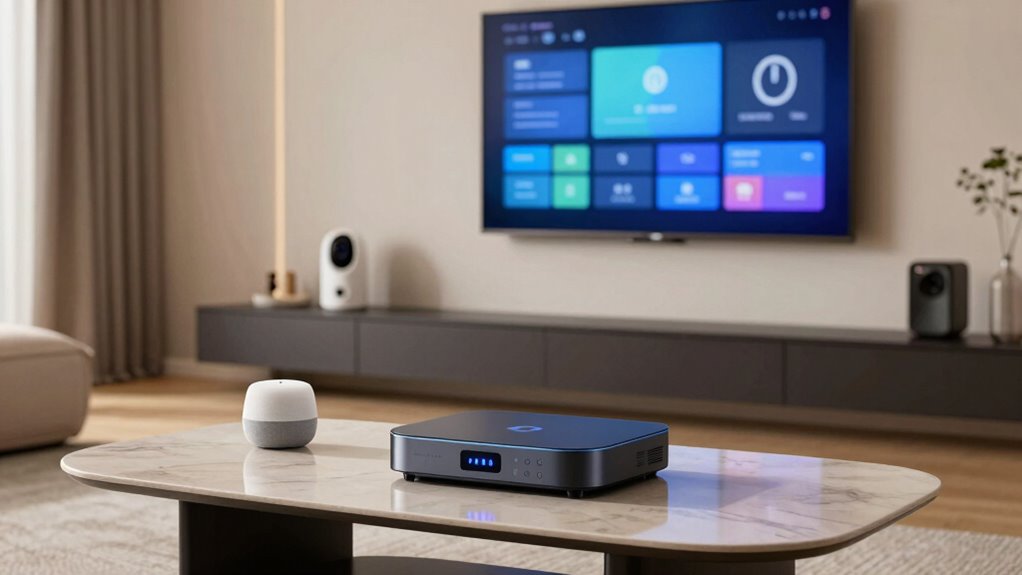
Smart home technology has quickly become a key part of American households, with many homeowners expecting seamless automation and enhanced convenience. As a buyer, you’re likely to see smart homes not just as a luxury but as a standard feature. One of the most sought-after elements is voice control, which allows you to operate devices simply by speaking commands. Whether it’s adjusting the thermostat, turning on lights, or playing music, voice control makes managing your home effortless. This technology not only saves time but also feels intuitive, giving you a sense of control at your fingertips—or, more accurately, at your voice.
Energy efficiency is another critical aspect shaping modern smart home expectations. You want systems that help reduce energy consumption while maintaining comfort. Smart thermostats, for example, learn your schedule and adjust the temperature automatically, cutting down on unnecessary heating or cooling. Smart lighting systems allow you to turn lights off remotely or set schedules that match your routines, ensuring you’re not wasting electricity. These features appeal to environmentally conscious buyers and those looking to lower utility bills. As a result, energy-efficient devices are now considered essential for a truly modern home. Additionally, device interoperability ensures that all your smart devices can communicate effectively, preventing frustration and enhancing overall system performance. A connected system also helps streamline troubleshooting and maintenance, making your smart home experience more reliable.
When considering a smart home, you also expect these technologies to work together seamlessly. Integration is key—your voice control system should connect smoothly with your lighting, security, and climate control devices. You want a unified experience where you can set scenes or routines that activate multiple devices with a single command. This level of automation not only boosts convenience but also enhances security and energy savings. For instance, you could program your home to turn off all lights and lock doors when you say, “Goodnight,” streamlining your nightly routine. Additionally, interoperability between devices is crucial to ensure a hassle-free smart home experience. Incorporating security protocols is essential to safeguard your connected devices from cyber threats, providing an added layer of protection for your personal information. As the technology continues to evolve, the importance of standardized communication protocols becomes evident to maintain compatibility across brands and platforms.
Furthermore, you anticipate these systems to be user-friendly and easy to upgrade. As technology advances rapidly, you want your smart home setup to evolve without major overhauls. This means compatibility across various brands and platforms becomes a priority. You also expect robust security features to protect your privacy, especially with voice-controlled devices that are always listening. Encryption and secure networks give you peace of mind, knowing your personal information remains safe. Keeping your smart home protected from potential cyber threats is increasingly important, especially as more devices are connected online. Also, the ability to easily upgrade software and add new devices ensures your smart home stays current with the latest advancements.
In essence, your expectations for smart home technology are driven by a desire for convenience, efficiency, and security. Voice control offers effortless management, while energy efficiency helps lower costs and environmental impact. As these features become standard, they reshape what you look for in a home—making smart, connected living the new norm in the U.S.
smart home security system with encryption
As an affiliate, we earn on qualifying purchases.
As an affiliate, we earn on qualifying purchases.
Frequently Asked Questions
How Much Do Smart Home Features Typically Add to Property Value?
Smart home features typically add about 3-5% to your property’s value. When you include smart appliance integration and voice-controlled lighting, you enhance appeal to modern buyers. These upgrades demonstrate convenience and energy efficiency, making your home more attractive. By investing in these smart technologies, you not only improve daily living but also increase your home’s market worth, helping it stand out in a competitive market.
Are Smart Home Devices Secure Against Hacking or Privacy Breaches?
Sure, smart home devices are “completely secure,” right? In reality, privacy concerns and hacking prevention are ongoing challenges. While manufacturers improve security, vulnerabilities still exist, making your devices potentially accessible to hackers. You must stay vigilant—use strong passwords, enable two-factor authentication, and keep firmware updated. Don’t assume your smart home is invincible; being proactive is the best way to protect your privacy and prevent breaches.
What Are the Most Cost-Effective Smart Home Upgrades?
You can make smart home upgrades cost-effective by focusing on devices that boost energy efficiency and user convenience. Installing smart thermostats helps you save on heating and cooling bills, while smart lighting allows you to control lights remotely, reducing waste. Adding smart plugs can automate appliances, saving energy without high costs. These upgrades are affordable, simple to install, and substantially enhance your home’s comfort and efficiency.
How Do Smart Home Expectations Differ Across U.S. Regions?
Regional preferences and tech adoption greatly influence smart home expectations across the U.S. You’ll find that in tech-savvy regions like Silicon Valley, buyers expect advanced automation and integration, while in more traditional areas, simpler systems like smart thermostats and security are preferred. East Coast buyers often prioritize security features, whereas West Coast residents may focus on energy efficiency and eco-friendly tech. Your expectations will vary based on local trends and how quickly your region adopts new technology.
What Is the Average Lifespan of Smart Home Technology Devices?
Imagine your smart home devices as reliable companions, usually lasting around 3 to 5 years. Their durability varies, but rapid technological obsolescence often pushes you to upgrade sooner. As innovations accelerate, devices can become outdated quickly, making you feel like you’re chasing the latest, brightest gadget. While some devices endure longer with proper care, most are designed to evolve, keeping pace with the fast-moving world of smart technology.
voice controlled smart thermostats
As an affiliate, we earn on qualifying purchases.
As an affiliate, we earn on qualifying purchases.
Conclusion
As you navigate the evolving landscape of smart homes, think of yourself as a captain steering a ship through changing tides. Your expectations are the compass, guiding you toward a future where technology seamlessly integrates into your daily life. Stay adaptable, embrace innovation, and let your curiosity be the wind in your sails. With each new feature, you’re charting a course toward a smarter, more connected home—your personal haven in a digital world.
energy-efficient smart lighting system
As an affiliate, we earn on qualifying purchases.
As an affiliate, we earn on qualifying purchases.
smart home hub compatible with multiple devices
As an affiliate, we earn on qualifying purchases.
As an affiliate, we earn on qualifying purchases.
NFL season / tailgating Picks
team gear
As an affiliate, we earn on qualifying purchases.