
TL;DR

Get home appliances delivered free with Prime
- Fast, free delivery on millions of items
- Prime Video, Amazon Music and more included
- Member-only deals all year
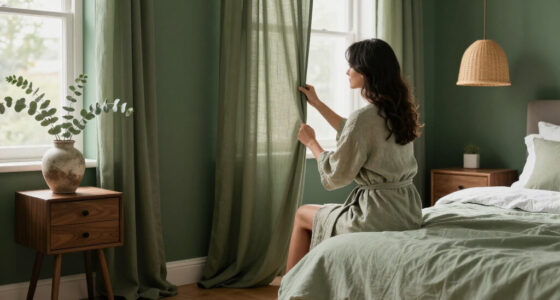
House Beautiful has published a list of 33 plants suited to bedrooms, describing their light and watering needs and some pet-safety information. The roundup offers choices from low-light snake plants and aglaonema to sun-loving lavender; it does not establish that keeping a live plant in a bedroom improves sleep or health.
House Beautiful has published a roundup of 33 plants that can be grown in bedrooms, grouping options by practical features such as light tolerance, watering frequency and growth habit. The list gives readers choices for different rooms and care routines, while its calming framing should not be read as evidence that bedroom plants improve sleep.
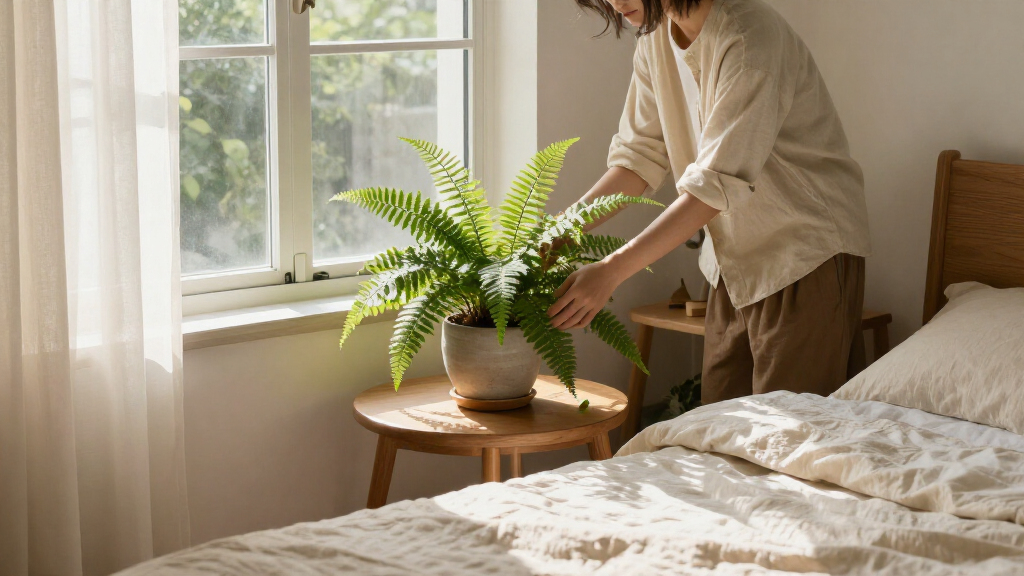
The roundup ranges from low-light choices to plants that need a sunny window. Cast iron plant, aglaonema, snake plant, ZZ plant and pothos are described as able to tolerate low light. Lavender, by contrast, needs bright light; the article recommends a sunny windowsill or grow light. Many of the plants are said to prefer bright, indirect light, including pilea, bird’s nest fern, monstera and bird of paradise.
Care advice centers on checking soil rather than following one watering schedule for every plant. The article suggests watering pothos when the top few inches of soil feel dry, and watering pilea when the top inch is dry. Snake plant and ZZ plant need less frequent watering, according to the roundup. It also notes that lucky bamboo can grow in water, which should be changed weekly, or in soil kept slightly moist.
Several entries are presented as suitable for beginners or compact spaces. The roundup calls nerve plant compact and says it is safe for pets; it also states that cast iron plant is non-toxic to humans, cats and dogs. These safety descriptions apply to the specific plants named in the article, not automatically to all 33 selections. Readers with pets should verify a plant’s identity and safety before bringing it home.
Matching Plants to Bedroom Conditions
The list’s practical value is its emphasis on matching a plant to the room rather than choosing by appearance alone. A bedroom with little natural light may suit a snake plant or aglaonema better than lavender, while someone who wants a trailing plant could consider wax plant or heartleaf philodendron. Light and watering needs affect whether a plant is likely to thrive, and selecting for those conditions can help readers avoid unnecessary upkeep.
The roundup also gives readers a starting point for comparing care demands and pet-related concerns. Its guidance is general: indoor light, humidity, potting mix and individual growing conditions vary. The article does not report testing plants in bedrooms or establish benefits for sleep, air quality or health. Its “calming” premise is best understood as a description of how greenery may shape a room’s look, not a measured outcome.
Products Worth Considering

Logitech MX Mechanical Wireless Illuminated Keyboard, Tactile Quiet, Graphite

Apple MacBook Air 13.6-inch Laptop with M5 Chip, 16GB Memory, 512GB SSD, Sky Blue

Amazon Kindle Paperwhite 16GB, 7-Inch Display, Graphite
As an affiliate, we earn on qualifying purchases.
Care Advice Across 33 Choices
The source is a House Beautiful gardening roundup, not a scientific study or a report on a new horticultural finding. It describes 33 indoor plants, but the supplied material provides detailed care notes for the first 20 entries, including cast iron plant, prayer plant, wax plant, nerve plant, pilea, aglaonema, snake plant, money tree, pothos, lavender, heartleaf philodendron, bird’s nest fern, ZZ plant, ric rac cactus, monstera, peace lily, ponytail palm, bird of paradise, lucky bamboo and parlor palm.
Descriptions include both botanical and household details. Prayer plant leaves fold upward at night, the article says, while ponytail palm stores water in its bulbous base. Money tree is described as easy to care for, but the claim that it brings good luck is presented as a popular belief, not a verified effect. The roundup also notes that indoor bird of paradise rarely flowers, although it can flower outdoors.
““Having a live lavender plant in your bedroom probably can’t hurt.””
— House Beautiful, on lavender
Claims the Roundup Does Not Test
The supplied source does not give a publication date, explain how the 33 plants were selected or provide detailed descriptions for entries 21 through 33. It also does not cite evidence that live bedroom plants create a measurable calming effect or improve sleep. The article notes research on lavender essential oils, but says the effects of a live lavender plant are less established.
Care results can differ with a room’s window direction, seasonal daylight, humidity, pot size and soil. The source’s pet-safety statements cover only certain entries, and readers should not assume that every plant on the list is safe for cats or dogs. No independent testing or expert review is described in the supplied material.
Check Light and Plant Safety
Readers considering a bedroom plant can start by observing how much direct and indirect light the room receives, then compare that with the plant’s stated needs. They can also check the soil before watering and account for humidity and available space. The article offers options across those conditions, but its recommendations are starting points rather than guarantees that a plant will thrive in every bedroom.
Before buying, pet owners should confirm the plant’s identity and check reliable, plant-specific safety guidance. The supplied report does not identify a follow-up study or additional announcement, and it offers no measured findings about sleep or wellbeing. Any such effects remain unconfirmed by this roundup.
Key Questions
Which bedroom plants in the roundup tolerate low light?
House Beautiful names cast iron plant, aglaonema, snake plant, ZZ plant and pothos among its low-light options. Actual results depend on the amount of light available; low-light tolerance does not mean a plant can thrive without light.
Does the article show that bedroom plants improve sleep?
No. The roundup describes plants as bringing a calming touch, but it does not present evidence that a live plant improves sleep. Its lavender discussion says research has focused on essential oils and that the effect of a live plant is less clear.
Which listed plants are described as pet-safe?
The article says nerve plant is safe for pets and that cast iron plant is non-toxic to humans, cats and dogs. It does not make that claim for every plant in the roundup, so pet owners should check each plant separately.
How often should bedroom plants be watered?
There is no single schedule for all the plants. The roundup generally advises checking whether the soil’s top layer has dried; it says snake plant and ZZ plant need less frequent watering, while lucky bamboo grown in water needs its water changed weekly.
Source: housebeautiful.com