
TL;DR

Get home appliances delivered free with Prime
- Fast, free delivery on millions of items
- Prime Video, Amazon Music and more included
- Member-only deals all year
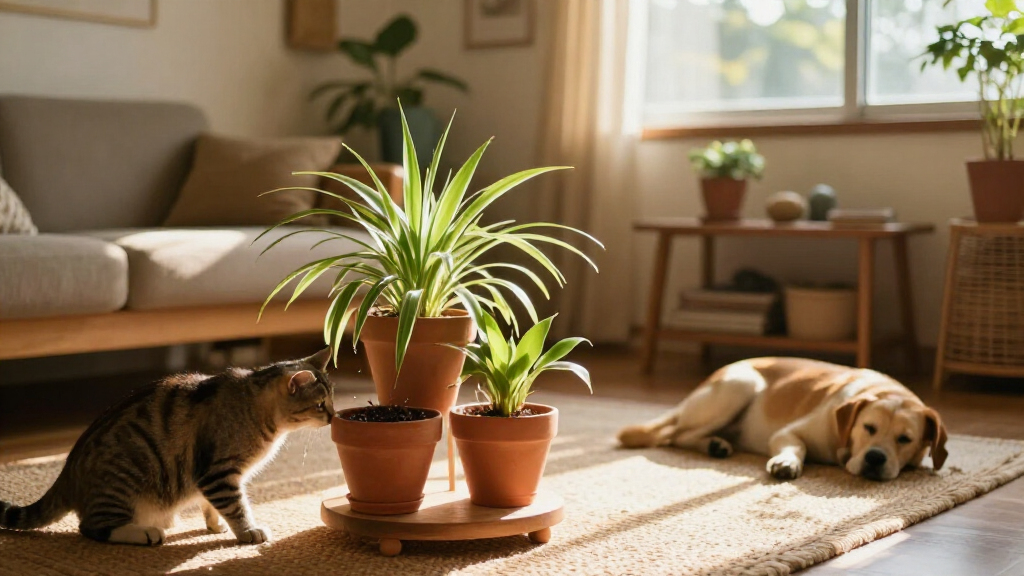
Ideal Home has highlighted six houseplants it describes as pet-friendly: spider plant, Kentia palm, calathea, Chinese money plant, Boston fern and polka dot plant. The report cautions that “pet-friendly” does not mean pet-proof: eating a large amount of even a non-toxic plant can upset an animal’s stomach.
Ideal Home has named six houseplants it describes as safe for cats and dogs, offering pet owners indoor greenery options while warning that no plant is entirely pet-proof. The list includes spider plants, Kentia palms, calatheas, Chinese money plants, Boston ferns and polka dot plants; the report says eating a large quantity of any plant can still upset a pet’s stomach.
The choices combine several different looks and growing conditions. Spider plants are described as easy to care for and propagate, while Kentia palms offer a larger, architectural shape and can tolerate lower-light spots. Calatheas are noted for decorative foliage, and the report says the Chinese money plant prefers bright, indirect light and soil that dries slightly between waterings.
The remaining options include the Boston fern, which gardening retailer Beards & Daisies founder Jo Lambell says suits humid rooms such as bathrooms, and the polka dot plant, whose spotted leaves can be pink or white. Gardening expert Nick Wood says the polka dot plant needs bright, indirect light and lightly moist soil, with regular pinching to encourage fuller growth.
The article attributes its pet-safety recommendations to Lambell and Wood. Lambell calls the spider plant non-toxic and says cats may chew it, while Wood identifies the Chinese money plant and polka dot plant as suitable choices for pet owners. The report does not provide veterinary references or a plant-by-plant toxicology assessment.
Greenery Options for Pet Homes
For people who share a home with cats or dogs, choosing plants involves weighing appearance and care needs against the risk of poisoning. This list gives readers six named options to investigate rather than suggesting that every popular houseplant is suitable. It also makes clear that a plant described as non-toxic may still cause discomfort if an animal eats too much.
The practical takeaway is to consider a plant’s placement as well as its reported toxicity. Hanging pots or other barriers may reduce access, but the source does not claim that these measures make a plant completely inaccessible or eliminate the risk of chewing.
pet-safe houseplants for cats and dogs
As an affiliate, we earn on qualifying purchases.
As an affiliate, we earn on qualifying purchases.
What the Plant Guide Covers
The source is a home and gardening guide from Ideal Home, not a report of a new veterinary finding or a change in pet-safety rules. It presents care notes and expert comments for six varieties, including light and watering preferences, and suggests keeping plants out of reach where possible.
The article’s broad caution applies across the list: even plants characterized as pet-safe can cause stomach upset when eaten in bulk. Its advice therefore distinguishes toxicity from ordinary irritation or digestive effects, though it does not explain how risk may vary by animal or amount consumed.
““Even pet-safe plants can upset a tummy if they’re eaten in bulk, so it’s worth keeping an eye on any serial chewers.””
— Jo Lambell, founder of Beards & Daisies, as quoted by Ideal Home
As an affiliate, we earn on qualifying purchases.
Limits of the Safety Claims
The report does not include veterinary toxicology sources, specify how much ingestion might cause symptoms, or distinguish risks for cats, dogs, and individual animals. Its statements about the plants’ suitability are attributed to gardening experts, but no plant is described as pet-proof. Readers should not interpret the list as a guarantee that chewing or eating a plant will have no effect.
The source also does not provide guidance for responding to a suspected ingestion. The appropriate response may depend on the plant, the amount eaten and the animal’s condition; those details are not addressed in the article.
As an affiliate, we earn on qualifying purchases.
Check Plants Before Bringing Them Home
The report offers no scheduled follow-up or new safety review. Readers considering one of the six plants can use the list as a starting point, then confirm the plant’s identity and suitability with a veterinarian or a reliable animal-poison resource, particularly if their pet is a persistent chewer.
After bringing a plant home, owners can monitor their pets and place foliage beyond reach where practical. If a pet eats a plant and becomes unwell, seek advice from a veterinarian rather than relying on the general label “pet-friendly.”
As an affiliate, we earn on qualifying purchases.
Key Questions
Which six plants does the report describe as pet-friendly?
It names the spider plant, Kentia palm, calathea, Chinese money plant, Boston fern and polka dot plant.
Does pet-friendly mean a plant is safe to eat?
No. The report warns that eating a large amount of even a plant described as pet-safe can upset a pet’s stomach. It says no plant is entirely pet-proof.
Which plants are suggested for lower-light rooms?
Ideal Home quotes Jo Lambell saying the Kentia palm copes well in lower light. The article’s care notes say calatheas suit northeast- or west-facing rooms, but it does not give a single light recommendation for every home.
What should I do if my pet eats one of these plants?
The source does not give specific ingestion-response instructions. If your pet eats a plant and appears unwell, contact a veterinarian and provide the plant’s identity and any details about how much was eaten.
Source: rss
Fall yard work Picks
leaf blowers
As an affiliate, we earn on qualifying purchases.