
TL;DR
As summers grow hotter, many homes feel increasingly warm due to aging components like insulation, ductwork, and HVAC systems. Experts recommend upgrades and maintenance to restore comfort and efficiency.
Many homeowners are noticing their homes feel hotter each year, especially during summer. Experts confirm that aging components like insulation, ductwork, and HVAC systems are significant contributors to this problem, which can lead to higher energy bills and reduced comfort.
According to Lane Martin, co-founder of Modern PURAIR, deterioration over time in home components causes heat to enter and escape more easily, making cooling less effective. Common issues include aging insulation, which compresses or breaks down, allowing external heat to infiltrate the home, and deteriorating caulk and weatherstripping around windows and doors, which create leaks that trap warm air inside.
Older ductwork often develops leaks or disconnections, enabling cooled air to escape into unconditioned spaces like attics and crawl spaces, which can reach temperatures of 130-140 degrees, forcing HVAC systems to work harder. Additionally, aging HVAC units lose efficiency due to dirty coils, low refrigerant, and worn parts, reducing their ability to cool effectively.
Climate change also plays a role, with higher outdoor temperatures and longer heatwaves increasing the workload on existing cooling systems. Experts recommend routine maintenance, sealing leaks, upgrading insulation, and considering system replacements to improve indoor comfort and energy efficiency.
Impacts of Aging Components on Home Comfort
This issue matters because it explains why many homes become increasingly uncomfortable and energy-inefficient over time. Addressing these hidden causes can lead to lower energy bills, better indoor temperatures, and extended lifespan for HVAC systems, making it a crucial concern for homeowners, especially as climate conditions worsen.
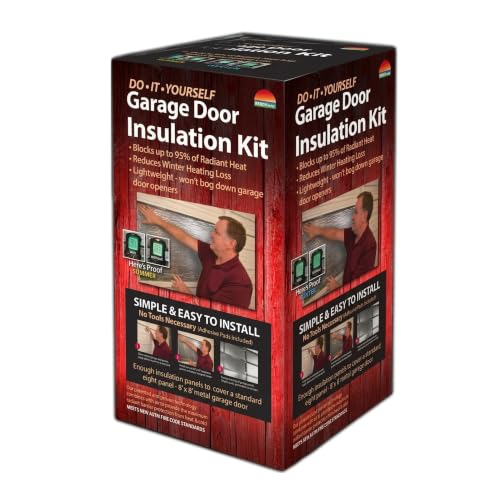
Reach Barrier Garage Door Insulation Kit, Reflective, 8×8 Single Door
- Coverage for Single Garage Door: 8ft x 8ft insulation for one door
- Pre-Cut Panels Included: 8 panels with adhesive pads
- Reflective Double-Sided Film: Reflects heat on both sides
As an affiliate, we earn on qualifying purchases.
As an affiliate, we earn on qualifying purchases.
Home Aging and Climate Effects on Cooling Efficiency
Homes naturally deteriorate over time, with insulation, ductwork, and HVAC systems losing effectiveness. This process is compounded by climate change, which has led to more intense heatwaves and higher outdoor temperatures, putting additional strain on cooling systems. Regular maintenance and upgrades are necessary to counteract these effects and maintain comfort.
“Over the years, houses deteriorate, which can make them feel hotter. Often, it’s a combination of small issues that have built up over time.”
— Lane Martin, Modern PURAIR

Romeda Aluminum Foil Tape, 2 inch x 65 Feet Foil Tape (3.9 mil), Silver Insulation Adhesive Metal Tape, High Temperature Heavy Duty HVAC Tapes for Ductwork, Dryer Vent, HVAC
- Thickness: 3.9 mil for durability and flexibility
- Strong Adhesion: Pressure-sensitive adhesive for lasting stickiness
- Temperature Resistance: Resists up to 130℃ short-term, 120℃ long-term
As an affiliate, we earn on qualifying purchases.
As an affiliate, we earn on qualifying purchases.
Unclear Extent of Duct and System Degradation
It is not yet clear how widespread or severe duct leaks and HVAC system degradation are across different regions. The effectiveness of specific repair or upgrade strategies varies depending on home age, climate, and existing infrastructure, and more data is needed to quantify these impacts precisely.
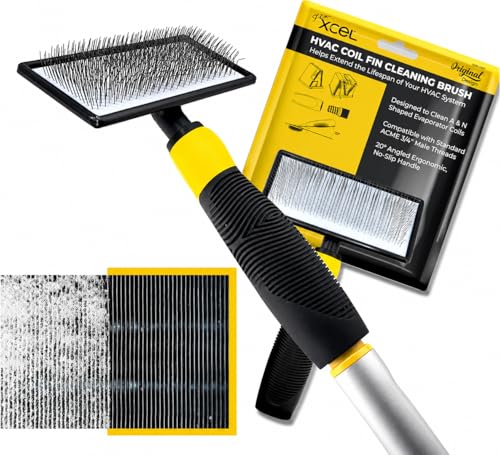
HVAC Coil Cleaner Brush for AC Evaporator & Condenser Coil Cleaning
- Effective Coil Cleaning: Removes debris for better airflow
- Deep Cleaning Capability: Cleans dirt between fins and surface
- Compatible with Extension Poles: Fits ¾-inch ACME-thread poles
As an affiliate, we earn on qualifying purchases.
As an affiliate, we earn on qualifying purchases.
Next Steps for Homeowners and Industry Updates
Homeowners are advised to schedule professional inspections for duct sealing, insulation assessment, and HVAC maintenance. Industry experts expect increased demand for upgrades as climate change continues to raise outdoor temperatures, with innovations in insulation and duct technology likely to improve future solutions.

Ninsula 33Ft Door Weather Stripping, (1/2in x 1/4in), Strong Adhesive, Sound Proof, Door Insulation, Weatherproof Foam Tape for Doors, Weatherstripping for Doors Frames, Windows
- Length: 33 feet long for versatile use
- Size: 1/2 inch by 1/4 inch
- Easy Installation: No tools needed, cut to size
As an affiliate, we earn on qualifying purchases.
As an affiliate, we earn on qualifying purchases.
Key Questions
How can I tell if my insulation needs replacing?
If your home feels warmer than it should during summer, or if your energy bills are rising despite no change in usage, it may be time to inspect or upgrade your insulation. A professional assessment can determine if your insulation has degraded and needs replacement.
What are the best ways to seal leaks around windows and doors?
Recaulking around window and door frames and replacing weatherstripping can significantly reduce leaks. It’s best to have a professional perform a blower door test to identify all leaks and ensure proper sealing.
Should I replace my old HVAC system?
If your system is over 10-15 years old, frequently breaks down, or can’t keep up with outdoor heat, upgrading to a modern, energy-efficient model can improve comfort and reduce energy costs. Professional evaluation can help determine the right timing for replacement.
What maintenance steps can I take myself?
Regularly changing filters, sealing leaks, and cleaning vents can help maintain system efficiency. However, complex issues like duct leaks or insulation upgrades should be handled by professionals.
Source: Bob Vila