🔍 Read the full analysis: AI-Powered Home Devices: A Guide To Making Your Choice on ThorstenMeyerAI.com

Get home appliances delivered free with Prime
- Fast, free delivery on millions of items
- Prime Video, Amazon Music and more included
- Member-only deals all year
TL;DR
A guide published by ThorstenMeyerAI.com explains how beginners can choose and set up a small system of AI-powered home devices, starting with a low-risk task such as controlling a lamp. It recommends checking platform, hub and Wi-Fi compatibility, account security, privacy settings and subscription terms; its product recommendations are editorial judgments, not independent test findings.
ThorstenMeyerAI.com has published a beginner’s guide to selecting and setting up AI-powered home devices, advising readers to begin with a low-risk automation such as a lamp and check compatibility, account security and data settings before connecting equipment. The guide also names Hubitat, SwitchBot and Green as options for different priorities, while making clear that their suitability depends on features, setup needs and subscription terms.
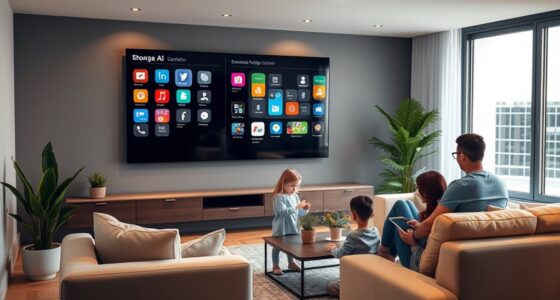
The guide is aimed at people building a small system with a phone, home Wi-Fi and devices such as a smart speaker, light, thermostat or plug, with more ideas in this guide to smart home automation devices. It estimates setup will take 45 to 90 minutes, depending on the number of devices and whether apps need updates. It says buyers should check packaging or product pages for platform support, required hubs, Wi-Fi band and regional compatibility; some devices require a 2.4 GHz network or a particular hub.
For its product recommendations, the guide says it prefers Hubitat when local, multi-protocol automation and subscription-free, AI-assisted routine building take priority over beginner-friendly setup, among the options covered in this roundup of AI-powered home automation devices. It favors SwitchBot for camera-aware, chat-based control and bundled storage, subject to the buyer’s acceptance of its subscription and device limits. It describes Green as a quiet, expandable local automation base, but says buyers seeking built-in AI features should consider the other two. These are the publisher’s recommendations; the provided material does not include comparative test results.
Its setup instructions include downloading the manufacturer’s official app, updating the app and device firmware, connecting the device to Wi-Fi or a hub, and giving it a distinct name and room assignment. The guide also advises using a unique account password and multifactor authentication when offered, reviewing activity history and cloud processing, and granting only necessary app permissions. It warns against using an app or account that cannot be verified as the manufacturer’s official service.
Compatibility and Privacy Shape Setup
For buyers, a smart device’s advertised AI features are only part of the decision. A product may support voice control but not every routine or feature offered by its broader platform. Checking the exact model’s requirements in advance can help avoid buying equipment that needs an unplanned hub, uses an unsupported network band or does not work with the household’s chosen assistant.
The guide also highlights that AI and automation can involve different data practices: some processing may happen locally, while voice, sensor or usage data may be sent to a cloud service. That distinction affects what information leaves the home and what happens if internet access is interrupted. Reviewing privacy controls before enabling optional features gives household members a chance to decide what data they are comfortable sharing.
Starting with a lamp limits the consequences of a setup mistake compared with beginning on a lock, alarm or heater. The article advises following manufacturers’ electrical and installation instructions and says not to modify wiring or install equipment requiring an electrician unless qualified. That guidance matters because some home devices affect safety or access, not just convenience.
Products Worth Considering

Apple Watch SE 3 GPS 40mm Smartwatch

Samsung 27-Inch Odyssey G5 QHD Gaming Monitor (G51F)

Samsung 32 Odyssey G5 QHD Gaming Monitor
As an affiliate, we earn on qualifying purchases.
A Small System, Not a Full Retrofit
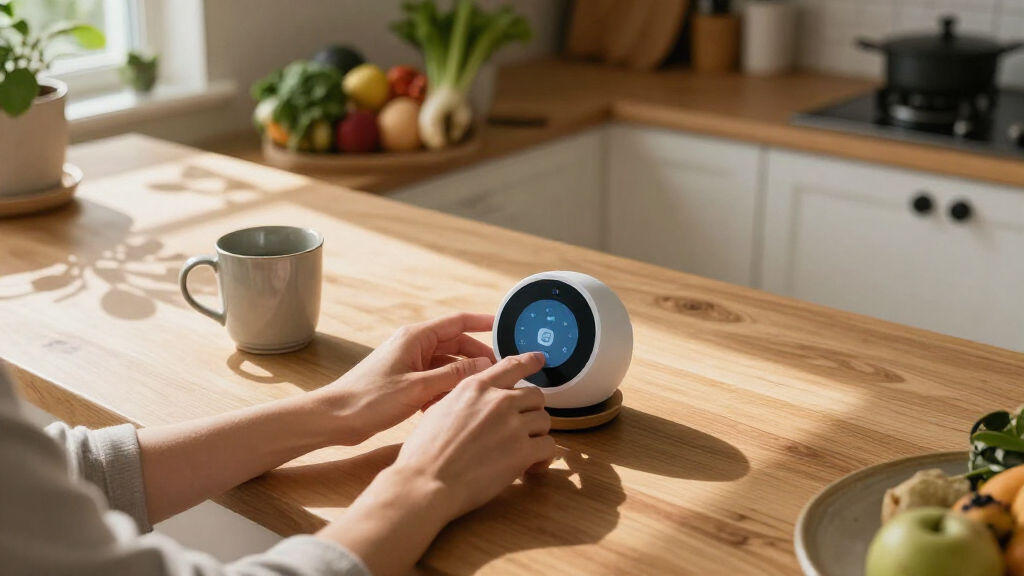
The source frames the project as a beginner setup rather than a whole-home installation. Its suggested starting point is one task, such as turning on a lamp by voice or putting a thermostat on a schedule, followed by checks that the device is online and responds as expected. The process uses a smartphone or tablet, the relevant official app, home Wi-Fi credentials and any required hub.
The guide’s recommendations reflect different stated priorities rather than a single universal winner. Hubitat is presented for local and multi-protocol automation, SwitchBot for camera-aware chat control and bundled storage, and Green for a local expandable base. The publisher also discloses that it may earn commissions from qualifying Amazon purchases. That commercial relationship is relevant to readers weighing its recommendations; the supplied material does not detail an independent evaluation method.
“We recommend Hubitat as the best overall choice when local, multi-protocol automation and subscription-free AI-assisted routine building matter more than beginner-friendly setup.”
— ThorstenMeyerAI.com
Testing and Service Terms Remain Unclear
The supplied guide does not provide a publication date, prices, model numbers, hands-on test results or a detailed method for comparing the three recommended platforms. It is not clear which specific device configurations were evaluated, how performance was measured, or whether the recommendations apply across product versions and regions. Readers should verify current features, compatibility and terms on manufacturers’ product pages before buying.
The material also does not specify what data each named product processes locally or sends to the cloud, or the precise costs and limits of every subscription. AI capabilities and service terms can vary by model, software version and location. The article advises checking settings and requirements, but those details must be confirmed for the device and account a buyer plans to use.
Verify Requirements Before Buying
The guide’s practical next step is to choose one low-risk task, then confirm that a specific device supports the required platform, network band and hub before purchase. Buyers should also review subscription terms and privacy controls, secure the relevant account, and follow the manufacturer’s update and installation instructions. Once the device is online, they can test its basic controls before creating a schedule or voice routine.
Anyone considering a thermostat, lock, alarm or equipment involving wiring should read the product’s installation and safety instructions first. The source says to seek a qualified electrician for work that requires one and not to modify wiring without the necessary qualifications. No later product comparison, test results or follow-up announcement is identified in the supplied material.
Key Questions
What should a beginner automate first?
The guide recommends a low-risk device such as a lamp before moving on to locks, alarms, heaters or equipment that can affect safety or access.
How long does setup take?
ThorstenMeyerAI.com estimates 45 to 90 minutes for a small system, depending on how many devices are added and whether apps need updates.
What should I check before buying a smart-home device?
Check the exact model’s platform, hub, Wi-Fi band and regional compatibility. Also confirm whether the features you want require a subscription; voice control does not necessarily mean every platform routine is supported.
What privacy settings should I review?
Review voice recordings, activity history, data sharing and whether processing happens locally or through a cloud service. The guide advises turning off features you do not need and checking any physical microphone or camera controls.
Are the guide’s product recommendations independent test results?
The supplied material presents the publisher’s recommendations but does not provide comparative test results or a detailed evaluation method. It also discloses that the publisher may earn commissions from qualifying Amazon purchases.
Source: ThorstenMeyerAI.com