
TL;DR

Get home appliances delivered free with Prime
- Fast, free delivery on millions of items
- Prime Video, Amazon Music and more included
- Member-only deals all year
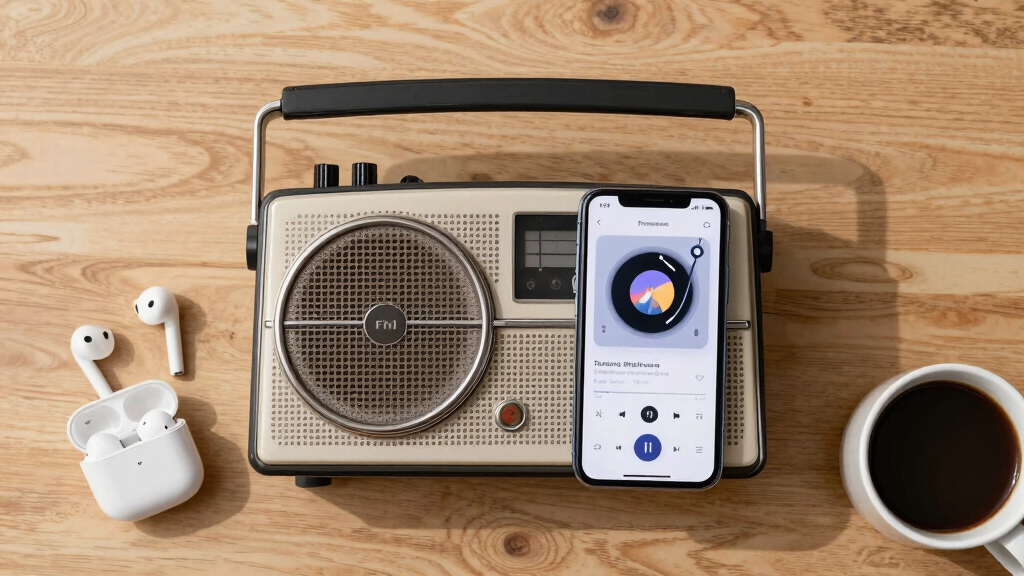
An individual replaced their Spotify streaming service with a self-built FM radio station using a Raspberry Pi. The station streams UK podcasts, news, and personal music, functioning 24/7. This DIY project aims to reduce screen time and modernize old tech.
A person has replaced their Spotify streaming service with a self-made FM radio station built using a Raspberry Pi Zero and a cheap FM transmitter. The project aims to reduce screen time and phone use, while providing personalized radio content that includes UK podcasts, news, and music.
The individual, a transhemispherical immigrant, built the radio station to achieve a minimalist lifestyle and cut down on digital distractions. They used a Raspberry Pi Zero to pull content from RSS feeds, including UK podcasts and news bulletins, and combined it with their music library. The station broadcasts continuously on a 24/7 loop, reaching both their kitchen radio and bedroom alarm clock.
The setup was created with limited Linux experience, relying on bash scripting and minimal AI assistance. The project is shared publicly via a GitHub repository, inviting others to replicate or adapt the design. The creator reports the system works surprisingly well, despite some hacky methods used during development.
Impact of DIY Radio on Digital Minimalism
This project highlights how individuals can repurpose old technology for modern, personalized media consumption, reducing reliance on commercial streaming services like Spotify. It also demonstrates a growing interest in low-tech or screen-free solutions for media, driven by a desire to cut digital distractions and foster mindfulness. The project may inspire others to explore similar homemade solutions, blending technology and minimalism.
Products Worth Considering

EcoFlow DELTA 3 Portable Power Station, 1024Wh, 1800W

Jackery Explorer 1000 v2 Portable Power Station with 200W Solar Panel

Amazon Kindle Paperwhite Signature Edition (12th Generation, 2024), 32 GB, Metallic Raspberry
As an affiliate, we earn on qualifying purchases.
Background of Personal Tech Minimalism and DIY Projects
Over recent years, many users have sought ways to limit screen time and digital dependency, turning to alternatives like physical media, radio, or custom devices. DIY projects involving Raspberry Pi and similar hardware have gained popularity as accessible means to create personalized tech solutions. This particular project builds on that trend, combining old tech (FM radio) with new components to craft a customized broadcasting station. The creator’s approach reflects a broader movement toward sustainable, low-impact tech use and self-sufficiency.
“It all works surprisingly well, and reaches both the kitchen radio and my bedroom alarm clock.”
— the creator
“I wanted to reduce my screen time and phone use, so I built this to have a more tactile, less digital way of consuming media.”
— the creator
Remaining Technical and Practical Uncertainties
It is not yet clear how scalable or sustainable this DIY setup is over the long term. Questions remain about the reliability of the hardware, potential interference issues, and whether such a station could be used in different environments or by others without technical expertise. Additionally, the legal or regulatory implications of broadcasting on FM frequencies are not addressed.
Next Steps for DIY Radio Enthusiasts and Developers
The creator plans to update the project on GitHub and possibly share detailed instructions or improvements. Others interested in similar projects may experiment with their own setups, potentially expanding the concept to include more advanced features or broader broadcasting ranges. Further testing and community feedback could refine the system’s design and usability.
Key Questions
Can I legally broadcast on FM with a homemade transmitter?
Legal restrictions vary by country; in many regions, transmitting on FM frequencies without proper licensing may be illegal. It is advisable to check local regulations before deploying such a setup publicly.
What hardware do I need to build a similar FM radio station?
A Raspberry Pi Zero or similar microcomputer, a cheap FM transmitter module, and access to internet for content sources are essential. Additional components include power supplies, antennas, and possibly a case for housing the equipment.
Can this setup stream content from online sources?
Yes, by configuring the Raspberry Pi to pull RSS feeds, podcasts, and other online media, the station can stream a variety of content tailored to personal preferences.
How difficult is it to set up a DIY FM radio station?
The creator reports limited Linux experience but managed to build the system using bash scripting and minimal AI assistance. Technical skills in scripting and basic electronics are helpful but not necessarily required for a simple setup.
Source: Hacker News