

TL;DR
The US Defense Secretary announced a comprehensive six-month review of US military presence in Europe, citing concerns over NATO allies’ defense contributions. The move signals potential shifts in US-European military cooperation amid ongoing disagreements.
The US Defense Secretary Pete Hegseth announced a new six-month review of US military forces in Europe, citing concerns over NATO allies’ defense contributions and threatening to withhold some US dues if allies do not meet their commitments. This marks a significant shift in US policy toward European defense cooperation and could impact NATO’s future operations.
Hegseth’s announcement came at a NATO meeting in Brussels, where he emphasized that the review aims to ensure NATO moves towards European-led defense efforts. He criticized allies for ‘free riding’ on US efforts and indicated that the review would include consultations with Congress, which has legislated a minimum number of US forces in Europe.
During his speech, Hegseth also accused some allies of failing to support the US during its recent conflicts, including the Iran war, and stated that the review would help secure US basing and overflight rights in Europe. The US has recently decided to reduce its military capabilities in the region, including cutting back on aircraft, ships, and drones, to avoid over-reliance on US forces in multiple conflicts.
European allies and Canada are actively working to increase their defense spending, with NATO Secretary-General Mark Rutte noting a 20% rise in defense expenditure last year. However, some NATO members have already begun offering to increase contributions specifically to NATO’s crisis response forces, amid concerns about US troop reductions.
Implications for NATO’s Future Military Strategy
This review signals a potential shift in US military policy in Europe, possibly leading to reduced US troop presence and increased reliance on European forces. It reflects tensions over defense spending and burden-sharing within NATO, which could impact the alliance’s deterrence capabilities and operational readiness. The move also underscores the Biden administration’s focus on streamlining US forces amid multiple global conflicts, potentially reshaping US-European security relations in the coming months.
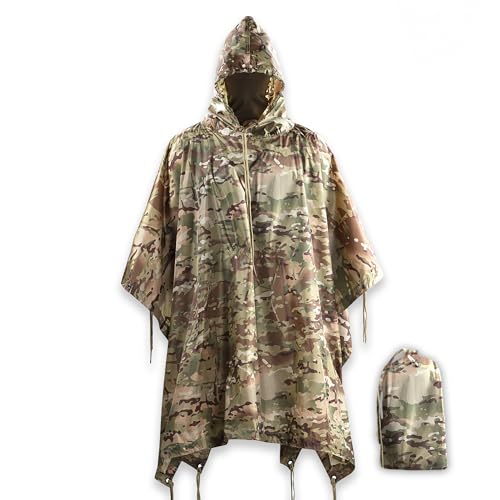
M-Tac Tactical Rain Poncho – Army Military Poncho Shelter – Waterproof Ripstop Camping Hiking Outdoor Hunting Rain Ponchos (Camo)
- Lightweight and Compact: Folds into small pouch for easy carrying
- Durable Construction: Made from reinforced polyamide fabric
- Waterproof and Breathable: Impermeable with hood, inspired by USMC styles
As an affiliate, we earn on qualifying purchases.
As an affiliate, we earn on qualifying purchases.
Recent US and NATO Defense Policy Developments
In recent weeks, the US has communicated plans to shrink its military capabilities in Europe, citing the need to avoid over-dependence on US forces during multiple simultaneous conflicts. NATO Secretary-General Mark Rutte highlighted that NATO countries increased their defense spending by $90 billion last year, a 20% rise, yet US contributions to crisis forces have already begun to decrease. The US’s decision to review troop levels follows previous warnings about the need for European allies to meet their defense spending commitments, which have historically been below the agreed 2% of GDP target.
The announcement also comes amid ongoing discussions within NATO about how to ensure collective security, especially as US policymakers express concerns about allies’ readiness and willingness to support US-led operations. The US has also indicated that it may withhold certain military support, including warships and aircraft, if allies do not meet their obligations, potentially affecting NATO’s operational capabilities in Europe.
“The review is designed to ensure that NATO is moving fast and irreversibly towards Europe leading its own defense efforts.”
— an anonymous researcher

The integration role of European defense procurement in achieving a more competitive and stronger European defense equipment market
As an affiliate, we earn on qualifying purchases.
As an affiliate, we earn on qualifying purchases.
Unclear Impact on NATO Operations and European Defense
It remains unclear how US troop reductions will specifically affect NATO’s operational capabilities in Europe, or whether European allies will meet US demands for increased contributions. The long-term trajectory of US-European military cooperation is still developing, and negotiations are ongoing.

NATO Military Ribbon – AFGHANISTAN
- Non-Article 5 designation: Non-Article 5 NATO Ribbon
- Product name: NATO Military Afghanistan Ribbon
- Quality: High-Quality Military Award
As an affiliate, we earn on qualifying purchases.
As an affiliate, we earn on qualifying purchases.
Next Steps in US-European Defense Policy Adjustments
The US will conduct its six-month review, with consultations involving Congress and NATO allies. European nations are expected to respond with potential increases in defense spending and troop commitments. The outcome of these discussions will shape NATO’s strategic posture over the coming year, including possible shifts in US troop deployment and support for alliance operations.

SYNCO XTalk XMax2 Wireless Intercom Headset System with Dual-Ear Design Telephone Headsets Communication System Random Master Device,2.4GHz Full Duplex 500 M/1640 FT Real-time Monitoring
- Dual-mic AI Noise Cancellation: Blocks ambient noise for clear communication
- Dual-Ear Comfortable Design: Snug fit for long-term wear
- Bluetooth Connectivity: Quick wireless calls and music
As an affiliate, we earn on qualifying purchases.
As an affiliate, we earn on qualifying purchases.
Key Questions
What exactly is the US reviewing?
The US is reviewing troop deployments, military capabilities, and operational support in Europe, with a focus on ensuring European NATO members meet their defense commitments.
Why is the US threatening to withhold NATO dues?
The US claims that some allies are not fulfilling their defense spending obligations and are relying too heavily on US forces, which affects burden-sharing and operational readiness.
Could this lead to a reduction of US troops in Europe?
Yes, the review may result in a scaled-back US military presence in Europe, depending on the findings and negotiations with Congress and allies.
How are European allies responding?
European NATO members are actively increasing their defense budgets, with some offering to boost contributions to NATO’s crisis response forces, but the full response to US demands is still unfolding.
What are the potential consequences for NATO?
If US troop reductions proceed, NATO may need to adjust its strategic plans, potentially relying more on European forces and shifting its operational focus.
Source: Google Trends