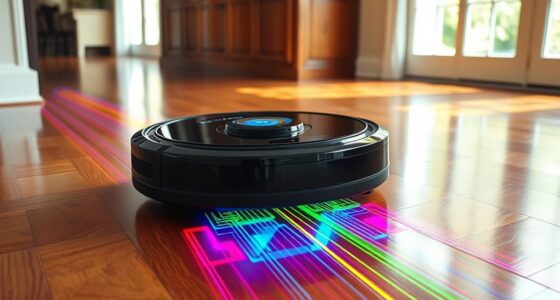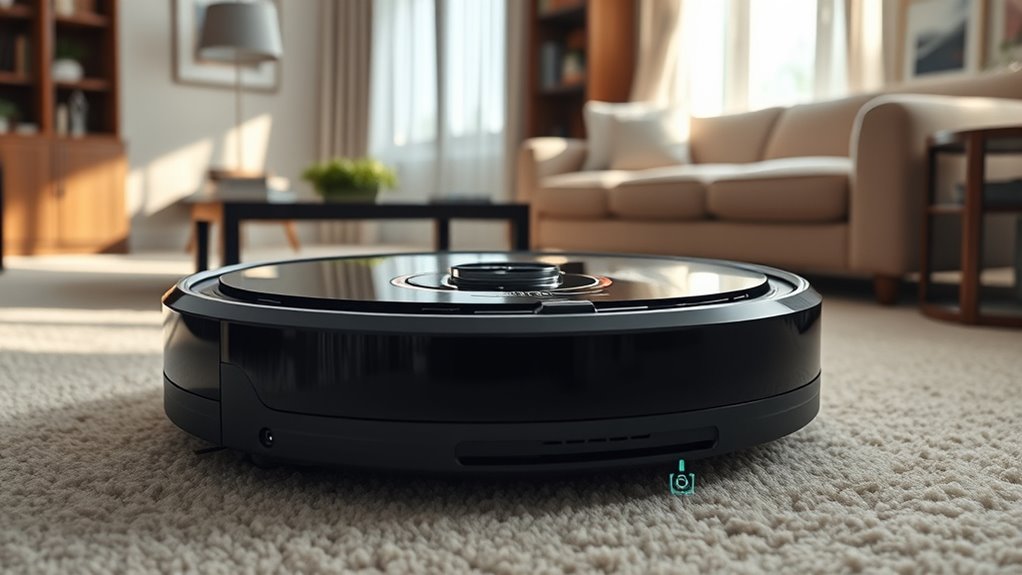

Your robot vacuum collects detailed maps of your home, which can raise privacy concerns if not properly secured. These devices often store data on manufacturers’ servers, making them vulnerable to hacking or unauthorized access. Some companies share or sell this information without clear consent, risking your personal privacy. While these maps improve cleaning efficiency, they can also reveal sensitive details about your living space. To learn how to protect your privacy and keep your data safe, keep exploring this topic.
Key Takeaways
- Robot vacuums create detailed maps of your home, which can include sensitive information about furniture and personal items.
- Data collected is often stored on manufacturer servers, raising risks of hacking and unauthorized access.
- Some companies share or sell home mapping data to third parties without explicit user consent.
- Users can mitigate risks by adjusting device permissions, disabling unnecessary features, and choosing models that avoid detailed mapping.
- Staying informed and updating firmware helps protect your privacy while enjoying the convenience of robotic vacuums.
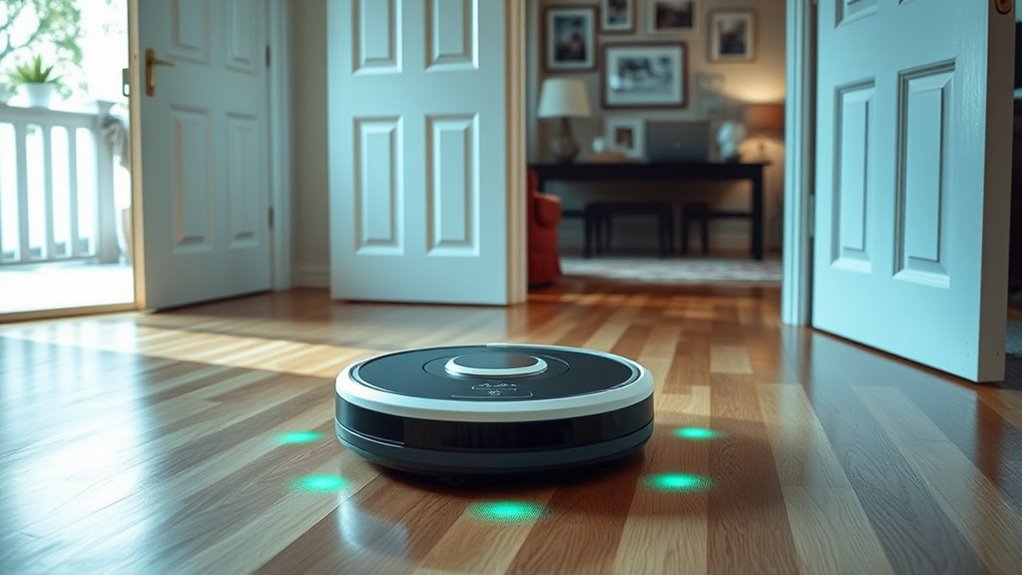
As robot vacuums become more common in homes, many people overlook the privacy risks they pose. These devices are designed to make cleaning easier by steering through your space automatically, but their sophisticated mapping technology can do more than just clean. They often collect detailed data about your home’s layout, including the placement of furniture, walls, and even personal items. This information is stored by the manufacturer, and many users don’t realize just how much they’re sharing when they use these devices. While the convenience is undeniable, it raises important questions about who has access to your data and how it might be used.
Robot vacuums collect detailed home layout data, raising privacy concerns about data sharing and security risks.
When you set up a robot vacuum, it typically requires access to your Wi-Fi network and asks for permissions to collect data. The device then creates a digital map of your home, which helps it navigate more efficiently. However, this map isn’t just a blueprint for cleaning; it’s a detailed record of your environment. Some companies store this data on their servers, which could be vulnerable to hacking or unauthorized access. If someone gains control of your device or the company’s database, they might learn about your daily routines, the locations of valuables, or even when you’re not home. This can turn your trusted cleaning device into a potential spying tool.
Many manufacturers reassure users that this data is anonymized and used only to improve product performance. Still, there’s often a lack of transparency about exactly what data is collected, how long it’s stored, and who has access. Some companies might share or sell this information to third parties, including advertisers or analytics firms, without explicit user consent. The risk extends beyond just privacy invasion; if hackers access your home map, they could exploit that knowledge for burglary or other malicious activities. The possibility of a breach becomes more concerning when you consider that these devices are connected to the internet 24/7.
You can take steps to protect your privacy, such as reviewing the device’s permissions, disabling unnecessary features, or opting for models that don’t store detailed maps. Regularly updating the device’s firmware can also patch security vulnerabilities. Additionally, understanding the contrast ratio of your device’s sensors can help you assess how well it detects obstacles and navigates your home effectively. Ultimately, while robot vacuums are handy, it’s vital to stay aware of their potential to gather sensitive information about your home. Being informed helps you strike a balance between convenience and privacy, ensuring you’re not unknowingly letting a device spy on your personal life.
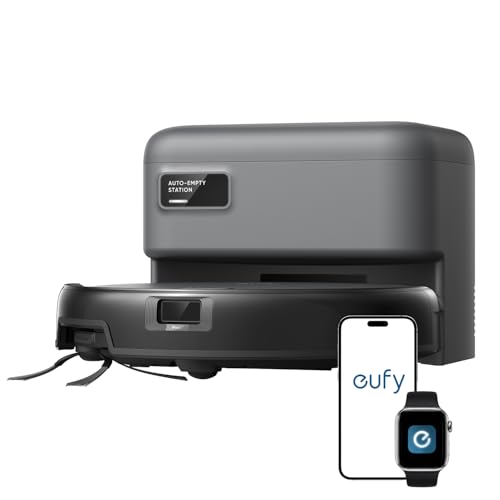
eufy C10 Robot Vacuum Self Emptying, 8 Weeks Hands Free, Advanced Smart Mapping with LiDAR Navigation, 2.85-Inch Slim Design, Powerful Suction, Edge Expansion Brush for Pet Hair, Carpet Detection
【Self-Empty Station】:Robotic vacuum C10's dust bin is automatically emptied into the station's 3L dust bag. Thanks to its…
As an affiliate, we earn on qualifying purchases.
As an affiliate, we earn on qualifying purchases.
Frequently Asked Questions
Do Robot Vacuums Share Data With Third-Party Advertisers?
Yes, some robot vacuums do share data with third-party advertisers. When you use these devices, your cleaning patterns, home layouts, and sometimes even images may be collected and sent to external companies. It’s important to read the privacy policy of your vacuum’s manufacturer to understand what data they collect and share. You can often adjust privacy settings or opt out of data sharing to better protect your personal information.
Can I Disable Camera and Mapping Features Permanently?
Yes, you can disable your robot vacuum’s camera and mapping features permanently—if you’re willing to sacrifice its intelligence and cleaning efficiency. Just explore the app settings, turn off those sneaky map-making options, and hope your vacuum doesn’t decide to start a home surveillance business. Be prepared for a less-than-smart cleaning experience, but at least you’ll sleep better knowing your privacy isn’t being compromised—probably.
Are There Any Legal Regulations on Robot Vacuum Data Collection?
Yes, there are legal regulations on robot vacuum data collection. You should check local privacy laws, which often require companies to obtain your consent before collecting personal data. Some regions have strict rules on data security and user rights, like the GDPR in Europe or CCPA in California. Always review your device’s privacy policy and opt out options if you’re concerned about data collection, ensuring your privacy is protected.
How Often Are My Home Maps Updated or Shared?
Your home maps are typically updated every time your robot vacuum cleans, like a painter revitalizing their canvas after each stroke. Usually, updates stay local on your device unless you’ve enabled cloud sharing or app permissions. Some brands share data periodically for updates or improvements, but it’s not constant. Check your vacuum’s settings to see how often it updates or shares, and adjust permissions if you want more control.
Can I Review and Delete My Data Stored by the Vacuum?
Yes, you can review and delete the data stored by your vacuum. Most models let you access your device’s app, where you can see your home maps and cleaning history. Simply navigate to the privacy or data settings, then select options to review or erase your data. Doing this regularly helps you stay in control of your privacy and ensures your information isn’t stored longer than you’re comfortable with.
home mapping privacy shield
As an affiliate, we earn on qualifying purchases.
As an affiliate, we earn on qualifying purchases.
Conclusion
As you marvel at your robot vacuum’s cleaning prowess, remember that privacy isn’t a thing of the past, even in a future filled with smart devices. While it may seem like a modern marvel, the concern over home mapping and data collection echoes fears from the dawn of the Industrial Revolution. Stay vigilant, read the privacy policies, and take control—lest your home’s secrets become as exposed as a Victorian parlor in a gossip magazine.
eufy C10 Robot Vacuum Self Emptying, 8 Weeks Hands Free, Advanced Smart Mapping with LiDAR Navigation, 2.85-Inch Slim Design, Powerful Suction, Edge Expansion Brush for Pet Hair, Carpet Detection
【Self-Empty Station】:Robotic vacuum C10's dust bin is automatically emptied into the station's 3L dust bag. Thanks to its…
As an affiliate, we earn on qualifying purchases.
As an affiliate, we earn on qualifying purchases.
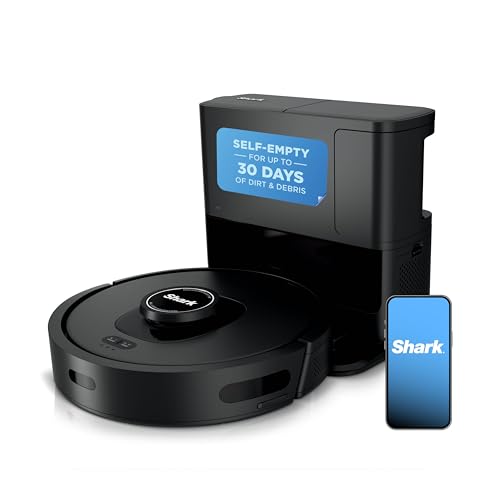
Shark AV2501S AI Ultra Robot Vacuum, with Matrix Clean, Home Mapping, 30-Day Capacity HEPA Bagless Self Empty Base, Perfect for Pet Hair, Wifi, Dark Grey
INCREDIBLE SUCTION: Powerful Shark suction picks up dirt and debris on all floor types—tackling even the toughest of…
As an affiliate, we earn on qualifying purchases.
As an affiliate, we earn on qualifying purchases.