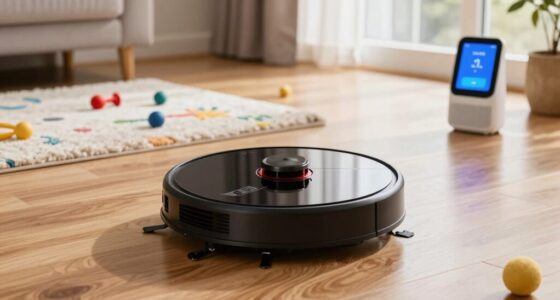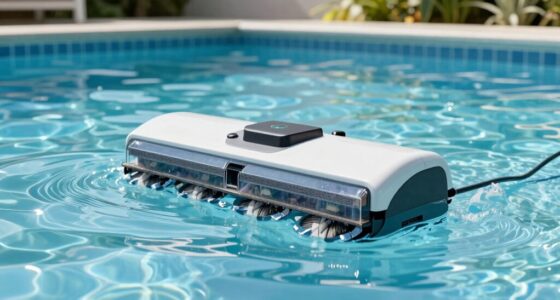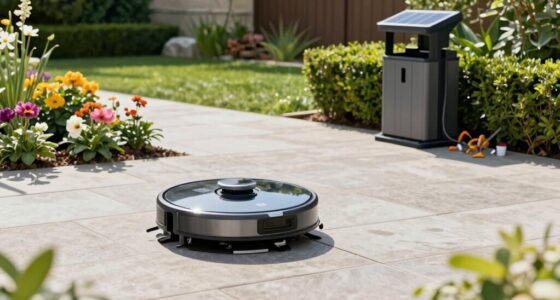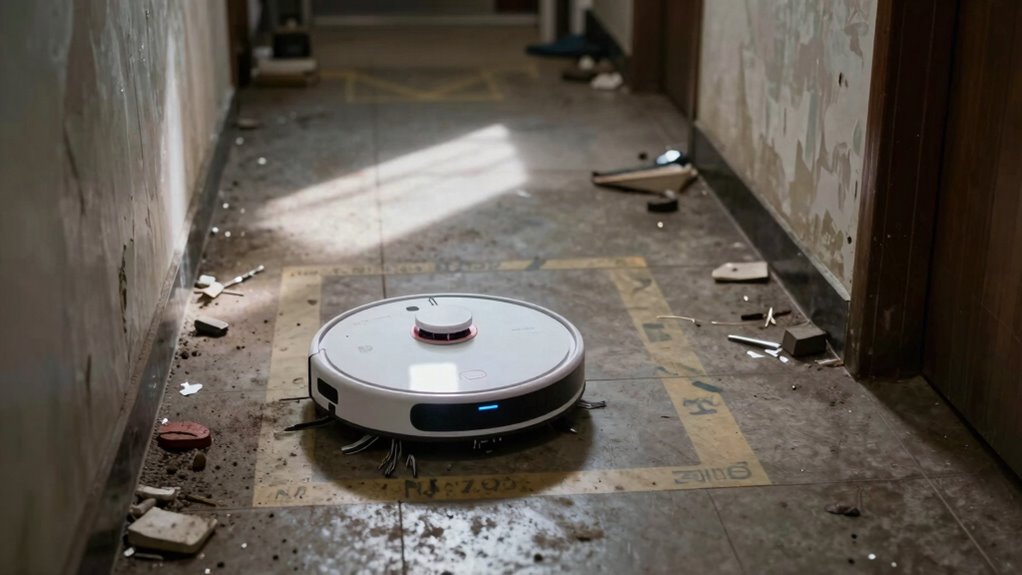
No-Go Zones in cleaning automation help you prevent robots from entering dangerous or restricted areas, keeping your environment safe and your assets protected. They customize the cleaning path, ensuring robots avoid fragile items, cables, or cluttered spots. This improves safety and boosts efficiency by focusing on necessary areas while reducing risks of accidents or damage. Better navigation accuracy means fewer disruptions, making your cleaning process smarter and safer. If you want to discover how this technology enhances your operations, keep exploring.
Key Takeaways
- Prevent robots from entering hazardous or damage-prone areas to ensure safety and asset protection.
- Enhance navigation accuracy by using virtual boundaries and real-time obstacle detection.
- Customize cleaning paths, focusing on high-traffic zones and avoiding cluttered or delicate areas.
- Reduce accidents and property damage by safeguarding fragile assets and high-risk zones.
- Improve overall cleaning efficiency and safety through dynamic, flexible boundary management.

Cleaning automation has revolutionized how we maintain spaces, but despite advancements, there are still areas known as “no-go zones” that robots can’t access or clean effectively. These zones serve a specific purpose in guaranteeing the safety and efficiency of robotic cleaning systems. When you deploy automated cleaners, their ability to navigate your environment depends heavily on sophisticated robot navigation systems. No-go zones are integrated into these systems to prevent robots from entering areas that could cause damage, compromise safety, or hinder their operation. By defining these boundaries, you help the robot focus on cleaning relevant areas without risking getting stuck or causing accidents.
No-go zones ensure safe, efficient robotic cleaning by preventing access to damage-prone or hazardous areas.
No-go zones are essential for maintaining safety protocols within your space. For example, if there are delicate cables, fragile furniture, or sensitive equipment, you can set these areas as no-go zones to prevent the robot from causing harm or damage. This targeted restriction helps protect your assets and guarantees that the cleaning process remains smooth and uninterrupted. Additionally, in environments with high foot traffic or where safety hazards exist, no-go zones act as visual and virtual barriers, guiding the robot away from potentially dangerous spots. This minimizes the chances of accidents, such as slips or trips, and keeps everyone safe. Properly configured no-go zones can also incorporate advanced navigation systems, which enhance the robot’s ability to adapt to changing environments and obstacles. These systems often utilize mapping technology to improve accuracy and ensure the robot’s adherence to set boundaries. Incorporating real-time obstacle detection further ensures the robot can respond dynamically to unexpected changes in its environment. Implementing smart boundary-setting features allows for more flexible and precise control of the robot’s movements.
From a practical perspective, no-go zones streamline the cleaning process. They allow you to customize the robot’s path, focusing its efforts where it’s needed most while avoiding distractions or obstructions. You don’t have to worry about the robot wandering into cluttered corners or hazardous zones; instead, it can concentrate on maintaining cleanliness in designated areas. You can also update the no-go zones as your space changes—if you rearrange furniture or introduce new equipment, you can modify these boundaries, maintaining ideal robot navigation.
Ultimately, no-go zones do more than just restrict access—they enhance the robot’s overall performance by reinforcing safety protocols and improving navigation. They guarantee that your automated cleaning system operates within safe parameters, reducing risks and increasing reliability. You benefit from a cleaner environment without sacrificing safety or risking damage to your property. In essence, no-go zones are a critical component of modern cleaning automation, helping your robotic cleaners work smarter, safer, and more effectively.

TRDIOL Robot Vacuum and Mop, 70-Day Self-Emptying with 6000Pa Suction, LiDAR Navigation & Smart Mapping & No-Go Zones, Anti-Tangle, for Pet Hair, Carpets and Hard Floor
- Long-Lasting Self-Emptying: Up to 70 days of hands-free cleaning
- Smart LiDAR Mapping: Supports multi-floor mapping and virtual no-go zones
- Powerful 6000Pa Suction: Easily lifts pet hair, dust, and debris
As an affiliate, we earn on qualifying purchases.
As an affiliate, we earn on qualifying purchases.
Frequently Asked Questions
How Are No-Go Zones Initially Identified in Cleaning Automation Systems?
You initially identify no-go zones in cleaning automation systems through sensor calibration and zone mapping. First, you calibrate sensors to guarantee accurate detection of obstacles and boundaries. Then, you use zone mapping to outline areas where the robot shouldn’t operate, like delicate surfaces or crowded spaces. This process helps the system learn where to avoid, improving safety and efficiency during cleaning.
Can No-Go Zones Be Dynamically Adjusted During Cleaning Operations?
Yes, no-go zones can be dynamically adjusted during cleaning operations. With advanced systems, you leverage dynamic mapping to identify new obstacles or changes, allowing real-time zone customization. This flexibility guarantees your cleaning robot adapts seamlessly to evolving environments, avoiding surprises and optimizing coverage. The question is, how quickly can your system respond? As technology advances, these adjustments become faster, making your cleaning process smarter and more efficient than ever before.
What Safety Measures Are in Place for Robots Approaching No-Go Zones?
You guarantee robot safety by implementing robust zone monitoring systems that detect when robots approach no-go zones. These systems use sensors and cameras to track robot movements in real-time, automatically stopping or rerouting them if they near restricted areas. Regular maintenance and updates are essential to keep zone monitoring effective, preventing accidents and guaranteeing safe operation. This proactive approach helps maintain safety during cleaning automation.
How Do No-Go Zones Impact Overall Cleaning Efficiency?
Picture a knight adjusting a map—no-go zones are your modern-day armor, preventing your robot from wandering into trouble. They improve cleaning efficiency by reducing manual intervention, as the robot confidently navigates designated areas. Zone customization allows you to tailor the cleaning process, ensuring that high-traffic spots get thorough coverage while delicate zones are avoided. This balance keeps your cleaning routine swift, effective, and safe.
Are There Specific Cleaning Tasks Better Suited for Areas With No-Go Zones?
You’ll find that tasks requiring manual oversight, like delicate surface cleaning or detailed spot checks, are better suited for areas with no-go zones. Zone customization allows you to designate these areas, guaranteeing robots avoid them and focus on general cleaning tasks. This setup enhances efficiency, prevents damage, and ensures thorough cleaning while giving you control over where automation is most effective.

Boundary Strips for Neato Shark ION IQ Robot Vacuum 750 871 761R85, Magnetic Botboundary Strips Tape Markers for RoboVac 30 xiaomi Roborock S5, Not Compatible with APP/AI/LIDAR Robot, 13 Feet
- Model Compatibility: Check your vacuum model before purchasing
- Compatible Shark Models: Shark Ion and IQ series vacuums
- Compatible RoboVac Models: RoboVac 30, 30C, 35C
As an affiliate, we earn on qualifying purchases.
As an affiliate, we earn on qualifying purchases.
Conclusion
So, no-go zones might seem like a hurdle, but they actually help cleaning automation work smarter, not harder. By clearly marking areas to avoid, you prevent mishaps and keep your robot running smoothly. It’s a win-win—you’re not just avoiding trouble, but also letting your device focus on what it does best. Remember, sometimes you’ve got to know when to hold ’em and know when to fold ’em—setting boundaries keeps everything running like clockwork.
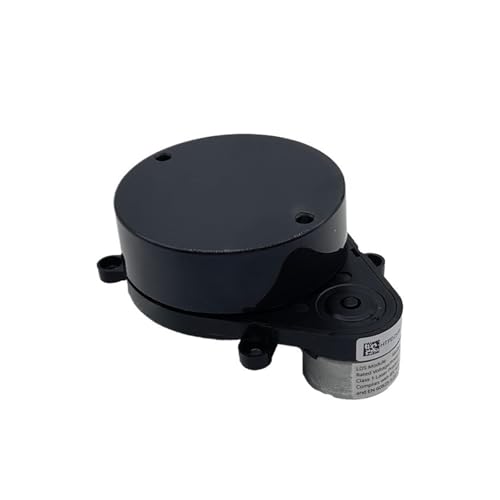
UKDNAEUF Compatible for Roborock S8 S85 S8. Distance Sensor Vacuum Cleaner LDS Replacement Accessories LDS06RR
- Environmental Stability: Operates well in dark or bright environments
- Enhanced Navigation: Improves room and obstacle recognition accuracy
- Obstacle Avoidance: Real-time detection and flexible obstacle navigation
As an affiliate, we earn on qualifying purchases.
As an affiliate, we earn on qualifying purchases.

MONSGA Robot Vacuum and Mop, 90 Days Self-Emptying with 8000Pa Suction
- High Suction Power: 8000Pa maximum suction for deep cleaning
- Anti-Tangle Brush System: Dual anti-tangle brushes reduce hair wrap
- Automatic Carpet Boost: Increases suction on carpets for embedded debris
As an affiliate, we earn on qualifying purchases.
As an affiliate, we earn on qualifying purchases.