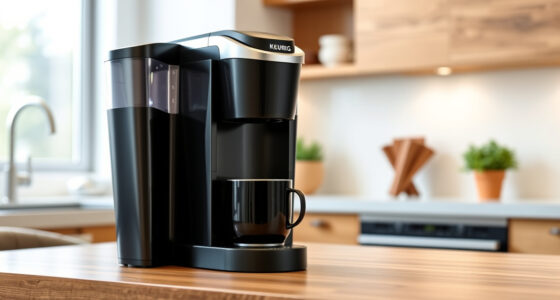
If your De’Longhi espresso machine is leaking water, it can disrupt your daily coffee routine and signal underlying issues. Leaks may stem from simple maintenance needs or more complex problems like damaged seals or clogged components. Addressing the issue promptly ensures your machine stays in top shape and continues serving delicious beverages.

Get home appliances delivered free — and shop member deals
- Fast, free delivery on millions of items
- Access to Prime Big Deal Days deals on October 6–7
- Prime Video, Amazon Music and more included
In this guide, we’ll walk you through the common causes of water leaks and provide clear, step-by-step instructions to diagnose and fix the problem safely. Whether you notice water pooling beneath your machine or see leaks during operation, these troubleshooting tips will help you restore your espresso maker to optimal working condition.
Key Takeaways
| Identify leak sources | Leaks often originate from seals, water tanks, or clogged valves. |
| Routine maintenance helps | Regular descaling and replacing worn seals prevent leaks. |
| Check water connections | Ensure all hoses and fittings are properly secured and undamaged. |
| Handle repairs carefully | Always unplug the machine before inspecting or fixing components. |
Step 1: Unplug and Prepare Your Machine
- Ensure the espresso machine is turned off and unplugged from the power outlet to prevent electrical hazards.
- Remove the water tank carefully, empty any remaining water, and set it aside.
- Place a towel or cloth beneath the machine to catch any residual water during inspection.
Step 2: Inspect the Water Tank and Fittings
- Check the water tank for cracks, damage, or improper seating. Ensure it is securely reattached after inspection.
- Examine the water inlet and outlet connections for leaks, cracks, or loose fittings.
- If you notice any damage or loose fittings, tighten or replace them as needed.
Step 3: Check the Seals and Gaskets
- Locate the seals and gaskets around the water tank, brew head, and internal components.
- Inspect for signs of wear, cracking, or deterioration. Replace any worn or damaged seals with genuine De’Longhi replacement parts.
- Ensure all seals are seated properly to prevent water from leaking during operation.
Step 4: Clear Blockages and Clean Components
- Remove any mineral deposits or blockages from the water pathways using a descaling solution like De’Longhi EcoDecalk.
- Follow the descaling instructions carefully, ensuring all internal tubes and valves are clear.
- Rinse thoroughly and reassemble once components are clean and dry.
Step 5: Reassemble and Test
- Reattach the water tank securely, ensuring it clicks into place.
- Plug in the machine and run a test brew with no coffee grounds—observe for leaks.
- If no water escapes, your repair is successful. If leaks persist, further inspection or professional repair may be needed.
The Products in This Guide
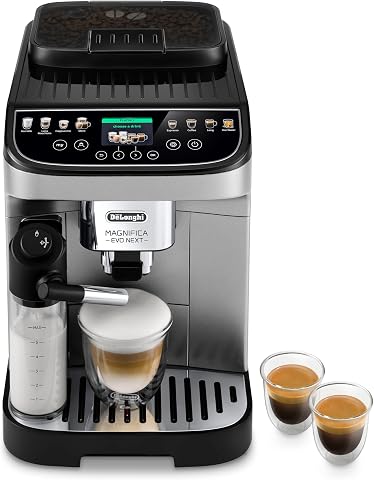
De’Longhi Magnifica Evo Next Fully Automatic Espresso Ma
- ✔ Warranty: 1 year
- ✔ Power: 1450W
- ✔ Voltage: 120V

De’Longhi Replacement Water Filter
- ✔ Filter Type: Replacement cartridge
- ✔ Usage: Optimizes water quality
- ✔ Replacement indicator: Yes
De’Longhi Magnifica Evo Next Fully Automatic Espresso Ma
The De’Longhi Magnifica Evo Next Fully Automatic Espresso Machine offers a convenient, programmable brewing experience with a built-in grinder and milk frother. Its design emphasizes user-friendliness and durability, making it a popular choice among coffee lovers. Regular maintenance, including checking seals and descaling, helps prevent leaks and prolongs the machine’s lifespan.
Pros:
- Automatic cleaning and descaling features
- Built-in conical burr grinder with 13 settings
- Versatile drink options with one-touch recipes
- Compact design suitable for most kitchens
Cons:
- Requires periodic descaling to prevent leaks
- Seals may wear over time and need replacement
- Water tank can be cumbersome to remove for some users
Best for: Home users seeking a fully automatic, versatile espresso machine
Not ideal for: Commercial environments or heavy daily use
Bottom line: Regular maintenance and careful handling prevent leaks and ensure great coffee every time.
De’Longhi Replacement Water Filter
Replacing your water filter regularly with the De’Longhi Replacement Water Filter can significantly improve water quality, reduce mineral buildup, and help prevent leaks caused by lime scale. It’s an easy upgrade that supports the longevity of your espresso machine.
Pros:
- Optimizes water quality
- Prevents lime scale buildup
- Easy to install and replace
- Improves coffee flavor
Cons:
- Needs replacement every 2-3 months
- Additional cost over time
- Specific to select models
Best for: Maintaining water quality and machine efficiency
Not ideal for: For machines not compatible or without water tank issues
Bottom line: Regularly replacing the water filter helps maintain your machine’s performance and taste.
Frequently Asked Questions
Why is my De’Longhi espresso machine leaking water?
Leaks can be caused by worn seals, loose fittings, mineral buildup, or damaged water tanks. Regular maintenance and inspection help prevent these issues.
How often should I descale my espresso machine?
Descaling frequency depends on water hardness and usage, but generally every 2-3 months ensures optimal performance and prevents leaks.
Can I fix a leak myself?
Yes, many leaks result from worn seals or clogging, which you can often resolve by replacing seals or cleaning internal components. Always unplug the machine before attempting repairs.
What should I do if water leaks from the brew head?
Check the brew head seal for damage or misalignment. Replacing worn seals or cleaning the brew head can resolve leaks.
Is using a water filter helpful?
Yes, using a water filter like the De’Longhi Replacement Water Filter improves water quality, reducing mineral buildup and leaks caused by limescale.
Keep Your Coffee Flowing Smoothly
Addressing water leaks in your De’Longhi espresso machine involves a combination of routine maintenance, careful inspection, and timely replacement of worn parts. By following these troubleshooting steps, you can extend the lifespan of your machine and enjoy consistently delicious coffee. Remember, regular descaling and using quality water help prevent leaks and keep your espresso maker performing at its best.
Always prioritize safety by unplugging your machine before performing any repairs, and consider professional help if leaks persist despite your efforts. With proper care, your De’Longhi espresso machine will continue to brew perfect cups for years to come.
Affiliate disclosure: As an Amazon Associate we earn from qualifying purchases. Prices and availability are accurate as of the time of publishing.
Cold & flu season Picks
humidifiers
As an affiliate, we earn on qualifying purchases.