
TL;DR

Get home appliances delivered free with Prime
- Fast, free delivery on millions of items
- Prime Video, Amazon Music and more included
- Member-only deals all year
Smart home energy monitors track your household’s energy use in real-time, revealing hidden waste. They help you save money, improve efficiency, and integrate renewable energy. Recent advances make them easier to install and more accurate than ever.
Ever wonder where your energy dollars are really going? Imagine a device that not only shows your total consumption but also pinpoints which appliances are wasting power. That’s what a smart home energy monitor does. It’s like giving your home a health report—clear, detailed, and easy to understand.
In this article, you’ll discover how these gadgets work, what features matter most, and the latest innovations that make managing your energy simpler and smarter. Whether you’re saving for a rainy day or just want to be kinder to the planet, understanding your energy flow is the first step.
Smart home energy monitors can cut household energy use by up to 15%, saving money and reducing environmental impact.
Choosing the right device depends on compatibility, detection accuracy, installation method, and privacy considerations.
Recent advances in AI and wireless sensors make setup easier and detection more precise without extra sensors.
Proper installation, including safety precautions, ensures reliable data and optimal performance.
Use insights from your monitor to target waste, automate routines, and lower your bills effectively.
What a smart home energy monitor actually does for you
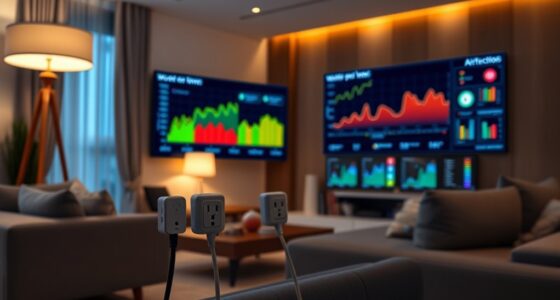
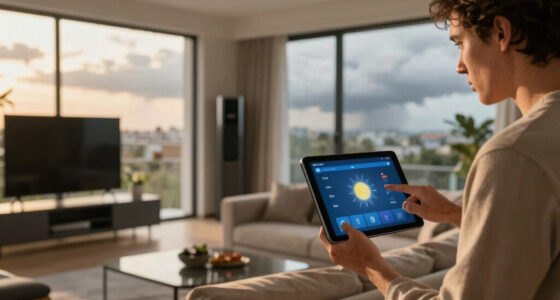
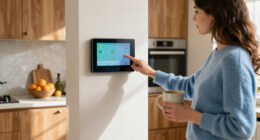
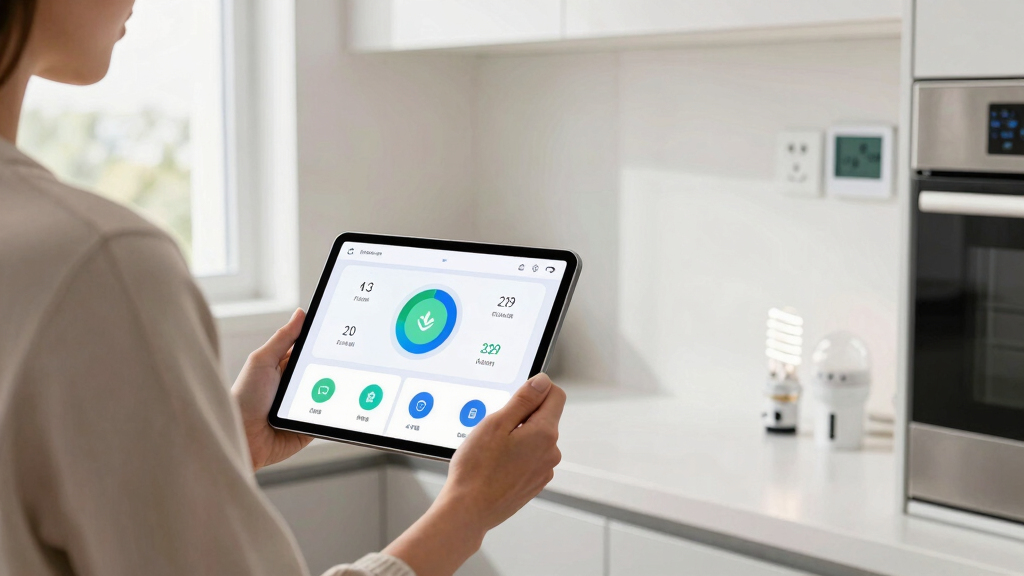
Think of a smart home energy monitor as your home’s energy detective. It’s installed at your main breaker or around individual circuits and constantly keeps tabs on how much power flows through. The real magic: it turns complex electrical signals into simple, colorful graphs on your phone or tablet.
For example, after installing a monitor, you might see that your refrigerator uses 150 kWh monthly, while your heating system gobbles up 300 kWh. These insights help you spot waste and make smarter choices.
Many models can even identify specific appliances—like that old dishwasher or the gaming PC—that drain more than they should. Knowing exactly where your energy goes makes saving money straightforward and achievable.
Understanding this data deeply matters because it reveals not just your total consumption but also patterns—when your home uses energy most and least. This insight allows you to optimize usage, such as running high-energy tasks during off-peak hours, which can lead to significant cost savings and reduce strain on the grid. The tradeoff is that some detailed detection features may require higher-end models, which can be more expensive, but the long-term savings and efficiency gains often justify this investment.
As an affiliate, we earn on qualifying purchases.
How to pick the perfect energy monitor for your home
- Check compatibility: Make sure it works with your home wiring and smart home system (like Alexa or Google Home). Compatibility ensures seamless integration, avoiding frustration or the need for additional adapters, but sometimes compromises are necessary if your existing system is outdated or limited.
- Decide on installation type: Clamp-on monitors are easy DIY options, while panel-mounted units may need professional wiring. Your choice impacts setup complexity and future flexibility—clamp-on models can be moved or upgraded easily, but panel-mounted systems might offer more comprehensive data.
- Look for appliance detection: Some devices can identify individual appliances, helping you target waste. The accuracy of detection can vary, and while advanced models offer detailed insights, they might also produce false positives or miss subtle patterns, which could lead to misinformed decisions if not interpreted carefully.
- Review app features: A user-friendly, detailed dashboard makes tracking and analysis easier. Consider whether the app provides meaningful visualizations, historical data, and actionable recommendations—these features can significantly influence your ability to make effective changes.
- Prioritize privacy and security: Choose brands that protect your data with encryption and transparent policies. As these monitors collect sensitive consumption data, understanding how your data is stored and used is crucial; neglecting this can expose you to privacy risks or data breaches, undermining your confidence in the device.
For example, a homeowner with solar panels might want a monitor that tracks both consumption and solar output, helping optimize their renewable energy use. Recognizing how these features interact with your overall energy strategy is essential for maximizing benefits and avoiding unnecessary expenses.
As an affiliate, we earn on qualifying purchases.
Why recent tech advances make these monitors smarter and easier
Today’s smart energy monitors are leaps ahead of their predecessors. Thanks to machine learning algorithms, they now identify appliances more accurately without extra sensors. This is vital because it reduces false readings, ensures you’re making decisions based on reliable data, and minimizes the need for manual calibration. Imagine a device that learns your habits—pinpointing that your coffee maker uses 1.2 kWh every morning at 7:30 a.m., and alerting you when it’s using more than usual.
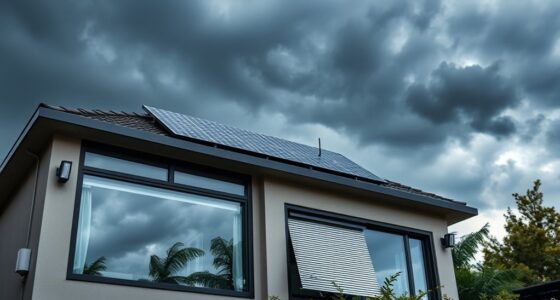
Some models integrate with solar panels and batteries, giving a complete picture of your home’s energy flow. AI-driven forecasts can suggest the best times to run heavy appliances, saving you money during peak rates. This predictive capability empowers you to shift usage proactively, but it also requires accurate data inputs and consistent monitoring to function optimally.
Wireless clamp-on sensors make setup simple—no electrician needed. Plus, sleek apps with gamification motivate your family to cut back on unnecessary energy use. These technological improvements not only improve accuracy but also enhance user engagement, making sustainable habits easier to adopt and maintain.
As an affiliate, we earn on qualifying purchases.
How smart energy monitors help you save big on bills
These monitors are more than just gadgets—they’re your personal energy coaches. Once you see which appliances waste the most energy, you can take targeted actions. For example, unplugging a 100-watt standby device or running the dishwasher at night can cut your monthly bill by 10% or more. The key is understanding the cause-and-effect relationship—knowing that a small change in habits can lead to substantial savings over time. This insight motivates sustained behavioral adjustments, but it’s important to recognize that some savings depend on consistent effort and awareness.
Many monitors support setting alerts—like notifying you if your HVAC runs too long or if a device is left on. Some even automate actions, turning off smart plugs when not in use. These automation features can significantly reduce waste, but they also require initial setup and occasional oversight to prevent unintended consequences, such as turning off essential devices.
In a real-world scenario, a family reduced their energy bill by $50/month after installing a monitor and adjusting their habits based on its insights. Small changes, multiplied over the year, make a big difference. Recognizing the long-term impact of these small adjustments is crucial for sustained savings and environmental benefits.
As an affiliate, we earn on qualifying purchases.
Compare popular smart home energy monitors side-by-side
| Feature | Sense | Emporia Vue | TP-Link Kasa | Neurio |
|---|---|---|---|---|
| Price | $300 | $150 | $100 | $50-$200 |
| Appliance detection | Yes | Yes | Limited | Yes |
| Installation | Main panel or professional | Clamp-on or panel | Clamp-on | Clamp-on or panel |
| Smart home integration | Alexa, Google | Alexa, Google, SmartThings | Alexa, Google | Alexa, Google |
| Data privacy | High | High | Moderate | High |
Choosing the right monitor depends on your budget, technical comfort, and specific needs like solar tracking or detailed appliance detection. Carefully considering the tradeoffs—such as higher cost versus more comprehensive data—can help you select a device that truly fits your household’s energy management goals.
What to do before installing your smart energy monitor
Preparation makes all the difference. First, turn off power at the main breaker to avoid shocks or damage. If you’re installing a panel-mounted device, hiring a licensed electrician is wise—especially if wiring needs modification.
For DIY clamp-on models, simply follow the manufacturer’s instructions—clip the sensors around the main cable, connect Wi-Fi, and download the app. Double-check compatibility with your smart home system before buying.
Finally, clear a space for your monitor’s display or app dashboard. A clean, organized setup makes tracking easier and more motivating.
Deep preparation also involves understanding your home’s electrical layout and ensuring your Wi-Fi network is robust enough to handle real-time data transmission. This prevents connectivity issues that can hinder data collection and analysis, ultimately affecting your ability to make informed decisions about energy use.
Your energy future, simplified and smarter
Smart home energy monitors are changing the way we see our energy use—less mystery, more control. They turn a complex web of wires and numbers into clear, actionable insights. Think of them as the dashboard of your home’s energy health.
With the latest tech, they’re easier to install, more accurate, and more integrated than ever. If you want to cut bills, boost efficiency, or just understand your home better, a monitor is a smart first step.
Imagine a future where your home automatically tweaks energy use based on real-time data—saving money and reducing your carbon footprint. That future is already here, waiting for you to join in.
Frequently Asked Questions
Are smart home energy monitors hard to install myself?
Many models, especially clamp-on types, are designed for DIY setup—just clip around the main cable and connect to Wi-Fi. However, panel-mounted monitors or those requiring wiring modifications should be installed by a licensed electrician for safety and accuracy.
How accurate are these devices at detecting individual appliances?
Most high-quality monitors have about 85-95% accuracy in appliance detection, especially with recent AI improvements. Keep in mind, some models may identify major appliances well but struggle with smaller or similar devices.
Can smart energy monitors help me save money?
Absolutely. By revealing hidden waste and helping you adjust habits—like running laundry at off-peak times or unplugging standby devices—you can often reduce your energy bills by 10-20% over time.
Do these monitors work with solar panels?
Many recent models can track solar generation and battery storage, giving you a complete picture. This helps optimize your renewable energy use and maximize savings.
What features should I prioritize when choosing a monitor?
Look for compatibility with your smart home system, accurate appliance detection, a user-friendly app, and strong data privacy policies. These features make the experience smoother and more reliable.
Conclusion
Seeing your home’s energy flow clearly is a game-changer. A smart energy monitor transforms hidden waste into real savings and smarter habits. Once you get a handle on your energy, the next step is simply acting on what you learn—one small change at a time.
Picture your home as a finely tuned machine, humming along efficiently, with your wallet and the planet smiling. That’s the power of smart energy monitoring—your home working smarter, not harder.
Fall yard work Picks
leaf blowers
As an affiliate, we earn on qualifying purchases.