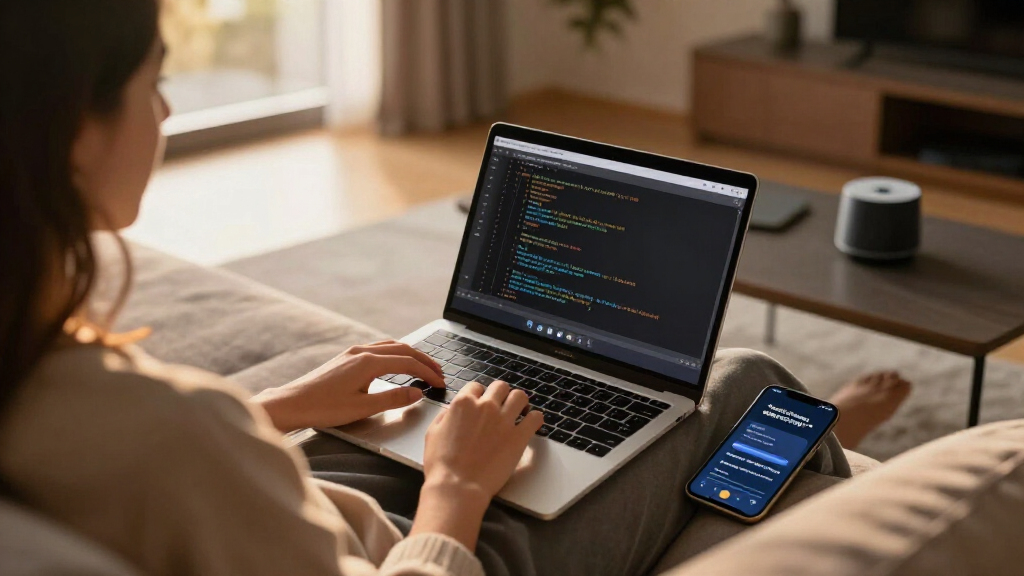

The best Python programming books match their teaching style and technical depth to the reader’s current skill level. I rank Python Crash Course, 3rd Edition as the best overall because it combines accessible instruction with projects that turn concepts into usable skills. Automate the Boring Stuff with Python, 3rd Edition is the stronger value pick for practical automation, while Effective Python offers sharper guidance for developers who already write Python. The main choice is between a guided course, a project-led introduction, and a dense reference that may take longer to absorb. Continue reading for the full breakdown of all 13 books and the buyer types each one serves best.

Get home appliances delivered free with Prime
- Fast, free delivery on millions of items
- Prime Video, Amazon Music and more included
- Member-only deals all year
Complete the kit


Key Takeaways
- Python Crash Course, 3rd Edition leads the ranking because it balances beginner-friendly explanations, structured exercises, and substantial projects better than the more narrowly focused alternatives.
- The two Automate the Boring Stuff editions are not equal buys: the third edition is the default choice, while the second edition makes sense only at a steep discount or when required by a course.
- Effective Python and Fluent Python serve different advanced readers: the former offers focused improvements for daily coding, while the latter develops a deeper command of Python’s data model and idioms.
- Book size did not equal buyer value. Learning Python, 5th Edition supplies extensive detail, but its age and slower pace make newer, more focused books easier recommendations for most readers.
- Specialized goals change the order: Invent Your Own Computer Games with Python is the clearest choice for game-led learning, while Expert Python Programming better suits experienced developers studying production practices.
| Effective Python: 125 Specific Ways to Write Better Python |  | Best Practical Tips for Experienced Developers | Number of techniques: 125 | Target audience: Intermediate to advanced | Focus: Code optimization and best practices | VIEW LATEST PRICE | See Our Full Breakdown |
| Python Crash Course, 3rd Edition: A Hands-On, Project-Based Introduction to Programming |  | Best for Absolute Beginners and Hands-On Learners | Approach: Project-based learning | Target audience: Beginners | Coverage: Fundamentals and basic projects | VIEW LATEST PRICE | See Our Full Breakdown |
| Fluent Python: Clear, Concise, and Effective Programming |  | Best for Intermediate to Advanced Developers Seeking Depth | Coverage: Advanced Python features | Target audience: Intermediate to advanced | Style: Concise and effective | VIEW LATEST PRICE | See Our Full Breakdown |
| Python All-in-One For Dummies |  | Best Comprehensive Guide for Beginners and Intermediates | Coverage: Comprehensive beginner to intermediate | Approach: Step-by-step explanations | Target audience: Beginners and intermediates | VIEW LATEST PRICE | See Our Full Breakdown |
| Murach’s Python Programming: Beginner to Pro |  | Best for Learners Seeking a Complete, Practical Path | Coverage: Beginner to advanced, practical focus | Approach: Structured, progressive learning | Target audience: Beginners and learners seeking guided instruction | VIEW LATEST PRICE | See Our Full Breakdown |
| Expert Python Programming: Master Python by Learning the Best Coding Practices and Advanced Programming Concepts, 4th Edition | 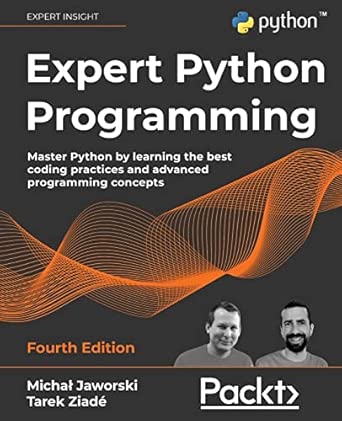 | Best for Experienced Developers Seeking Deep Mastery | Edition: 4th Edition | Focus: Advanced Python topics and best practices | Intended Audience: Intermediate to advanced programmers | VIEW LATEST PRICE | See Our Full Breakdown |
| Python Programming for Beginners: The Complete Python Coding Crash Course |  | Best for Absolute Beginners Looking for a Quick Start | Target Audience: Beginners | Learning Approach: Interactive, project-based | Coverage: Basic Python syntax and fundamentals | VIEW LATEST PRICE | See Our Full Breakdown |
| Automate the Boring Stuff with Python, 2nd Edition |  | Best for Beginners Focused on Practical Automation | Edition: 2nd Edition | Focus: Task automation and scripting | Intended Audience: Beginners interested in practical automation | VIEW LATEST PRICE | See Our Full Breakdown |
| Learning Python, 5th Edition |  | Best for Broad Coverage for Both Beginners and Experienced Developers | Edition: 5th Edition | Coverage: Fundamentals and practical applications | Target Audience: Beginners and intermediate programmers | VIEW LATEST PRICE | See Our Full Breakdown |
| Python 3: The Comprehensive Guide to Hands-On Python Programming |  | Best for Practical Learners at All Levels | Focus: Hands-on Python 3 programming | Coverage: Fundamentals and exercises | Intended Audience: All levels seeking practical skills | VIEW LATEST PRICE | See Our Full Breakdown |
| Automate the Boring Stuff with Python, 3rd Edition |  | Best for Practical Automation Beginners | Edition: 3rd Edition | Focus: Automation and practical projects | Skill Level: Beginner to Intermediate | VIEW LATEST PRICE | See Our Full Breakdown |
| Learning Python: Powerful Object-Oriented Programming |  | Best for Intermediate to Advanced Python Developers | Focus: Object-Oriented Programming | Coverage: Classes, inheritance, design patterns | Skill Level: Intermediate to Advanced | VIEW LATEST PRICE | See Our Full Breakdown |
| Invent Your Own Computer Games with Python, 4th Edition |  | Best for Aspiring Game Developers and Beginners | Edition: 4th Edition | Focus: Game development projects | Skill Level: Beginner to Intermediate | VIEW LATEST PRICE | See Our Full Breakdown |
| Python programming book | Coverage | Target audience | Focus |
|---|---|---|---|
| Effective Python: 125 Specific | — | Intermediate to advanced | Code optimization and best practices |
| Python Crash Course | Fundamentals and basic projects | Beginners | — |
| Fluent Python: Clear | Advanced Python features | Intermediate to advanced | — |
| Python All-in-One For Dummies | Comprehensive beginner to intermediate | Beginners and intermediates | — |
| Murach’s Python Programming: B | Beginner to advanced, practical focus | Beginners and learners seeking guided instruction | — |
| Expert Python Programming: Mas | — | — | Advanced Python topics and best practices |
| Python Programming for Beginne | Basic Python syntax and fundamentals | Beginners | — |
| Automate the Boring Stuff with | — | — | Task automation and scripting |
| Learning Python | Fundamentals and practical applications | Beginners and intermediate programmers | — |
| Python 3: The Comprehensive Gu | Fundamentals and exercises | — | Hands-on Python 3 programming |
| Automate the Boring Stuff with | — | — | Automation and practical projects |
| Learning Python: Powerful Obje | Classes, inheritance, design patterns | — | Object-Oriented Programming |
| Invent Your Own Computer Games | — | — | Game development projects |
More Details on Our Top Picks
Effective Python: 125 Specific Ways to Write Better Python
Effective Python stands out for its focus on actionable advice, making it ideal for Python programmers who want to refine their coding practices. Unlike Fluent Python, which covers deep concepts and advanced topics, this book emphasizes specific techniques to write cleaner and more efficient code. It’s perfect for those who already understand Python basics and need practical guidance to elevate their skills, but it may feel overwhelming for complete beginners. Its concise, tip-oriented format offers real-world value, though it doesn’t delve into foundational concepts or detailed explanations. This makes it a powerful supplement for intermediate to advanced users aiming to optimize their workflows.
Pros:- Offers 125 specific, actionable techniques for improving code
- Covers a wide range of topics from performance to readability
- Designed for developers with some Python experience seeking efficiency boosts
Cons:- Lacks fundamental Python explanations suitable for newcomers
- No detailed content overview or beginner-friendly structure
Best for: Intermediate to advanced Python developers seeking practical, immediately applicable tips
Not ideal for: Beginners with no prior programming experience who need foundational concepts explained
- Number of techniques:125
- Target audience:Intermediate to advanced
- Focus:Code optimization and best practices
Our verdict“This book is best suited for experienced Python programmers who want to sharpen their coding skills through practical tips.”
Python Crash Course, 3rd Edition: A Hands-On, Project-Based Introduction to Programming
Python Crash Course makes a strong case as the ideal starting point for complete beginners, with its project-based approach that emphasizes learning by doing. Compared to Effective Python, which targets more experienced coders, this book simplifies core concepts and guides readers through building real-world projects, making abstract principles tangible. While it excels at introducing Python fundamentals clearly and engagingly, it doesn’t thoroughly cover advanced topics or in-depth explanations, which might leave more experienced readers seeking extra resources. Its focus on practical projects helps beginners gain confidence quickly, though some sections may assume a minimal prior understanding of programming.
Pros:- Project-based approach enhances practical understanding
- Ideal for absolute beginners with no prior coding experience
- Covers core Python concepts comprehensively
Cons:- Limited coverage of advanced Python topics
- Some sections may require prior basic programming knowledge
Best for: Complete beginners eager to learn Python through hands-on projects
Not ideal for: Experienced programmers looking for advanced techniques or comprehensive language coverage
- Approach:Project-based learning
- Target audience:Beginners
- Coverage:Fundamentals and basic projects
Our verdict“This book is perfect for newcomers who learn best through doing and want to build real projects early on.”
Fluent Python: Clear, Concise, and Effective Programming
Fluent Python offers a deep dive into Python’s most powerful features, making it ideal for those who want to write elegant, idiomatic code. Compared with Effective Python, which provides a broad range of tips, this book emphasizes mastery of Python’s advanced features like generators, coroutines, and decorators. It’s less suited for beginners, as it assumes familiarity with basic Python concepts, and its dense content can be intimidating for newcomers. Nonetheless, for developers who already know the fundamentals and want to harness Python’s full potential, this book delivers practical insights and refined techniques that can elevate their coding style.
Pros:- In-depth coverage of Python’s advanced features
- Practical examples illustrating best practices
- Focus on writing concise, effective code
Cons:- Challenging for beginners without foundational knowledge
- Lacks introductory content on basic programming concepts
Best for: Intermediate to advanced Python programmers aiming for mastery
Not ideal for: Beginners or those seeking an introductory overview of Python basics
- Coverage:Advanced Python features
- Target audience:Intermediate to advanced
- Style:Concise and effective
Our verdict“This book is best suited for experienced developers who want to elevate their Python coding to an expert level.”
Python All-in-One For Dummies
Python All-in-One For Dummies offers a broad and accessible overview of Python, making it a solid choice for those starting out or looking to reinforce their knowledge. Compared with Python Crash Course, which is more project-oriented, this book takes a step-by-step approach covering a wide array of topics, from basic syntax to practical applications. Its straightforward explanations make complex concepts easier to grasp, but it doesn’t go into much depth on advanced topics, limiting its usefulness for more experienced programmers seeking specialization. It’s a good all-around reference for those new to Python or at an intermediate level, especially if they prefer a comprehensive, easy-to-understand resource.
Pros:- Covers a wide range of Python topics comprehensively
- Clear explanations suitable for beginners
- Good for reinforcing foundational knowledge
Cons:- Limited coverage of advanced or niche topics
- No online resources or supplementary materials mentioned
Best for: Beginners and intermediate learners seeking a comprehensive, easy-to-understand guide
Not ideal for: Advanced users needing detailed coverage of specialized topics or online resources
- Coverage:Comprehensive beginner to intermediate
- Approach:Step-by-step explanations
- Target audience:Beginners and intermediates
Our verdict“This book is ideal for learners who want a broad, understandable overview of Python without diving into complex topics.”
Murach’s Python Programming: Beginner to Pro
Murach’s Python Programming offers a structured, comprehensive path from beginner to proficient coder, combining fundamental concepts with practical examples. Unlike Python All-in-One, which covers many topics broadly, this book emphasizes a clear learning progression with real-world applications. It’s well-suited for those who prefer a guided, step-by-step approach, but its lack of specific edition details might raise questions about currency compared to newer titles. The book excels at making Python accessible for learners who want a thorough understanding without overwhelming them early on, but it might not delve deeply into the most recent language features or frameworks.
Pros:- Structured learning from basic to advanced concepts
- Practical examples enhance understanding
- Suitable for learners who prefer guided instruction
Cons:- No specific edition or publication date provided, possibly outdated
- Limited focus on the newest Python features or frameworks
Best for: Beginners and those wanting a structured, practical learning journey
Not ideal for: Advanced programmers seeking in-depth coverage of the latest Python features or specialized topics
- Coverage:Beginner to advanced, practical focus
- Approach:Structured, progressive learning
- Target audience:Beginners and learners seeking guided instruction
Our verdict“This book is best for beginners or learners who value a clear, structured progression toward Python proficiency.”
Expert Python Programming: Master Python by Learning the Best Coding Practices and Advanced Programming Concepts, 4th Edition
This book stands out for its comprehensive coverage of advanced Python topics and a strong focus on best coding practices, making it ideal for developers who already have a solid foundation. Compared with Learning Python, 5th Edition, which offers a broader beginner to intermediate overview, this text delves into nuances and optimization techniques that elevate code quality. The tradeoff is that it’s less accessible for newcomers, given its advanced focus and lack of introductory material. If you’re looking to refine your Python skills and write more efficient, maintainable code, this book is a valuable resource.
Pros:- In-depth exploration of advanced Python concepts
- Strong emphasis on best coding practices and efficiency
- Suitable for experienced programmers seeking mastery
Cons:- No pricing or user ratings available, limiting insight into value and popularity
- Potentially overwhelming for those new to Python or programming
Best for: Intermediate to advanced Python developers aiming to deepen their expertise and improve coding standards
Not ideal for: Beginners without prior programming experience, as it assumes familiarity with core concepts and dives into complex topics too quickly
- Edition:4th Edition
- Focus:Advanced Python topics and best practices
- Intended Audience:Intermediate to advanced programmers
Our verdict“This book makes the most sense for seasoned developers who want to elevate their Python skills through advanced concepts and best practices.”
Python Programming for Beginners: The Complete Python Coding Crash Course
This book provides a well-structured, beginner-friendly introduction to Python, with an emphasis on interactive learning and practical projects. Unlike Automate the Boring Stuff with Python, 2nd Edition, which focuses on automation tasks for those with some programming background, this crash course caters to newcomers who need a gentle yet engaging entry point. The main tradeoff is that it lacks detailed specifications and user reviews, so its depth and effectiveness are less validated. It’s ideal for absolute beginners eager to learn Python rapidly through hands-on exercises.
Pros:- Clear, beginner-friendly instructions
- Engaging interactive exercises and projects
- Fast-paced learning framework suitable for quick grasp
Cons:- Limited technical details and depth
- No user reviews or detailed specifications for validation
Best for: Complete beginners who want a fast, interactive introduction to Python programming
Not ideal for: Learners seeking a comprehensive reference or advanced topics, which this book does not cover extensively
- Target Audience:Beginners
- Learning Approach:Interactive, project-based
- Coverage:Basic Python syntax and fundamentals
Our verdict“This crash course is perfect for absolute beginners eager to start coding in Python quickly and interactively.”
Automate the Boring Stuff with Python, 2nd Edition
This book excels at showing novices how to use Python to automate repetitive tasks, making it a practical choice for those who want immediate, real-world applications. Compared with Python Crash Course, 3rd Edition, which balances fundamentals with projects, this book emphasizes automation workflows and everyday scripting. Its main tradeoff is the lack of coverage on more advanced programming topics or online resources, which could limit growth for more ambitious learners. If your goal is to streamline daily routines with Python, this book delivers clear, practical guidance.
Pros:- User-friendly, step-by-step automation tutorials
- Real-world, practical examples
- Great for beginners focused on immediate productivity
Cons:- Limited coverage of advanced programming topics
- No online resources or supplementary materials included
Best for: Beginners interested in automating tasks like file management, data entry, and web scraping
Not ideal for: Those seeking a deep understanding of Python’s core language features or advanced programming techniques
- Edition:2nd Edition
- Focus:Task automation and scripting
- Intended Audience:Beginners interested in practical automation
Our verdict“This book is ideal for beginners who want to quickly learn how to automate routine tasks with Python.”
Learning Python, 5th Edition
This book offers a detailed introduction to Python, covering fundamental concepts alongside practical examples, making it suitable for a wide range of readers. Compared with Python 3: The Comprehensive Guide to Hands-On Python Programming, which emphasizes hands-on exercises, Learning Python provides a broader, more theoretical overview that appeals to both newcomers and those with some experience. Its main limitation is the lack of coverage of the latest Python features, and no online resources accompany it. If you want a thorough, foundational book that bridges beginner and intermediate levels, this is a solid choice.
Pros:- Extensive coverage of Python fundamentals
- Suitable for a wide skill range
- Includes practical, real-world examples
Cons:- Lacks detailed information on the latest Python updates
- No online resources or interactive content
Best for: Readers seeking a comprehensive, flexible introduction to Python capable of serving both novices and experienced programmers
Not ideal for: Those looking for the most current Python features or online supplemental content
- Edition:5th Edition
- Coverage:Fundamentals and practical applications
- Target Audience:Beginners and intermediate programmers
Our verdict“This book suits learners wanting a broad, foundational Python guide that supports multiple experience levels.”
Python 3: The Comprehensive Guide to Hands-On Python Programming
This book provides an extensive, practical introduction to Python 3, with a focus on hands-on exercises that reinforce core concepts. Compared with Expert Python Programming, which targets advanced users, this guide aims at learners of all levels seeking practical skills through active practice. Its main drawback is that it does not mention additional features or online resources, which could enhance the learning experience. If you prefer learning by doing with a broad, thorough approach, this book will serve you well.
Pros:- Comprehensive coverage of Python 3 fundamentals
- Includes numerous hands-on exercises
- Suitable for beginners and intermediates alike
Cons:- No mention of online resources or supplementary materials
- Lacks coverage of the latest Python features or updates
Best for: Learners at all levels who want a practical, exercise-driven introduction to Python 3
Not ideal for: Readers seeking advanced topics, in-depth language features, or supplementary online content
- Focus:Hands-on Python 3 programming
- Coverage:Fundamentals and exercises
- Intended Audience:All levels seeking practical skills
Our verdict“This guide is excellent for practical learners who want to build Python skills through active, exercise-based learning.”
Automate the Boring Stuff with Python, 3rd Edition
This edition of Automate the Boring Stuff with Python stands out for its hands-on approach to automating everyday tasks. Compared with Python Crash Course, which emphasizes broader programming fundamentals, this book dives directly into real-world projects that help learners see immediate results. Its focus on practical automation makes it ideal for those who want to streamline repetitive work but may leave more advanced programmers seeking deeper theoretical insights wanting. The book’s projects are accessible for beginners but might oversimplify complex automation scenarios for seasoned coders.
While it provides clear, step-by-step guidance, the lack of detailed technical specifications or coverage of more advanced topics could limit long-term growth. Content assumes some basic familiarity with programming concepts, so absolute beginners might find it a bit challenging without supplementary resources.
Pros:- Practical, real-world automation projects that deliver immediate value
- Accessible for beginners with clear explanations and straightforward instructions
- Focuses on automation, which is highly applicable in many workplace scenarios
- Includes numerous real-world examples to reinforce learning
Cons:- Lacks detailed technical specifications for advanced automation scenarios
- Content may require some basic programming knowledge to fully benefit
Best for: Beginners and intermediate programmers eager to automate tasks quickly and effectively
Not ideal for: Advanced developers seeking deep technical mastery or comprehensive software engineering concepts
- Edition:3rd Edition
- Focus:Automation and practical projects
- Skill Level:Beginner to Intermediate
- Projects Included:Multiple real-world automation projects
- Content Type:Hands-on tutorials
- Prerequisites:Basic programming knowledge
Our verdict“This book is ideal for beginners and intermediates looking to quickly automate common tasks with Python.”
Learning Python: Powerful Object-Oriented Programming
Learning Python makes a compelling choice for programmers aiming to deepen their understanding of Python’s object-oriented features. Its comprehensive coverage of classes, inheritance, and design patterns sets it apart from books like Invent Your Own Computer Games with Python, which focus more on beginner-friendly projects. This book is better suited for learners with some coding experience who want to grasp complex concepts thoroughly—though it may feel overwhelming for novices. Unlike Effective Python, which offers targeted tips for improving code quality, this book emphasizes foundational principles and best practices in object-oriented programming.
However, the lack of detailed, beginner-friendly examples and absence of online resources might hinder those starting from scratch. The dense content requires a strong motivation to work through advanced topics, making it less ideal for absolute beginners.
Pros:- Extensive coverage of object-oriented programming concepts
- Focuses on deep understanding, enabling better code structure and design
- Suitable for those aiming to write more scalable and maintainable Python code
- Emphasizes best practices in Python programming
Cons:- Limited beginner-friendly examples and explanations
- No online resources or supplementary materials included
- Content can be dense and challenging for new programmers
Best for: Intermediate programmers seeking a deep dive into Python’s object-oriented features
Not ideal for: Complete beginners who need more foundational tutorials or practical projects
- Focus:Object-Oriented Programming
- Coverage:Classes, inheritance, design patterns
- Skill Level:Intermediate to Advanced
- Supplementary Resources:None included
- Approach:In-depth theoretical explanations
- Content Type:Textbook-style, comprehensive coverage
Our verdict“This book is best suited for intermediate to advanced Python developers looking to master object-oriented programming in depth.”
Invent Your Own Computer Games with Python, 4th Edition
Invent Your Own Computer Games with Python offers an engaging approach to learning programming through game development. Compared with Automate the Boring Stuff, which emphasizes automation tasks, this book emphasizes creativity and hands-on projects that appeal to learners interested in making games. Its practical projects are designed to motivate beginners and intermediate programmers alike, making complex programming concepts accessible through game design. The book’s emphasis on building actual games helps solidify foundational skills, but its limited technical detail and sparse coverage of advanced topics may frustrate users seeking a comprehensive programming resource.
While it provides a fun, approachable way to learn Python, the lack of detailed specifications and limited supplementary materials might leave some learners wanting more depth or additional resources for further learning.
Pros:- Engaging, project-based approach that motivates learners
- Suitable for beginners and intermediate programmers
- Focuses on practical game development skills
- Includes hands-on projects that reinforce core programming concepts
Cons:- Limited technical depth and detailed specifications
- Sparse information on supplementary materials or online resources
- May not cover advanced programming topics or optimization techniques
Best for: Beginners and intermediate learners interested in game development with Python
Not ideal for: Advanced programmers seeking extensive theory or complex software engineering techniques
- Edition:4th Edition
- Focus:Game development projects
- Skill Level:Beginner to Intermediate
- Projects Included:Multiple game projects
- Content Type:Hands-on tutorials
- Prerequisites:Basic programming knowledge
Our verdict“This book is perfect for beginners and hobbyists who want to create games and learn Python through fun projects.”

How We Picked
I ranked these books by how effectively they can turn reading into correct, independent Python work. My highest-weighted criteria were instructional clarity, current Python 3 coverage, exercise quality, project usefulness, and the progression from explanation to application. I also compared pacing, reference usability, editing quality, and how much relevant learning each book offers for its price. Books lost ground when broad topic coverage came with dated examples, weak practice, unclear audience targeting, or heavy overlap with a stronger edition.
I then matched every title to a distinct buyer role rather than treating all 13 as interchangeable introductions. The upper positions favor books with the broadest useful audience, while specialized titles rank according to how well they serve their narrower purpose. New editions received preference when they improved compatibility and teaching value, which gives Automate the Boring Stuff, 3rd Edition a clear advantage over the second edition. I gave advanced books credit for depth but placed them below beginner-friendly choices when they required substantial prior knowledge. This logic puts Python Crash Course, 3rd Edition first overall, with practical automation and advanced fluency represented by separate picks.
| Python programming book | Target audience |
|---|---|
| Effective Python: 125 Specific | Intermediate to advanced |
| Python Crash Course | Beginners |
| Fluent Python: Clear | Intermediate to advanced |
| Python All-in-One For Dummies | Beginners and intermediates |
| Murach’s Python Programming: B | Beginners and learners seeking guided instruction |
| Expert Python Programming: Mas | — |
| Python Programming for Beginne | Beginners |
| Automate the Boring Stuff with | — |
| Learning Python | Beginners and intermediate programmers |
| Python 3: The Comprehensive Gu | — |
| Automate the Boring Stuff with | — |
| Learning Python: Powerful Obje | — |
| Invent Your Own Computer Games | — |
Factors to Consider When Choosing Best Python Programming Books
I would choose a Python book by matching its starting assumptions and practice format to the way I plan to learn. A celebrated advanced reference can be a poor first purchase, just as a gentle introduction may offer little to someone already maintaining Python applications. The factors below help separate books that merely cover similar topics from books built for different learning outcomes.
Start With the Reader You Are Now
I sort Python books into three broad levels: new to programming, experienced with another language, and already productive in Python. A true novice benefits from short explanations, visible output, repetition, and exercises that introduce one idea at a time. Someone coming from JavaScript, Java, or C# can usually tolerate faster pacing and more discussion of Python-specific idioms. A working Python developer gains more from design choices, performance habits, and language mechanics than from another explanation of variables and loops. A common mistake is buying for the programmer one hopes to become several months from now, which often produces a book that sits unread. I would choose the title whose opening chapters feel manageable today and use a second book later for the next skill level.
Choose a Learning Mode, Not Just a Topic List
Two books can cover functions, classes, files, and exceptions while producing very different learning experiences. A project-led book builds momentum through visible results, but it may leave fewer pages for language theory and edge cases. A reference-style book explains more variations and underlying rules, though reading it from cover to cover can feel slow. Exercise-driven courses sit between those formats by pairing short lessons with frequent practice and predictable progression. I would favor projects when motivation or portfolio work matters most, and a reference when I regularly need to explain why Python behaves a certain way. The wrong format creates more friction than a missing chapter because it affects every study session.
Check Edition Age Against Your Goal
Publication age matters more for some Python topics than for others. Core syntax and programming concepts can remain useful for years, while environment setup, packaging, type hints, automation libraries, and common workflows age faster. An older book may still explain functions or object-oriented design well, yet its installation steps can send a beginner toward obsolete tools. For foundational study, I can accept some age when the teaching remains unusually clear. For practical automation or professional development, I favor recent examples and maintained companion files because setup friction can block the actual lesson. I would pay more for a current edition when the older version relies heavily on external libraries, operating-system instructions, or development tools.
Know When Greater Depth Is Worth the Price
A more expensive or larger book earns its cost only when I will use the added depth. Beginners rarely need hundreds of pages on descriptors, metaprogramming, concurrency, or advanced object models before they can write useful programs. Those subjects become valuable when code must be maintainable, reusable, and efficient across a team or production system. Premium advanced books also tend to work better as long-term references than as quick courses. I would pay for that depth after completing real projects and identifying recurring gaps in my understanding. Before that point, a focused introductory book plus active practice usually delivers better value than the largest volume available.
Build a Practice Stack Without Buying Duplicates
I rarely need several beginner books that teach the same sequence of variables, loops, functions, and classes. A better stack combines one primary course with a second resource that fills a different role, such as automation recipes, advanced idioms, or a searchable reference. Pairing two overlapping introductions often adds reading without adding capability. I would finish a meaningful portion of the first book before buying another, since real coding reveals whether the missing piece is explanation, practice, or advanced depth. Companion code, solutions, and exercises matter because passive reading can create confidence that disappears at a blank editor. The strongest two-book combination has minimal topic duplication and a clear handoff from guided learning to independent work.
Frequently Asked Questions
Which Python Book Should a Complete Beginner Buy First?
I recommend Python Crash Course, 3rd Edition for most complete beginners because it combines a manageable introduction with projects that provide a reason to keep practicing. Murach’s Python Programming: Beginner to Pro is better suited to readers who prefer a highly structured, lesson-by-lesson course. Python All-in-One For Dummies offers broader coverage, but its scale can feel less focused as a first path through the language. A beginner should favor clear progression and frequent coding over the book with the longest topic list. I would choose Python Crash Course unless a slower classroom-style format feels more comfortable.
Should I Buy the Second or Third Edition of Automate the Boring Stuff with Python?
I would buy Automate the Boring Stuff with Python, 3rd Edition in most cases because its setup guidance and examples align more closely with current Python use. The second edition can still teach the core idea of solving repetitive computer tasks with small scripts. Its best argument is a much lower price or a class that follows its chapter order. Saving a small amount is less attractive if outdated instructions create extra troubleshooting. For a new self-directed purchase in 2026, the third edition is the safer value.
Is Learning Python, 5th Edition Still Worth Buying in 2026?
Learning Python, 5th Edition remains useful for readers who want extensive explanations of the language’s foundations and do not mind consulting newer sources alongside it. Its age is harder to overlook when the goal involves modern tooling, recent language features, or a fast route to practical projects. Compared with Python Crash Course, it is slower, denser, and more reference-oriented. I would not make it the default first book for a new programmer in 2026. It makes more sense as a discounted desk reference for a patient reader who values depth over currency.
Should an Intermediate Developer Choose Effective Python or Fluent Python?
I would choose Effective Python when the goal is to correct everyday coding habits through focused, self-contained guidance. Fluent Python is the better choice for studying the data model, protocols, functions as objects, concurrency, and the ideas behind idiomatic Python. Effective Python is easier to read selectively, while Fluent Python rewards sustained study. Neither is designed as a gentle first introduction to programming. A working developer seeking immediate code-review improvements should start with Effective Python; a reader seeking deeper language mastery should choose Fluent Python.
Do I Need More Than One Python Book?
I would start with one primary learning book and add another only when a clear gap appears. A beginner might pair Python Crash Course with Automate the Boring Stuff after learning the basics, creating a useful mix of structured foundations and practical scripts. An intermediate reader could pair Effective Python with Fluent Python for tactical advice and deeper language knowledge. Buying several introductions at once usually creates duplicate chapters rather than broader ability. The better investment is one completed book, regular coding practice, and a complementary title chosen for the next specific goal.
Conclusion
For most readers, my best overall recommendation is Python Crash Course, 3rd Edition because it offers the strongest balance of clarity, practice, and project work. My best-value pick is Automate the Boring Stuff with Python, 3rd Edition for readers who want useful scripts without a long theoretical runway. For premium advanced study, I would choose Fluent Python because its depth goes well beyond ordinary tutorial coverage.
For beginners who prefer a tightly ordered course, Murach’s Python Programming: Beginner to Pro is my step-by-step alternative. Working developers who want targeted improvements should choose Effective Python, while experienced programmers studying production practices are better served by Expert Python Programming. For game-led learning, my specialist pick is Invent Your Own Computer Games with Python, 4th Edition. I would choose the book that matches the next kind of program I want to build, rather than the title promising the largest number of topics.
Cold & flu season Picks
humidifiers
As an affiliate, we earn on qualifying purchases.