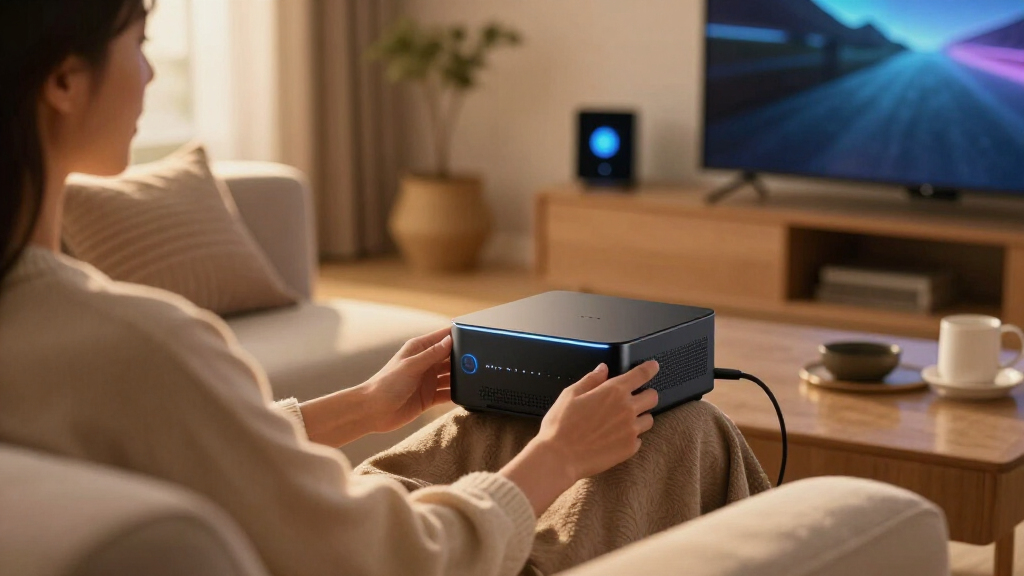

For those seeking the best AI mini PCs, this guide highlights models that balance powerful processing with compact design. The Reatan X8 stands out as the overall top choice, thanks to its advanced AMD Ryzen AI 9 HX processor and expansive memory. The MINISFORUM AI X1 Pro-370 offers excellent connectivity and high-end features for demanding AI tasks, while the GEEKOM GT1 Mega provides robust performance at a more accessible price point. Buyers face tradeoffs between raw power, expandability, and price, making it important to understand your specific needs. Continue reading for a detailed breakdown of each option and what sets them apart.

Get home appliances delivered free with Prime
- Fast, free delivery on millions of items
- Prime Video, Amazon Music and more included
- Member-only deals all year
Complete the kit


Key Takeaways
- High core count and fast RAM are key drivers of AI performance in mini PCs.
- Expandable storage and memory can extend the lifespan of a device but often come with added complexity and cost.
- Connectivity options like WiFi 6, Bluetooth 5.x, and multiple USB ports are vital for seamless integration with AI peripherals.
- Premium models deliver higher AI processing power but may be overkill for casual or hobbyist use.
- Compact size varies, but most top-tier AI mini PCs prioritize thermal management and quiet operation.
| Reatan X8 Mini PC with AMD Ryzen AI 9 HX 470, 48GB DDR5, 1TB SSD, OCuLink Expansion |  | Best Overall for High-End AI and Content Creation | Processor: AMD Ryzen AI 9 HX 470, 12 cores/24 threads, up to 5.2GHz | RAM: 48GB DDR5, upgradable to 96GB | Storage: 1TB PCIe 4.0 NVMe SSD, upgradable to 8TB | VIEW LATEST PRICE | See Our Full Breakdown |
| GEEKOM Mini PC IT13 MAX, Ultra 9 185H, 24GB RAM, 500GB SSD (Upgradeable) |  | Best for Professional Multitasking and Industrial Use | Processor: Intel Core Ultra 9 185H, 16C/22T, up to 5.1GHz | RAM: 24GB LPDDR5 5600MT/s | Storage: 500GB PCIe 4.0 SSD, expandable to 4TB | VIEW LATEST PRICE | See Our Full Breakdown |
| GEEKOM A7 Mini PC with Ryzen 7 7730U, 32GB RAM, 500GB SSD, Expandable |  | Best for Energy-Efficient Creative Work and Light Gaming | Processor: Ryzen 7 7730U | RAM: 32GB | Storage: 500GB SSD | VIEW LATEST PRICE | See Our Full Breakdown |
| GMKtec K15 Mini PC AI Ultra 5 125U, 32GB DDR5, 1TB PCIe 4.0 SSD |  | Best for Gaming and Video Editing with AI Acceleration | Processor: Intel Core Ultra 5 125U, up to 4.3GHz, 12 cores | Memory: 32GB DDR5 | Storage: 1TB PCIe 4.0 SSD | VIEW LATEST PRICE | See Our Full Breakdown |
| MINISFORUM AI X1 Pro-370 Mini PC with AMD Ryzen AI 9 HX370, 32GB DDR5, 1TB PCIe 4.0 SSD, 8K Support, Dual 2.5Gb LAN, WiFi 7, Bluetooth 5.4, Oculink |  | Best for AI-Accelerated Content and High-Resolution Multitasking | Processor: AMD Ryzen AI 9 HX370, up to 5.1GHz, 12C/24T | Memory: 32GB DDR5 5600MHz | Storage: 1TB PCIe 4.0 SSD | VIEW LATEST PRICE | See Our Full Breakdown |
| Beelink SER9 Pro AI Mini PC, Ryzen 7, 24GB LPDDR5X, 1TB NVMe SSD |  | Best Overall for High-Performance AI Tasks | Processor: AMD Ryzen R7 H255 (8C/16T, up to 4.9GHz) | Graphics: AMD Radeon 780M | Memory: 24GB LPDDR5X | VIEW LATEST PRICE | See Our Full Breakdown |
| GMKtec K13 AI Mini PC with Intel Core Ultra 7, 16GB RAM, 1TB SSD |  | Best for Demanding AI Workloads & Professional Use | Processor: Intel Core Ultra 7 256V (2.2GHz, up to 4.80GHz) | AI Performance: 115 TOPS (47 TOPS NPU + 64 TOPS GPU) | GPU: Intel Arc 140V | VIEW LATEST PRICE | See Our Full Breakdown |
| GEEKOM GT1 Mega AI Mini PC with 14th Gen Intel Core Ultra 9 185H, 32GB DDR5, 1TB SSD |  | Best for Creative & Gaming Power Users | Processor: 14th Gen Intel Core Ultra 9 185H, 16-core | RAM: 32GB DDR5 | Storage: 1TB PCIe 4.0 SSD | VIEW LATEST PRICE | See Our Full Breakdown |
| Beelink SER9 Pro AI Mini PC with AMD Ryzen 7 H255, 24GB RAM, 1TB SSD, Radeon 780M, WiFi 6, USB4, 4K@240Hz, Triple Display |  | Best for Versatile High-Performance Use | Processor: AMD Ryzen 7 H255, up to 4.9GHz | Graphics: Radeon 780M (RDNA 3) | Memory: 24GB LPDDR5X | VIEW LATEST PRICE | See Our Full Breakdown |
| GMKtec K15 AI Mini PC with Intel Ultra 5 125U, 32GB DDR5, 512GB SSD |  | Best Overall Mini PC for Versatile Performance | Processor: Intel Ultra 5 125U, up to 4.3 GHz | RAM: 32GB DDR5 4800MHz | Storage: 512GB PCIe 4.0 SSD (expandable up to 24TB) | VIEW LATEST PRICE | See Our Full Breakdown |
| GEEKOM IT15 Mini PC with Intel Ultra 9 285H, 32GB DDR5, 1TB SSD, Arc 140T GPU, WiFi 7, 8K Quad Display, Windows 11 Pro |  | Best for Heavy Multitasking and Professional Visuals | Processor: Intel Ultra 9 285H (16 cores, up to 5.4 GHz) | RAM: 32GB DDR5 (upgradable to 128GB) | Storage: 1TB NVMe Gen 4 SSD | VIEW LATEST PRICE | See Our Full Breakdown |
| GMKtec AI Mini PC Ryzen AI Max+ 395 |  | Best for AI and Gaming Power | Processor: AMD Ryzen AI Max+ 395, up to 5.1 GHz | GPU: AMD Radeon RX 8060S, 40 CUs, up to 2.9 GHz | Memory: 8,000 MT/s LPDDR5X, up to 64GB | VIEW LATEST PRICE | See Our Full Breakdown |
| GEEKOM IT13 MAX AI Mini PC, Intel Ultra 9 185H, DDR5 16GB, 1TB SSD |  | Best for Compact Enterprise-Grade AI Tasks | Processor: Intel Ultra 9 185H, up to 5.1 GHz | Cores: 16 cores | RAM: 16GB DDR5 | VIEW LATEST PRICE | See Our Full Breakdown |
| GMKtec K15 AI Mini PC with Intel Core Ultra 5 125U, 48GB DDR5 RAM, 1TB SSD, 4K Support, Dual NIC, Oculink, Wi-Fi 6E, Bluetooth 5.2 |  | Best for High Memory, Low Power AI Tasks | Processor: Intel Ultra 5 125U, up to 4.3 GHz | RAM: 48GB DDR5 | Storage: 1TB PCIe 4.0 SSD | VIEW LATEST PRICE | See Our Full Breakdown |
| AI mini PC | Processor | Storage | RAM | Graphics |
|---|---|---|---|---|
| Reatan X8 Mini PC with AMD Ryz | AMD Ryzen AI 9 HX 470, 12 cores/24 threads, up to 5.2GHz | 1TB PCIe 4.0 NVMe SSD, upgradable to 8TB | 48GB DDR5, upgradable to 96GB | Radeon 890M, eGPU support |
| GEEKOM Mini PC IT13 MAX | Intel Core Ultra 9 185H, 16C/22T, up to 5.1GHz | 500GB PCIe 4.0 SSD, expandable to 4TB | 24GB LPDDR5 5600MT/s | — |
| GEEKOM A7 Mini PC with Ryzen 7 | Ryzen 7 7730U | 500GB SSD | 32GB | — |
| GMKtec K15 Mini PC AI Ultra 5 | Intel Core Ultra 5 125U, up to 4.3GHz, 12 cores | 1TB PCIe 4.0 SSD | — | — |
| MINISFORUM AI X1 Pro-370 Mini | AMD Ryzen AI 9 HX370, up to 5.1GHz, 12C/24T | 1TB PCIe 4.0 SSD | — | AMD Radeon 890M |
| Beelink SER9 Pro AI Mini PC | AMD Ryzen R7 H255 (8C/16T, up to 4.9GHz) | 1TB PCIe 4.0 NVMe SSD | — | AMD Radeon 780M |
| GMKtec K13 AI Mini PC with Int | Intel Core Ultra 7 256V (2.2GHz, up to 4.80GHz) | 1TB SSD, dual NVMe slots | — | — |
| GEEKOM GT1 Mega AI Mini PC wit | 14th Gen Intel Core Ultra 9 185H, 16-core | 1TB PCIe 4.0 SSD | 32GB DDR5 | — |
| Beelink SER9 Pro AI Mini PC wi | AMD Ryzen 7 H255, up to 4.9GHz | 1TB NVMe SSD, dual M.2 slots | — | Radeon 780M (RDNA 3) |
| GMKtec K15 AI Mini PC with Int | Intel Ultra 5 125U, up to 4.3 GHz | 512GB PCIe 4.0 SSD (expandable up to 24TB) | 32GB DDR5 4800MHz | Integrated Intel Graphics, 7 TOPS (Int8) |
| GEEKOM IT15 Mini PC with Intel | Intel Ultra 9 285H (16 cores, up to 5.4 GHz) | 1TB NVMe Gen 4 SSD | 32GB DDR5 (upgradable to 128GB) | Intel Arc 140T GPU |
| GMKtec AI Mini PC Ryzen AI Max | AMD Ryzen AI Max+ 395, up to 5.1 GHz | Dual M.2 PCIe 4.0 SSD slots, up to 8TB | — | — |
| GEEKOM IT13 MAX AI Mini PC | Intel Ultra 9 185H, up to 5.1 GHz | 1TB SSD | 16GB DDR5 | — |
| GMKtec K15 AI Mini PC with Int | Intel Ultra 5 125U, up to 4.3 GHz | 1TB PCIe 4.0 SSD | 48GB DDR5 | Integrated Graphics |
More Details on Our Top Picks
Reatan X8 Mini PC with AMD Ryzen AI 9 HX 470, 48GB DDR5, 1TB SSD, OCuLink Expansion
The Reatan X8 stands out as the most powerful option in this lineup, thanks to its AMD Ryzen AI 9 HX 470 processor with 12 cores and 24 threads, supporting intensive AI workloads and multitasking. Its substantial 48GB DDR5 RAM and 1TB NVMe SSD make it ideal for demanding content creation and professional applications, surpassing the GEEKOM A7’s more modest specs. The device’s support for multiple 8K displays and eGPU expansion enhances its flexibility for high-resolution tasks and graphics-intensive projects. However, the complexity of its setup and cooling needs might challenge less technical users, and its high-performance hardware can produce significant heat. Compared to the GEEKOM IT13 MAX, the Reatan X8 offers superior processing power, but at the cost of increased thermal management requirements. This makes it best suited for users who need top-tier AI and multitasking capabilities without concern for setup complexity.
Pros:- Exceptional processing power with AMD Ryzen AI 9 HX 470
- Large 48GB DDR5 RAM supports heavy multitasking
- Supports multiple 8K displays and high-speed data transfer
- Expandable with eGPU support for enhanced graphics
Cons:- Complex setup requiring technical knowledge
- High heat output from powerful hardware
- Limited pre-installed software details
Best for: AI researchers, professional content creators, and gamers requiring maximum computational power
Not ideal for: Casual users or those seeking a plug-and-play mini PC with simple setup and low noise levels
- Processor:AMD Ryzen AI 9 HX 470, 12 cores/24 threads, up to 5.2GHz
- RAM:48GB DDR5, upgradable to 96GB
- Storage:1TB PCIe 4.0 NVMe SSD, upgradable to 8TB
- Graphics:Radeon 890M, eGPU support
- Networking:WiFi 7, Bluetooth 5.4, 2.5Gbps LAN
- Video Outputs:HDMI 2.1, DisplayPort 2.0, dual USB4
Our verdict“This is the best choice for users who need cutting-edge AI performance and high-end multitasking capabilities in a compact form factor.”
GEEKOM Mini PC IT13 MAX, Ultra 9 185H, 24GB RAM, 500GB SSD (Upgradeable)
The GEEKOM IT13 MAX offers impressive performance with an Intel Core Ultra 9 185H processor, featuring 16 cores and 22 threads, making it well-suited for demanding multitasking and professional workflows. Its 24GB LPDDR5 RAM ensures swift responsiveness, although compared to the Reatan X8, it has less raw AI processing power. The device’s expandable storage up to 4TB combined with industrial connectivity options like dual 2.5GbE LAN and RS-232/RS-485 ports positions it as a versatile workstation for industrial and enterprise environments. Its relatively light weight and compact size are advantageous, but the requirement for Windows 11 and potentially higher price point could deter casual users or those preferring Linux flexibility. While the GEEKOM X8 excels in raw AI and graphics performance, the IT13 MAX is better suited for users needing robust connectivity and multitasking in a compact form.
Pros:- Powerful Intel Core Ultra 9 185H processor with high core count
- Fast 24GB LPDDR5 RAM for efficient multitasking
- Expandable storage up to 4TB for large project files
- Industrial connectivity with dual 2.5GbE LAN and RS ports
Cons:- High cost may limit accessibility for casual users
- Limited to Windows 11, restricting OS flexibility
- Heavier than some mini PCs at 1.4 pounds
Best for: Professionals needing reliable industrial connectivity and multitasking in a compact desktop-like mini PC
Not ideal for: Home users seeking gaming or creative content creation due to its industrial focus and higher complexity
- Processor:Intel Core Ultra 9 185H, 16C/22T, up to 5.1GHz
- RAM:24GB LPDDR5 5600MT/s
- Storage:500GB PCIe 4.0 SSD, expandable to 4TB
- Networking:Dual 2.5GbE LAN, RS-232/485
- Weight:1.4 pounds
- Operating System:Windows 11
Our verdict“This mini PC targets professionals needing reliable connectivity and multitasking power for demanding workflows.”
GEEKOM A7 Mini PC with Ryzen 7 7730U, 32GB RAM, 500GB SSD, Expandable
The GEEKOM A7 features a Ryzen 7 7730U processor with 8 cores and 16 threads, offering a balance of power and efficiency. Its 32GB RAM supports demanding multitasking and creative applications, making it a solid choice for content creators and light gaming. Compared to the Reatan X8, it sacrifices some AI acceleration and raw processing power but compensates with lower power consumption—just 15W—making it suitable for extended use without overheating. Its multiple ports, including HDMI 2.0, USB-C, and USB4, support high-resolution displays and fast data transfer. The aluminum chassis aids cooling, but the internal storage starts at only 500GB, which may require upgrades for larger projects. The absence of a dedicated GPU limits high-end gaming performance, but it manages well for multimedia editing and productivity tasks.
Pros:- Efficient Ryzen 7 7730U processor with good multitasking performance
- Large 32GB RAM supports demanding creative workflows
- Low power consumption at 15W
- Multiple high-speed ports including HDMI 2.0 and USB-C
Cons:- Limited internal storage (500GB), requiring upgrades
- No dedicated GPU for high-end gaming
- Compact size may restrict future internal upgrades
Best for: Content creators, multimedia enthusiasts, and casual gamers seeking an energy-efficient mini PC
Not ideal for: High-end gamers or AI developers needing dedicated GPU power or intense AI processing
- Processor:Ryzen 7 7730U
- RAM:32GB
- Storage:500GB SSD
- Expandable Storage:Up to 4TB SSD
- Power Consumption:15W
- Cooling:IceBlast 3.0 with dual copper heat pipes
Our verdict“This mini PC is ideal for users prioritizing energy efficiency and multimedia editing over gaming or heavy AI workloads.”
GMKtec K15 Mini PC AI Ultra 5 125U, 32GB DDR5, 1TB PCIe 4.0 SSD
The GMKtec K15 leverages a robust Intel Core Ultra 5 125U processor with up to 4.3GHz and 12 cores, making it a compelling choice for gaming, video editing, and AI tasks. Its 32GB DDR5 RAM and 1TB PCIe 4.0 SSD provide swift performance and ample storage, surpassing the GEEKOM A7 in raw processing power. Its support for multi-display output at 8K resolution and AI acceleration via an integrated NPU enhances multimedia workflows and AI applications. The cooling system with RGB lighting adds aesthetic appeal, but the high power consumption at 35W and limited GPU details may concern users aiming for intensive gaming or graphics work. Its comprehensive port selection, including HDMI 2.1 and DisplayPort, makes it versatile for various professional and entertainment setups.
Pros:- High-turbo Core Ultra 5 125U processor with AI acceleration
- Supports multi-display up to 8K resolution
- Fast DDR5 RAM and PCIe 4.0 SSD for swift data access
- Rich connectivity options including HDMI 2.1 and DisplayPort
Cons:- Relatively high power consumption at 35W
- Limited GPU performance details in reviews
- RGB lighting may be unnecessary for some users
Best for: Gamers, video editors, and AI developers seeking a high-performance mini PC with advanced multimedia support
Not ideal for: Users who prefer Linux or need a quieter, energy-efficient device for basic tasks
- Processor:Intel Core Ultra 5 125U, up to 4.3GHz, 12 cores
- Memory:32GB DDR5
- Storage:1TB PCIe 4.0 SSD
- Display Support:Supports 8K via HDMI 2.1 and DisplayPort 1.4
- Networking:Wi-Fi 6, Bluetooth 5.2
- Cooling System:RGB cooling fans with heatpipes
Our verdict“This mini PC excels for gaming, multimedia editing, and AI tasks requiring high graphics and processing performance.”
MINISFORUM AI X1 Pro-370 Mini PC with AMD Ryzen AI 9 HX370, 32GB DDR5, 1TB PCIe 4.0 SSD, 8K Support, Dual 2.5Gb LAN, WiFi 7, Bluetooth 5.4, Oculink
The MINISFORUM AI X1 Pro-370 offers a compelling mix of high-end processing with AMD Ryzen AI 9 HX370, supporting intensive AI workloads, 8K display output, and rapid connectivity. Its 32GB DDR5 RAM and 1TB PCIe 4.0 SSD ensure swift data processing, rivaling the Reatan X8 in raw power while adding AI acceleration with the integrated Radeon 890M GPU. The dual 2.5Gb LAN, WiFi 7, and Bluetooth 5.4 make it a standout for network-heavy applications and multimedia streaming. Its cooling system is designed for sustained heavy loads, but the device’s relatively high power draw and compact size could restrict internal upgrade options. Compared to the GEEKOM A7, the AI X1 Pro-370 emphasizes AI and high-resolution display support over energy efficiency. It’s best suited for power users who need AI-enhanced workflows and multi-display setups.
Pros:- Powerful AMD Ryzen AI 9 HX370 processor with AI acceleration
- Supports up to 8K multi-display output
- Fast PCIe 4.0 SSD and dual 2.5Gb LAN for high-speed data transfer
- Advanced connectivity with WiFi 7 and Bluetooth 5.4
Cons:- High power consumption at 65W
- Limited upgrade options due to compact design
- Potential noise under heavy AI workloads
Best for: AI developers, multimedia professionals, and high-resolution content creators
Not ideal for: Casual users or those seeking a budget-friendly, energy-efficient mini PC
- Processor:AMD Ryzen AI 9 HX370, up to 5.1GHz, 12C/24T
- Memory:32GB DDR5 5600MHz
- Storage:1TB PCIe 4.0 SSD
- Graphics:AMD Radeon 890M
- Display Support:Supports 8K via HDMI 2.1 and DisplayPort 2.0
- Networking:WiFi 7, Dual 2.5Gb LAN, Bluetooth 5.4
Our verdict“This device is ideal for users who need high-performance AI processing, high-resolution displays, and advanced networking in a mini form factor.”
Beelink SER9 Pro AI Mini PC, Ryzen 7, 24GB LPDDR5X, 1TB NVMe SSD
This model stands out for combining powerful AMD Ryzen 7 processing with Radeon 780M graphics, making it well-suited for demanding AI workloads, gaming, and content creation. Compared with the GEEKOM GT1 Mega, it offers a more balanced mix of CPU and GPU power, but at a higher price point. Its extensive connectivity, including triple 4K display support and Wi-Fi 6, ensures seamless multitasking. The 24GB RAM and 1TB SSD support heavy multitasking and large datasets, but overkill for users with basic needs. Its high-end specs justify the premium cost but may deter budget-conscious buyers.
Pros:- Powerful AMD Ryzen 7 CPU and Radeon 780M GPU for AI and gaming
- Ample 24GB LPDDR5X RAM supports heavy multitasking
- Triple 4K display support enhances productivity and content creation
- Fast connectivity options including Wi-Fi 6 and 2.5G LAN
Cons:- High cost may be prohibitive for casual users
- Limited details on included peripherals or software
- Potential overperformance for basic tasks
Best for: AI developers, digital content creators, and gamers who need robust multitasking and high-performance graphics
Not ideal for: Casual users or those seeking a budget-friendly mini PC for simple tasks, as its power and price exceed basic needs
- Processor:AMD Ryzen R7 H255 (8C/16T, up to 4.9GHz)
- Graphics:AMD Radeon 780M
- Memory:24GB LPDDR5X
- Storage:1TB PCIe 4.0 NVMe SSD
- Expandable Storage:Up to 8TB (2 x 4TB M.2 PCIe 4.0)
- Connectivity:Wi-Fi 6, Bluetooth 5.2, 2.5G LAN, HDMI, DisplayPort, USB4
Our verdict“This mini PC is best suited for users who require high-end AI and graphics performance and are willing to invest in top-tier hardware.”
GMKtec K13 AI Mini PC with Intel Core Ultra 7, 16GB RAM, 1TB SSD
The GMKtec K13 excels in delivering high AI processing power with its Intel Core Ultra 7 processor, supporting triple 4K displays and high-speed 5GbE LAN. It’s a compact, portable choice for professionals needing mobility without sacrificing performance, especially for AI inference and data-heavy tasks. Unlike the Beelink SER9 Pro, it prioritizes portability and a smaller footprint, but it may require technical expertise during setup. Its dual NVMe slots and support for up to 16TB of storage make it ideal for large datasets. However, the premium hardware comes with a higher price tag, which could be a barrier for budget-conscious buyers.
Pros:- High AI TOPS performance with Intel Core Ultra 7
- Supports triple 4K displays for multitasking
- Compact, lightweight design for portability
- Dual NVMe slots with up to 16TB storage capacity
Cons:- Requires some technical knowledge for setup
- No included peripherals or operating system specified
- Price may be high for non-professional users
Best for: Technical professionals, AI researchers, and content creators needing portable yet powerful computing
Not ideal for: Casual users or those seeking a plug-and-play experience, as setup can be complex and it’s geared towards advanced users
- Processor:Intel Core Ultra 7 256V (2.2GHz, up to 4.80GHz)
- AI Performance:115 TOPS (47 TOPS NPU + 64 TOPS GPU)
- GPU:Intel Arc 140V
- Memory:16GB DDR4 (expandable to 16TB)
- Storage:1TB SSD, dual NVMe slots
- Connectivity:5GbE LAN, Wi-Fi 6, Bluetooth 5.2
Our verdict“This mini PC is designed for tech-savvy users who need portable, high-performance AI and professional-grade multitasking capabilities.”
GEEKOM GT1 Mega AI Mini PC with 14th Gen Intel Core Ultra 9 185H, 32GB DDR5, 1TB SSD
The GEEKOM GT1 Mega combines a 14th Gen Intel Core Ultra 9 processor with 32GB DDR5 RAM, making it a strong contender for AI, gaming, and creative workflows. Its ability to support up to four 8K/4K displays makes it ideal for immersive multitasking, surpassing many competitors like the GMKtec EVO-T1 in raw power. While its high-end specs justify its use for demanding tasks, it also means a higher energy draw of 65W and a potentially complex setup. Its extensive connectivity, including WiFi 7 and Bluetooth 5.4, caters to future-proofing, but the price may be prohibitive for casual users.
Pros:- Powerful 14th Gen Intel Core Ultra 9 CPU with 16 cores
- Supports four 8K/4K displays for multitasking
- Large 32GB DDR5 RAM for intensive workflows
- Fast connectivity including WiFi 7 and Bluetooth 5.4
Cons:- Higher power consumption at 65W
- Complex setup may require technical expertise
- Expensive for casual or basic users
Best for: Creative professionals, gamers, and enthusiasts who want cutting-edge performance and multi-display setups
Not ideal for: Budget-conscious buyers or users with minimal multitasking needs, due to its premium hardware and cost
- Processor:14th Gen Intel Core Ultra 9 185H, 16-core
- RAM:32GB DDR5
- Storage:1TB PCIe 4.0 SSD
- Display Support:Up to 4 displays, 8K quad display
- Connectivity:WiFi 7, Bluetooth 5.4, dual 2.5G LAN
- Dimensions:8.94 x 6.92 x 5.27 inches
Our verdict“This mini PC is best suited for power users demanding high-end graphics, multi-display support, and AI acceleration in a portable form.”
Beelink SER9 Pro AI Mini PC with AMD Ryzen 7 H255, 24GB RAM, 1TB SSD, Radeon 780M, WiFi 6, USB4, 4K@240Hz, Triple Display
The Beelink SER9 Pro offers a strong blend of AI, gaming, and productivity features with its AMD Ryzen 7 H255 and Radeon 780M graphics, supporting triple 4K@240Hz displays for smooth visuals. It’s a quieter machine, operating at just 32dB, and supports high-refresh-rate displays for gaming or professional video editing. Compared to the Beelink SER9 Pro AI Mini PC, this version emphasizes high refresh rates and silent operation, but it shares similar high-end hardware that may be more than needed for casual users. Its expandable SSD options and modern connectivity make it a flexible choice for power users.
Pros:- Powerful Ryzen 7 H255 CPU and Radeon 780M graphics for demanding tasks
- Supports triple 4K@240Hz displays for high-quality visuals
- Near-silent operation with efficient cooling
- Expandable SSD storage up to 8TB
Cons:- Higher price point compared to entry-level mini PCs
- Limited details on included peripherals
- Potential overkill for basic users
Best for: Gamers, content creators, and professionals needing high refresh rate support and silent operation
Not ideal for: Simple office tasks or low-budget setups, as its advanced features come with a higher price and complexity
- Processor:AMD Ryzen 7 H255, up to 4.9GHz
- Graphics:Radeon 780M (RDNA 3)
- Memory:24GB LPDDR5X
- Storage:1TB NVMe SSD, dual M.2 slots
- Display Support:Triple 4K@240Hz
- Connectivity:WiFi 6, Bluetooth 5.2, 2.5G LAN
Our verdict“This mini PC is ideal for users needing high refresh rate gaming, professional content creation, and quiet operation in a compact form.”
GMKtec K15 AI Mini PC with Intel Ultra 5 125U, 32GB DDR5, 512GB SSD
The GMKtec K15 stands out for its balanced combination of power and flexibility, making it ideal for users who need a reliable AI-capable mini PC with multi-display support. Its Intel Ultra 5 125U processor, capable of reaching 4.3 GHz, offers enough speed for multitasking and AI workloads, comparable to the GEEKOM IT13 MAX but with a more stylish dual RGB cooling setup. Unlike the GEEKOM IT15, which includes a dedicated Arc GPU, the GMKtec relies on integrated Intel graphics, making it less suited for graphics-intensive tasks but more energy-efficient. Its dual 2.5GbE LAN and Wi-Fi 6E ensure fast, stable connections, but the limited one-year warranty and lack of a dedicated GPU are notable tradeoffs. This model makes sense for those wanting a high-performance mini PC that balances connectivity, display support, and customization without overpaying for premium graphics.
Pros:- Powerful Intel Ultra 5 processor with up to 4.3 GHz for multitasking
- Supports quad 4K/8K displays for versatile use
- Dual NICs plus Wi-Fi 6E deliver rapid, stable network connections
- Effective cooling with dual RGB fans allows customization
Cons:- Limited to a 1-year warranty, which may affect long-term reliability
- No dedicated GPU, restricting high-end graphics performance
Best for: Creative professionals or small office setups needing reliable multi-display AI processing and flexible connectivity
Not ideal for: Gamers or high-end 3D rendering professionals who require dedicated graphics and longer warranty coverage
- Processor:Intel Ultra 5 125U, up to 4.3 GHz
- RAM:32GB DDR5 4800MHz
- Storage:512GB PCIe 4.0 SSD (expandable up to 24TB)
- Graphics:Integrated Intel Graphics, 7 TOPS (Int8)
- Display Output:HDMI 2.1, DisplayPort 1.4, USB-C supporting 4K/8K
- Network:Dual 2.5GbE LAN, Wi-Fi 6E, Bluetooth 5.2
- Cooling:Dual fans with RGB lighting
- Power Consumption:35W
Our verdict“This is a solid choice for users who need a flexible, high-performance mini PC with excellent display and connectivity options, but not for those demanding top-tier graphics or extended warranty.”
GEEKOM IT15 Mini PC with Intel Ultra 9 285H, 32GB DDR5, 1TB SSD, Arc 140T GPU, WiFi 7, 8K Quad Display, Windows 11 Pro
The GEEKOM IT15 offers remarkable performance for demanding AI, video editing, and multitasking, outperforming many competitors like the GMKtec K15 in raw power thanks to its Intel Ultra 9 285H processor with 16 cores and up to 5.4 GHz. Its inclusion of an Arc 140T GPU makes it suitable for graphics-intensive tasks, unlike the GMKtec K15’s reliance on integrated graphics, though that also leads to higher power consumption and heat. The support for four 8K/4K displays paired with WiFi 7 and 2.5Gbps Ethernet positions it as a professional workstation or high-end media center, but its advanced features and price can be overkill for casual users. For those needing serious processing, graphics, and display capacity, this mini PC delivers top-tier performance at a premium cost.
Pros:- High-end processor with up to 16 cores and 5.4 GHz for demanding workloads
- Supports four 8K/4K displays for complex visual setups
- Excellent connectivity with WiFi 7 and 2.5Gbps Ethernet
- Durable metal frame with advanced cooling for sustained performance
Cons:- High power consumption at around 65W, requiring robust cooling
- Premium price that may not fit all budgets
- Complex setup and upgrade process for less experienced users
Best for: Video editors, AI researchers, or professionals needing maximum multitasking with high-end visuals
Not ideal for: Casual users or budget-conscious buyers who won’t leverage its extensive display and processing power
- Processor:Intel Ultra 9 285H (16 cores, up to 5.4 GHz)
- RAM:32GB DDR5 (upgradable to 128GB)
- Storage:1TB NVMe Gen 4 SSD
- Graphics:Intel Arc 140T GPU
- Display Support:Up to 4 displays (8K/4K)
- Connectivity:WiFi 7, Bluetooth 5.4, 2.5Gbps Ethernet
- Cooling:Advanced cooling system
- Warranty:3 years
Our verdict“This mini PC is ideal for demanding professional environments where maximum processing, graphics, and display support justify the higher cost, but it’s overkill for casual or basic users.”
GMKtec AI Mini PC Ryzen AI Max+ 395
The GMKtec EVO-X2 with Ryzen AI Max+ 395 pushes the envelope for AI workloads and gaming, thanks to its AMD Radeon RX 8060S GPU, which offers robust graphics performance. Its up to 5.1 GHz boost, combined with 8,000 MT/s LPDDR5X RAM, makes it well-suited for intensive AI training, deep learning, and high-quality gaming, outperforming models like the GMKtec K15 in GPU capabilities. Supporting multi-screen 8K display and Wi-Fi 7, it excels in scenarios requiring immersive visuals and fast data transfer, but its 65W power consumption means it demands good cooling and a stable power supply. The RGB lighting and heatpipes are attractive, but the setup may be complex for casual users unfamiliar with advanced configurations. This mini PC is best for users who need serious AI and gaming performance in a compact form.
Pros:- High-performance Ryzen 395 CPU with up to 5.1 GHz boost
- Powerful AMD Radeon RX 8060S GPU for AI and gaming
- Supports multi-screen 8K display for immersive visuals
- Fast DDR5X memory and Wi-Fi 7 for seamless multitasking
Cons:- High power draw at 65W requiring strong cooling solutions
- Complex setup with RGB lighting and advanced features may challenge casual users
- Limited details on pre-installed OS and upgradeability
Best for: AI researchers, gamers, or creative professionals seeking high GPU performance in a mini format
Not ideal for: Light users or those prioritizing low power consumption over raw graphics power
- Processor:AMD Ryzen AI Max+ 395, up to 5.1 GHz
- GPU:AMD Radeon RX 8060S, 40 CUs, up to 2.9 GHz
- Memory:8,000 MT/s LPDDR5X, up to 64GB
- Storage:Dual M.2 PCIe 4.0 SSD slots, up to 8TB
- Networking:Wi-Fi 7, 2.5GbE Ethernet, Bluetooth 5.4
- Video Output:HDMI 2.1, DisplayPort 1.4
- Cooling:Dual turbo fans with heatpipes and RGB lighting
- Power Consumption:65W
Our verdict“This mini PC effectively combines AI capabilities and gaming performance for power users who prioritize GPU-intensive tasks in a compact form, accepting higher power and setup complexity.”
GEEKOM IT13 MAX AI Mini PC, Intel Ultra 9 185H, DDR5 16GB, 1TB SSD
The GEEKOM IT13 MAX offers a compelling balance of high-end performance and enterprise features, making it suitable for professional AI workloads and multi-display setups. Equipped with the Intel Ultra 9 185H, a 16-core processor reaching 5.1 GHz, it rivals larger workstations in a mini form factor, similar to the GEEKOM IT15 but with a more compact design. Its 16GB DDR5 RAM and 1TB SSD support demanding applications, while the IceBlast 3.0 cooling ensures quiet operation. The dual Ethernet ports and support for up to four 8K/4K displays make it a strong candidate for enterprise or creative environments, but its high performance comes with a 65W power load and a higher price point. This device makes sense for professionals who need reliable, compact AI processing without sacrificing enterprise connectivity.
Pros:- High-performance 16-core Intel Ultra 9 processor with 5.1 GHz boost
- Supports up to four 8K/4K displays for complex visualization
- Quiet operation with IceBlast 3.0 cooling system
- Dual Ethernet ports and extensive port options for enterprise connectivity
Cons:- Power consumption at 65W requires good cooling infrastructure
- Premium pricing may be prohibitive for casual users
- Limited to specific OS support, potentially requiring licensing
Best for: AI developers, data scientists, or enterprise users needing reliable, high-performance computing in a small footprint
Not ideal for: Casual users or those with limited budget who don’t need enterprise-level multi-display or high processing power
- Processor:Intel Ultra 9 185H, up to 5.1 GHz
- Cores:16 cores
- RAM:16GB DDR5
- Storage:1TB SSD
- Cooling:IceBlast 3.0
- Network:Dual 2.5GbE LAN, Wi-Fi 7
- Display support:Supports 4 x 8K/4K displays
- Power consumption:65W
Our verdict“This mini PC delivers enterprise-grade AI and multi-display performance in a compact design, suitable for professional environments with demanding workloads.”
GMKtec K15 AI Mini PC with Intel Core Ultra 5 125U, 48GB DDR5 RAM, 1TB SSD, 4K Support, Dual NIC, Oculink, Wi-Fi 6E, Bluetooth 5.2
The GMKtec K15 variant with 48GB DDR5 RAM and 1TB SSD prioritizes memory and storage expansion over raw processing power, making it ideal for users who run many simultaneous AI models or large datasets. Its Intel Core Ultra 5 125U processor, while capable with up to 4.3 GHz, is less powerful than the Ultra 9 series, but the massive RAM and fast PCIe 4.0 SSD make it excel in multi-tasking environments. Supporting 4K/8K multi-display output and dual NICs, it caters to professional or creative workflows, especially where memory is a bottleneck. The inclusion of Wi-Fi 6E and RGB cooling with dual fans adds to its appeal, but the lower-tier CPU limits performance for intensive AI training. It’s best for users prioritizing large memory pools and efficient multitasking in a compact form.
Pros:- High 48GB DDR5 RAM for intensive multitasking
- Fast 1TB PCIe 4.0 SSD supports large datasets
- Supports multi-display output with 4K/8K compatibility
- Dual NICs and Wi-Fi 6E ensure robust connectivity
Cons:- Lower CPU performance compared to Ultra 9 models
- Limited to 24TB total storage expansion, restricting very large data sets
- Requires Windows 11 Pro, adding possible licensing costs
Best for: AI researchers or data analysts handling large datasets needing fast memory and storage capacity
Not ideal for: Users requiring maximum CPU processing power or graphics performance for gaming or AI training
- Processor:Intel Ultra 5 125U, up to 4.3 GHz
- RAM:48GB DDR5
- Storage:1TB PCIe 4.0 SSD
- Graphics:Integrated Graphics
- Display Output:HDMI 2.1, DisplayPort 1.4
- Network:Dual 2.5GbE LAN, Wi-Fi 6E, Bluetooth 5.2
- Cooling:Dual fans with RGB lighting
- Power Consumption:15W
Our verdict“This variant best suits users who need extensive memory and storage for large-scale AI or data processing, accepting modest CPU performance in a compact setup.”
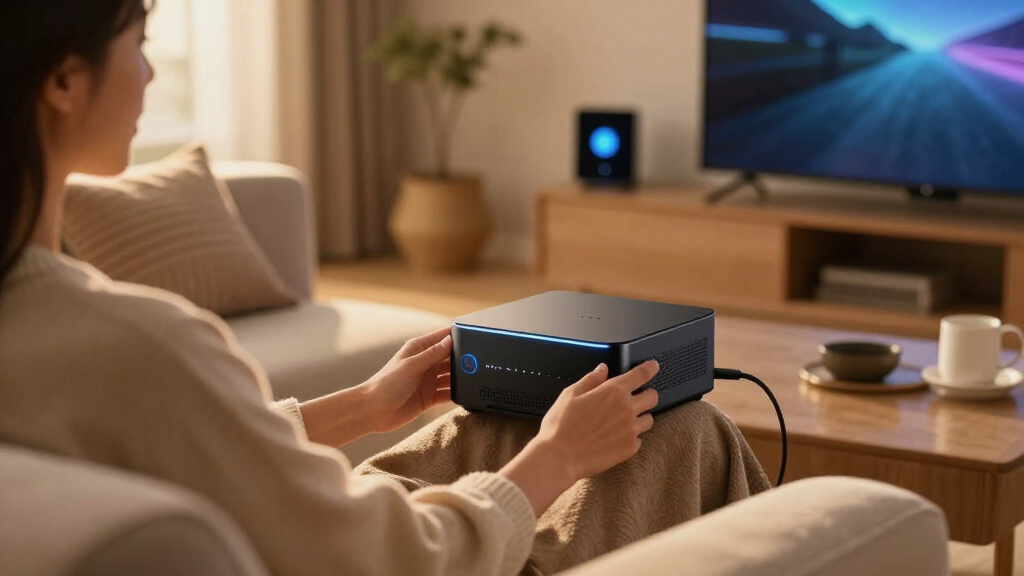
How We Picked
I evaluated these AI mini PCs based on their processing capabilities, focusing on CPU and GPU performance relevant for AI workloads. Build quality, expandability, connectivity options, and thermal management also played crucial roles in the selection process. Price-to-performance ratio was a key consideration to identify models that deliver high AI processing power without excessive cost. The ranking reflects a balance of raw performance, usability, future-proofing, and value, aiming to match different user needs from enthusiasts to professionals.Factors to Consider When Choosing Best AI Mini PCs
Choosing the best AI mini PC involves considering several factors that go beyond raw specs. Understanding your specific AI workload, future needs, and environment can help you pick a device that offers both performance and longevity. This guide covers key aspects to consider, helping you avoid common pitfalls and making smarter investment decisions.Processing Power and GPU Capabilities
AI tasks often demand high CPU and GPU performance, especially for training models or running intensive inference. Look for multi-core processors and dedicated AI accelerators or GPUs like AMD Radeon or Intel Arc series. Sacrificing raw power for lower-cost options might limit your project’s scope or speed, so balance your budget with your workload demands.
Memory and Storage Options
Ample RAM and fast storage are critical for handling large datasets and multi-tasking. Prioritize systems with at least 16GB of RAM, with 32GB or more ideal for serious AI work. SSDs, especially PCIe 4.0 or 5.0, significantly reduce data bottlenecks, but consider expandability if your projects grow over time to avoid premature obsolescence.
Connectivity and Expansion
AI mini PCs benefit from versatile connectivity: WiFi 6E, Bluetooth 5.2, multiple USB-C and USB-A ports, and high-speed Ethernet. These features facilitate seamless data transfer from peripherals, sensors, or external drives. Be cautious of models with limited ports or outdated WiFi standards, as they may hinder your workflow or require additional adapters.
Size, Cooling, and Noise
Compact design is a hallmark of mini PCs but can lead to thermal challenges. Look for models with efficient cooling solutions—larger heatsinks, multiple fans, or advanced airflow. Overheating can throttle performance and increase noise, so consider your workspace environment and whether quieter operation is necessary for your setup.
Price and Future-Proofing
While higher-priced models generally offer better performance, evaluate whether the added cost aligns with your current and future needs. Features like upgradeable RAM, expandable storage, and support for the latest connectivity standards can extend the useful life of your mini PC. Avoid overspending on features you won’t utilize but be prepared to invest more if your AI projects demand top-tier hardware.
Frequently Asked Questions
Can I upgrade the GPU in an AI mini PC?
Most mini PCs have integrated or soldered GPUs, limiting upgrade options. However, some higher-end models include PCIe slots or external GPU support, allowing for future upgrades. Always verify the upgradeability of the GPU before purchasing if you anticipate needing more processing power later. Keep in mind that mini form factors often impose thermal and space constraints that can complicate GPU upgrades.
What is the ideal amount of RAM for AI mini PCs?
For most AI workloads, 16GB of RAM serves as a baseline, sufficient for small to medium projects. Serious AI development or training larger models benefits from 32GB or more, especially if multitasking or working with large datasets. Many models now feature expandable RAM slots, providing flexibility for future growth without initial high costs.
Is a dedicated AI accelerator necessary in a mini PC?
While not always essential, dedicated AI accelerators like integrated neural processing units or specialized hardware can significantly boost performance for complex AI tasks. Entry-level models may rely solely on CPU and GPU, but for intensive workloads, choosing a mini PC with dedicated AI hardware can reduce processing time and improve efficiency. Consider your workload complexity and budget when deciding.
How important is cooling in AI mini PCs?
Cooling is vital because AI processing generates substantial heat, especially during prolonged tasks. Poor cooling can cause thermal throttling, reducing performance and potentially damaging components. Many high-end models incorporate advanced cooling solutions, larger heatsinks, or quieter fans. Ensure your chosen model has adequate thermal management, especially if you plan to run intensive AI models regularly.
Should I prioritize port options over processing power?
Balancing ports and processing power depends on your workflow. If you work with multiple peripherals, sensors, or external drives, prioritize models with extensive connectivity. Conversely, if your focus is on heavy AI computations, processing power may take precedence. Ideally, select a mini PC that offers both, but be aware that some compact models sacrifice expandability for size, so clarify your priorities before purchasing.
Conclusion
For general AI development and high-performance tasks, the Reatan X8 offers a compelling balance of power, expandability, and reliability, making it ideal for professionals. The MINISFORUM AI X1 Pro-370 caters well to users who need top-tier connectivity and future-proof features without breaking the bank. Budget-conscious buyers or hobbyists will appreciate the GEEKOM GT1 Mega, which delivers strong performance at a more accessible price. Beginners seeking simplicity and ease of use should consider models with integrated AI tools and straightforward setup, while enterprise users might prioritize rugged build quality and extensive upgrade options. Each of these picks aligns with different needs, ensuring you find the best fit for your AI projects in 2026.
NFL season / tailgating Picks
team gear
As an affiliate, we earn on qualifying purchases.