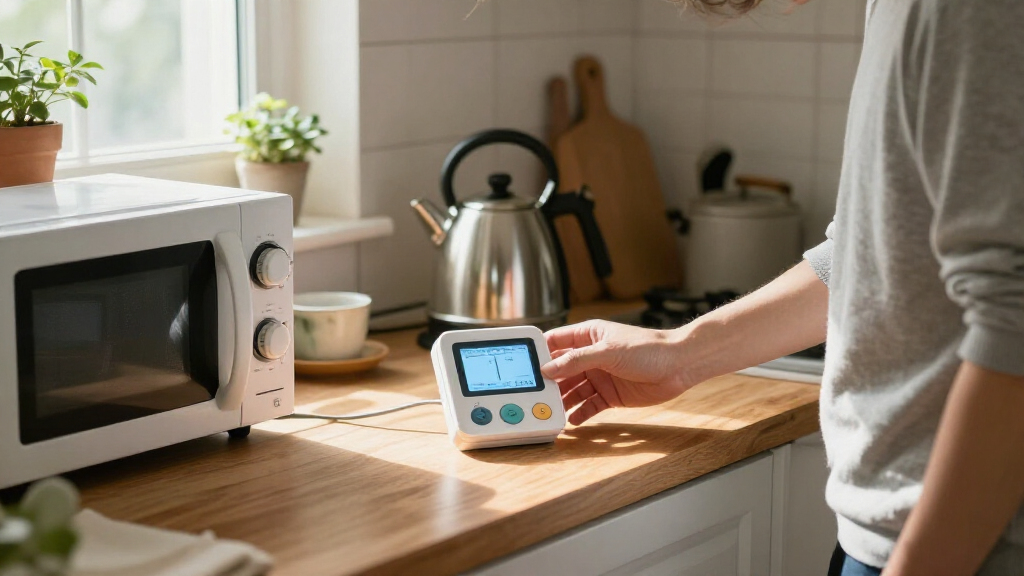

Choosing the right electricity monitor depends largely on whether you need whole-home visibility, circuit-level breakdowns, or simple plug-in tracking. The Emporia Vue 3 stands out as the best overall option for most households due to its balance of easy installation, app reliability, and solar tracking capabilities. For those needing deep circuit granularity without a subscription, the Refoss Smart Home Energy Monitor offers impressive local control and sensor density. Meanwhile, the Aeotec Home Energy Meter 8 remains a strong choice for Z-Wave users seeking robust automation integration. The main tradeoff in this category is between ease of use and data depth: plug-in meters are simple but limited, while hardwired CT clamps offer detailed insights but require careful electrical work. This guide breaks down the top 15 options to help you decide which level of monitoring fits your home and technical comfort.

Get home appliances delivered free with Prime
- Fast, free delivery on millions of items
- Prime Video, Amazon Music and more included
- Member-only deals all year
Complete the kit


Key Takeaways
- Hardwired monitors with CT clamps provide far more accurate whole-home data than plug-in meters, which only track specific outlets.
- Local control features, found in models like the Refoss and Emporia, protect your energy data from internet outages and cloud server changes.
- Circuit-level monitoring requires significantly more installation time and safety precautions than whole-home clamps, but reveals which specific appliances are driving costs.
- Solar and net metering capabilities are becoming standard in higher-end monitors, making them essential for homes with photovoltaic systems.
- Plug-in meters are ideal for renters or temporary checks, but lack the durability and scope for long-term household energy management.
| Aeotec Home Energy Meter 8, Z-Wave Long Range Electricity Monitor with Two 200A Clamps |  | Best for Z-Wave Smart Homes | Model: ZWA046-A | Measuring range: 80–150V; 0–200A | Measurement accuracy: ±0.5% | VIEW LATEST PRICE | See Our Full Breakdown |
| Blindsmart WiFi Home Energy Monitor with 2 × 120A CTs |  | Best for Simple Solar Flow Tracking | Model: SDM02T-TW-120A/IEC-ZM | Electrical configuration: Single-phase, 3-wire | Current transformers: 2 × 120A split-core CTs | VIEW LATEST PRICE | See Our Full Breakdown |
| Refoss Smart Home Energy Monitor with 16 60A Circuit Sensor, Local Control |  | Best for Local Circuit-Level Analytics | Main sensors: 2 sensors, up to 200A | Branch sensors: 16 sensors, up to 60A | Supported configurations: Single-phase, split-phase, and 3-phase 4-wire Wye | VIEW LATEST PRICE | See Our Full Breakdown |
| Siemens Inhab Smart Home Energy Monitor with Circuit-Level Sensors |  | Best for Mainstream Panel-Based Monitoring | Model: INHEM1216 | Main sensors: 2 × 200A CTs | Circuit sensors: 16 × 50A CTs | VIEW LATEST PRICE | See Our Full Breakdown |
| Refoss EM16P Smart Home Energy Monitor with Local Control |  | Best for Home Assistant Integration | Model: EM16P | Main circuit sensors: 2 sensors, 2–200A each | Branch circuit sensors: 16 sensors, 1–60A each | VIEW LATEST PRICE | See Our Full Breakdown |
| Emporia Energy Monitor Bundle with 16 Sensors and 4 Smart Plugs |  | Best Bundle for Mixed Monitoring | Brand: Emporia | Included Components: Energy monitor with 16 sensors; 4 Wi-Fi smart plugs | Circuit Monitoring: Main panel and up to 16 individual circuits | VIEW LATEST PRICE | See Our Full Breakdown |
| BALDR Wi-Fi Home Power Monitor with Smart Socket |  | Best for Small-Scale Plug Monitoring | Brand: BALDR | Model: PM551 | Connectivity: Wi-Fi (2.4GHz only) | VIEW LATEST PRICE | See Our Full Breakdown |
| EMPORIA Vue 3 Home Energy Monitor |  | Best Premium Whole-Home Monitor | Brand: Emporia | Certification: UL Listed | Circuit Sensors: 16 branch (50A) sensors included | VIEW LATEST PRICE | See Our Full Breakdown |
| WiFi Home Energy Monitor with Three 80A CT Clamps |  | Best for Targeted Circuit Monitoring | Manufacturer: Nestool | Model: PW03 | CT Clamps: 3 (80A capacity) | VIEW LATEST PRICE | See Our Full Breakdown |
| Meross Smart Home Energy Monitor with 18-Circuit Monitoring |  | Best for Local Data Storage & Home Assistant | Brand: Meross | Model: EM16 | Circuit Monitoring: 2 main (200A) and 16 branch (60A) | VIEW LATEST PRICE | See Our Full Breakdown |
| Upgraded Watt Meter Power Meter Plug Home Energy Monitor 8 Display Modes |  | Best for Specific Appliance Auditing | Display Modes: 8 (W, kWh, V, Hz, A, PF, Unit Price, Total Cost) | Overload Protection: Default 1800W threshold | Material: Fireproof ABS Plastic | VIEW LATEST PRICE | See Our Full Breakdown |
| Eyedro Smart Home Energy Monitor, 200A, WiFi and Ethernet |  | Best for Solar and Net Metering Integration | Current Sensor Capacity: 200A (x2 included) | Connectivity: 2.4 GHz WiFi or Ethernet | Power Source: AC (6VAC Adapter) | VIEW LATEST PRICE | See Our Full Breakdown |
| SEM-Meter Smart Home Energy Monitor with 16 Circuit Sensors |  | Best for Detailed Circuit-Level Breakdown | Circuit Sensors: 16 x 50A | Connectivity: 2.4 GHz Wi-Fi; MQTT for Local | Supported Systems: Single, Split, Three-Phase (Wye only) | VIEW LATEST PRICE | See Our Full Breakdown |
| KETOTEK Single-Phase DIN Rail Energy Meter, 40–300 V, 100 A |  | Best for Industrial or Workshop DIN-Rail Applications | Voltage Range: AC 40–300 V | Current Range: 0–100 A | Display: Backlit Color LCD | VIEW LATEST PRICE | See Our Full Breakdown |
| Watt Meter Power Meter Plug Home Electricity Usage Monitor 7 Modes Display |  | Best for Adjustable Overload Safety | Display Modes: 7 (W, kWh, V, A, Hz, PF, Cost) | Overload Protection: Adjustable 0–3680W | Viewing Angle: 180° | VIEW LATEST PRICE | See Our Full Breakdown |
| electricity monitor | Connectivity |
|---|---|
| Aeotec Home Energy Meter 8 | Z-Wave Long Range |
| Blindsmart WiFi Home Energy Mo | 2.4 GHz Wi-Fi |
| Refoss Smart Home Energy Monit | — |
| Siemens Inhab Smart Home Energ | Wi-Fi and mobile app |
| Refoss EM16P Smart Home Energy | — |
| Emporia Energy Monitor Bundle | Wi-Fi |
| BALDR Wi-Fi Home Power Monitor | Wi-Fi (2.4GHz only) |
| EMPORIA Vue 3 Home Energy Moni | 2.4 GHz Wi-Fi |
| WiFi Home Energy Monitor with | — |
| Meross Smart Home Energy Monit | — |
| Upgraded Watt Meter Power Mete | — |
| Eyedro Smart Home Energy Monit | 2.4 GHz WiFi or Ethernet |
| SEM-Meter Smart Home Energy Mo | 2.4 GHz Wi-Fi; MQTT for Local |
| KETOTEK Single-Phase DIN Rail | — |
| Watt Meter Power Meter Plug Ho | — |
More Details on Our Top Picks
Aeotec Home Energy Meter 8, Z-Wave Long Range Electricity Monitor with Two 200A Clamps
The Aeotec Home Energy Meter 8 suits buyers who want whole-home readings tied into an existing Z-Wave setup rather than a dedicated circuit-by-circuit audit. Its two 200A clamps can track consumption and production across up to two phases or split phases, so it can cover more electrical configurations than the single-phase Blindsmart monitor. Z-Wave Long Range and S2/AES-128 security are useful for a connected installation where reliable communication and protected data matter. The tradeoff is that Aeotec requires a compatible Z-Wave hub; Blindsmart instead connects over Wi-Fi to the Smart Life app. Its stated 80–150V measuring range also narrows its fit, so I’d check the home’s electrical setup before choosing it. It reports overall flow, not individual branch-circuit usage.
Pros:- Tracks electricity consumption and production in real time
- Two 200A clamps support up to two phases or split phases
- Works with certified Z-Wave hubs, including SmartThings and Home Assistant
- S2 and AES-128 encryption
Cons:- Requires a compatible Z-Wave hub
- Measuring range is limited to 80–150V
- Does not provide branch-circuit monitoring
Best for: Homeowners with a compatible Z-Wave hub who want whole-home consumption and production monitoring across up to two phases.
Not ideal for: Buyers without a certified Z-Wave hub, or anyone seeking individual circuit readings or a monitor with a wider stated voltage range.
- Model:ZWA046-A
- Measuring range:80–150V; 0–200A
- Measurement accuracy:±0.5%
- Supported phases:Up to 2 phases or split phases
- Connectivity:Z-Wave Long Range
- Security:S2 and AES-128 encryption
- Mounting:Clamp mount
- Dimensions:3.48 × 2.14 × 1.5 inches
Our verdict“Choose Aeotec if your home already uses a compatible Z-Wave hub and you want secure, multi-phase whole-home monitoring rather than circuit-level detail.”
Blindsmart WiFi Home Energy Monitor with 2 × 120A CTs
The Blindsmart WiFi Home Energy Monitor is a straightforward fit for buyers who want to see household use alongside solar or battery export in the Smart Life app. Bidirectional readings, alerts, and automation make it more useful for tracking energy flow than a basic whole-home monitor, while dynamic load balancing and zero-export mode add control options for compatible systems. Its two 120A split-core CTs are designed to simplify fitting compared with fixed-core sensors, though panel work may still call for a qualified installer. Compared with the Aeotec Home Energy Meter 8, Blindsmart uses Wi-Fi rather than requiring a Z-Wave hub, but it is restricted to single-phase, three-wire systems. Buyers seeking circuit-by-circuit breakdowns should look instead at the Siemens Inhab or Refoss EM16P.
Pros:- Tracks consumption and bidirectional solar or battery power flow
- Smart Life app provides live data, alerts, and automation
- Split-core CTs and pluggable terminals are designed to simplify installation
- Includes dynamic load balancing and zero-export mode
Cons:- Limited to single-phase, three-wire systems
- App integration requires a 2.4 GHz Wi-Fi connection
- Does not monitor individual branch circuits
Best for: Owners of single-phase, three-wire homes with solar or battery systems who want app-based monitoring and export controls.
Not ideal for: Households with multi-phase wiring, buyers without 2.4 GHz Wi-Fi, or anyone wanting branch-circuit monitoring or local-only data access.
- Model:SDM02T-TW-120A/IEC-ZM
- Electrical configuration:Single-phase, 3-wire
- Current transformers:2 × 120A split-core CTs
- Connectivity:2.4 GHz Wi-Fi
- App compatibility:Smart Life
- Monitored measurements:Voltage, current, power, and total energy
- Monitoring features:Bidirectional monitoring, dynamic load balancing, and zero-export mode
- Power source:Battery powered
Our verdict“Pick Blindsmart for app-based solar-flow monitoring on a compatible single-phase home, but choose Siemens or Refoss for circuit-level visibility.”
Refoss Smart Home Energy Monitor with 16 60A Circuit Sensor, Local Control
The Refoss Smart Home Energy Monitor is the strongest fit here for buyers who want detailed circuit readings without making a cloud account the center of their setup. It monitors up to 16 branch circuits alongside two main sensors, and its Local Web UI, Open API, MQTT, and WebSocket options suit Home Assistant users who want their energy data and automations closer to home. The product information also lists multi-year historical records, CSV export, and alerts, giving it more analysis tools than the Blindsmart monitor, which focuses on single-phase app-based tracking. Refoss’s broad panel and phase support is a plus, but this is a more involved installation than a plug-in meter, and its ±1% accuracy claim is not a reason to expect every low-current reading to be exact. It makes the most sense for technically confident households.
Pros:- Monitors up to 16 branch circuits and two main circuits
- Local Web UI, Open API, MQTT, and WebSocket support
- Integrates with Home Assistant without relying on cloud access
- Supports single-phase, split-phase, and 3-phase 4-wire Wye systems
Cons:- Requires installation in an electrical panel
- The broad feature set may be excessive for buyers who only need whole-home readings
- The product information does not clearly specify every sensor’s low-current accuracy
Best for: Home Assistant users and energy-conscious homeowners who want local control, individual circuit readings, and exportable usage history.
Not ideal for: Renters, buyers who want a simple plug-in monitor, or people unwilling to install sensors in a breaker panel.
- Main sensors:2 sensors, up to 200A
- Branch sensors:16 sensors, up to 60A
- Supported configurations:Single-phase, split-phase, and 3-phase 4-wire Wye
- Accuracy:±1% (as stated in product information)
- Local data access:Local Web UI, Open API, MQTT, and WebSocket
- Home Assistant integration:Supported via Refoss_RPC
- Historical data:Daily data storage for up to 5 years; CSV export
- Certification and warranty:ETL certified; 2-year warranty
Our verdict“Choose this Refoss model if local control and detailed circuit analysis matter more than a simple setup or app-only monitoring.”
Siemens Inhab Smart Home Energy Monitor with Circuit-Level Sensors
The Siemens Inhab is a practical choice for buyers who want main-panel visibility plus individual readings for a substantial number of circuits, with setup and monitoring centered on a mobile app. Its two 200A main sensors and 16 branch sensors give it much the same circuit-monitoring scope as the Refoss EM16P, while its UL listing in the US and Canada may appeal to buyers who prioritize a recognized panel-installed system. Inhab adds alerts and energy-management tools for time-of-use, net metering, excess solar, and compatible load shedding. The tradeoff is less emphasis on local integrations: unlike Refoss, the supplied information does not list an Open API, MQTT, or native Home Assistant support. Installation in the panel is required, and app monitoring is limited to the United States and Canada.
Pros:- Measures whole-home energy use and production at the main panel
- Includes sensors for up to 16 individual circuits
- App supports real-time data, historical usage, and customizable alerts
- Offers net metering, excess solar management, and compatible load shedding
Cons:- Requires installation in an electrical panel
- Mobile app monitoring is limited to the United States and Canada
- Product information does not list local API or MQTT access
Best for: Homeowners in the United States or Canada who want app-based whole-home and branch-circuit monitoring with solar and load-management features.
Not ideal for: Renters, buyers outside its supported regions, or smart-home users who require local APIs and direct Home Assistant integration.
- Model:INHEM1216
- Main sensors:2 × 200A CTs
- Circuit sensors:16 × 50A CTs
- Connectivity:Wi-Fi and mobile app
- Supported regions:United States and Canada
- Certifications:CE marked; UL Listed in the United States and Canada
- Dimensions:1.1 × 5.71 × 2.76 inches
- Weight:4.8 pounds
Our verdict“Choose Siemens Inhab for app-led panel and circuit monitoring with energy-management features, but favor Refoss if local integrations are a priority.”
Refoss EM16P Smart Home Energy Monitor with Local Control
The Refoss EM16P gives Home Assistant households a direct route to main and branch-circuit data, with local access through its web interface, Open API, and MQTT. Its two main sensors and 16 branch sensors cover the same broad circuit count as the Siemens Inhab, but Refoss puts more emphasis on local integrations and data access than on app-led management. Up to five years of exportable history and circuit alerts help buyers spot changing usage patterns without depending on a cloud service. There is a measurement caveat: accuracy is listed as ±1%, rising to ±2% at low current, so very small loads may be less precisely reported. Like the Siemens and larger Refoss monitor, this unit needs a home-panel installation; it is not the right pick for renters or anyone seeking a quick plug-in reading.
Pros:- Native Home Assistant integration with Open API and MQTT
- Monitors two main circuits and up to 16 branch circuits
- Local web access avoids dependence on cloud services
- Provides up to five years of exportable historical data
Cons:- Requires installation in a home circuit panel
- Accuracy is listed as ±2% at low current
- May be more involved than needed for buyers seeking only whole-home readings
Best for: Home Assistant users who want local access to readings from main and branch circuits, plus exportable historical data.
Not ideal for: Renters, buyers looking for a plug-in meter, or households where precise low-current readings are a priority.
- Model:EM16P
- Main circuit sensors:2 sensors, 2–200A each
- Branch circuit sensors:16 sensors, 1–60A each
- Accuracy:±1%; ±2% at low current
- Data access:Built-in Web UI, Open API, and MQTT
- Home Assistant integration:Native
- Historical data storage:Up to 5 years
- Certification and installation:ETL certified; compliant with UL 61010; clamp-on installation
Our verdict“Pick the EM16P for local Home Assistant circuit monitoring and long-term data export, but skip it if low-current precision or simple installation is your priority.”
Emporia Energy Monitor Bundle with 16 Sensors and 4 Smart Plugs
This bundle stands out by combining whole-home circuit monitoring with plug-level device tracking in a single purchase. Unlike the Meross Smart Home Energy Monitor, which focuses strictly on panel-level data, this kit includes four Wi-Fi smart plugs, allowing you to isolate specific appliances like refrigerators or gaming consoles without installing extra sensors. The integration with the Emporia app provides a unified dashboard for both hardwired and plug-in loads. However, the reliance on cloud storage means you cannot access historical data without an internet connection, a limitation shared by many modern Wi-Fi monitors. It is an excellent choice for those who want a hybrid approach to energy tracking without buying separate ecosystems.
Pros:- Combines panel monitoring with plug-level device tracking
- Includes four smart plugs for immediate appliance isolation
- Supports solar net metering and time-of-use programs
- Unified app interface for both hardwired and plug-in sensors
Cons:- Data storage is cloud-dependent, limiting offline access
- Requires stable Wi-Fi for all components to function
- Smart plugs add to the initial cost compared to panel-only kits
Best for: Homeowners who want to monitor both fixed circuits and specific plug-in appliances in one unified system.
Not ideal for: Users seeking offline data access or those who prefer not to store energy usage data on cloud servers.
- Brand:Emporia
- Included Components:Energy monitor with 16 sensors; 4 Wi-Fi smart plugs
- Circuit Monitoring:Main panel and up to 16 individual circuits
- Connectivity:Wi-Fi
- App Compatibility:iOS and Android
- Data Storage:Cloud
- Smart Plug Count:4
Our verdict“A versatile kit for users who need to track both main circuits and specific plug-in devices without managing multiple apps.”
BALDR Wi-Fi Home Power Monitor with Smart Socket
The BALDR Wi-Fi Home Power Monitor is designed for users who want to track individual outlets rather than the entire electrical panel. Compared to the Emporia Vue 3, which requires installation inside the breaker box, this system is entirely plug-and-play, making it accessible for renters or those uncomfortable with electrical work. It supports up to nine smart sockets, allowing for detailed monitoring of specific appliances. However, the system is limited to 2.4GHz Wi-Fi networks, which can be a hurdle for homes on modern 5GHz-only routers. While it lacks the deep circuit-level insight of hardwired monitors, it offers a low-barrier entry into energy tracking for specific high-draw devices.
Pros:- No electrical panel installation required
- Expandable to nine sockets for detailed appliance tracking
- Compact design does not block adjacent outlets
- Real-time voltage and current monitoring via app
Cons:- Limited to 2.4GHz Wi-Fi networks only
- Additional sockets are sold separately
- Cannot monitor fixed circuits like HVAC or lighting
Best for: Renters or beginners who want to monitor specific appliances via plug-in sockets without installing sensors in the breaker panel.
Not ideal for: Users needing whole-home visibility or those with 5GHz-only Wi-Fi networks, as it lacks 2.4GHz support.
- Brand:BALDR
- Model:PM551
- Connectivity:Wi-Fi (2.4GHz only)
- Included Components:Power Meter Hub, One Smart Socket
- Max Expandability:Up to 9 smart sockets
- Connector Type:Plug-In
- Material:Copper
Our verdict“An accessible, non-invasive monitoring solution for tracking specific plug-in appliances without touching the breaker panel.”
EMPORIA Vue 3 Home Energy Monitor
The EMPORIA Vue 3 sets the standard for comprehensive home energy monitoring with its UL-certified safety and support for complex electrical systems. Unlike the BALDR Wi-Fi Home Power Monitor, which is limited to plug-in devices, the Vue 3 provides deep visibility into every circuit, including HVAC and solar production. Its ability to handle net metering makes it ideal for homeowners with renewable energy systems. The accuracy is rated at ±2%, and the app provides detailed historical data. However, the cloud-based nature of the data retention means minute-level data is only kept for seven days unless exported. Installation requires working inside the electrical panel, which is not suitable for those without electrical experience or a professional installer.
Pros:- UL-certified for safety and reliability
- Supports solar net metering and time-of-use rates
- Monitors up to 16 circuits with high accuracy
- App provides automated energy management features
Cons:- Requires professional or skilled DIY installation in panel
- Cloud dependency for data storage and access
- Minute-level data retention is limited to 7 days
Best for: Homeowners with solar systems or complex electrical setups who need certified, high-precision circuit-level monitoring.
Not ideal for: DIY beginners or renters, as it requires hardwired installation inside the main electrical panel.
- Brand:Emporia
- Certification:UL Listed
- Circuit Sensors:16 branch (50A) sensors included
- Accuracy:±2%
- Connectivity:2.4 GHz Wi-Fi
- Warranty:1 Year
- System Support:Single phase, Split phase, 3-wire systems
Our verdict“The definitive choice for serious energy management, offering certified safety and detailed insights for complex home systems.”
WiFi Home Energy Monitor with Three 80A CT Clamps
This WiFi Home Energy Monitor offers a focused approach by monitoring three specific circuits rather than the entire panel. Compared to the Meross Smart Home Energy Monitor, which tracks up to 16 branch circuits, this device is simpler and more affordable for users who only care about their biggest energy consumers, like the AC or water heater. The inclusion of a temperature sensor with alerts above 50°C is a practical safety feature that many competitors lack. However, the remote on/off control is limited to a single circuit and up to 15A, which restricts its utility for automation. Installation requires hardwiring into the electrical panel, so it is not a plug-and-play solution.
Pros:- Monitors three specific circuits with 80A capacity
- Includes temperature sensor with 50°C alert threshold
- Supports remote on/off control for one circuit
- Compact size fits easily in crowded panels
Cons:- Hardwired installation required in electrical panel
- Remote control limited to one circuit and 15A
- Only compatible with 2.4GHz Wi-Fi networks
Best for: Users who want to monitor three specific high-load circuits and require temperature alerts for safety.
Not ideal for: Those seeking whole-home visibility or extensive automation capabilities, as it only monitors three circuits.
- Manufacturer:Nestool
- Model:PW03
- CT Clamps:3 (80A capacity)
- WiFi:2.4GHz
- App Compatibility:Smart Life, Tuya
- Temperature Alert:Above 50°C
- Remote Control:1 circuit, up to 15A
- Input Voltage:AC 100–240V
Our verdict“A targeted monitoring solution for users who need to track specific high-draw appliances with added temperature safety alerts.”
Meross Smart Home Energy Monitor with 18-Circuit Monitoring
The Meross Smart Home Energy Monitor distinguishes itself with local data storage and robust Home Assistant compatibility. Unlike the Emporia Vue 3, which relies on cloud servers for data retention, Meross stores up to five years of data locally, ensuring privacy and offline access. This is a significant advantage for tech-savvy users who want to integrate energy data into a broader smart home automation hub. The ETL certification and support for various US wiring configurations make it versatile. However, it does not support Delta electrical systems, a limitation that excludes some older or specific commercial setups. The open API and web control features further enhance its appeal for power users who want full control over their data.
Pros:- Local data storage for up to 5 years
- Native Home Assistant integration and open API
- ETL-certified with 2-year warranty
- Monitors 2 main and 16 branch circuits
Cons:- Does not support Delta electrical systems
- Requires local network for full data access
- Setup may be complex for non-technical users
Best for: Smart home enthusiasts using Home Assistant who prioritize local data storage and privacy over cloud services.
Not ideal for: Homes with Delta electrical systems or users who prefer a simple, app-only experience without local server setup.
- Brand:Meross
- Model:EM16
- Circuit Monitoring:2 main (200A) and 16 branch (60A)
- Data Storage:Up to 5 years locally
- Compatibility:Home Assistant, Solar Surplus Detection
- Certification:ETL-certified
- Warranty:2 Years
- System Support:Single-phase, Split-phase, 3-phase Wye (no Delta)
Our verdict“The top choice for privacy-conscious smart home users who need local data access and deep integration with Home Assistant.”
Upgraded Watt Meter Power Meter Plug Home Energy Monitor 8 Display Modes
This plug-in monitor stands out for its granular data access without requiring a network setup. Unlike the SEM-Meter Smart Home Energy Monitor, which demands Wi-Fi configuration and app integration, this device offers immediate, standalone readings across eight modes, including voltage, current, and cumulative cost. The overload protection feature is a significant safety advantage, flashing warnings if usage exceeds the default 1800W threshold, which is particularly useful when testing high-draw appliances like space heaters or AC units. However, its utility is limited to single devices at a time. While the Eyedro Smart Home Energy Monitor provides whole-home visibility via cloud access, this plug-in option requires you to manually move it between outlets to audit different circuits, making it less convenient for continuous, comprehensive household tracking.
Pros:- Displays eight distinct metrics including voltage, frequency, and power factor
- Built-in overload protection warns users before potential safety hazards
- Memory function retains cumulative data even after power loss or unplugging
- No Wi-Fi or app setup required for immediate use
Cons:- Monitors only one appliance at a time
- Backlight turns off after 10 minutes, requiring a button press to reactivate
- Lacks remote monitoring capabilities or smartphone notifications
Best for: Homeowners who want to identify the energy consumption of specific high-wattage appliances without dealing with smart home integration or network settings.
Not ideal for: Users seeking real-time, whole-home monitoring or those who want to track multiple circuits simultaneously without physically moving the device.
- Display Modes:8 (W, kWh, V, Hz, A, PF, Unit Price, Total Cost)
- Overload Protection:Default 1800W threshold
- Material:Fireproof ABS Plastic
- Power Source:AC Mains
- Reset Method:Hold ‘M’ button for 5 seconds
- Backlight:White LED with auto-off feature
Our verdict“This is the ideal tool for spot-checking individual appliances, but it falls short for those needing continuous, whole-home energy visibility.”
Eyedro Smart Home Energy Monitor, 200A, WiFi and Ethernet
The Eyedro Smart Home Energy Monitor distinguishes itself by offering directional current sensors that can distinguish between grid consumption and solar generation. This capability sets it apart from the SEM-Meter Smart Home Energy Monitor, which, while offering more circuit sensors, may require more complex setup for solar tracking depending on the configuration. The Eyedro unit’s support for both 2.4 GHz WiFi and Ethernet ensures connectivity flexibility, a feature not all competitors prioritize equally. A key tradeoff is its single-stream limitation; it cannot simultaneously monitor grid usage and solar production on one unit, meaning homeowners with both systems might need to purchase two units or compromise on one data stream. However, the no-subscription cloud access makes it a financially attractive option for long-term monitoring compared to services that charge for historical data retention.
Pros:- Includes two 200A directional sensors for accurate bidirectional measurement
- Supports both WiFi and wired Ethernet for reliable connectivity
- Cloud access via MyEyedro with no recurring subscription fees
- Compact form factor fits easily into electrical panels
Cons:- Cannot monitor grid energy and solar generation at the same time
- Requires two separate units for simultaneous grid and solar tracking
- Limited to 2.4 GHz WiFi, which may be congested in some homes
Best for: Homeowners with solar panels or net metering setups who need to distinguish between imported grid energy and exported solar production.
Not ideal for: Users who need to monitor grid consumption and solar generation simultaneously on a single device, as the hardware restricts this to one mode at a time.
- Current Sensor Capacity:200A (x2 included)
- Connectivity:2.4 GHz WiFi or Ethernet
- Power Source:AC (6VAC Adapter)
- Cloud Access:MyEyedro Cloud (No Subscription)
- Monitoring Modes:Grid, Solar, or Net Metering (One at a time)
- Dimensions:8 x 8 x 3 inches
Our verdict“A strong choice for solar users who value subscription-free cloud access, provided they accept the single-monitoring-stream limitation.”
SEM-Meter Smart Home Energy Monitor with 16 Circuit Sensors
For those who want to see exactly which circuit is spiking in usage, the SEM-Meter offers an impressive 16-sensor capacity. This level of granularity far exceeds the Eyedro Smart Home Energy Monitor, which focuses on whole-home aggregate data rather than individual circuit breakdowns. The SEM-Meter’s support for MQTT and Home Assistant is a major draw for tech-savvy users who prefer local control and privacy, avoiding cloud dependencies entirely. However, this flexibility comes with complexity; unlike the plug-and-play nature of the Upgraded Watt Meter, the SEM-Meter requires significant technical knowledge to configure, especially for local monitoring. The exclusion of Delta three-phase systems also limits its applicability in certain commercial or specialized residential setups, making it less versatile than some industrial-grade alternatives.
Pros:- Monitors up to 16 individual circuits simultaneously
- Supports local MQTT integration for Home Assistant users
- High accuracy rated at 1% for precise billing verification
- No cloud subscription required for local data storage
Cons:- Does not support Delta three-phase systems
- Local monitoring requires Home Assistant setup and MQTT knowledge
- Some panel configurations require additional flexible sensors
Best for: Tech-savvy homeowners and DIY enthusiasts who want granular, circuit-by-circuit data and prefer local control via Home Assistant without cloud reliance.
Not ideal for: Users without a smart home hub or technical networking knowledge, as the local monitoring setup is complex and non-standard for average consumers.
- Circuit Sensors:16 x 50A
- Connectivity:2.4 GHz Wi-Fi; MQTT for Local
- Supported Systems:Single, Split, Three-Phase (Wye only)
- Accuracy:1%
- Data History:90-day hourly; permanent daily/monthly/yearly
- Weight:4.03 pounds
Our verdict“The ultimate choice for detailed circuit analysis and local automation, but it demands technical expertise to unlock its full potential.”
KETOTEK Single-Phase DIN Rail Energy Meter, 40–300 V, 100 A
The KETOTEK DIN Rail Meter is designed for fixed installations where space is limited and reliability is paramount. Unlike the plug-in Upgraded Watt Meter, which is temporary and portable, this unit mounts permanently onto a DIN rail, making it ideal for workshops, server racks, or sub-panels. Its color LCD display offers superior readability compared to the monochrome screens found on many budget competitors, and it can measure non-standard sine waves from inverters, a feature critical for renewable energy setups or variable frequency drives. However, it lacks smart connectivity; there is no WiFi, Bluetooth, or app integration, meaning all data must be read physically on-site. This makes it less convenient than the SEM-Meter for users who want remote alerts or historical data logging on their phones.
Pros:- Mounts directly to DIN rails for permanent, space-saving installation
- Displays six key electrical parameters on a backlit color screen
- Capable of measuring distorted waveforms from inverters
- High voltage range (40–300V) supports diverse electrical systems
Cons:- No wireless connectivity or smartphone app support
- Requires professional hardwiring for installation
- Limited to single-phase monitoring only
Best for: Electricians, engineers, or hobbyists who need a permanent, high-accuracy monitor for specific sub-panels or workshop equipment without needing remote access.
Not ideal for: Homeowners looking for smartphone integration, remote monitoring, or easy plug-and-play installation, as this requires hardwiring and manual data reading.
- Voltage Range:AC 40–300 V
- Current Range:0–100 A
- Display:Backlit Color LCD
- Measurement Accuracy:0.01
- Power Source:Electricity
- Dimensions:2.13 x 2.52 x 3.15 inches
Our verdict“A robust, professional-grade meter for fixed installations, but its lack of smart features makes it unsuitable for modern smart-home enthusiasts.”
Watt Meter Power Meter Plug Home Electricity Usage Monitor 7 Modes Display
This plug-in monitor competes directly with the Upgraded Watt Meter, but it offers a distinct advantage in adjustable overload protection. While the Upgraded model has a fixed or default threshold, this unit allows users to customize the warning limit from 0 to 3680W, providing greater flexibility for different appliance types. The 180° wide viewing angle is another practical benefit, making it easier to read data when mounted in awkward positions, such as behind furniture or on a side table. However, like its competitor, it remains a single-appliance tool. It lacks the whole-home scope of the Eyedro Smart Home Energy Monitor and the circuit-level detail of the SEM-Meter. The inclusion of minimum and maximum power tracking is useful for diagnosing intermittent faults, but the interface can feel cluttered with seven modes compared to more streamlined options.
Pros:- Adjustable overload protection threshold (0–3680W)
- 180° wide viewing angle for easy reading from any position
- Tracks minimum and maximum power spikes for diagnostics
- Configurable backlight duration options
Cons:- Seven display modes may be overwhelming for casual users
- No smart connectivity or remote access capabilities
- Default overload setting requires manual adjustment for some appliances
Best for: Users who need to monitor a variety of appliances with different power thresholds and require customizable safety alerts.
Not ideal for: People who want a simple, one-click interface or those needing to monitor multiple devices at once, as the seven-mode cycling can be tedious.
- Display Modes:7 (W, kWh, V, A, Hz, PF, Cost)
- Overload Protection:Adjustable 0–3680W
- Viewing Angle:180°
- Backlight Options:5 durations (10min to Always On)
- Max Power Tracking:Yes (Min/Max W)
- Warranty:UL Listed
Our verdict“A versatile plug-in monitor with superior safety customization, ideal for users who audit multiple appliances with varying power needs.”
How We Picked
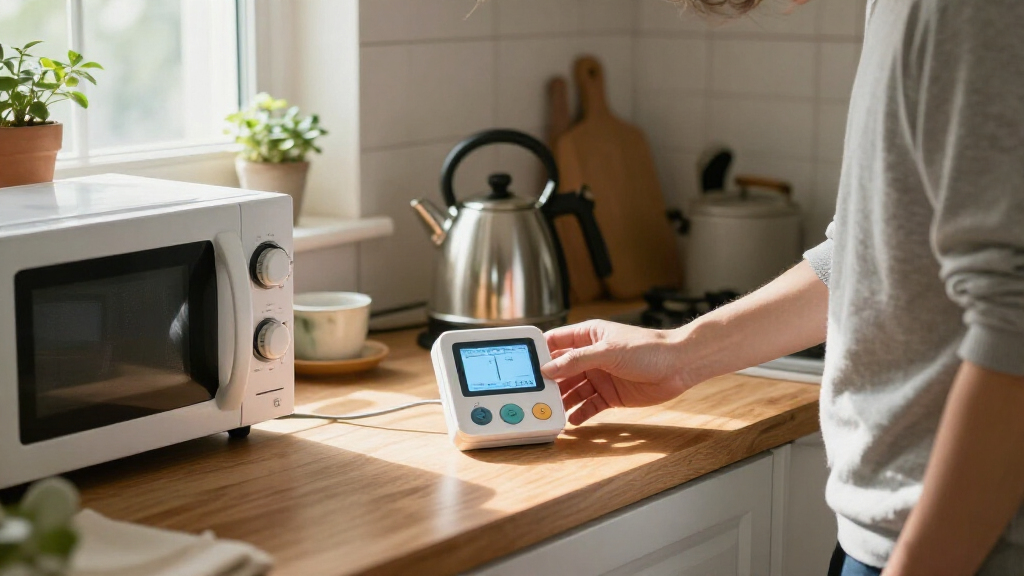
I evaluated these monitors based on installation complexity, data accuracy, and app usability. Since electricity monitoring involves interacting with your home’s electrical panel, I prioritized devices with clear safety certifications and straightforward wiring diagrams. Products that required specialized tools or posed higher risks for DIY installation were ranked lower unless they offered exceptional features like local data storage or extensive circuit coverage. I also weighed the value of local control versus cloud dependency, favoring monitors that allow users to access data even without an internet connection.
Another major factor was integration ecosystem. A monitor is most useful if it connects with existing smart home platforms like Home Assistant, Z-Wave, or Zigbee. I compared sensor capacity, noting that some devices offer up to 16 circuits while others are limited to whole-home or single-circuit monitoring. Finally, I considered long-term viability, looking at manufacturer reputation and firmware update history to avoid devices that might become obsolete or unsupported within a few years.
Factors to Consider When Choosing Best Electricity Monitors
Selecting an electricity monitor isn’t just about picking the most expensive device; it is about matching the tool to your specific electrical setup and goals. The following factors will help you narrow down the field from general interest to a specific, useful purchase.
Whole-Home vs. Circuit-Level Monitoring
Most buyers underestimate the complexity of circuit-level monitoring. While a whole-home monitor gives you a single number for total usage, circuit-level monitors require individual Current Transformers (CTs) clamped around each wire in your breaker box. This installation takes significantly longer and demands greater care to avoid short circuits. However, the payoff is knowing exactly which appliance—like an old refrigerator or a gaming PC—is consuming power. If you are comfortable working with electrical panels, circuit-level data is invaluable. If you prefer a quick setup, stick to whole-home clamps or plug-in meters, accepting that you will only see aggregate data.
Local Control vs. Cloud Dependency
A critical distinction in modern energy monitors is where the data is processed. Cloud-dependent devices send data to a manufacturer’s server for processing, which can lead to privacy concerns or service interruptions if the company changes its business model. In contrast, devices with local control process data on the device itself or on your local network, allowing access via APIs and local dashboards even if your internet goes down. For tech-savvy users integrating with Home Assistant or other local hubs, local control is a major advantage. Casual users might prefer the simplicity of a cloud app, but they risk losing access to their historical data if the vendor discontinues support.
Solar and Net Metering Capabilities
If you have a solar panel system, a standard electricity monitor may give misleading results. You need a device specifically designed for net metering, which tracks both the power drawn from the grid and the power sent back to it. Not all monitors support bidirectional energy flow measurement accurately. Some devices require separate clamps for the grid and the solar inverter to calculate true net usage. Before purchasing, verify that the monitor supports your specific inverter type or offers dual-clamp configurations. Ignoring this feature can result in incorrect savings calculations and a lack of insight into your solar system’s actual performance.
Connectivity Standards: WiFi vs. Z-Wave vs. Zigbee
The communication protocol affects both installation and smart home compatibility. WiFi monitors are common and easy to set up but can congest your 2.4GHz network if you have many devices. Z-Wave and Zigbee monitors create a mesh network, which can improve reliability and range, but they require a compatible hub. For users already invested in a specific ecosystem, choosing a native protocol avoids the latency and instability of bridging devices. Additionally, WiFi devices may drop connections during router reboots, whereas Z-Wave devices often reconnect automatically. Consider your existing smart home infrastructure before committing to a protocol that requires new hardware.
Installation Safety and Electrical Comfort
Working inside a breaker box is inherently dangerous. Hardwired monitors require you to turn off the main power and work near live components if you are not careful. If you are not experienced with electrical work, hiring a licensed electrician for installation is a wise investment, adding to the total cost. Some monitors, like the Watt Meter plugs, eliminate this risk entirely by plugging into standard outlets. However, these plug-in options cannot monitor hardwired appliances like HVAC units or water heaters. Assess your skill level honestly; a monitor you are afraid to install is a monitor that sits in a box.
Frequently Asked Questions
Can I install an electricity monitor myself if I have no electrical experience?
While some monitors are marketed as DIY-friendly, installing CT clamps inside a breaker panel involves working with high-amperage circuits, which poses a serious risk of shock or arc flash if handled incorrectly. I strongly recommend hiring a licensed electrician for hardwired monitors unless you have prior experience working with residential electrical panels. If you lack this experience, consider starting with a plug-in energy monitor to learn your habits without touching the main panel. Once you are comfortable with the data, you can upgrade to a whole-home system with professional installation.
Do electricity monitors require a monthly subscription fee?
Most modern electricity monitors do not require a subscription for basic data logging and app access. Manufacturers like Emporia and Refoss typically offer free apps with historical data storage for several years. However, some brands may charge for advanced features like long-term data export, premium dashboards, or extended cloud storage. Always check the fine print regarding data retention policies before buying. Devices with local control often provide the most freedom, as they allow you to store data on your own server or NAS without ongoing costs.
How accurate are smart electricity monitors compared to the utility meter?
Consumer-grade electricity monitors are generally accurate within 1-2% for whole-home measurements, which is sufficient for tracking trends and identifying high-consumption appliances. They are not calibrated to the strict legal standards of utility meters, so you should not expect them to match your bill to the penny. Small discrepancies can arise from power factor issues or harmonic distortion from electronics. For most homeowners, the value lies in relative changes and circuit-level insights rather than absolute billing precision. Use them as diagnostic tools, not billing verification tools.
Can I use multiple electricity monitors in one home?
Yes, you can use multiple monitors, but this approach requires careful planning to avoid data conflicts or network congestion. For example, you might use a whole-home monitor for total usage and plug-in meters for specific high-draw devices like an EV charger. If you use multiple hardwired monitors, ensure they do not double-count the same circuits. Integrating data from multiple devices into a single dashboard like Home Assistant can provide a more comprehensive view, but it increases the complexity of your setup. Start with one robust system before adding more devices.
What happens to my data if the WiFi goes down?
The fate of your data depends on whether the monitor has local storage. Devices with local control and onboard memory will continue to collect data and buffer it until the connection is restored, preventing data loss. Cloud-dependent devices may lose data during the outage if they do not have local buffering capabilities. After the internet returns, some devices sync the buffered data, while others discard it. If data continuity is important to you, prioritize monitors that emphasize local processing and storage, or ensure your router has a backup power source.
Conclusion
Choosing the right electricity monitor ultimately depends on your technical comfort level and what you hope to achieve. For most homeowners seeking a balance of accuracy and ease, the Emporia Vue 3 is the best overall choice due to its robust app and solar support. If you prioritize privacy and local integration, the Refoss Smart Home Energy Monitor stands out for its local control features. For beginners or renters who cannot modify their electrical panel, the Watt Meter Power Meter Plug offers a safe, simple entry point into energy tracking. If you are deeply embedded in a Z-Wave ecosystem, the Aeotec Home Energy Meter 8 provides seamless automation integration. Evaluate your need for circuit-level detail versus whole-home simplicity, and choose the monitor that aligns with your installation skills and smart home goals.
Black Friday Picks

Bose TV Speaker Compact Soundbar with Bluetooth and HDMI-ARC, Black
As an affiliate, we earn on qualifying purchases.