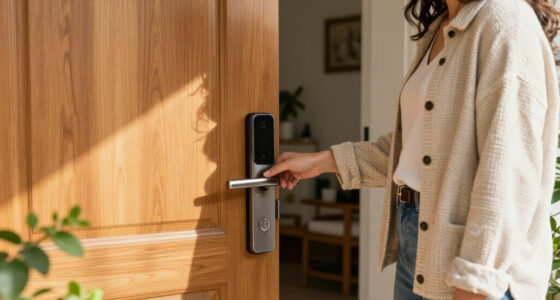

The best home automation hub for most homes is the Aeotec Smart Home Hub with SmartThings, which balances broad device support with familiar app-based control. I’d also shortlist the Homey Pro for households mixing brands and protocols, and Home Assistant Green for people who want more control over local automations. The main tradeoff is between easy setup and flexibility: compact brand-specific bridges are simpler, while multi-protocol hubs can reduce fragmentation but ask more of the buyer. Matter support alone does not guarantee that every device feature will work across ecosystems. Read on for the full comparison and a guide to matching a hub to your devices and comfort with setup.

Get home appliances delivered free — and shop member deals
- Fast, free delivery on millions of items
- Access to Prime Big Deal Days deals on October 6–7
- Prime Video, Amazon Music and more included
Complete the kit


Key Takeaways
- Aeotec Smart amazon.com/dp/B0CXVKSG19?tag=theintellihome-20&ascsubtag=dc-1138874″ target=”_blank” rel=”nofollow sponsored noopener”>Home Hub leads as a balanced choice because it combines SmartThings with Zigbee, Z-Wave, and Matter support; the Aeotec Smart Home Hub2 V4 drops Z-Wave, so model differences matter.
- Homey Pro suits mixed-brand homes that need broad protocol coverage, while Home Assistant Green better fits buyers who value local control and are willing to do more configuration.
- Lutron Caseta, YoLink, and Tapo H100 are more focused picks: their strengths are tied to particular lighting, sensor, or accessory ecosystems rather than universal device coverage.
- Several inexpensive-looking bridges, including the Tuya and MOES options, are best judged by compatibility with the devices already in the home, not by the number of protocols named on the box.
- A smart display such as the Amazon Echo Hub can make control more accessible, but a screen is not a substitute for checking automation depth, device support, and local operation.
| Tuya Zigbee 3.0 and Bluetooth Mesh Smart Home Gateway |  | Best for Tuya and Smart Life Setups | Protocols: Zigbee 3.0 and Bluetooth Mesh (SIG) | Network: 2.4 GHz | App compatibility: Tuya Smart and Smart Life | VIEW LATEST PRICE | See Our Full Breakdown |
| Samsung SmartThings Hub 3rd Generation, White |  | Best for Multi-Protocol SmartThings Setups | Model: GP-U999SJVLGDA | Connectivity: Zigbee, Z-Wave, and cloud-to-cloud protocols | Compatible assistants: Amazon Alexa and Google Home | VIEW LATEST PRICE | See Our Full Breakdown |
| Aeotec Smart Home Hub with SmartThings, Z-Wave, Zigbee, and Matter |  | Best for SmartThings with Matter Support | Model: V3 Smart Home Hub (2020), GP-AEOHUBV3US | Connectivity: Ethernet, Wi-Fi, Z-Wave, Zigbee, and Matter | Frequency: 908.42 MHz | VIEW LATEST PRICE | See Our Full Breakdown |
| YoLink Smart Home Hub (YS1603) |  | Best for YoLink Device Owners | Product name: YoLink Smart Home Hub | Model: YS1603 | VIEW LATEST PRICE | See Our Full Breakdown | |
| Aqara Smart Home Hub M3 with Matter, Zigbee, Thread, and IR Control |  | Best Premium Multi-Protocol Hub | Model: HM-G01E | Connectivity: Zigbee, Thread, Bluetooth, dual-band Wi-Fi, PoE, and USB-C | Wi-Fi bands: 2.4 GHz and 5 GHz | VIEW LATEST PRICE | See Our Full Breakdown |
| Tapo Smart Hub H100 with Built-in Chime | 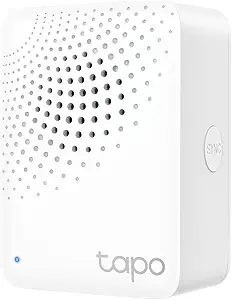 | Best for Tapo Sensors and Alerts | Model: H100 | Wi-Fi: 2.4GHz | Maximum devices: Up to 64 | VIEW LATEST PRICE | See Our Full Breakdown |
| Lutron Caseta Smart Hub |  | Best for Caséta Lighting | Device capacity: Up to 75 Caséta devices | Connectivity: Clear Connect Technology | Installation: Plug into an outlet and configure with the Lutron app | VIEW LATEST PRICE | See Our Full Breakdown |
| Homey Pro Smart Home Hub (2023) |  | Best for Mixed-Protocol Homes | Model year: 2023 | Protocols: Wi-Fi, Zigbee, Z-Wave Plus, infrared, BLE, Matter, Thread | Processing: Local/on-premise | VIEW LATEST PRICE | See Our Full Breakdown |
| MOES Tuya ZigBee 3.0 Hub and Wired Gateway |  | Best for a Basic Tuya Zigbee Bridge | Brand: MOES | Connectivity: Zigbee 3.0 | Product type: Wired gateway and smart-home bridge | VIEW LATEST PRICE | See Our Full Breakdown |
| Aeotec Smart Home Hub2 V4 – Works as a SmartThings Hub, Zigbee, Matter Gateway, Compatible with Alexa, Google Assistant, WiFi (No Z‑Wave) |  | Best for SmartThings with Matter and Zigbee | Hub version: V4 | Supported protocols: Matter, Zigbee | Z-Wave: Not supported | VIEW LATEST PRICE | See Our Full Breakdown |
| Hubitat Elevation C-8 Pro Smart Home Hub |  | Best for Advanced Local Automations | Protocols: Matter 1.5, Z-Wave 800 Series with Long Range, Zigbee 3.0, Bluetooth | Voice assistant compatibility: Amazon Alexa, Google Home, Apple HomeKit | Device compatibility: 1,000+ devices across 100+ brands | VIEW LATEST PRICE | See Our Full Breakdown |
| Aqara Smart Hub M100 Matter Controller |  | Best Compact Aqara-to-Matter Bridge | Protocols: Matter, Thread, Aqara Zigbee | Device capacity: 20 Aqara Zigbee devices and 20 Thread devices | Connectivity: 2.4GHz Wi-Fi 6 | VIEW LATEST PRICE | See Our Full Breakdown |
| Home Assistant Green Smart Home Hub |  | Best for Home Assistant Beginners | Operating system: Home Assistant OS | Processor: Quad-core | Memory: 4 GB LPDDR4X | VIEW LATEST PRICE | See Our Full Breakdown |
| SONOFF Bridge Max Smart Home Hub (Bridge-M) |  | Best for SONOFF and Third-Party Zigbee | Connectivity: Wi-Fi, Ethernet, Zigbee | Protocols: IEEE 802.11a/b/g/n/ac/ax, IEEE 802.15.4 | Compatible platforms: Alexa, Google Home, Apple Home, Home Assistant | VIEW LATEST PRICE | See Our Full Breakdown |
| Amazon Echo Hub 8-Inch Smart Home Control Panel |  | Best for a Wall-Mounted Control Panel | Screen size: 8 inches | Connectivity: Wi-Fi, Bluetooth, Zigbee, Matter, Sidewalk, Thread | Mounting: Wall mount; compatible with separately sold tabletop stands | VIEW LATEST PRICE | See Our Full Breakdown |
| home automation hub | Connectivity |
|---|---|
| Tuya Zigbee 3.0 and Bluetooth | — |
| Samsung SmartThings Hub 3rd Ge | Zigbee, Z-Wave, and cloud-to-cloud protocols |
| Aeotec Smart Home Hub with Sma | Ethernet, Wi-Fi, Z-Wave, Zigbee, and Matter |
| YoLink Smart Home Hub | — |
| Aqara Smart Home Hub M3 with M | Zigbee, Thread, Bluetooth, dual-band Wi-Fi, PoE, and USB-C |
| Tapo Smart Hub H100 with Built | — |
| Lutron Caseta Smart Hub | Clear Connect Technology |
| Homey Pro Smart Home Hub | — |
| MOES Tuya ZigBee 3.0 Hub and W | Zigbee 3.0 |
| Aeotec Smart Home Hub2 V4 | Wi-Fi, Ethernet |
| Hubitat Elevation C-8 Pro Smar | — |
| Aqara Smart Hub M100 Matter Co | 2.4GHz Wi-Fi 6 |
| Home Assistant Green Smart Hom | Ethernet, USB, Bluetooth |
| SONOFF Bridge Max Smart Home H | Wi-Fi, Ethernet, Zigbee |
| Amazon Echo Hub 8-Inch Smart H | Wi-Fi, Bluetooth, Zigbee, Matter, Sidewalk, Thread |
More Details on Our Top Picks
Tuya Zigbee 3.0 and Bluetooth Mesh Smart Home Gateway
I’d choose this gateway when a home already relies on Tuya Smart or Smart Life products and needs one compact bridge for both Zigbee 3.0 and Bluetooth Mesh. Its stated capacity of up to 128 devices gives a compatible setup room to grow, while app control, grouping, voice commands, and automations help those devices work together rather than remain separate controls. Compared with the Aeotec Smart Home Hub, it is more narrowly focused: Aeotec lists broader platform and protocol support, while this gateway is tied to Tuya and Smart Life devices. That restriction is its main tradeoff, not a minor compatibility detail. It also needs a 2.4 GHz network, so buyers with a network setup that cannot provide that band should look elsewhere. I’d rank it as a practical ecosystem-specific pick, not a universal hub.
Pros:- Bridges compatible Zigbee 3.0 and Bluetooth Mesh devices
- Supports remote app control, device grouping, and automations
- Works with Amazon Alexa and Google Home voice control
- Stated capacity of up to 128 devices
Cons:- Compatibility is limited to Tuya and Smart Life devices
- Requires a 2.4 GHz network
Best for: Households already using Tuya Smart or Smart Life Zigbee and Bluetooth Mesh devices that want app, voice, and automation control in one gateway.
Not ideal for: Buyers mixing devices from many brands or seeking broad Z-Wave, Thread, or Matter support; compatibility is limited to Tuya and Smart Life devices.
- Protocols:Zigbee 3.0 and Bluetooth Mesh (SIG)
- Network:2.4 GHz
- App compatibility:Tuya Smart and Smart Life
- Voice assistants:Amazon Alexa and Google Home
- Device capacity:Up to 128 devices
- Compatibility:Tuya and Smart Life devices only
Our verdict“Choose this gateway if your smart home is already built around Tuya or Smart Life and you want Zigbee and Bluetooth Mesh devices under one control point.”
Samsung SmartThings Hub 3rd Generation, White
I’d shortlist the SmartThings Hub 3rd Generation for a home that combines compatible Zigbee and Z-Wave devices and wants to manage them through one app. Its event-based automations can trigger actions when doors open or household members arrive or leave, making it more useful than a simple device bridge. It also supports cloud-to-cloud connections and works with Alexa and Google Home. Compared with the Tuya gateway in this roundup, SmartThings is the more flexible fit for mixed Zigbee and Z-Wave gear; the Tuya option instead suits buyers committed to its own device ecosystem. The tradeoff is that “compatible” matters: device support can vary, so I’d check specific models before building around it. Its listed battery power source also merits verification against the included power adapter and the intended installation.
Pros:- Supports Zigbee, Z-Wave, and cloud-to-cloud protocols
- Automates actions around events such as doors opening and people arriving
- Controls compatible devices through the SmartThings smartphone app
- Works with Alexa and Google Home
Cons:- Compatibility varies by device, so individual products may need checking
- Does not list Thread or Matter support in the supplied specifications
Best for: Smart home owners with compatible Zigbee and Z-Wave devices who want event-based automations managed through the SmartThings app.
Not ideal for: Buyers who need guaranteed support for a particular device without checking compatibility, or who want a hub with newer listed Thread support.
- Model:GP-U999SJVLGDA
- Connectivity:Zigbee, Z-Wave, and cloud-to-cloud protocols
- Compatible assistants:Amazon Alexa and Google Home
- Dimensions:5 x 5 x 1.2 inches
- Weight:8 ounces
- Power source:Listed as battery powered; power adapter included
- Mounting:Wall mount
- Warranty:1 year limited
Our verdict“Pick this SmartThings hub if your priority is coordinating compatible Zigbee and Z-Wave devices with event-based routines in one app.”
Aeotec Smart Home Hub with SmartThings, Z-Wave, Zigbee, and Matter
The Aeotec Smart Home Hub stands out for buyers who want SmartThings automation with a broad stated mix of Z-Wave, Zigbee, Matter, Wi-Fi, and Ethernet. That spread can reduce the need to choose a hub around just one radio protocol, and the SmartThings app offers custom automations for lighting, sensors, switches, and more. The product data also says many automations can run locally, which can help routines remain responsive without relying on a cloud round trip. Compared with the older Samsung SmartThings Hub 3rd Generation in this lineup, Aeotec explicitly lists Matter support, making it the stronger fit for buyers looking to include Matter devices. The limits are geographic and model-specific: it is designed for North America, and Z-Wave Plus support is listed for the V3 model only. I’d verify regional and device compatibility before choosing it.
Pros:- Lists Matter, Z-Wave, Zigbee, Wi-Fi, and Ethernet connectivity
- SmartThings app supports custom automations
- Many automations can run locally
- Works with Amazon Alexa and Google Assistant
Cons:- Designed for use in North America
- Z-Wave Plus support is listed for the V3 model only
Best for: North American SmartThings users building a mixed-protocol system who want listed Matter, Zigbee, and Z-Wave support plus custom routines.
Not ideal for: Buyers outside North America or anyone who needs confirmed Z-Wave Plus support without checking the exact V3 model details.
- Model:V3 Smart Home Hub (2020), GP-AEOHUBV3US
- Connectivity:Ethernet, Wi-Fi, Z-Wave, Zigbee, and Matter
- Frequency:908.42 MHz
- Control methods:App and voice
- Compatible assistants:Amazon Alexa and Google Assistant
- Regional design:North America
- Weight:1.1 pounds
- Warranty:1 year
Our verdict“Choose Aeotec if you want a North American SmartThings hub with listed Matter support and a wider protocol mix than the older Samsung model.”
YoLink Smart Home Hub (YS1603)
The supplied information identifies this as the YoLink Smart Home Hub (YS1603), but provides no protocol, connectivity, capacity, assistant, or automation details. I can’t responsibly rank it as a general-purpose hub beside options such as the Aeotec Smart Home Hub, which lists specific radios and Matter support, or the Tuya gateway, which states its ecosystem limits and device capacity. The model name makes this a candidate for buyers already considering YoLink devices, but the data here does not establish which devices it supports or what it can do when the internet is unavailable. I’d treat it as a verify-before-buying pick: confirm supported YoLink products, network requirements, voice integrations, and local automation behavior from current product documentation before making it the center of a home setup.
Pros:- Identified model number makes the product easier to distinguish when checking compatibility
- May suit buyers already building around YoLink products
- A dedicated hub option for shoppers researching the YoLink ecosystem
Cons:- Supplied product data does not specify supported protocols or network requirements
- Device capacity, voice assistant support, and local automation behavior are not provided
- Compatibility with specific YoLink devices cannot be confirmed from the supplied details
Best for: Buyers already choosing YoLink devices who can confirm that the YS1603 supports their specific products and required integrations.
Not ideal for: Anyone choosing a hub for a mixed-brand system or requiring confirmed protocol, voice-assistant, capacity, or local-control details from the supplied information.
- Product name:YoLink Smart Home Hub
- Model:YS1603
Our verdict“Consider the YS1603 only if you are building around YoLink and can verify its device support and functions before purchase.”
Aqara Smart Home Hub M3 with Matter, Zigbee, Thread, and IR Control
I’d put the Aqara Hub M3 near the top for buyers who want a hub to bridge Aqara devices into a broader Matter setup, rather than simply connect one family of sensors. It combines Zigbee, Thread, Matter controller and bridge functions with dual-band Wi-Fi, PoE, USB-C, and encrypted local storage. Its 360° IR blaster adds a distinct use: compatible infrared-controlled equipment, including an AC unit, can be managed through the hub, with only one AC device exposed to Matter. Compared with the Aeotec Smart Home Hub, the M3 adds Thread and IR control, while Aeotec lists Z-Wave. The M3’s tradeoffs are practical: its USB power adapter is not included, some cloud notifications still need internet, and its compatibility is centered on supported integrations. It suits a deliberate multi-platform build better than a basic starter setup.
Pros:- Supports Aqara Zigbee and Thread devices plus Matter controller and bridge functions
- Offers Ethernet over PoE, dual-band Wi-Fi, and USB-C power options
- 360° IR blaster includes status feedback for compatible equipment
- 8GB of end-to-end encrypted local storage and local automations
Cons:- USB power adapter is not included
- Only one AC device can be exposed to Matter
- Some cloud-based notifications require an internet connection
Best for: Smart home enthusiasts combining Aqara Zigbee or Thread devices with Matter platforms who can make use of PoE or infrared control.
Not ideal for: Beginners seeking a simple plug-and-play hub, buyers who need Z-Wave, or households unwilling to provide a separate USB power adapter.
- Model:HM-G01E
- Connectivity:Zigbee, Thread, Bluetooth, dual-band Wi-Fi, PoE, and USB-C
- Wi-Fi bands:2.4 GHz and 5 GHz
- Matter support:Matter controller and bridge
- Device capacity:Up to 127 Aqara Zigbee devices and 127 Thread devices
- Infrared control:360° IR blaster with status feedback
- Local storage:8GB end-to-end encrypted
- Compatible platforms:Apple HomeKit, Alexa, SmartThings, and Home Assistant
- Warranty:12 months
Our verdict“Choose the M3 if your system benefits from Aqara, Thread, Matter, and IR control, and you are comfortable planning its power and integration requirements.”
Tapo Smart Hub H100 with Built-in Chime
I’d pick the Tapo H100 for a Tapo-focused setup built around sensors, switches, and buttons—not as a general hub for every smart device in the home. Its low-power wireless link supports up to 64 devices, helping compatible battery-powered accessories last longer, while the built-in 90 dB siren can sound alerts without adding a separate alarm unit. That makes it more purpose-built for sensor-triggered routines than the Lutron Caséta Smart Hub, which centers on Caséta lighting and related devices. The tradeoff is a narrow device role: the H100 does not directly connect to Tapo Wi-Fi plugs or lights, and it needs 2.4GHz Wi-Fi. I’d skip it if you want one hub to bridge several brands and protocols.
Pros:- Supports up to 64 compatible sensors, switches, and buttons.
- Low-power wireless protocol can extend connected device battery life.
- Built-in 90 dB siren adds an audible alert without a separate siren.
- Supports sensor- and button-triggered automation routines.
Cons:- Does not directly connect to Tapo Wi-Fi smart plugs or lights.
- Requires a 2.4GHz Wi-Fi connection.
- The stated range of up to 30m can vary with the home environment.
Best for: Tapo users building routines around compatible sensors, buttons, and switches who want a built-in audible alert.
Not ideal for: Buyers seeking a cross-brand hub for Wi-Fi lights and plugs, or those without a 2.4GHz Wi-Fi network.
- Model:H100
- Wi-Fi:2.4GHz
- Maximum devices:Up to 64
- Wireless protocol:Ultra-low power wireless
- Siren:90 dB
- Range:Up to 30m
Our verdict“Choose the H100 for a Tapo sensor-and-alert system, but skip it as a whole-home, multi-brand hub.”
Lutron Caseta Smart Hub
The Lutron Caséta Smart Hub makes the most sense when lighting control is the center of the automation plan. It supports up to 75 Caséta devices and links with platforms including Apple HomeKit, Alexa, Google Assistant, Ring, Serena shades, and Sonos. Its Clear Connect connection operates apart from Wi-Fi, which can help keep lighting control from adding traffic to the home network. Compared with the Homey Pro, this hub is far less expansive: it is not a seven-protocol bridge for a mixed collection of brands. That narrower scope is also its appeal for buyers committed to Caséta. The hub needs separately purchased Caséta accessories, and its full functionality is tied to that product family, so I wouldn’t choose it as a neutral starting point for an assortment of unrelated smart devices.
Pros:- Supports up to 75 Caséta devices.
- Clear Connect operates separately from Wi-Fi.
- Works with Apple HomeKit, Alexa, Google Assistant, Ring, Serena shades, and Sonos.
- Plug-in installation and app setup keep initial setup straightforward.
Cons:- Caséta dimmers, switches, and other accessories are separate purchases.
- Full functionality is centered on Lutron Caséta devices.
- Less suitable than Homey Pro for a mixed-protocol smart home.
Best for: Homeowners investing in Caséta dimmers and switches who want lighting routines and connections to major voice and home platforms.
Not ideal for: Shoppers who want one hub to directly unify a broad mix of Zigbee, Z-Wave, and other third-party devices.
- Device capacity:Up to 75 Caséta devices
- Connectivity:Clear Connect Technology
- Installation:Plug into an outlet and configure with the Lutron app
- Supported platforms and services:Amazon Alexa, Apple HomeKit, Google Assistant, Ring, Serena shades, Sonos
- Device focus:Lutron Caséta devices
- Wi-Fi operation:Clear Connect does not use Wi-Fi for its device connection
Our verdict“Choose Caséta when you want a dependable hub for a growing Lutron lighting setup, not a universal device bridge.”
Homey Pro Smart Home Hub (2023)
For a home that already contains devices from many brands, I rank the Homey Pro as the most flexible pick in this group. Its seven listed protocols—Wi-Fi, Zigbee, Z-Wave Plus, infrared, BLE, Matter, and Thread—give it a broader reach than the Aeotec Smart Home Hub2 V4, which supports Matter and Zigbee but not Z-Wave. Homey also supports a wide device catalog and runs automations locally, reducing reliance on cloud services for routine control. Its Homey Flow tools can connect device events into more involved automations, though that flexibility can take time to learn. I’d check the compatibility list before buying for any specific device: broad support does not mean every model works. This is a strong fit for tinkerers, but a less approachable choice for someone seeking simple setup.
Pros:- Supports seven protocols, including Zigbee, Z-Wave Plus, Matter, and Thread.
- Local-first processing reduces dependence on cloud services.
- Supports more than 50,000 devices from over 1,000 brands, according to the product data.
- Homey Flow supports detailed automation and energy-use routines.
Cons:- Advanced Flow automations may take time for beginners to learn.
- Specific device compatibility should be checked before purchase.
- Its breadth may be unnecessary for homes built around one device ecosystem, such as Lutron Caséta.
Best for: Smart-home enthusiasts combining devices across brands and protocols who want local automation and room to build complex routines.
Not ideal for: Beginners who want a minimal setup, or buyers unwilling to verify exact device compatibility before choosing a hub.
- Model year:2023
- Protocols:Wi-Fi, Zigbee, Z-Wave Plus, infrared, BLE, Matter, Thread
- Processing:Local/on-premise
- Device support:More than 50,000 devices from over 1,000 brands
- Voice assistant compatibility:Siri, Alexa, Google Home
- Automation:Homey Flow
Our verdict“Choose Homey Pro if you want broad protocol support and local automation and are comfortable checking compatibility and building flows.”
MOES Tuya ZigBee 3.0 Hub and Wired Gateway
The MOES Tuya ZigBee 3.0 gateway has a narrow, clear role: bridging a Tuya Zigbee system. That may suit someone who already owns compatible Tuya Zigbee devices and needs a wired gateway, but the supplied product information does not describe device capacity, app features, voice assistant support, or automation options. That information gap matters when comparing it with the Tapo H100, which at least specifies a device limit and an alert feature, or Homey Pro, which lists protocols and local processing. I can’t recommend the MOES as a general home automation hub on the details provided; buyers should confirm that their specific devices and desired controls are supported. Its listed Zigbee 3.0 connection is the main known capability, not proof of broad Tuya or cross-brand compatibility.
Pros:- Uses Zigbee 3.0 for a Tuya smart-home system.
- Designed as a wired gateway and smart-home bridge.
- May suit a setup that already relies on compatible Tuya Zigbee devices.
Cons:- Product data does not specify supported device capacity or exact compatibility.
- Automation and voice assistant features are not described.
- The available details do not establish support for protocols beyond Zigbee 3.0.
Best for: Tuya users who need a wired Zigbee 3.0 bridge and can verify compatibility with their particular devices before buying.
Not ideal for: Buyers who need documented device capacity, automation features, voice assistant support, or a broad multi-protocol hub.
- Brand:MOES
- Connectivity:Zigbee 3.0
- Product type:Wired gateway and smart-home bridge
- System focus:Tuya Zigbee smart-home system
- Device capacity:Not specified in the supplied product data
- Voice assistant support:Not specified in the supplied product data
Our verdict“Consider the MOES gateway only if you need a Tuya Zigbee bridge and can confirm your devices are supported.”
Aeotec Smart Home Hub2 V4 – Works as a SmartThings Hub, Zigbee, Matter Gateway, Compatible with Alexa, Google Assistant, WiFi (No Z‑Wave)
The Aeotec Smart Home Hub2 V4 is a practical fit for households that want SmartThings app control with Matter and Zigbee support. Wi-Fi or Ethernet setup gives buyers a choice between a wireless connection and a wired network link, while local processing allows supported automations to keep running when the internet is down. Compared with the Homey Pro, though, it covers fewer protocols and is less suited to homes with devices that need Z-Wave. That missing protocol is the defining limitation here, not a minor footnote: this model explicitly does not support Z-Wave. For buyers whose devices use Matter or Zigbee, the SmartThings integration and Alexa and Google Assistant compatibility make the hub a focused option. I’d check device requirements before choosing it over a broader hub.
Pros:- Supports both Matter and Zigbee devices.
- Local processing can keep supported automations running during internet outages.
- Offers Wi-Fi and Ethernet connectivity options.
- Integrates with the SmartThings app, Alexa, and Google Assistant.
Cons:- Does not support Z-Wave devices.
- Covers fewer protocols than Homey Pro.
- Device compatibility depends on the supported Matter and Zigbee ecosystem.
Best for: SmartThings users with Matter or Zigbee devices who want local automation and the option of Wi-Fi or Ethernet connectivity.
Not ideal for: Households with Z-Wave devices or buyers who need the broader protocol mix offered by Homey Pro.
- Hub version:V4
- Supported protocols:Matter, Zigbee
- Z-Wave:Not supported
- Connectivity:Wi-Fi, Ethernet
- App integration:SmartThings
- Voice assistant compatibility:Alexa, Google Assistant
- Processing:Local processing
Our verdict“Choose this Aeotec hub for a SmartThings setup centered on Matter and Zigbee, but not if Z-Wave support is required.”
Hubitat Elevation C-8 Pro Smart Home Hub
The Hubitat Elevation C-8 Pro is my pick for people who want a flexible hub with automation logic processed locally. That can keep routines running even when internet access drops, while support for Matter, Z-Wave, Zigbee, and Bluetooth gives it broader protocol coverage than the Aqara Smart Hub M100, which is focused on Aqara Zigbee and Thread devices. Two external antennas add reach for Z-Wave and Zigbee devices, and the platform works with Alexa, Google Home, and Apple HomeKit.
The tradeoff is a more hands-on setup: advanced rules can take time to configure, and guidance leans on documentation and the user community. Unlike the screen-based Amazon Echo Hub, this is a hub for building automations, not a room-by-room control panel. There is no subscription requirement, but beginners seeking guided setup may find the Home Assistant Green more approachable.
Pros:- Local processing can keep automations running during internet outages
- Supports Matter, Z-Wave, Zigbee, and Bluetooth devices
- Works with Alexa, Google Home, and Apple HomeKit
- Two dedicated external antennas support Z-Wave and Zigbee reach
Cons:- Advanced automation tools may take time to learn and configure
- Setup guidance relies on documentation and the online community
Best for: Smart-home enthusiasts who want local automations, wide protocol coverage, and control over complex routines without a required subscription.
Not ideal for: Beginners who want step-by-step setup or a visual control screen, and households that prefer simple, ready-made routines over configuration.
- Protocols:Matter 1.5, Z-Wave 800 Series with Long Range, Zigbee 3.0, Bluetooth
- Voice assistant compatibility:Amazon Alexa, Google Home, Apple HomeKit
- Device compatibility:1,000+ devices across 100+ brands
- Antennas:2 dedicated external antennas for Z-Wave and Zigbee
- Processing:Local automation processing
- Subscription:Not required
- Dimensions:3.23 x 2.95 x 0.67 in
- Weight:0.16 lb
Our verdict“Choose the C-8 Pro if you want broad device support and local, customizable automations and are willing to spend time configuring them.”
Aqara Smart Hub M100 Matter Controller
The Aqara Smart Hub M100 makes the most sense when a home is already built around Aqara devices and the goal is to share them with platforms such as Apple Home or Alexa. It bridges Aqara Zigbee and Thread devices into Matter and runs local automations, giving routines fast responses without depending on an internet connection. Its small USB-A form and adjustable shaft offer flexible placement; compared with the larger Home Assistant Green, it asks for far less space and setup effort.
That simplicity comes with a firm boundary: it does not support third-party Zigbee devices, so it is not a general-purpose hub like the Hubitat Elevation C-8 Pro. Capacity is also limited to 20 Aqara Zigbee and 20 Thread devices. The USB power adapter is not included, and the hub needs to sit 6 to 19 feet from the router for a stable connection. I’d skip it if your device mix is already diverse.
Pros:- Bridges Aqara Zigbee and Thread devices into Matter ecosystems
- Local automation execution supports fast responses without internet
- Compact USB-A design has a 210-degree adjustable shaft
- Supports Apple Home, Amazon Alexa, and Home Assistant
Cons:- Does not support third-party Zigbee devices
- Capacity is limited to 20 Aqara Zigbee and 20 Thread devices
- Power adapter is not included and router placement has a specified range
Best for: Aqara households that want to expose compatible Aqara Zigbee and Thread devices to Matter ecosystems such as Apple Home or Alexa.
Not ideal for: Buyers with a mixed-brand Zigbee setup or a growing device collection who need broader compatibility and higher capacity.
- Protocols:Matter, Thread, Aqara Zigbee
- Device capacity:20 Aqara Zigbee devices and 20 Thread devices
- Connectivity:2.4GHz Wi-Fi 6
- Power input:USB-A; 5V 0.5A adapter not included
- Compatibility:Apple Home, Amazon Alexa, Home Assistant
- Adjustability:210-degree adjustable shaft
- Security:WPA3
- Router placement:Place 6 to 19 feet from the router for stable connection
Our verdict“Pick the M100 to connect a modest Aqara device setup to Matter, but choose Hubitat or Home Assistant Green for broader mixed-brand control.”
Home Assistant Green Smart Home Hub
Home Assistant Green is my choice for buyers who want the flexibility of Home Assistant without starting with a blank computer: Home Assistant OS comes preinstalled, and the included power supply and Ethernet cable cover the basic setup. It keeps home data local and runs quietly thanks to its fanless design. Unlike the Hubitat Elevation C-8 Pro, Green is a general Home Assistant platform rather than a hub with built-in Z-Wave and Zigbee radios.
That distinction matters when planning devices. Its USB expansion can add Z-Wave, Zigbee, or Thread, but those connections require separate hardware. Ethernet is also required for setup, so it is less flexible to place than a Wi-Fi-connected option such as the Aqara M100. I’d choose Green for someone ready to shape a broad local smart home, not someone who expects all wireless protocols to work straight out of the box.
Pros:- Home Assistant OS is preinstalled for a simpler starting point
- Fanless design operates quietly
- Keeps home data stored locally
- Two USB ports support expansion for additional wireless protocols
Cons:- Ethernet is required for setup
- Z-Wave, Zigbee, and Thread need separate USB devices
- Requires more hands-on setup than a simple voice-assistant hub
Best for: Home Assistant newcomers who want the software preinstalled, local data storage, and room to expand device support with USB hardware.
Not ideal for: Buyers without an Ethernet connection or anyone wanting built-in Z-Wave, Zigbee, or Thread radios without purchasing add-ons.
- Operating system:Home Assistant OS
- Processor:Quad-core
- Memory:4 GB LPDDR4X
- Storage:32 GB
- Connectivity:Ethernet, USB, Bluetooth
- USB ports:2
- Dimensions:4.41 x 4.41 x 1.26 in
- Included items:Gigabit Ethernet cable, universal power supply, quick start guide, sticker, warranty and safety information
Our verdict“Choose Home Assistant Green if you want a quiet, locally managed Home Assistant system and are comfortable adding radios as needed.”
SONOFF Bridge Max Smart Home Hub (Bridge-M)
The SONOFF Bridge Max stands out as a bridge for households that want to bring Zigbee, BTHome, and eWeLink devices into platforms including Alexa, Google Home, Apple Home, and Home Assistant. Its local web console supports cloud-free management, a useful contrast with control-panel-first products such as the Amazon Echo Hub. Ethernet is available alongside Wi-Fi, giving buyers a wired network option, and a built-in 90 dB alarm adds a local security function that most hubs in this roundup do not provide.
This is a more technical pick than the Aqara M100: it supports SONOFF and third-party Zigbee devices, but configuring local automations and MQTT integrations can demand technical know-how. The listed connectivity and protocols do not establish broad support for every smart-home standard, so buyers should check device compatibility before committing. I’d favor it for a Zigbee-focused setup, not as a screen-based hub or an effortless first smart-home controller.
Pros:- Local web console supports cloud-free management
- Connects Zigbee, BTHome, and eWeLink devices with major platforms
- Supports both Wi-Fi and Ethernet connectivity
- Built-in 90 dB alarm can serve local security integrations
Cons:- Local automations and MQTT integrations can require technical knowledge
- Compatibility should be checked for specific devices and standards
- Its bridge-focused design does not provide the Echo Hub’s visual control panel
Best for: Technically confident households with SONOFF, eWeLink, BTHome, or compatible third-party Zigbee devices that want local web-based management.
Not ideal for: First-time smart-home buyers seeking guided setup, a built-in display, or broad protocol support without checking individual device compatibility.
- Connectivity:Wi-Fi, Ethernet, Zigbee
- Protocols:IEEE 802.11a/b/g/n/ac/ax, IEEE 802.15.4
- Compatible platforms:Alexa, Google Home, Apple Home, Home Assistant
- Local management:Local web console
- Alarm:Built-in 90 dB alarm
- Voltage:5V
- Weight:2.88 ounces
- Color:White
Our verdict“Choose the Bridge Max for a technically managed Zigbee setup with local controls and an onboard alarm, rather than for guided, beginner-friendly automation.”
Amazon Echo Hub 8-Inch Smart Home Control Panel
The Amazon Echo Hub is the clearest choice here for households that want to control devices from a shared screen rather than manage everything through an app. Its 8-inch customizable dashboard can bring device controls, cameras, routines, and media together in one wall-mounted location. Built-in Zigbee, Matter, and Thread support also lets it act as a hub; compared with Home Assistant Green, it is more immediately visual and less centered on configuring a flexible automation platform.
The tradeoff is dependence on the Alexa-centered experience and a less complete included setup: a Power-over-Ethernet adapter, cable pass-throughs, and tabletop stand are sold separately. The Hubitat Elevation C-8 Pro is a better fit for buyers who prioritize advanced automation control over a display. Ring camera summaries also need Alexa+ and a compatible Ring subscription, so those summaries are not a standalone feature for every owner.
Pros:- Customizable 8-inch dashboard brings controls into a shared location
- Built-in hub supports Wi-Fi, Bluetooth, Zigbee, Matter, Sidewalk, and Thread
- Can manage compatible devices, cameras, routines, and media
- Includes a microphone-off button and other privacy controls
Cons:- Power-over-Ethernet adapter, cable pass-throughs, and tabletop stand are sold separately
- Ring camera summaries require Alexa+ and a compatible Ring subscription
- Less suited to advanced automation configuration than Hubitat or Home Assistant
Best for: Alexa households that want a shared wall-mounted touchscreen for device controls, camera views, routines, and media.
Not ideal for: Buyers who prioritize advanced local automation configuration, want a tabletop setup without extra accessories, or do not want an Alexa-centered interface.
- Screen size:8 inches
- Connectivity:Wi-Fi, Bluetooth, Zigbee, Matter, Sidewalk, Thread
- Mounting:Wall mount; compatible with separately sold tabletop stands
- Recycled materials:27%
- Dashboard:Customizable with resizable sections
- Privacy controls:Microphone-off button and multiple privacy controls
- Ring camera summaries:Requires Alexa+ and a compatible Ring subscription
Our verdict“Pick the Echo Hub if a visible, wall-mounted Alexa control point matters more than deep automation customization or an all-in-one mounting kit.”

How We Picked
I ranked these hubs by how well they help buyers build a dependable system across devices, not by how many features their packaging lists. The main criteria were protocol and brand compatibility, useful automation options, setup and everyday control, and the degree of reliance on cloud services. I also weighed whether each product has a clear role: a focused bridge can be a better fit than a broad hub when it serves a household’s existing devices well.
The ranking favors products that offer a useful balance of flexibility and accessibility. That puts the Aeotec Smart Home Hub first for its combination of SmartThings with Zigbee, Z-Wave, and Matter, while Homey Pro and Home Assistant Green rank highly for different, more specialized priorities. Brand-specific hubs and simpler bridges rank lower as general recommendations, even when they can be strong choices for buyers already committed to their ecosystems. Compatibility can vary by device and feature, so I treat protocol labels as a starting point rather than a promise that every function will work.
Factors to Consider When Choosing Best Home Automation Hubs
A hub choice can shape which devices you can add later, how automations behave, and how much maintenance your setup needs. I’d start with the devices and routines you already rely on, then decide how much flexibility you want to manage. These broader questions can help prevent a hub purchase that looks capable on paper but clashes with the way your home works.
Match Protocols to Devices You Own
Write down the communication standards used by your existing sensors, switches, locks, and bulbs before choosing a hub. A hub supporting Zigbee, Z-Wave, Thread, or Matter may still lack a particular device integration or feature, so check compatibility at the device-model level. A common mistake is buying for a future protocol while overlooking a current lock or sensor that depends on a different one. If your home already centers on one brand, a focused bridge may be simpler and more reliable than adding a broad hub. For a mixed collection, favor a hub that supports the protocols you actually need today and has a clear path for likely additions.
Decide How Much Local Control You Need
Local processing can let some automations continue when internet service is down, but the degree of local operation differs by hub and integration. Check whether the routines you care about—such as a motion-triggered light or a leak alert—run locally, rather than assuming the hub’s presence means they do. Cloud services can make remote access and setup easier, yet they may add account requirements or depend on a provider’s service. Buyers who value resilience should verify local behavior for specific devices and automations before committing. If convenience matters more than offline operation, an ecosystem with straightforward app control may be a more comfortable fit.
Think Beyond Protocol Labels and Matter
Matter can simplify cross-platform connections, but it does not automatically make every advanced device feature portable between apps and hubs. A light may expose basic on-and-off control while leaving scenes, firmware updates, or specialized settings in its original app. Thread is a network technology, while Matter is a device interoperability standard; support for one does not imply support for the other. Before buying, confirm which controller or border router your planned setup needs and whether your phone ecosystem supports the functions you expect. Buyers can avoid needless overlap by checking what their existing speaker, display, or router already provides.
Set a Realistic Setup and Maintenance Budget
A hub’s ongoing cost is not only its purchase price; time spent pairing devices, troubleshooting integrations, and maintaining automations also matters. A guided app can reduce setup effort, while a more open system may reward hands-on users with deeper control. Do not assume that a hub with more integrations will take less work: variety can mean more settings and more chances for a device to behave differently. Consider who will manage the system if the original installer moves away or loses interest. Choosing a simpler setup can be a better long-term decision than buying flexibility no one in the household wants to maintain.
Plan for Coverage, Placement, and Network Growth
Wireless reach depends on the home’s layout, walls, interference, and the placement of the hub, not just the protocol list. Some networks extend through compatible powered devices, while battery sensors generally do not act as repeaters. Put the hub where it can connect reliably to both the home network and the devices it coordinates, then check whether adding repeaters or bridges is part of your plan. A frequent buying error is treating one hub as a fix for every dead zone in a large or multi-story home. For larger setups, think about network coverage and device placement before adding more controllers.
Choose for the Household, Not Just the Installer
The person who builds the automations may not be the only person expected to use them. Consider whether other household members need a simple app, physical controls, voice commands, or a dedicated display for everyday actions. A powerful hub can still be a poor fit if basic lighting or temperature controls are hard for guests to find. Check how the system handles shared access, routines, and manual operation when the hub or internet is unavailable. The best choice is one that supports advanced control without making ordinary use feel like a technical project.
Frequently Asked Questions
Should I choose the Aeotec Smart Home Hub or the Aeotec Smart Home Hub2 V4?
The main distinction in this lineup is that the Smart Home Hub includes Z-Wave, while the Hub2 V4 listing specifies that it does not. If you own Z-Wave locks, sensors, or switches—or may add them later—the first model is the safer match. If your devices use other supported standards and you prefer the Hub2 V4’s stated setup, it may still fit your system. Check the exact model and device compatibility before buying, since similar names can conceal meaningful differences. Do not choose based on Matter support alone if your existing devices depend on Z-Wave.
Can Matter let me use one hub for every smart home device?
No. Matter can help compatible devices communicate across supported ecosystems, but it does not cover every product or guarantee access to every feature. Devices may still need a compatible controller, a Thread border router, or a manufacturer app for setup and advanced functions. Some existing Zigbee and Z-Wave products also remain dependent on a hub that supports those protocols. Before replacing bridges, check whether each device and the specific functions you use are supported in the new system. A mixed home may still need more than one controller.
Which option makes the most sense if I am new to smart home automation?
A beginner should prioritize a clear app, straightforward pairing, and compatibility with devices they already own over maximum customization. The Aeotec Smart Home Hub with SmartThings is a sensible general starting point if its supported protocols match the household’s devices. The Amazon Echo Hub may suit someone who wants a visible control panel and already uses Alexa, while a focused bridge can be simpler for a single-brand setup. Avoid buying a highly configurable hub just because it lists many integrations if nobody wants to manage them. Start with a few useful routines and expand only after the basic setup works reliably.
Is Home Assistant Green a good choice if I do not want to code?
Home Assistant Green can be a strong fit for someone seeking local control without building a computer from scratch, but it is still a more hands-on platform than a straightforward brand app. Setup and ongoing configuration may involve learning how integrations, devices, and automations fit together. You do not need to be a programmer to use it, but comfort with troubleshooting and following setup instructions helps. If you want a polished, low-maintenance system, SmartThings or a focused bridge may feel easier. Choose Green for control and flexibility, not because it promises zero setup work.
When is a specialized hub a better buy than a multi-protocol hub?
A specialized hub makes sense when it supports a clear, established need, such as coordinating Lutron Caseta lighting or building around YoLink devices. It can reduce setup complexity and give you a more direct path to the features of that product family. A multi-protocol hub is a better fit when you want one central system for devices from several brands and standards. The risk of choosing a specialized bridge is adding another app or controller if your needs expand. Compare the cost in complexity—not just hardware—of keeping one focused ecosystem beside a broader hub.
Conclusion
For the broadest balance in this lineup, I recommend the Aeotec Smart Home Hub with SmartThings as best overall, especially for homes that need Zigbee, Z-Wave, and Matter support. For mixed-brand flexibility, choose Homey Pro as the premium pick; for deeper local control and customization, choose Home Assistant Green. I’d point beginners toward the Aeotec Smart Home Hub if its compatibility matches their devices, or the Amazon Echo Hub if a visible Alexa-based control screen is the main need. For value, a focused bridge such as Tapo H100 or the Tuya gateway makes more sense when it supports the devices already in your home, rather than as a universal controller. Choose Lutron Caseta for a lighting-centered setup and YoLink for a home built around its sensors; check device compatibility first, then buy for the system you intend to maintain.
NFL season / tailgating Picks
team gear
As an affiliate, we earn on qualifying purchases.