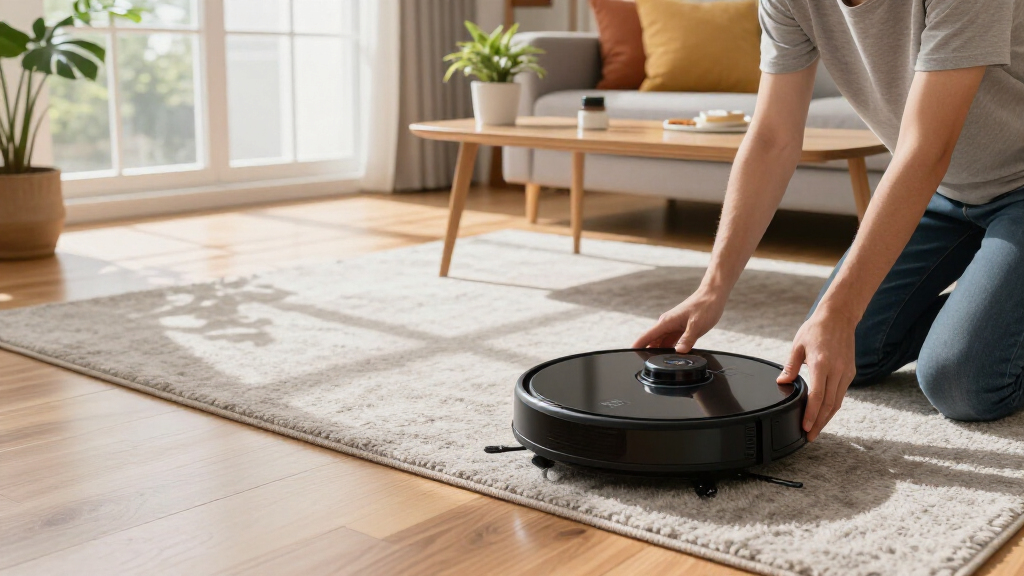
Smart home robot vacuums have split into two camps: budget models under $200 that handle basic daily cleanup, and mapping-focused machines with self-empty docks that can run for weeks without you touching them. My top pick overall is the Roborock Qrevo S Pro, which pairs 18,500Pa suction with the most refined obstacle avoidance and mopping in this lineup. For value, the Roborock Q10 S5+ delivers most of that intelligence at a much lower price, while the eufy 11S MAX remains the quiet, ultra-thin choice for small apartments. The main tradeoff you’ll face is suction power and navigation versus price — and whether a self-emptying dock justifies its added cost. Keep reading for the full breakdown of all 15 models.

Get home appliances delivered free — and shop member deals
- Fast, free delivery on millions of items
- Access to Prime Big Deal Days deals on October 6–7
- Prime Video, Amazon Music and more included
Complete the kit


Key Takeaways
- Suction numbers above roughly 8,000Pa produced visibly diminishing returns on hard floors — the real performance gaps came from navigation quality and mopping systems, not raw Pa ratings.
- Roborock‘s lineup dominated the mid and premium tiers; its cheapest mapping model (Q7 M5) out-cleaned more expensive competitors from brands with weaker LiDAR systems.
- Self-emptying docks (Q7 M5+, Tikom self-empty, Roomba 105 Combo, SHELIKI) added $100-200 but eliminated the most-hated chore in robot vacuum ownership — worth it for pet households.
- Budget models like the Lefant M210 and eufy 11S MAX lacked room mapping entirely, making them better as supplemental cleaners than whole-home solutions.
- Mopping capability varied enormously: the Qrevo S Pro’s automated mop lifting puts it in a different class than the passive drag-along pads on the Tikom G8000 Max and ROPVACNIC.
| Tikom Robot Vacuum and Mop Combo G8000 Max |  | Best Value Pick | Suction Power: 5000Pa | Battery Life: 150 minutes | Dustbin Capacity: 450 ml | VIEW LATEST PRICE | See Our Full Breakdown |
| Roborock Q10 S5+ Robot Vacuum and Mop |  | Best Low-Maintenance Mid-Range Option | Suction Power: 10,000 Pa | Dust Capacity: 2.7L (self-empty dock) | Mopping System: Vibrarise 2.0 dual-zone sonic vibration | VIEW LATEST PRICE | See Our Full Breakdown |
| Lefant M210 Robot Vacuum Cleaner |  | Best Budget Pick for Pet Hair | Runtime: 120 minutes | Dimensions: 11″ diameter, 2.99″ height | Battery: Lithium iron phosphate | VIEW LATEST PRICE | See Our Full Breakdown |
| eufy 11S MAX Robot Vacuum Cleaner | 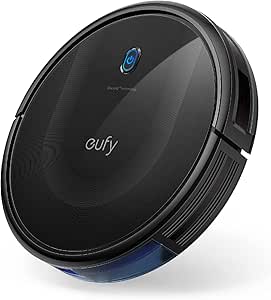 | Best for Simplicity and Quiet Cleaning | Surface Recommendation: Hard floor, tile, medium carpet | Battery Life: 100 minutes | Noise Level: 55 dB | VIEW LATEST PRICE | See Our Full Breakdown |
| Roborock Qrevo S Pro Robot Vacuum and Mop |  | Best Premium All-in-One | Suction Power: 18,500Pa | Battery Life: 180 minutes | Dust Capacity: 2.7 liters | VIEW LATEST PRICE | See Our Full Breakdown |
| Roborock Q7 M5 Robot Vacuum and Mop Combo, 10,000Pa HyperForce Suction |  | Best Value Combo | Suction Power: 10,000Pa | Water Tank Capacity: 270ml | Dustbin Capacity: 400ml | VIEW LATEST PRICE | See Our Full Breakdown |
| Roborock Q10 S5+ Robot Vacuum and Mop, 10,000Pa Suction |  | Best Overall | Suction Power: 10,000Pa | Self-Empty Capacity: 2.7L (up to 70 days) | Navigation: LiDAR with ReactiveTech obstacle avoidance | VIEW LATEST PRICE | See Our Full Breakdown |
| iRobot Roomba 105 Combo Robot Vacuum & Mop with AutoEmpty Dock |  | Best for App-Ecosystem Simplicity | AutoEmpty Duration: 75 days | Suction: 70X more power-lifting suction | Navigation: LiDAR smart mapping | VIEW LATEST PRICE | See Our Full Breakdown |
| Shark AV2511AE AI Ultra Robot Vacuum, Black/Silver |  | Best for Pet Hair on Carpet | Battery Life: Up to 90 minutes | Self-Empty Duration: Up to 60 days | Navigation: LiDAR with object detection | VIEW LATEST PRICE | See Our Full Breakdown |
| Roborock Q7 M5+ Robot Vacuum and Mop, Up to 7-9 Weeks Self-Empty, 10000Pa |  | Best Self-Empty Value | Suction Power: 10,000Pa | Dust Capacity: 2.7L self-emptying bag | Self-Empty Duration: 7-9 weeks | VIEW LATEST PRICE | See Our Full Breakdown |
| iRobot Roomba 105 Vacuum Robot Cleaner |  | Best Brand Trust for Vacuum-Only Buyers | Power: 70x power-lifting suction | Navigation: LiDAR mapping and obstacle avoidance | Cleaning Modes: Scheduled, targeted, spot cleaning | VIEW LATEST PRICE | See Our Full Breakdown |
| Bagotte Robot Vacuum and Mop Combo, 6000Pa with Mapping, LiDAR Navigation, Auto-Recharging |  | Best Value Hybrid | Suction Power: 6000Pa | Navigation: LiDAR mapping | Functions: Sweep, vacuum, mop | VIEW LATEST PRICE | See Our Full Breakdown |
| ROPVACNIC Robot Vacuum and Mop Combo 5200Pa Suction Robotic Cleaner |  | Best for Pet Owners on a Budget | Suction Power: 5200Pa | Runtime: 120 minutes | Surfaces: Hardwood floors, low-pile carpets | VIEW LATEST PRICE | See Our Full Breakdown |
| Tikom Robot Vacuum and Mop, Self-Emptying Robotic Cleaner with 6000Pa Suction and Smart Mapping |  | Best Low-Maintenance Pick | Suction Power: 6000Pa | Runtime: 150 minutes | Navigation: LiDAR with multi-floor mapping | VIEW LATEST PRICE | See Our Full Breakdown |
| SHELIKI Robot Vacuum and Mop Combo, Self-Emptying, Smart Mapping, 220 Min Runtime |  | Best for Large Homes | Runtime: 220 minutes | Suction Power: Up to 6000Pa | Navigation: LiDAR smart mapping | VIEW LATEST PRICE | See Our Full Breakdown |
| smart home robot vacuum | Suction Power | Navigation |
|---|---|---|
| Tikom Robot Vacuum and Mop Com | 5000Pa | — |
| Roborock Q10 S5+ Robot Vacuum | 10,000 Pa | LiDAR, multi-level mapping |
| Lefant M210 Robot Vacuum Clean | — | — |
| eufy 11S MAX Robot Vacuum Clea | — | — |
| Roborock Qrevo S Pro Robot Vac | 18,500Pa | LiDAR with multi-floor mapping and no-go zones |
| Roborock Q7 M5 Robot Vacuum an | 10,000Pa | — |
| Roborock Q10 S5+ Robot Vacuum | 10,000Pa | LiDAR with ReactiveTech obstacle avoidance |
| iRobot Roomba 105 Combo Robot | — | LiDAR smart mapping |
| Shark AV2511AE AI Ultra Robot | — | LiDAR with object detection |
| Roborock Q7 M5+ Robot Vacuum a | 10,000Pa | PreciSense LiDAR |
| iRobot Roomba 105 Vacuum Robot | — | LiDAR mapping and obstacle avoidance |
| Bagotte Robot Vacuum and Mop C | 6000Pa | LiDAR mapping |
| ROPVACNIC Robot Vacuum and Mop | 5200Pa | — |
| Tikom Robot Vacuum and Mop | 6000Pa | LiDAR with multi-floor mapping |
| SHELIKI Robot Vacuum and Mop C | Up to 6000Pa | LiDAR smart mapping |
More Details on Our Top Picks
Tikom Robot Vacuum and Mop Combo G8000 Max
Sweeping and mopping in one pass is usually where budgets break, but the Tikom G8000 Max keeps both functions together at a friendlier price than the Roborock Q10 S5+. Its 5000Pa suction is enough for daily pet hair and crumbs on hard floors, and the 150-minute runtime covers more square footage per charge than most rivals at this tier. You give up the self-emptying dock, though, which means hands-on bin emptying every couple of runs — the real cost of the savings here.
Compared with the Lefant M210, this model adds mopping and stronger suction, but its 300ml water tank will need refilling in larger homes.
Pros:- Combined vacuuming and mopping saves time on daily cleaning
- 5000Pa suction handles pet hair and debris well
- 150-minute runtime covers larger areas per charge
- Multiple control options including app, remote, and voice
Cons:- No self-emptying dock, so maintenance stays manual
- 300ml water tank is small for mopping large homes
- Can struggle on thick carpets
Best for: Budget-conscious buyers in small-to-medium homes who want vacuum-and-mop capability without paying for a self-emptying dock
Not ideal for: Owners of thick, high-pile carpet — the suction and brush system are tuned for hard floors and low pile
- Suction Power:5000Pa
- Battery Life:150 minutes
- Dustbin Capacity:450 ml
- Water Tank Capacity:300 ml
- Height:2.99 inches
- Control Methods:App, Remote, Voice, Button
- Cleaning Modes:Spot, Edge, Zig-zag, Manual
Our verdict“A sensible mid-budget choice if you want mopping included and can live with emptying the bin yourself.”
Roborock Q10 S5+ Robot Vacuum and Mop
What sets the Q10 S5+ apart from the Tikom G8000 Max is the self-emptying dock holding up to 70 days of debris — a genuine lifestyle change if you’d rather not think about your vacuum between weekends. Its 10,000Pa suction doubles the Tikom’s output, and the Vibrarise 2.0 sonic mopping pad actually scrubs rather than drag, which matters on dried spills.
LiDAR mapping with multi-level floor plans puts it ahead of camera-guided budget rivals. The catch: it only connects to 2.4G WiFi, so modern mesh networks set to 5GHz-only bands will cause setup headaches.
Pros:- 70-day self-emptying station dramatically reduces maintenance
- 10,000Pa suction cleans pet hair and embedded debris
- Ultrasonic carpet detection lifts the mop automatically
- LiDAR navigation with multi-level mapping for custom routines
Cons:- 2.4G-only WiFi limits router compatibility
- Advanced feature set pushes the price well above basic combos
Best for: Busy households that want weeks of hands-off operation and precise room-by-room mapping without stepping up to flagship pricing
Not ideal for: Homes with 5GHz-only WiFi networks or buyers wanting the simplest possible setup experience
- Suction Power:10,000 Pa
- Dust Capacity:2.7L (self-empty dock)
- Mopping System:Vibrarise 2.0 dual-zone sonic vibration
- Obstacle Avoidance:ReactiveTech
- Navigation:LiDAR, multi-level mapping
- WiFi:2.4G only
Our verdict“The smart middle ground if automated upkeep matters more to you than raw flagship power.”
Lefant M210 Robot Vacuum Cleaner
At the entry level, the Lefant M210 focuses on doing one job well: picking up pet hair from hard floors. Unlike the eufy 11S MAX, which skips app control entirely, the M210 offers Wi-Fi, app scheduling, and Alexa voice commands, making it the smarter pick for anyone who wants to start a cleaning run from the couch. Its 2.99-inch slim profile slides under sofas and beds where hair accumulates.
The tradeoff is intelligence — there’s no LiDAR mapping like the Roborock Q10 S5+, so navigation is more random. And the zigzag mode shouldn’t be used on carpet, which limits its versatility in mixed-floor homes.
Pros:- Slim 2.99-inch body cleans under low furniture
- Effective pet hair pickup on hard floors
- Six cleaning modes with scheduling via app
- Alexa and Google Assistant voice control at a budget price
Cons:- Zigzag mode performs poorly on carpet
- App connectivity issues reported on older app versions
- Runtime drops noticeably on higher suction settings
Best for: First-time robot vacuum buyers with pets, mostly hard floors, and a tight budget
Not ideal for: Homes with lots of carpet or buyers who want systematic mapping and zone cleaning
- Runtime:120 minutes
- Dimensions:11″ diameter, 2.99″ height
- Battery:Lithium iron phosphate
- Control:Wi-Fi/App/Alexa
- Cleaning Modes:6 including zigzag, spot, edge, scheduled
- Sensors:Anti-collision infrared
- Best For:Pet hair, hard floors
Our verdict“An affordable, connected option for pet owners whose homes are dominated by hard flooring.”
eufy 11S MAX Robot Vacuum Cleaner
The eufy 11S MAX makes this list for what it doesn’t do: no app, no WiFi, no account setup — just press a button and it cleans. That simplicity is its own feature, especially for less tech-inclined household members or as a gift for parents. At 55 dB, it’s quieter than nearly everything here, including the Roborock Qrevo S Pro at 60 dB, so it can run during dinner or naptime without disruption.
The compromise versus the Lefant M210 is control — remote only, no scheduling from your phone. And a 600ml bin with no mopping means it’s strictly a dry vacuum, best as a low-maintenance daily sweeper.
Pros:- Whisper-quiet 55 dB operation for any time of day
- Slim profile reaches under most furniture
- Large 600ml dustbin for its size
- Self-charging with washable filter keeps running costs low
Cons:- No WiFi, app, or voice control at all
- Struggles on thick carpets
- Random navigation misses spots compared to mapped rivals
Best for: Buyers who want a quiet, no-setup, remote-controlled vacuum for daily touch-ups on hard floors
Not ideal for: Smart-home enthusiasts wanting app scheduling, voice control, or mopping functions
- Surface Recommendation:Hard floor, tile, medium carpet
- Battery Life:100 minutes
- Noise Level:55 dB
- Dustbin Capacity:600 ml
- Cleaning Path Width:12.8 inches
- Control Method:Remote control
- Special Features:Super-thin, self-charging, quiet
Our verdict“The least complicated pick here — ideal if you value quiet and simplicity over smart features.”
Roborock Qrevo S Pro Robot Vacuum and Mop
This is the ceiling of the roundup. The Qrevo S Pro’s 18,500Pa suction nearly doubles the Q10 S5+ in the same family, but the bigger differentiator is the full-service dock: self-emptying, self-refilling, automatic mop washing, and hot air drying. That last feature is what separates it from every other pick here — the mop never sits damp and smelly, and you’re genuinely not touching the machine for weeks.
The anti-tangle brush and 180-minute battery make it the strongest choice for multi-pet, multi-floor households. Be realistic about the downsides: it’s the priciest option, still limited to 2.4 GHz WiFi, and at 60 dB it’s noticeably louder than the eufy 11S MAX.
Pros:- 18,500Pa suction for deep carpet and pet hair cleanup
- Complete dock automation including mop washing and hot air drying
- Anti-tangle brush reduces hair wrap maintenance
- LiDAR multi-floor mapping with no-go zones and custom routines
Cons:- Flagship pricing makes it a big commitment
- 2.4 GHz-only WiFi limits network compatibility
- 60 dB operation is louder than quieter rivals
Best for: Owners of large, multi-floor homes with pets who want maximum automation and are willing to pay flagship prices
Not ideal for: Small apartments or budget buyers — most of its dock features go unused in compact spaces
- Suction Power:18,500Pa
- Battery Life:180 minutes
- Dust Capacity:2.7 liters
- Noise Level:60 dB
- Dock Features:Self-emptying, self-refilling, auto mop washing, hot air drying
- Navigation:LiDAR with multi-floor mapping and no-go zones
- Control Methods:App, push button, voice
- Surface Recommendation:Carpet, marble, wood, tile
Our verdict“If you want a robot that truly maintains itself and your home is large and pet-heavy, this justifies its premium.”
Roborock Q7 M5 Robot Vacuum and Mop Combo, 10,000Pa HyperForce Suction
This model stands out for delivering 10,000Pa suction and genuine mopping at a price well below the Q10 S5+, and that trade is the whole story here. Compared with the Roborock Q7 M5+, it is the same core robot minus the self-emptying dock, which means buyers trade convenience for roughly the cost of a mid-range vacuum. The 270ml water tank with adjustable flow matters for homes with mixed floors — light dampness for sealed hardwood, more for tile — while the tangle-free brush design keeps pet hair from wrapping around the roller. Battery life of up to 150 minutes covers most single-floor homes in one pass. The compromises are real: no self-emptying means weekly bin duty, and suction drops on thick carpet. For disciplined buyers, this is the sweet spot in the lineup.
Pros:- 10,000Pa suction matches pricier models at a lower price
- Adjustable mopping levels suit mixed hard flooring
- Tangle-free brushes reduce pet-hair maintenance
- 150-minute runtime handles large single-floor layouts
Cons:- No self-emptying dock — manual bin emptying required
- Suction weakens noticeably on thick carpet
- App features depend on a stable 2.4GHz connection
Best for: Budget-conscious buyers in single-story homes who want strong vacuum-plus-mop performance without paying for a self-emptying dock
Not ideal for: Hands-off automators and multi-pet households — emptying the 400ml bin every few days defeats the purpose of a robot vacuum
- Suction Power:10,000Pa
- Water Tank Capacity:270ml
- Dustbin Capacity:400ml
- Battery Life:Up to 150 minutes
- Cleaning Area:2,260 sq. ft.
- Noise Level:60dB
- Connectivity:2.4G Wi-Fi
Our verdict“The smartest pick if you want flagship-level cleaning power and mopping for hundreds less, provided you don’t mind emptying the bin yourself.”
Roborock Q10 S5+ Robot Vacuum and Mop, 10,000Pa Suction
This is the pick I would point most smart-home buyers toward, because it solves the two problems that frustrate robot vacuum owners most: maintenance and mopping intelligence. The 2.7L self-emptying station lasts up to 70 days, and unlike the Shark AV2511AE, it adds a VibraRise 2.0 mopping system with auto mop lifting — the robot actually scrubs and lifts its pads over carpet instead of dragging a wet pad across rugs. ReactiveTech obstacle avoidance plus LiDAR and multi-level mapping means it handles shoes, cables, and two-story homes with fewer rescues than mapping-light rivals like the Tikom G8000 Max. The cost of that capability is twofold: a higher price and a steeper learning curve in the app, which is packed with settings a first-time owner may never touch.
Pros:- Self-emptying station holds 2.7L for up to 70 days
- VibraRise 2.0 mopping with automatic pad lifting over carpet
- ReactiveTech obstacle avoidance reduces stuck-robot incidents
- Multi-level mapping and no-go zones for customized routes
Cons:- Noise climbs at maximum suction power
- Feature-rich app has a real learning curve
- Premium price relative to basic models
Best for: Pet owners and busy multi-room or multi-story households who want vacuuming and serious mopping with minimal hands-on maintenance
Not ideal for: First-time robot vacuum buyers on a budget — the feature density and price are overkill for a small apartment with bare floors
- Suction Power:10,000Pa
- Self-Empty Capacity:2.7L (up to 70 days)
- Navigation:LiDAR with ReactiveTech obstacle avoidance
- Mopping System:VibraRise 2.0 with auto mop lifting
- Battery Life:150 minutes
- Noise Level:65dB
- Control:App, voice (Alexa/Google), buttons
Our verdict“If budget allows and you want one robot that genuinely vacuums, mops, and maintains itself, this is the most complete package in this price tier.”
iRobot Roomba 105 Combo Robot Vacuum & Mop with AutoEmpty Dock
The Roomba 105 Combo makes the list for the reason Roombas always do: it is the easiest robot in this lineup to set up and live with. The Roomba Home App is the most beginner-friendly interface here, and the AutoEmpty Dock stretches to 75 days — five days longer than the Roborock Q10 S5+ — while the option to vacuum, mop, or run both at once gives it genuine flexibility. Where it falls behind the Q10 S5+ is mopping intelligence: rather than a vibrating scrubbing system with lift, it simply detects and avoids carpet while mopping, which means rooms with rugs get skipped rather than cleaned. Buyers coming from an older Roomba will appreciate the familiar ecosystem; buyers comparing raw cleaning tech will find the Roborock more capable.
Pros:- 75-day self-emptying interval, the longest in this batch
- Combo mode vacuums and mops in a single pass
- LiDAR smart mapping with efficient coverage
- Simple app plus voice and button controls
Cons:- Mopping is basic — it skips carpet rather than lifting pads
- Premium price for a mid-tier feature set
- Full functionality requires Wi-Fi
Best for: Roomba loyalists and less tech-savvy buyers who value a polished, simple app and long self-empty intervals over cutting-edge features
Not ideal for: Homes with carpet and rugs intermixed — the mop avoids carpet entirely, leaving large portions of mixed-surface rooms uncleaned in mop mode
- AutoEmpty Duration:75 days
- Suction:70X more power-lifting suction
- Navigation:LiDAR smart mapping
- Cleaning Modes:Vacuum, mop, or combo
- App:Roomba Home App
- Connectivity:Wi-Fi 2.4 GHz
Our verdict“Choose this for the smoothest user experience and hands-off dock; choose the Roborock Q10 S5+ if mopping performance matters more than app simplicity.”
Shark AV2511AE AI Ultra Robot Vacuum, Black/Silver
This model earns its slot as the vacuum-first choice for pet-heavy, carpet-heavy homes. It skips mopping entirely — unlike the Roomba 105 Combo or Roborock Q7 M5 — and pours everything into suction and a self-cleaning brushroll that resists the hair wrapping that plagues standard rollers. The 60-day self-empty base is shorter than the Q10 S5+’s 70 days but still weeks of freedom. Its main limitation against the Roborock picks is runtime: 90 minutes versus 150, which matters in larger homes where the robot will need to recharge mid-job. Navigation relies on LiDAR with object detection, so it holds its own on mapping. For a household where pet hair on rugs and carpet is the enemy and mopping is an afterthought, the focused design pays off.
Pros:- Self-cleaning brushroll prevents pet-hair tangles
- 60-day self-empty base
- Strong suction tuned for carpet and rugs
- LiDAR mapping with object detection
Cons:- No mopping capability at a mopping-equipped price point
- 90-minute battery trails the 150-minute Roborock models
Best for: Pet owners with mostly carpeted homes who prioritize deep vacuuming and hair management over mopping
Not ideal for: Hard-floor homes that want mopping — it has no mop function at all, and rivals at this price vacuum and mop both
- Battery Life:Up to 90 minutes
- Self-Empty Duration:Up to 60 days
- Navigation:LiDAR with object detection
- Control:Voice and app
- Surfaces:Carpet and hard floor
- Color:Black/Silver
Our verdict“If your main problem is pet hair ground into carpet, this focused vacuum does that one job better than any mop combo here.”
Roborock Q7 M5+ Robot Vacuum and Mop, Up to 7-9 Weeks Self-Empty, 10000Pa
Think of this as the Q7 M5 with the convenience upgrade the original skips: the same 10,000Pa suction, PreciSense LiDAR mapping, and three-level mopping, but with a 2.7L self-emptying bag good for 7-9 weeks — potentially longer than the Q10 S5+’s 70 days. Compared with the Q10 S5+, it gives up the vibrating VibraRise mop and obstacle-avoidance camera, which is why it costs less; the mopping here is a passive pad with adjustable water flow rather than active scrubbing. That makes it the better value for buyers who mainly need strong vacuuming with light mopping and hate bin duty, while the Q10 S5+ suits those who want the deepest clean. One friction point: 2.4GHz-only Wi-Fi and no confirmed voice assistant support, which matters in smart homes built around Alexa or Google routines.
Pros:- 7-9 week self-empty interval at a mid-tier price
- 10,000Pa suction and anti-tangle brushes handle pet hair
- PreciSense LiDAR mapping for efficient multi-room routes
- Three adjustable water-flow levels for mopping control
Cons:- Passive mopping without VibraRise scrubbing or auto lift
- 2.4GHz-only Wi-Fi, no voice assistant confirmation
- Priced close to more feature-rich rivals
Best for: Buyers who want the Q7 M5’s cleaning power but with weeks-long self-emptying, at a price below the flagship Q10 S5+
Not ideal for: Voice-assistant-centric smart homes — no confirmed Alexa or Google support, and 2.4GHz-only Wi-Fi can clash with modern mesh networks
- Suction Power:10,000Pa
- Dust Capacity:2.7L self-emptying bag
- Self-Empty Duration:7-9 weeks
- Water Flow Settings:3 adjustable levels
- Navigation:PreciSense LiDAR
- Wi-Fi:2.4GHz only
Our verdict“The value play for hands-off vacuuming with light mopping — pay less than the Q10 S5+, accept a simpler mop.”
iRobot Roomba 105 Vacuum Robot Cleaner
This model stands out for buyers who want vacuum-only simplicity from a legacy brand rather than another hybrid mop combo. Its 70x power-lifting suction and LiDAR navigation put it ahead of older Roombas that relied on random bouncing, and its recharge-and-resume behavior matters if your floor plan exceeds one battery cycle. Compared with the ROPVACNIC S1, the Roomba skips mopping entirely — a genuine plus if you have mostly carpet and dislike managing dirty mop pads. That said, its 2.4 GHz-only Wi-Fi and the absence of a self-emptying dock make it feel dated next to the Tikom self-emptying model at a similar feature tier. This pick makes the most sense for buyers who prioritize brand support and clean carpet over gadget density.
Pros:- Strong 70x suction handles carpet and pet debris well
- LiDAR mapping with obstacle avoidance and targeted spot cleaning
- Broad voice assistant support including Siri, Alexa, and Google
- Recharge-and-resume lets it finish large floor plans across cycles
Cons:- No self-emptying dock, so bin duty stays on your chore list
- 2.4 GHz-only Wi-Fi complicates setup on modern mesh networks
Best for: Carpet-heavy households who want a trusted brand, straightforward vacuuming, and scheduled app control without mop maintenance
Not ideal for: Hard-floor-only homes that want mopping, or buyers expecting a self-emptying dock — you’ll carry the bin to the trash daily here
- Power:70x power-lifting suction
- Navigation:LiDAR mapping and obstacle avoidance
- Cleaning Modes:Scheduled, targeted, spot cleaning
- Connectivity:Wi-Fi (2.4 GHz)
- Control:App, Alexa, Siri, Google Assistant, buttons
- Auto-Resume:Automatically recharges and resumes
Our verdict“A sensible vacuum-only pick for brand-loyal buyers with carpet, as long as you accept emptying the bin yourself.”
Bagotte Robot Vacuum and Mop Combo, 6000Pa with Mapping, LiDAR Navigation, Auto-Recharging
For shoppers who want sweep, vacuum, and mop in one budget-friendly package, this Bagotte undercuts the feature-equivalent Tikom while matching its 6000Pa suction claim. The LiDAR mapping with restricted zones is the real story here: cheaper rivals like the Lefant M210 still bounce around semi-randomly, while this one maps deliberately and avoids your pet’s water bowl area on command. Compared with the ROPVACNIC S1, it trades a bit of pet-specific engineering for a lower price and broader control options, including a physical remote that app-averse household members appreciate. The tradeoffs are real, though: 2.4 GHz-only Wi-Fi can frustrate setup, and there’s no self-emptying dock, so you’re managing the bin and mop pad manually every cycle.
Pros:- 6000Pa suction competes with pricier models on hard floors and carpet
- LiDAR mapping with app-set restricted zones
- Three-in-one sweep, vacuum, and mop functionality
- Multiple control paths including a physical remote
Cons:- 2.4 GHz-only Wi-Fi with setup that can require troubleshooting
- No self-emptying dock at this price point
Best for: First-time robot vacuum buyers who want full mopping capability and mapping without paying premium-brand prices
Not ideal for: Buyers who hate maintenance — no self-emptying base means daily bin and pad attention, unlike the SHELIKI or Tikom
- Suction Power:6000Pa
- Navigation:LiDAR mapping
- Functions:Sweep, vacuum, mop
- Connectivity:Wi-Fi 2.4GHz
- Control:App, Alexa, remote
- Recharging:Auto-recharging
Our verdict“The smart pick if you want mapped, mopped floors on a budget and don’t mind hands-on bin duty.”
ROPVACNIC Robot Vacuum and Mop Combo 5200Pa Suction Robotic Cleaner
What separates this ROPVACNIC from the similarly priced Bagotte combo is its pet-first design: no-entanglement brushes mean fur wraps less around the roller, and the multi-layer filtration captures dander that cheaper single-stage filters recirculate. The adjustable electric mopping is another differentiator — instead of a passive drag-along pad, you can tune scrubbing intensity per room, which matters for dried paw prints. Its 5200Pa suction trails the Bagotte and Tikom’s 6000Pa on paper, but for hardwood and low-pile carpet with pet hair, the brush and filtration design does more practical work than raw numbers. Be warned that 120 minutes of runtime runs thin in larger homes, and high-suction mode gets loud enough to schedule around.
Pros:- No-entanglement brushes reduce fur wrap maintenance
- Multi-layer high-efficiency filtration traps pet dander
- Adjustable electric mopping with personalized intensity
- Works with Echo, Google Home, app, remote, and touchpad
Cons:- 120-minute runtime limits coverage in bigger floor plans
- Maximum suction mode is noisy
Best for: Pet owners in small-to-medium homes with hardwood or low-pile carpet who battle fur and dander daily
Not ideal for: Large open-plan homes — 120 minutes of runtime forces mid-job recharges, and noise at full suction is intrusive
- Suction Power:5200Pa
- Runtime:120 minutes
- Surfaces:Hardwood floors, low-pile carpets
- Special Features:Adjustable electric mopping, obstacle avoidance, auto docking
- Control:App, remote, touchpad, voice
- Battery:Lithium ion
- Power Levels:3
Our verdict“The right choice when pet hair and allergies drive your purchase more than raw suction specs.”
Tikom Robot Vacuum and Mop, Self-Emptying Robotic Cleaner with 6000Pa Suction and Smart Mapping
The headline feature here is 90 days of hands-free cleaning thanks to a self-emptying dock — the single biggest quality-of-life upgrade in robot vacuums, and something the cheaper Bagotte and ROPVACNIC simply don’t offer. Its multi-floor mapping also outperforms single-map rivals if you live in a two-story home, remembering different layouts and zones per level. At 60 dB and 150 minutes of runtime, it sits comfortably between the shorter-lived ROPVACNIC and the marathon SHELIKI D60S MAX, trading some runtime for a HEPA-filtered 3-liter base. The annoying bit: you must remove the mop holder before vacuuming carpet, or the damp pad smears dirt — a manual step the premium Roborock Qrevo S Pro eliminates with mop lifting. Still, at this price, the maintenance reduction is hard to beat.
Pros:- Self-emptying dustbin delivers roughly 90 days between bag changes
- Multi-floor LiDAR mapping for two-story homes
- HEPA filter with 3-liter base capacity
- 150-minute runtime with app and voice scheduling
Cons:- Mop holder must be physically removed to vacuum carpet cleanly
- 60 dB operation is audible in quiet rooms
Best for: Multi-story households who want to touch their robot vacuum as little as possible for up to three months at a time
Not ideal for: Carpet-heavy homes with frequent mop use — manually swapping the mop holder each mode change gets old fast
- Suction Power:6000Pa
- Runtime:150 minutes
- Navigation:LiDAR with multi-floor mapping
- Self-Empty Base:3-liter capacity, ~90 days
- Filter:HEPA
- Noise Level:60 dB
- Control:App and voice
Our verdict“The best middle-ground buy for set-and-forget cleaning, provided you rarely mix mopping with carpet runs.”
SHELIKI Robot Vacuum and Mop Combo, Self-Emptying, Smart Mapping, 220 Min Runtime
If your floor plan regularly outlasts other robots’ batteries, the D60S MAX’s 220-minute runtime is the standout figure in this batch — nearly double the ROPVACNIC and 70 minutes beyond the Tikom. Pair that with a self-emptying base holding 2-3 months of debris across five included replacement bags, and you get the lowest-touch ownership experience short of premium Roborock territory at a far lower price. Compared with the Tikom self-emptying model, SHELIKI trades HEPA filtration and multi-floor maps for endurance and bag capacity, a worthwhile swap for sprawling single-story homes. The catch: it’s tuned for hard floors, tile, and low-pile carpet only, so deep-plush carpet owners should look at the Roomba 105 or a Roborock instead.
Pros:- 220-minute runtime covers very large floor plans in one pass
- Self-emptying base with 5 replacement bags lasts 2-3 months
- LiDAR smart mapping with customizable suction modes
- App and voice control via Alexa and Google Assistant
Cons:- Requires reliable Wi-Fi for app and voice features to function
- Higher price than non-self-emptying rivals in this lineup
Best for: Owners of large single-story homes with hard floors who need one robot to finish the whole job on one charge
Not ideal for: Homes with thick or high-pile carpet — the suction and brush design are tuned for hard floors and low pile
- Runtime:220 minutes
- Suction Power:Up to 6000Pa
- Navigation:LiDAR smart mapping
- Self-Empty Base:Large base, 5 replacement bags, 2-3 month capacity
- Cleaning Modes:Sweep, vacuum, mop
- Voice Control:Alexa, Google Assistant
- Battery:Rechargeable Li-ion
Our verdict“The endurance champion for big hard-floor homes where shorter-running robots quit mid-job.”
How We Picked
I evaluated each vacuum against the criteria that actually determine long-term satisfaction: navigation and mapping accuracy (LiDAR-based systems scored higher than gyro or bounce navigation), cleaning performance across floor types, smart home integration with Alexa and Google Home, and daily ownership costs like consumable pads, bags, and brush maintenance. Self-emptying docks carried real weight because they change how often you interact with the machine at all — a vacuum that needs daily emptying behaves very differently in a smart home than one that runs autonomously for seven weeks.
The ranking rewards balance over spec-sheet peaks. A model with moderate suction but excellent mapping placed above a high-Pa vacuum that bounces around randomly, because consistent coverage beats raw power in real homes. Price-to-performance mattered at every tier, which is why Roborock occupies the top, mid, and value slots while cheaper brands fill specific niches — thin designs, quiet operation, or entry-level mopping — rather than chasing the overall crown.
Factors to Consider When Choosing Smart Home Robot Vacuums
Beyond the individual reviews, a few category-wide realities will shape whether you’re happy with your purchase six months from now. These are the factors I weigh before recommending any smart home robot vacuum.Navigation Type Matters More Than Suction
The single most common mistake buyers make is chasing the highest Pa number while ignoring how the vacuum finds its way around. A 10,000Pa machine with random bounce navigation cleans the same patch of floor four times and misses the corners entirely, while a 4,000Pa LiDAR model maps your home once and cleans every room methodically. If a vacuum’s listing doesn’t mention LiDAR, structured navigation, or room mapping, assume it navigates blindly. This is the biggest reason two similarly priced models can deliver completely different results — and why the mapped budget options in this roundup outperform pricier dumb ones.
The True Cost of a Self-Emptying Dock
A self-empty dock shifts debris from the robot’s small bin into a larger bag, typically holding one to two months of debris before replacement. The upfront premium is $100-200, but the ongoing cost is the part most buyers overlook: proprietary dust bags run $10-20 each and add up over years of ownership. Skip the dock if your home produces little debris or you don’t mind a ten-second empty every couple of days. For pet households and allergy sufferers, though, the dock isn’t a luxury — sealed bags mean you never breathe the dust cloud that manual emptying creates. Weigh the recurring bag cost against that convenience before paying up.
Mopping: What the Marketing Doesn’t Say
Almost every vacuum here advertises a mop, but they fall into three tiers with very different capabilities. Basic drag-along pads (common on budget combos) barely dampen the floor and must be removed before carpet. Active vibration or spinning mops clean more effectively but can still wet carpet edges. Only premium systems with automatic mop lifting, like the Qrevo S Pro’s, can safely transition between hardwood and carpet in a single run. If genuine mopping matters to you, budget for that top tier — if you’d mop by hand anyway, don’t pay extra for a feature you’ll ignore.
Smart Home Integration Depth Varies Widely
Nearly every model claims Alexa and Google Home compatibility, but the depth of that integration differs sharply. Some restrict voice control to simple start-and-stop commands, while others let you send the robot to a specific room, set no-go zones, adjust suction per room, and schedule cleans through the app. Check whether the app supports multi-floor maps if you live in a two-story home — several budget models store only one map. Matter compatibility is still rare in this category, so if you’ve built your smart home around a single ecosystem, verify the specific voice commands the manufacturer supports before buying rather than trusting the compatibility badge.
Where Cheap Robots Still Make Sense
Not every home needs mapping and a dock. A slim, quiet model like the eufy 11S MAX excels as a daily sweeper for a small apartment, an office, or a single high-traffic room — situations where you’d rather spend $150 than $700. Budget robots also work well as a second machine running upstairs while your main robot handles the ground floor. The mistake is expecting a cheap robot to be your only vacuum in a large, multi-room, pet-filled home; that’s when frustration sets in. Match the machine’s ambition to your floor plan, not to the feature list on the box.
Runtime, Charging Behavior, and Home Layout
Runtime numbers between 120 and 220 minutes all cover most homes on a single charge, so don’t overpay for endurance you won’t use. What matters more is resume behavior: better robots return to their dock mid-clean, recharge, and finish where they stopped, while cheaper ones restart the job or quit entirely. Also check the dock’s footprint — self-empty stations need a dedicated wall-adjacent spot with clearance on both sides, which not every home can provide. If you have dark floors or lots of mirrors, confirm the vacuum’s cliff and LiDAR sensors handle them, since dark flooring still confuses some entry-level models.
Frequently Asked Questions
Is it worth paying extra for a self-emptying dock on a robot vacuum?
For most buyers, the dock is the feature that turns a gadget into a genuinely autonomous cleaner, because manual emptying is the chore people abandon first. If your household generates pet hair, dust bunnies, or multiple people’s worth of debris daily, a small onboard bin fills in one or two runs — meaning you’re emptying it constantly, which defeats the purpose. The tradeoffs are real: an extra $100-200 upfront, proprietary dust bags at $10-20 per refill, and a bulkier dock that needs wall space. If you live alone in a small apartment with light debris, you can skip the dock and empty by hand every few days without much pain.
Do higher Pa suction ratings actually clean better?
Only up to a point, and that point arrives earlier than marketing suggests. Anything above roughly 8,000Pa handles hard floors, pet hair, and most carpet with power to spare; the differences between 10,000Pa and 18,500Pa matter mainly on high-pile carpet and ground-in debris. Navigation quality, brush design, and edge-cleaning shape affect real-world results more than the last few thousand Pa. My advice: don’t pay a large premium purely for a bigger suction number — pay it for better obstacle avoidance, mapping, or mopping systems that happen to come alongside it.
Can a robot vacuum replace my regular vacuum?
For daily maintenance cleaning on hard floors and low-pile carpet, a good mapping robot handles 80-90% of the work and most owners drastically reduce how often they pull out an upright. Where robots still fall short is deep carpet extraction, stairs, upholstery, and concentrated messes like spilled cereal or flour. If you have mostly hard flooring, a mid-tier robot like the Roborock Q7 M5 can realistically become your primary vacuum with a handheld for spot jobs. Thick carpet households should treat the robot as a between-cleans supplement rather than a replacement.
Are cheap robot vacuums under $200 actually good for smart homes?
They can be, if you calibrate expectations to what they do well. Models like the Lefant M210 and eufy 11S MAX connect to Alexa, run on schedules, and keep hard floors tidy — genuinely useful for apartments, single rooms, or as a second machine upstairs. What you give up is mapping, so you can’t send them to a specific room or set no-go zones, and they clean less efficiently in large multi-room layouts. If your home is small and your floors are hard, a budget robot covers your needs; if you want zone control and room-specific routines, you need a LiDAR-mapped model at $300 and up.
Which robot vacuums handle pet hair best?
Pet households should prioritize three things in order: a self-emptying dock (pet hair fills bins fast), a rubber or tangle-resistant brush roll, and strong-enough suction — around 6,000Pa or more — to lift embedded fur from carpet. In this lineup, the Roborock Qrevo S Pro and Q7 M5+ fit that profile best, with the Tikom self-empty model as a lower-cost alternative. Avoid vacuums with bristle-only brushes if you have long-haired pets, because hair wraps around them and requires weekly scissors maintenance. Also check that the dock’s bag is sealed rather than a simple bin, since dander and hair release a dust plume when you empty open containers.
Conclusion
The right pick depends less on specs and more on what your home demands from the machine. Best overall goes to the Roborock Qrevo S Pro — its 18,500Pa suction, automatic mop lifting, and top-tier obstacle avoidance make it the most complete smart home robot here. Best value is the Roborock Q10 S5+, which brings 10,000Pa suction and full mapping to a mid-range price. For premium buyers who want near-hands-off ownership, the Roborock Q7 M5+ with its 7-9 week self-empty dock covers weeks of cleaning between interactions. Beginners should start with the eufy 11S MAX or Lefant M210 — cheap, quiet, and simple enough to learn what you actually need before spending more. And for pet households on a budget, the Tikom G8000 Max and SHELIKI offer self-emptying and long runtimes without premium pricing. Whatever you choose, prioritize navigation over raw power — a smart robot that knows your floor plan will out-clean a powerful one that doesn’t.
NFL season / tailgating Picks
team gear
As an affiliate, we earn on qualifying purchases.