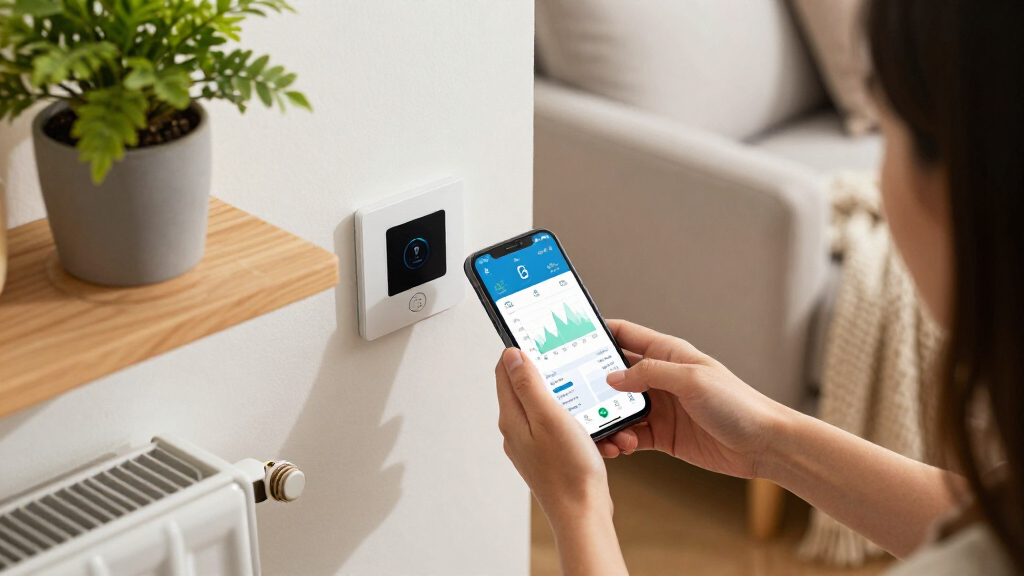
When it comes to the best smart home climate control systems, the ecobee Smart Thermostat Premium takes the top spot for its room-by-room remote sensors, built-in air quality monitoring, and the most flexible scheduling logic I found in this category. Two other standouts: the Sensi Touch 2, which delivers a color touchscreen and reliable app control at a midrange price, and the Amazon Smart Thermostat, the cheapest credible way to add Alexa-driven climate automation. The main tradeoff buyers face is between ecosystem depth and simplicity — premium models like ecobee and Nest Lean learning thermostats automate heating and cooling decisions for you, while budget models like the Heagstat and Sensi ST55 require more manual programming but cost far less. Compatibility is the other big fork: sensor-driven systems excel in multi-story homes, whereas single-zone condos can get identical comfort from a basic Wi-Fi model. Keep reading for the full breakdown of all 12 systems.

Get home appliances delivered free — and shop member deals
- Fast, free delivery on millions of items
- Access to Prime Big Deal Days deals on October 6–7
- Prime Video, Amazon Music and more included
Complete the kit



Key Takeaways
- Remote sensors are the single biggest differentiator in this lineup — only the amazon.com/dp/B09XXS48P8?tag=theintellihome-20&ascsubtag=dc-1102625″ target=”_blank” rel=”nofollow sponsored noopener”>ecobee Smart Thermostat Premium (SmartSensor included) and compatible ecobee models can balance temps room by room; every Honeywell and Sensi model here controls only the temperature where the thermostat hangs.
- The Amazon Smart Thermostat and Heagstat prove that under-$100 smart climate control works, but both demand a C-wire and skip air quality monitoring, smart speakers, and learning algorithms found on pricier picks.
- Google‘s two entries split along an automation line: the Nest Learning Thermostat (Charcoal) actually builds its own schedule, while the budget Fog-colored Nest Thermostat relies on manual scheduling plus basic Home/Away hints.
- Honeywell‘s lineup spans three tiers (T5, RTH9600WF, Lyric T6 Pro), and the pattern is clear: you pay more for geofencing and color displays, not for better temperature control — the core performance is similar across all three.
- Sensi models are the strongest pick for renters and cautious buyers because of their well-documented DIY install guides and flexible compatibility checker, which reduces the risk of buying a thermostat your HVAC can’t support.
| ecobee Smart Thermostat Premium with Wi-Fi, Siri and Alexa, and SmartSensor |  | Best Overall | Connectivity: Wi-Fi | Voice assistants: Siri and Alexa built in | Included sensor: SmartSensor for temperature and occupancy | VIEW LATEST PRICE | See Our Full Breakdown |
| Sensi Touch 2 Wi-Fi Smart Thermostat (ST76) |  | Best Value | Model: ST76 | Connectivity: Wi-Fi, Bluetooth | Voice assistant compatibility: Alexa | VIEW LATEST PRICE | See Our Full Breakdown |
| ecobee Smart Thermostat Enhanced |  | Best for Smart Home Integrators | Connectivity: Wi-Fi | HVAC compatibility: 90% of HVAC systems | Smart home compatibility: Amazon Alexa, Google Assistant, Apple HomeKit, SmartThings | VIEW LATEST PRICE | See Our Full Breakdown |
| ecobee Smart Thermostat Essential |  | Best for Beginners | Connectivity: Wi-Fi | Certification: Energy Star | System compatibility: 85% of systems; most 24 VAC HVAC equipment | VIEW LATEST PRICE | See Our Full Breakdown |
| Honeywell Home RTH9600WF Smart Color Wi-Fi Thermostat |  | Best Display Experience | Model: RTH9600WF | Connectivity: Wi-Fi | Display: Customizable color touchscreen | VIEW LATEST PRICE | See Our Full Breakdown |
| Sensi Smart Wi-Fi Thermostat (ST55) |  | Best for No-Fuss Installation | Model: ST55 | Connectivity: Wi-Fi | Voice assistant compatibility: Alexa | VIEW LATEST PRICE | See Our Full Breakdown |
| Google Nest Thermostat, Smart Wi-Fi Thermostat, Fog |  | Best for Google Home Households | Color: Fog | Connectivity: Wi-Fi | Voice assistant compatibility: Google Assistant, Alexa, and Matter-certified voice assistants | VIEW LATEST PRICE | See Our Full Breakdown |
| Honeywell Home T5 Smart Wi-Fi Thermostat |  | Best for Geofencing on a Budget | Connectivity: Wi-Fi | Scheduling: 7-day flexible scheduling | Temperature control: Geofencing and automatic home/away mode | VIEW LATEST PRICE | See Our Full Breakdown |
| Heagstat WiFi Thermostat for 1H/1C Conventional HVAC Systems |  | Best Budget Basic | System compatibility: 24VAC conventional single-stage 1H/1C forced-air systems | Wi-Fi: 2.4 GHz only; 5 GHz not supported | Power: Requires 24VAC C-wire; no battery-only operation | VIEW LATEST PRICE | See Our Full Breakdown |
| Google Nest Smart Thermostat, Charcoal |  | Best Design-Forward Pick | Color: Charcoal | Certification: ENERGY STAR | Wi-Fi: 802.11b/g/n 2.4 GHz; 802.11a/n 5 GHz | VIEW LATEST PRICE | See Our Full Breakdown |
| Amazon Smart Thermostat with Alexa and Ring Compatibility |  | Best Budget Alexa Pick | Compatibility: Alexa and select Alexa devices; Ring | Installation: DIY with Alexa app guidance | Wiring requirement: C-wire required | VIEW LATEST PRICE | See Our Full Breakdown |
| Honeywell Home Lyric T6 Pro Wi-Fi Programmable Thermostat |  | Best for Heat Pump Systems | Model: TH6220WF2006 | System compatibility: Heat pump: up to 2H/1C; conventional: up to 2H/2C | Connectivity: Wi-Fi | VIEW LATEST PRICE | See Our Full Breakdown |
| smart home climate control system | Connectivity | Certification |
|---|---|---|
| ecobee Smart Thermostat Premiu | Wi-Fi | ENERGY STAR certified |
| Sensi Touch 2 Wi-Fi Smart Ther | Wi-Fi, Bluetooth | ENERGY STAR certified |
| ecobee Smart Thermostat Enhanc | Wi-Fi | — |
| ecobee Smart Thermostat Essent | Wi-Fi | Energy Star |
| Honeywell Home RTH9600WF Smart | Wi-Fi | ENERGY STAR certified |
| Sensi Smart Wi-Fi Thermostat | Wi-Fi | ENERGY STAR |
| Google Nest Thermostat | Wi-Fi | ENERGY STAR |
| Honeywell Home T5 Smart Wi-Fi | Wi-Fi | — |
| Heagstat WiFi Thermostat for 1 | — | — |
| Google Nest Smart Thermostat | — | ENERGY STAR |
| Amazon Smart Thermostat with A | — | — |
| Honeywell Home Lyric T6 Pro Wi | Wi-Fi | — |
More Details on Our Top Picks
ecobee Smart Thermostat Premium with Wi-Fi, Siri and Alexa, and SmartSensor
If climate control is the centerpiece of your smart home, ecobee’s Smart Thermostat Premium justifies its flagship position through breadth rather than gimmicks. The bundled SmartSensor does the heavy lifting for comfort: instead of averaging the whole house, it reads temperature and occupancy in the room that actually matters, which is where cheaper units like the Amazon Smart Thermostat fall short. Add a built-in air quality monitor, a speaker running Siri or Alexa, and a Power Extender Kit for homes without a C-wire, and it covers scenarios the ecobee Smart Thermostat Enhanced handles only through add-ons.
The tradeoffs are real: Siri needs an Apple home hub, and some security features sit behind a subscription. Compared with the Sensi Touch 2, it also costs more up front, but fewer accessory purchases offset that over time.
Pros:- Included SmartSensor adjusts comfort by room occupancy, not just hallway temperature
- Built-in air quality monitoring with alerts and filter reminders
- Power Extender Kit means most homes skip an electrician visit
- Works with 95% of HVAC systems and supports Siri, Alexa, and doorbell camera integration
Cons:- Siri voice control requires a separate Apple home hub
- Some security features require a paid ecobee Smart Security subscription
Best for: Homeowners who want room-by-room comfort and air quality insight in one package without buying sensors separately
Not ideal for: Budget-focused buyers or renters who only need basic scheduling — the extra sensors and speaker add cost they won’t use
- Connectivity:Wi-Fi
- Voice assistants:Siri and Alexa built in
- Included sensor:SmartSensor for temperature and occupancy
- HVAC compatibility:95% of HVAC systems
- Installation:Power Extender Kit and trim kit included
- Air quality:Built-in monitor with alerts and filter reminders
- Warranty:3 years
- Certification:ENERGY STAR certified
Our verdict“The most complete climate control package here for owners ready to build around a whole smart home ecosystem.”
Sensi Touch 2 Wi-Fi Smart Thermostat (ST76)
The Sensi Touch 2 earns its value slot by delivering the core smart thermostat experience — remote access, flexible scheduling, and usage reports — without charging for hardware you might not need. Where the ecobee Smart Thermostat Premium bundles a sensor and air quality monitor into its price, this model keeps the entry cost low and lets you add Sensi Room Sensors only if your home actually needs temperature balancing.
Its maintenance reminders and HVAC performance alerts are practical perks that similarly priced rivals like the Sensi ST55 omit. The catch is power: unlike ecobee’s models with their included Power Extender Kits, the C-wire is mandatory here, so older homes may need an adapter or an electrician before installation even begins.
Pros:- Flexible scheduling, remote access, and usage reports without subscription fees
- HVAC performance alerts and maintenance reminders catch problems early
- Room sensor support lets you expand into multi-room balancing later
- App-guided installation keeps setup simple for DIYers
Cons:- C-wire is required, with no extender kit in the box
- Room sensors are sold separately, unlike the ecobee Premium bundle
Best for: Budget-conscious homeowners with a C-wire who want app scheduling and energy reports at a low entry price
Not ideal for: Owners of older homes without a C-wire — the added adapter or electrician cost erodes the value advantage
- Model:ST76
- Connectivity:Wi-Fi, Bluetooth
- Voice assistant compatibility:Alexa
- Room sensors:Compatible with Sensi Room Sensors (sold separately)
- Installation:DIY; C-wire required
- Features:Scheduling, usage reports, equipment alerts, maintenance reminders
- Certification:ENERGY STAR certified
Our verdict“The smartest spend for straightforward homes that already have the wiring smart thermostats need.”
ecobee Smart Thermostat Enhanced
This pick makes the most sense for buyers who care less about speakers and air quality readouts and more about ecosystem compatibility. The Smart Thermostat Enhanced supports Alexa, Google Assistant, Apple HomeKit, and SmartThings — a wider platform spread than the Sensi Touch 2’s Alexa-only support — while keeping ecobee’s occupancy-based comfort logic and a claimed up to 26% annual savings on heating and cooling.
Compared with the ecobee Smart Thermostat Premium, you give up the bundled SmartSensor, the air quality monitor, and voice control built into the unit itself. That’s a fair trade if you plan to run everything through your existing smart speakers anyway. The included Power Extender Kit still saves older homes from rewiring, which keeps it a step ahead of the Honeywell RTH9600WF on installation flexibility.
Pros:- Broadest platform support in this lineup: Alexa, Google Assistant, HomeKit, and SmartThings
- Occupancy and humidity-aware adjustments trim energy use automatically
- Power Extender Kit included for homes without a C-wire
- Works with 90% of HVAC systems
Cons:- SmartSensors are sold separately, weakening the signature room-balancing feature
- HVAC compatibility should be verified before purchase for unusual setups
Best for: Smart home enthusiasts who already own voice speakers and want a thermostat that plays nicely with every major platform
Not ideal for: Buyers wanting room-level comfort out of the box — sensors cost extra and are required for ecobee’s best occupancy features
- Connectivity:Wi-Fi
- HVAC compatibility:90% of HVAC systems
- Smart home compatibility:Amazon Alexa, Google Assistant, Apple HomeKit, SmartThings
- Included accessories:Power Extender Kit and trim kit
- Energy savings claim:Up to 26% per year on heating and cooling
- Additional sensors:ecobee SmartSensors sold separately
- Warranty:3 years
Our verdict“A clean, platform-agnostic thermostat for households that already have the voice hardware and just need capable climate logic.”
ecobee Smart Thermostat Essential
The ecobee Essential strips the experience down to what a first-time buyer will actually use: a color touchscreen, app control, schedules, and energy tracking. Unlike the step-up ecobee Enhanced, it doesn’t adjust automatically based on occupancy, but its schedule assistant and time-of-use preheating and precooling still nudge energy bills down without demanding any smart home expertise.
Platform support is generous for an entry model — HomeKit, Google, and Alexa all work — putting it ahead of the Honeywell RTH9600WF for Apple households. The friction point is the C-wire situation: the Power Extender Kit is sold separately rather than bundled, so older wiring could turn a simple DIY job into an extra purchase. Checking compatibility first is the one homework assignment here.
Pros:- Touchscreen and app control are intuitive for smart thermostat newcomers
- Works with Apple HomeKit, Google Assistant, and Alexa
- Energy tracking and time-of-use preheating/precooling reduce waste
- Supports gas, oil, electric, dual fuel, heat pump, and boiler systems
Cons:- Power Extender Kit sold separately for homes without a C-wire
- No bundled room sensor or occupancy automation
- Compatibility should be checked before purchase for some systems
Best for: First-time smart thermostat buyers who want simple scheduling and app control across Apple, Google, or Alexa setups
Not ideal for: Homes without a C-wire and buyers who want occupancy automation — the extender kit and sensors add cost fast
- Connectivity:Wi-Fi
- Certification:Energy Star
- System compatibility:85% of systems; most 24 VAC HVAC equipment
- Supported systems:Gas, oil, electric, dual fuel, forced air, heat pump, boiler
- Smart home compatibility:Apple HomeKit, Google Assistant, Alexa
- Energy features:Scheduling, energy tracking, humidity detection, time-of-use preheat/precool
- C-wire:Power Extender Kit sold separately
- Optional accessory:SmartSensor sold separately
Our verdict“A low-friction entry point into smart climate control for households that just want schedules and an app.”
Honeywell Home RTH9600WF Smart Color Wi-Fi Thermostat
Honeywell’s RTH9600WF stands out for its customizable color touchscreen, which lets you match the display to your wall color or decor — a design-first angle none of the ecobee models or the Sensi Touch 2 offer at this level. Functionally it covers remote control, flexible scheduling, energy tracking, and smart alerts, plus weather and humidity readouts on screen.
Where it trails the ecobee Smart Thermostat Enhanced is flexibility: there’s no Power Extender Kit in the box and no occupancy-sensing intelligence, so comfort adjustments depend entirely on the schedules you build. It’s also firmly off-limits for 120–240V electric baseboard heat, a limitation worth flagging before you buy. For forced-air, heat pump, and hot water homes with a C-wire, though, it’s a polished, straightforward performer.
Pros:- Customizable color touchscreen blends with any decor
- Remote control via app plus Alexa, Google Assistant, and Cortana support
- Energy tracking, scheduling, and smart alerts in one interface
- Works with forced-air, heat pump, and hot water systems
Cons:- Requires a C-wire or separately purchased adapter
- Not compatible with 120–240V electric baseboard heat
- Lacks the occupancy-based automation ecobee models provide
Best for: Homeowners who want a thermostat that looks as considered as the rest of their interior and have a C-wire ready
Not ideal for: Baseboard electric heating households and homes without a C-wire — this model simply won’t work without extra hardware
- Model:RTH9600WF
- Connectivity:Wi-Fi
- Display:Customizable color touchscreen
- Compatibility:Forced-air gas, oil, electric; hot water and steam; heat pumps with electric backup
- Power requirement:C-wire required; adapter may be needed
- Smart home compatibility:Amazon Alexa, Google Assistant, Microsoft Cortana
- Features:Scheduling, energy tracking, weather and humidity display, smart alerts
- Certification:ENERGY STAR certified
Our verdict“The pick for style-conscious owners of conventional HVAC systems who value a beautiful display over adaptive automation.”
Sensi Smart Wi-Fi Thermostat (ST55)
The Sensi ST55 earns its spot by removing the single biggest barrier to smart thermostat adoption: wiring anxiety. Its app-guided installation with a built-in level means most homeowners can swap out an old unit in under an hour without an electrician, and unlike the Honeywell Home T5, a common wire isn’t required in most setups. What you give up is polish — there’s no geofencing like the T5 offers, and no learning algorithms like the Nest Thermostat provides. Instead, Sensi leans on flexible manual scheduling, usage reports, and maintenance reminders, which is honestly all many buyers need. It also fits the footprint of a traditional thermostat, so no repainting around a smaller wall plate. Compared with the pricier ecobee lineup, it skips room sensors entirely — a real limitation for multi-story homes.
Pros:- App-guided DIY installation with built-in level
- No common wire required in most installations
- Usage reports plus filter and maintenance reminders
- Fits the wall footprint of a traditional thermostat
Cons:- No geofencing or learning features found on rivals
- C-wire may still be required in some HVAC setups
Best for: Renters and first-time smart thermostat buyers who want DIY installation without paying an electrician
Not ideal for: Homeowners wanting geofencing or room-by-room temperature sensing — this is strictly a schedule-and-app device
- Model:ST55
- Connectivity:Wi-Fi
- Voice assistant compatibility:Alexa
- Certification:ENERGY STAR
- Installation:DIY; common wire not required in most applications
- Features:Flexible scheduling, remote access, usage reports, equipment alerts, maintenance reminders
- Privacy:Will not sell personal information to third parties
Our verdict“A dependable pick for buyers who value painless installation and straightforward scheduling over advanced automation.”
Google Nest Thermostat, Smart Wi-Fi Thermostat, Fog
This Nest Thermostat in Fog is the natural choice for anyone already living inside the Google ecosystem, because Google Home app integration and Matter support make it feel less like an add-on and more like a native part of the home. Compared with the Sensi ST55, it adds genuinely useful automation: it can adjust settings when you leave and push energy-saving suggestions based on your habits. Unlike the ecobee models in this roundup, it lacks remote room sensors, so whole-home comfort depends on where the thermostat hangs. Google claims compatibility with roughly 85% of heating and cooling systems, and installation usually takes under 30 minutes — but that compatibility checker matters, because some systems still demand a C wire or power accessory. Skipping that step is how buyers end up returning it.
Pros:- Automatic away adjustments help cut wasted heating and cooling
- Works with Google Assistant, Alexa, and Matter-certified assistants
- Energy-saving suggestions and HVAC monitoring built in
- Typical installation in 30 minutes or less
Cons:- No remote room sensors, unlike ecobee’s SmartSensor approach
- Some systems require a C wire or compatible power accessory
Best for: Google Home users who want schedule suggestions and away-detection without buying a full smart home hub
Not ideal for: Homes with unusual HVAC systems — compatibility varies, and some setups require a C wire or power accessory
- Color:Fog
- Connectivity:Wi-Fi
- Voice assistant compatibility:Google Assistant, Alexa, and Matter-certified voice assistants
- App compatibility:Google Home app for Android and iPhone
- C-wire requirement:Not required in most homes; required for some systems
- Compatible systems:Approximately 85% of heating and cooling systems
- Installation time:Typically 30 minutes or less
- Certification:ENERGY STAR
Our verdict“The cleanest fit for Google-centric households that want light automation instead of heavy configuration.”
Honeywell Home T5 Smart Wi-Fi Thermostat
The Honeywell Home T5 stands out for one feature the Sensi ST55 and Nest Thermostat don’t match at this level: true geofencing that automatically flips between home and away modes as your phone crosses a boundary. For anyone with an unpredictable schedule, that beats fixed 7-day programming, because the thermostat responds to real life rather than a calendar. Honeywell cites potential savings of 8–16% with frequent schedule use, backed by monthly energy reports and personalized tips. The tradeoff is wiring: unlike the Sensi, this unit may require a C-wire or adapter, and heating-only oil furnace systems are flatly incompatible without one. It also skips Alexa-only households no favors — ecosystem support is solid but the interface is more utilitarian than Nest’s, with fewer proactive suggestions.
Pros:- Geofencing automates home/away switching without manual scheduling
- 7-day flexible scheduling with monthly energy reports
- ENERGY STAR certified with personalized efficiency tips
- Remote control from any smartphone or tablet
Cons:- May require a C-wire or a separate power adapter
- Incompatible with heating-only oil furnace systems lacking a C-wire
Best for: Commuters and households with irregular schedules who want automatic away-mode savings without a premium price
Not ideal for: Homes with heating-only oil furnaces and no C-wire — this model won’t work there
- Connectivity:Wi-Fi
- Scheduling:7-day flexible scheduling
- Temperature control:Geofencing and automatic home/away mode
- Energy certification:ENERGY STAR
- Power requirement:C-wire or C-wire power adapter may be required
- Compatibility:Most heat/cool oil furnace systems; heating-only oil furnaces require a C-wire
- Potential bill savings:8–16% with frequent scheduling use; results vary
Our verdict“A smart pick for buyers whose biggest energy leak is an empty house during the day.”
Heagstat WiFi Thermostat for 1H/1C Conventional HVAC Systems
The Heagstat WiFi Thermostat proves remote control doesn’t have to be expensive — as long as your HVAC system is simple. It covers single-stage 1H/1C forced-air systems and delivers the core promise: app-based temperature changes, a 7-day schedule, and a backlit LCD that’s readable in a dark hallway. Compared with the Sensi ST55, it’s more restrictive on nearly every axis — a mandatory C-wire, 2.4 GHz Wi-Fi only, no Alexa support, and no compatibility with heat pumps or multi-stage equipment. But if you have a basic gas furnace with standard AC, those limitations don’t cost you anything, and the money saved can go toward other smart home gear. Temperature accuracy within 2°F is adequate, though less precise than name-brand rivals.
Pros:- Remote temperature adjustment and monitoring through the phone app
- 7-day programmable scheduling
- Backlit LCD readable in dim rooms
- Works with gas, oil, and electric furnaces paired with a standard AC condenser
Cons:- Hard requirement for a 24VAC C-wire — no battery-only operation
- No heat pump, multi-stage, or alternate system support
- Connects only to 2.4 GHz Wi-Fi
Best for: Owners of simple single-stage furnaces and AC condensers who want app control at minimal cost
Not ideal for: Heat pump owners, multi-stage system owners, or homes without an existing C-wire
- System compatibility:24VAC conventional single-stage 1H/1C forced-air systems
- Wi-Fi:2.4 GHz only; 5 GHz not supported
- Power:Requires 24VAC C-wire; no battery-only operation
- Programming:7-day scheduling
- Temperature accuracy:Within 2°F
- Terminals:RH, RC, W, Y, G, C
- Wire gauge:18–22 AWG
- Dimensions:0.98 × 4.72 × 3.86 inches (D × W × H)
Our verdict“A no-frills option that makes sense only if your HVAC setup is exactly what it supports.”
Google Nest Smart Thermostat, Charcoal
Functionally, the Nest Thermostat in Charcoal mirrors its Fog sibling — same ENERGY STAR certification, away-detection, and Google Home integration — so the choice between them comes down to aesthetics, and the Charcoal finish is the one that disappears elegantly against darker walls. Where it pulls ahead of the Heagstat and Sensi ST55 is connectivity: dual-band 2.4 GHz and 5 GHz Wi-Fi plus Bluetooth Low Energy, which matters in homes where the thermostat sits far from the router. It still turns itself down when you leave and sends HVAC monitoring alerts and maintenance reminders. The familiar caveats apply: no remote room sensors like ecobee offers, some systems need a C wire or power accessory, and voice control depends on owning a compatible smart speaker.
Pros:- Turns heating and cooling down automatically when you leave
- Dual-band Wi-Fi plus Bluetooth Low Energy for reliable connection
- Energy-saving schedule suggestions with HVAC monitoring alerts
- Maintenance reminders help protect expensive equipment
Cons:- Some HVAC systems require a C wire or compatible power accessory
- Voice control requires a separate compatible smart device
Best for: Design-conscious Google Home users, especially in homes with weak 2.4 GHz signals near the thermostat
Not ideal for: Buyers who want voice control without a smart speaker, or homes needing room-by-room sensing
- Color:Charcoal
- Certification:ENERGY STAR
- Wi-Fi:802.11b/g/n 2.4 GHz; 802.11a/n 5 GHz
- Wireless interconnect:Bluetooth Low Energy
- C wire:Not required in most homes; required for some systems
- Smart home compatibility:Google Home and Matter-certified voice assistants
Our verdict“The same smart Nest experience in a darker finish, best for homes where connectivity and looks both count.”
Amazon Smart Thermostat with Alexa and Ring Compatibility
For buyers already living inside the Alexa ecosystem, this option stands out as the most affordable path into smart climate control. Built on Honeywell Home thermostat technology, it handles schedules and remote control through the Alexa app, and pairs with Ring devices for a broader security-plus-climate setup that most competitors can’t match at this level.
Compared with the Google Nest Thermostat, the tradeoff is intelligence: this model depends on separate Alexa devices for presence detection and temperature readings, whereas Nest builds its learning logic into the unit itself. Compared with the ecobee Smart Thermostat Enhanced, there’s no included remote sensor, so multi-room comfort is off the table unless you add hardware. The C-wire requirement is a real hurdle for older homes without one.
Pros:- App-guided DIY installation keeps setup simple for first-timers
- Integrates with Alexa and Ring for whole-home automation routines
- ENERGY STAR certified with estimated yearly energy savings
- Remote scheduling and control through the Alexa app
Cons:- C-wire required, which can complicate or block installation in older homes
- Presence-based and sensor-driven adjustments only work with compatible Alexa devices sold separately
Best for: Alexa-heavy households that want app and voice control of heating and cooling without paying premium prices
Not ideal for: Homeowners without a C-wire or without Alexa speakers, since the smartest features require both
- Compatibility:Alexa and select Alexa devices; Ring
- Installation:DIY with Alexa app guidance
- Wiring requirement:C-wire required
- Technology:Honeywell Home Thermostat Technology
- Energy certification:ENERGY STAR
- Control options:Schedules, Alexa app, compatible Alexa devices
Our verdict“A sensible low-cost choice for Alexa households that accept the need for extra hardware to unlock its smartest features.”
Honeywell Home Lyric T6 Pro Wi-Fi Programmable Thermostat
The Lyric T6 Pro earns its place by handling system types that trip up cheaper competitors. With support for up to 2 heat/1 cool stages on heat pumps and 2 heat/2 cool on conventional systems, it fits multi-stage HVAC setups that the Heagstat WiFi Thermostat — limited to 1H/1C — simply can’t serve. That stage flexibility means more precise comfort in homes with complex heating equipment.
Its Apple HomeKit support is the other differentiator: among the thermostats in this lineup, only the ecobee Smart Thermostat Premium matches it for iPhone-friendly control. The compromises are real, though. The manual display lacks the touchscreen polish of the Sensi Touch 2, and it runs on 2 AA batteries rather than drawing consistent power like hardwired rivals.
Pros:- Supports multi-stage heat pump and conventional HVAC systems
- Works with Amazon Alexa and Apple HomeKit alongside its own app
- Compact wall-mounted design at just 4 ounces
- Wi-Fi control with flexible programming from anywhere
Cons:- Requires 2 AA batteries instead of continuous hardwired power
- Manual display feels dated compared with touchscreen models like the Sensi Touch 2
Best for: Owners of multi-stage heat pump systems, especially Apple HomeKit users who want native Siri control
Not ideal for: Buyers who prioritize a modern touchscreen interface or a hardwired, battery-free design
- Model:TH6220WF2006
- System compatibility:Heat pump: up to 2H/1C; conventional: up to 2H/2C
- Connectivity:Wi-Fi
- Control:App, Amazon Alexa, Apple HomeKit
- Power source:AC/DC, 30 volts, 2 AA batteries required
- Dimensions:1.09 x 4.06 x 4.06 inches
- Display:Manual, 11.4 cm screen
Our verdict“The right pick if you run a multi-stage heat pump or want HomeKit support, as long as a basic display doesn’t bother you.”
How We Picked
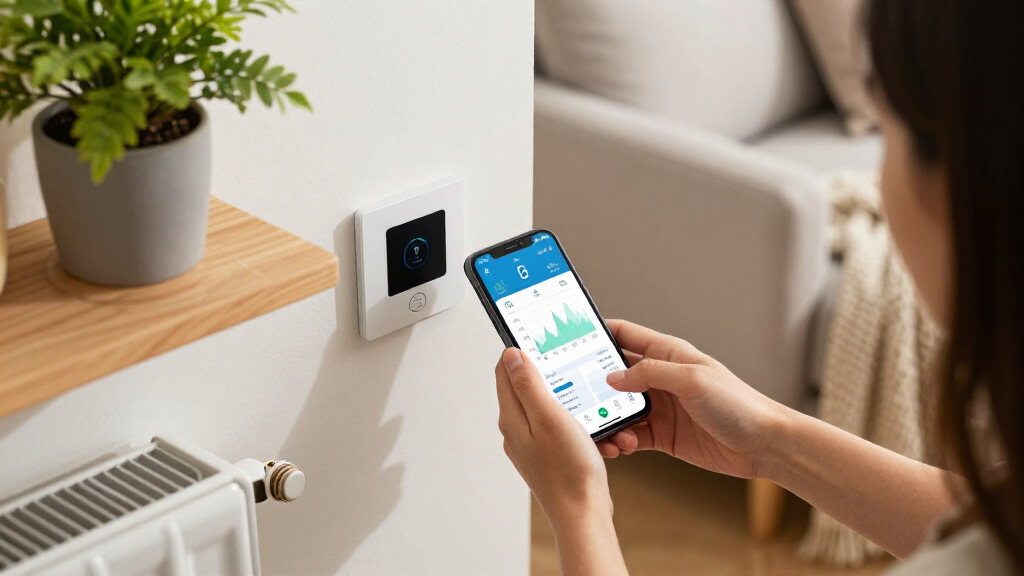
I ranked these 12 systems on four factors that actually change how a home feels day to day. Climate automation intelligence came first: whether a system uses remote sensors, geofencing, learning algorithms, or just a static schedule determines how much work the owner does after installation. Compatibility and installation risk came second, because a brilliant thermostat that won’t run on a 2-wire conventional system is worthless to half the households shopping in this category. Ecosystem integration — Alexa, Google Home, Siri, and Matter support — decided how well each unit plays with lights, locks, and speakers already in the home. Finally, I weighed long-term value: energy savings features, subscription-free operation, and build quality relative to the model’s position in the lineup.
The ranking logic follows buyer intent rather than raw specs. The ecobee Premium earns the top slot because it wins on the first three criteria at once. Mid-tier picks like the Sensi Touch 2 and Honeywell RTH9600WF rank high for balancing features against price. Budget models aren’t punished for lacking sensors or learning — they’re judged on whether they deliver dependable app control and scheduling for the money, which is why the Amazon Smart Thermostat and Sensi ST55 rank ahead of the more obscure Heagstat despite similar pricing.
| smart home climate control system | Connectivity | Certification |
|---|---|---|
| ecobee Smart Thermostat Premiu | Wi-Fi | ENERGY STAR certified |
| Sensi Touch 2 Wi-Fi Smart Ther | Wi-Fi, Bluetooth | ENERGY STAR certified |
| ecobee Smart Thermostat Enhanc | Wi-Fi | — |
| ecobee Smart Thermostat Essent | Wi-Fi | Energy Star |
| Honeywell Home RTH9600WF Smart | Wi-Fi | ENERGY STAR certified |
| Sensi Smart Wi-Fi Thermostat | Wi-Fi | ENERGY STAR |
| Google Nest Thermostat | Wi-Fi | ENERGY STAR |
| Honeywell Home T5 Smart Wi-Fi | Wi-Fi | — |
| Heagstat WiFi Thermostat for 1 | — | — |
| Google Nest Smart Thermostat | — | ENERGY STAR |
| Amazon Smart Thermostat with A | — | — |
| Honeywell Home Lyric T6 Pro Wi | Wi-Fi | — |
Factors to Consider When Choosing Best Smart Home Climate Control Systems
Choosing a smart climate control system is less about finding the most features and more about matching the system’s intelligence to your home’s layout and your willingness to configure it. These are the factors that separate a satisfying purchase from a returned box.HVAC Compatibility Comes Before Features
The most common mistake in this category is buying on features first and checking wiring second. Before anything else, pull your current thermostat off the wall and count the wires — conventional gas systems typically need 4 to 5 wires, heat pumps need 6 to 8, and most smart models prefer a C-wire (common wire) for steady power. Homes without a C-wire aren’t out of luck: ecobee ships a power-extender kit in the box, Sensi models often run without one, and Honeywell includes a C-wire adapter with some units. Single-stage systems (one heating and one cooling output) work with every model in this roundup, but multi-stage or heat pump owners should verify against the manufacturer’s compatibility tool before ordering. Returning an installed thermostat is far more painful than returning an unopened one, so this check should happen before you click buy. Renters should also confirm whether their lease permits replacing the thermostat at all.
Sensors Matter More in Big or Uneven Homes
A thermostat only knows the temperature at the spot on the wall where it sits — which is usually a hallway nobody sleeps in. In two-story homes, homes with finished basements, or houses with a sunny west-facing room, that single reading creates hot and cold zones the system never corrects. Remote room sensors solve this by averaging temperatures across multiple rooms or prioritizing the one you’re actually in, which is why sensor-equipped systems earn their higher price. If your home is a small condo or single-zone apartment, spending extra on sensors buys you nothing, and a basic model will deliver identical comfort. Be honest about your floor plan: the sensor question is the fastest way to narrow this entire category down to two or three candidates.
Learning vs. Scheduling: How Much Automation Do You Want?
Smart thermostats fall into two automation camps. Learning models (like Nest’s learning thermostat) observe your comings and goings for a week or two, then build their own schedule — great for households with irregular routines that resist programming. Scheduling models (Sensi, Honeywell, Amazon, budget Nest) require you to set a weekly program yourself, but give you predictable, transparent behavior you can override anytime. Learning systems occasionally misjudge — dropping the temperature when you’re home sick, for instance — while manual schedules fail silently when your routine changes seasonally. Households with set work hours often get better results from a manual schedule they understand than from an algorithm they can’t inspect. There’s also a middle path: geofencing models like the Honeywell Lyric T6 Pro use your phone’s location to switch between home and away modes without any learning curve.
Ecosystem Lock-In and Voice Assistant Choice
The thermostat is often the anchor device of a smart home, so its assistant support shapes everything you add afterward. Alexa households have the widest options here — nearly every model in this roundup responds to Alexa, and Amazon’s own thermostat integrates natively with Ring cameras for motion-triggered automation. Google Home users get the deepest experience from the Nest models, including presence detection that piggybacks on other Nest devices. Apple Home users have the narrowest field: the ecobee Premium is the strongest Siri-native option, and Matter support is slowly widening compatibility across brands. Mixing ecosystems works — an Alexa household can run a Nest thermostat — but you’ll lose the polish of native routines and presence features. Decide which assistant will control your whole home before you pick a thermostat, not after.
Energy Savings: What Actually Cuts the Bill
Manufacturers promise double-digit energy savings, but the features responsible are specific: smart away detection (cutting HVAC when nobody’s home), eco setpoints, and schedule adherence. ENERGY STAR certification, held by the ecobee, Sensi, and Amazon models here, means the device independently demonstrated those behaviors. The savings math favors heavy HVAC users — a home in a hot climate running AC eight months a year recovers a premium thermostat’s cost difference far faster than a mild-climate home. One overlooked factor: reports and insights. Models that show you runtime history and which sensor triggered heating help you spot problems (like a leaky duct) that dwarf any thermostat’s scheduling savings. Also watch for subscription creep — every system in this roundup works fully without a monthly fee, and that’s worth protecting.
Display, Build Quality, and Daily Usability
You’ll glance at this device multiple times a day, so the interface matters more than buyers expect. Touchscreen models like the Sensi Touch 2 and Honeywell RTH9600WF make on-device schedule changes painless, while button-and-dial designs like the Nest and basic ecobee models are faster for simple adjustments but clunkier for programming. Display brightness and readability in low light separate premium units from budget ones — cheap models like the Heagstat can require squinting or a wake tap. Build quality also signals longevity: the metal-trimmed ecobee Premium and Nest models feel like decade-long fixtures, while lightweight plastic on entry units is serviceable but less forgiving in high-traffic hallways. If the thermostat lives in a visible living area, the aesthetic premium is real; if it’s buried in a hallway, spend that money on sensors instead.
Frequently Asked Questions
Do I really need a C-wire for a smart thermostat?
Most modern smart thermostats perform best with a C-wire because it provides constant power for the Wi-Fi radio and display, and without one you may see intermittent shutdowns or battery-drain warnings. If your current wiring has no C-wire, you have three options: use a power-extender kit (ecobee includes one), a C-wire adapter (bundled with several Honeywell models), or choose a model engineered to run without it — Sensi thermostats are known for working on many 4-wire systems. Note that heat-only or cooling-only systems with just two wires are the hardest case and may require an electrician to run new wire. Check compatibility before buying rather than after unboxing, since wiring is the number-one reason smart thermostats get returned. The five-minute wire count behind your current thermostat answers most of this question.
Is a learning thermostat worth it over a programmable one?
It depends on how predictable your household is. Learning thermostats like the Nest Learning Thermostat pay off for people with irregular schedules who would never sit down and program a weekly routine — the device does it for them and adapts when routines shift. Households with steady 9-to-5 patterns often save the same amount with a manually programmed schedule, because the energy savings come from consistent setbacks, not from the intelligence creating them. Learning models also cost more upfront and occasionally misfire, like misreading a quiet Sunday at home as an away period. If you enjoy tweaking and understanding your system, a scheduling model with good app control gives you more transparency for less money. If you want to set it and forget it forever, the learning premium is justified.
Can one smart thermostat control multiple temperature zones in my house?
A single thermostat controls one HVAC zone — it can’t direct more heat upstairs and less downstairs on its own. What sensor-equipped systems like the ecobee can do is average or prioritize readings from multiple rooms, so the whole zone heats or cools until the room you care about (say, a nursery) reaches the setpoint. That fixes comfort complaints in most homes, but it’s not true zoning. Genuine multi-zone control requires zone dampers and control panels installed in your ductwork, which is an HVAC contractor project, not a thermostat swap. If you have hot and cold rooms, start with a sensor-capable thermostat before investing thousands in zoning hardware — for many homes, the cheaper fix gets comfort 90% of the way there.
Will a budget smart thermostat still save me money on energy?
Yes, as long as it has the two features that drive most savings: scheduling and away detection. Entry models like the Amazon Smart Thermostat and Sensi ST55 carry ENERGY STAR certification, which verifies they automate setbacks rather than just offering an app. The savings ceiling is lower than premium models, though — without remote sensors or learning algorithms, a budget unit can’t fine-tune runtime the way an ecobee or Nest can, and you’ll do more of the schedule maintenance yourself. The realistic difference between a $100 and $250 thermostat in annual energy savings is modest for average homes; the premium price mostly buys comfort features, sensors, and nicer hardware. For a first home or a rental property, the budget route usually makes financial sense.
Which voice assistant works best with smart thermostats?
Alexa has the broadest thermostat support — virtually every model in this roundup integrates with it, and Amazon’s own thermostat adds tight Ring camera tie-ins for presence-based automation. Google Assistant pairs most deeply with Nest thermostats, including whole-home presence routines that use other Nest devices to detect occupancy. Siri support is the most limited: the ecobee Smart Thermostat Premium is the standout Apple Home option, and Matter-compatible models are gradually expanding the field. If you already own smart speakers or displays from one ecosystem, staying within it avoids the friction of splitting your automations across two apps. Buying a thermostat outside your assistant’s ecosystem usually still works for basic voice commands, but you’ll lose advanced routines and integrated presence features.
Conclusion
Matching the right system to your situation is easier than the 12-way comparison suggests. For best overall, the ecobee Smart Thermostat Premium stands apart thanks to its included SmartSensor, air quality monitoring, and support for every major assistant — the most complete climate control package here. The best value pick is the Amazon Smart Thermostat, which covers app control, scheduling, and Alexa integration at the lowest entry point, with the Sensi ST55 as the value alternative if your wiring situation is tricky. Best premium goes to the Google Nest Learning Thermostat in Charcoal, the pick for buyers who want zero-configuration automation in a polished metal design. Beginners should start with the Sensi Touch 2 — its guided install and color touchscreen remove the two scariest parts of upgrading. For specific needs: multi-room comfort belongs to the ecobee Smart Thermostat Enhanced, renters and cautious DIYers get the safest path with the Sensi lineup, Apple Home users should choose the ecobee Premium, geofencing fans get the Honeywell Lyric T6 Pro, and tight budgets with simple 1H/1C systems can rely on the Heagstat. Whatever you choose, verify your wiring first — that single check makes the difference between a one-hour upgrade and a frustrating return.
NFL season / tailgating Picks
team gear
As an affiliate, we earn on qualifying purchases.