TL;DR

Get home appliances delivered free with Prime
- Fast, free delivery on millions of items
- Prime Video, Amazon Music and more included
- Member-only deals all year
Code strings in HomeView 27.2 reportedly describe a security-camera mode with motion detection, live streaming and recording through HomeKit Secure Video. Apple has not confirmed plans to add the feature, and the details come from a Reddit user’s inspection of the software.
Strings reportedly found in HomeView 27.2 describe a possible HomeKit Secure Video camera mode, including motion detection, live streaming and recording. The code hints were identified by Reddit user pdfu and reported by The Verge; Apple has not confirmed that the features are planned or when they might arrive.
According to The Verge, pdfu found the strings while examining HomeView 27.2 code. The material reportedly includes a setup page that says, “Your HomeView can be used as a security camera with HomeKit Secure Video.” It also describes options for detecting motion, streaming a live feed and recording video. Code text can point to features under development, but does not establish that Apple will release them.
The reported strings also describe privacy controls. Feeds would be visible only to members of the home, while an indicator light and sound would signal when someone is viewing the feed or when recording begins. Home members would receive a notification when Secure Video settings change, according to the report.
Other described controls would let users choose what the device detects, streams or records based on whether household members are home, away or asleep. The report does not say these options are active in a public release, nor does it provide a launch date or Apple’s explanation of the code.
Camera Functions Could Expand HomeView
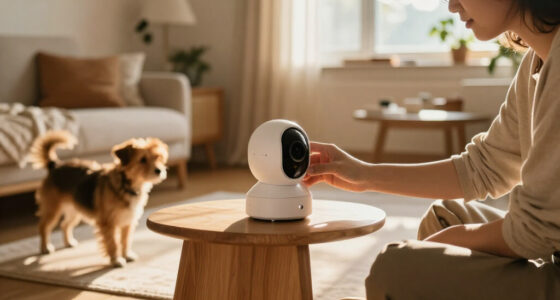
If released, the described mode could let HomeView serve as both a smart-home hub and a security camera, adding a use beyond its existing role. The reported controls would give households choices about when video is captured and who can view it, while alerts and visible or audible recording indicators would make camera activity easier to detect.
Those safeguards matter because a camera inside a home raises questions about privacy and consent, especially when household members or visitors may be recorded. The code suggests Apple is considering ways to signal viewing and recording, but the report cannot show how those safeguards would work in practice or whether they would be present in a final product.
The feature could also affect how HomeView fits into Apple’s smart-home offering, particularly for people who already use HomeKit Secure Video. For now, that is a potential consequence, not a confirmed product capability: there is no public announcement establishing that HomeView will become a camera.
Products Worth Considering

Apple MacBook Air 13-inch with M5 chip, 16GB memory, 1TB SSD, and 12MP Center Stage camera (Midnight)

Apple MacBook Air 15-inch (2026) with M5 chip, 16GB memory, 512GB SSD, Silver

Apple AirPods Pro 3 Wireless Earbuds with Active Noise Cancellation
As an affiliate, we earn on qualifying purchases.
Why HomeView Camera Support Is New
The report notes that some users had questioned why HomeView did not double as a security camera at launch. Apple’s reported software strings offer a possible sign that the company has explored the idea, but they do not show whether it was omitted deliberately, delayed or simply left as an internal possibility.
The proposed mode is described as working with HomeKit Secure Video, Apple’s smart-home video service. The Verge suggests Apple may want to refine privacy features before any release, but that is an interpretation in the report, not a reason given by Apple. The company has not publicly said the feature is coming or explained its development status.
““Your HomeView can be used as a security camera with HomeKit Secure Video.””
— Setup text reportedly found in HomeView 27.2
Apple Has Not Confirmed a Release
The central unknown is whether the code describes a feature Apple plans to ship, an option still being tested or material that will not reach users. Apple has made no announcement about HomeView camera support, and the source material provides no release window, pricing information or confirmation that the described functions are operational.
It is also unclear how the reported privacy controls would be implemented, including how home membership would be managed, what triggers the indicators and notifications, and whether recording rules would be configurable in the final software. The claims rely on strings reportedly found by a Reddit user; the source material does not include independent confirmation from Apple.
Watch for an Apple Announcement
The next firm update would need to come from Apple, through a product announcement, software release notes or another official explanation. Until then, the reported HomeView 27.2 strings should be treated as evidence of a possible feature, not confirmation that camera functionality is on the way.
If Apple does announce the mode, users will need details on availability, setup, recording behavior and the privacy protections attached to it. No announcement or timing is confirmed in the source material.
Key Questions
Has Apple confirmed that HomeView will work as a security camera?
No. The report describes strings found in HomeView 27.2 code, but Apple has not confirmed that it will release a camera mode.
What camera features do the reported strings describe?
They reportedly refer to motion detection, live streaming and recording through HomeKit Secure Video, along with options that vary by whether household members are home, away or asleep.
What privacy controls are mentioned?
The report says feeds would be limited to home members, with a light and sound when someone views the feed or recording starts. It also describes notifications when Secure Video settings change.
When could the camera feature arrive?
No release date or launch plan has been announced. The code strings alone do not establish whether or when Apple will make the feature available.
Source: theverge.com