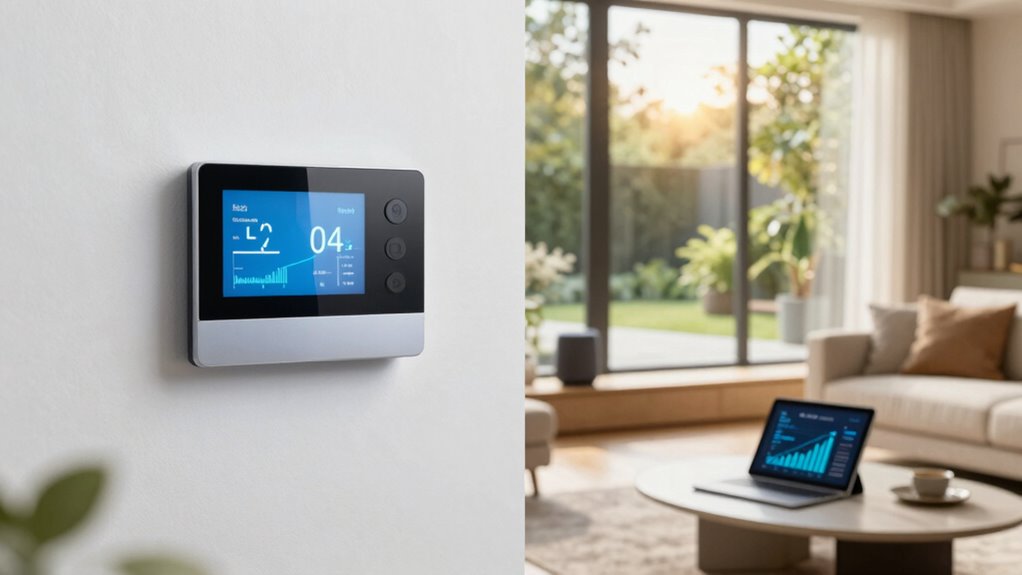

Smart homes can considerably lower your utility bills over time by optimizing energy use with smart devices that monitor consumption, automate adjustments, and respond to your habits and preferences. You can control appliances remotely, receive detailed usage reports, and rely on predictive analytics for proactive management. These features help prevent waste and improve efficiency, leading to noticeable savings without sacrificing comfort. Keep exploring to discover how smart home technology can maximize your savings even further.

Get home appliances delivered free — and shop member deals
- Fast, free delivery on millions of items
- Access to Prime Big Deal Days deals on October 6–7
- Prime Video, Amazon Music and more included
Key Takeaways
- Smart devices enable real-time energy monitoring, identifying and reducing waste for cost savings.
- Automated systems optimize energy use based on habits, weather, and occupancy, lowering utility bills.
- Remote control features prevent unnecessary energy use, ensuring appliances are turned off when not needed.
- Data analysis provides insights to target high-energy activities, promoting more efficient habits.
- Predictive analytics and system integration proactively adjust energy consumption for long-term savings.
Smart homes are revolutionizing the way you manage your utility bills by making energy consumption more efficient and controllable. With smart devices and systems, you can monitor and adjust your energy use in real-time, leading to noticeable energy savings over time. This technology allows you to identify areas where you might be wasting power, such as leaving lights on or heating an unused room, and correct those habits easily. As a result, you’ll see lower utility bills without sacrificing comfort or convenience.
Smart homes help lower utility bills by enabling real-time energy monitoring and automatic adjustments for greater efficiency.
One of the biggest advantages of smart homes is the automation benefits they offer. Automated systems can optimize your energy consumption by adjusting settings based on your habits, weather conditions, or even the time of day. For instance, a smart thermostat can learn your schedule and temperature preferences, reducing heating or cooling when you’re away or asleep. This not only cuts down on unnecessary energy use but also ensures your home remains comfortable when you need it. The automation benefits help you maintain a balance between energy efficiency and a pleasant living environment, making it easier to save money over the long term. Smart homes also often incorporate energy monitoring, which provides real-time feedback on your usage and helps you make informed decisions.
Another factor that contributes to lowering utility bills is the ability to control your energy use remotely. Whether you’re at work or on vacation, you can check your smart devices via smartphone apps and make adjustments if needed. This level of control prevents energy waste, especially in situations where you might forget to turn off appliances or adjust thermostats manually. By actively managing your systems, you’re less likely to let energy go to waste, and that adds up to significant savings over months and years. Additionally, smart home technology can help you set up automated routines that further enhance your energy-saving efforts. Incorporating predictive analytics can even anticipate your needs and optimize energy consumption proactively, further reducing costs. The integration of these systems often involves data analysis, which enhances the ability to fine-tune your energy usage.
Furthermore, smart homes often come with detailed usage reports that give you insights into your consumption patterns. These reports help you understand when and where you’re using the most energy, so you can implement targeted changes. For example, if you notice your water heater consumes a lot of power during certain hours, you can schedule it to turn off during those times. Over time, these small adjustments can lead to substantial reductions in your utility bills. By leveraging these insights, you can develop more sustainable habits and maximize your savings.
smart thermostat for energy savings
As an affiliate, we earn on qualifying purchases.
As an affiliate, we earn on qualifying purchases.
Frequently Asked Questions
Do Smart Homes Require Professional Installation or Can Homeowners Set Them up Themselves?
You can set up smart home devices yourself with DIY installation, which is often straightforward thanks to user-friendly apps and guides. However, some systems, especially complex security setups or extensive automation, might require professional setup to guarantee everything functions correctly and safely. Consider your comfort level and the complexity of the system when deciding whether to attempt DIY installation or hire a professional for setup.
How Long Does It Typically Take to See Savings After Installing Smart Home Devices?
You typically see savings in a few weeks to a few months after installing smart home devices. As your home becomes more energy-efficient, you’ll notice reduced utility bills, thanks to optimized heating, cooling, and lighting. Smart devices help you manage energy use more effectively, leading to ongoing cost savings. The sooner you implement these technologies, the quicker you’ll enjoy the benefits of lower energy costs and improved efficiency.
Are There Specific Smart Devices That Contribute Most to Utility Bill Reductions?
Yes, certain smart devices markedly reduce energy consumption and impact your utility bills. Smart thermostats, for example, optimize heating and cooling, saving you money. Energy-efficient smart lighting adapts to your habits, lowering electricity use. Confirm device compatibility with your systems to maximize savings. By focusing on these key devices, you can effectively lower utility costs over time, making your smart home more efficient and cost-effective.
Can Smart Home Systems Function Effectively During Power Outages?
Did you know that 60% of smart home owners worry about system reliability during power outages? Smart home systems can function effectively during outages if equipped with backup power sources like battery backups or generators. These backups guarantee critical devices stay operational, maintaining safety and convenience. So, with proper backup power, your smart home remains dependable, even when the grid goes down, providing peace of mind and continuous control.
What Are the Long-Term Maintenance Costs of Smart Home Technology?
Long-term maintenance costs of smart home technology are generally low, especially if you prioritize energy efficiency. You might spend on software updates or replacing aging devices, but these costs are often offset by savings and improved cost recovery over time. Regular upkeep guarantees your system runs smoothly, helping you maximize energy efficiency and keep utility bills low. Overall, smart home maintenance pays off with consistent savings and minimal ongoing expenses.
As an affiliate, we earn on qualifying purchases.
Conclusion
So, can smart homes truly save you money in the long run? The answer isn’t as straightforward as you might hope. As technology advances, new features promise bigger savings, but the initial investment and ongoing maintenance can add up. Will these devices finally deliver on their promise to slash your utility bills, or will hidden costs and unforeseen challenges stand in your way? The future of your savings is in your hands—are you ready to take the leap?
remote control smart home devices
As an affiliate, we earn on qualifying purchases.
As an affiliate, we earn on qualifying purchases.
automated home energy management system
As an affiliate, we earn on qualifying purchases.
As an affiliate, we earn on qualifying purchases.
Fall yard work Picks
leaf blowers
As an affiliate, we earn on qualifying purchases.