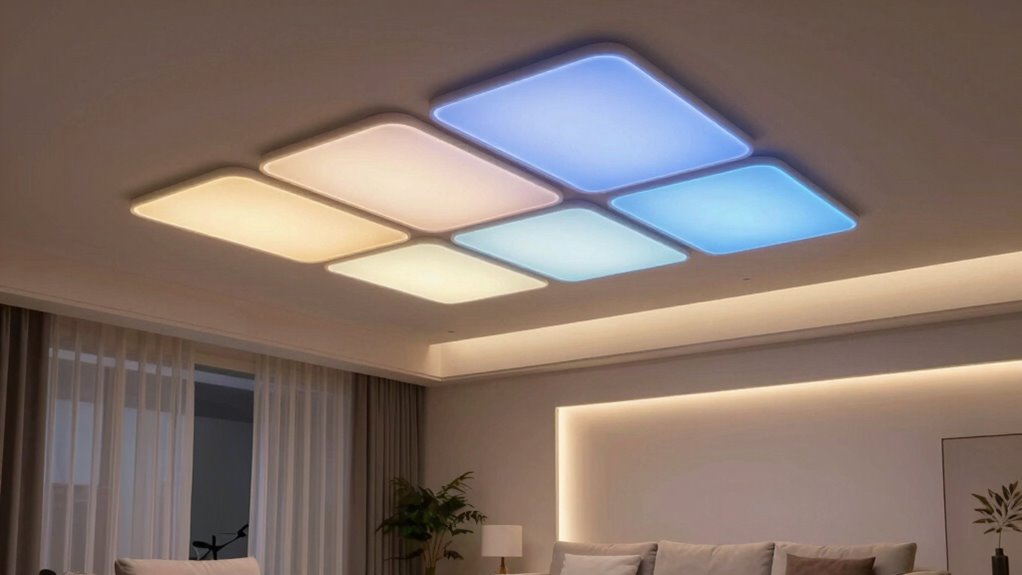

A cohesive smart lighting system feels seamless when all components, like bulbs, switches, sensors, and apps, work together smoothly. You notice natural shifts between activities, with lighting adapting automatically to your preferences. Energy efficiency and reliable control options, like voice or apps, enhance the experience. When everything responds predictably and combines harmoniously, the system creates a unified environment. Continue exploring to discover how thoughtful integration and user-focused design can transform your space into an intelligent, comfortable oasis.

Get home appliances delivered free with Prime
- Fast, free delivery on millions of items
- Prime Video, Amazon Music and more included
- Member-only deals all year
Key Takeaways
- Seamless integration of components ensures smooth operation and reliable communication among devices.
- Consistent mood synchronization allows lighting to adapt naturally to different activities and user preferences.
- Effective coordination of sensors and controls optimizes energy use without disrupting the user experience.
- Multiple control options work harmoniously, providing predictable and effortless user interactions.
- Overall system cohesion aligns hardware and software for a unified, responsive, and personalized lighting environment.
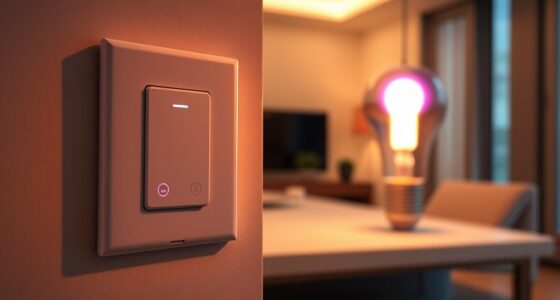
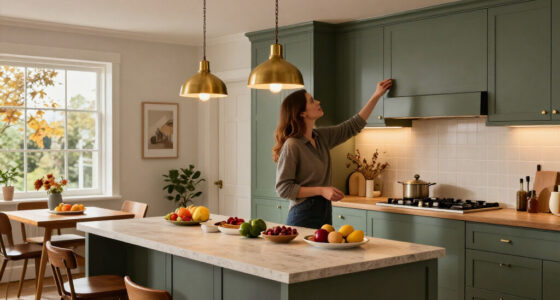
A smart lighting system becomes truly effective only when its components work seamlessly together, creating a cohesive environment that enhances functionality and user experience. When every element—from bulbs and switches to sensors and control apps—operates in harmony, the system feels natural and intuitive. This cohesion isn’t accidental; it’s designed through thoughtful integration that prioritizes both convenience and atmosphere. At the core, mood synchronization plays a pivotal role. Your lighting should adapt seamlessly to your activities, whether you’re winding down in the evening, working, or entertaining guests. When the system responds to your preferences automatically, it creates a unified ambiance that feels personalized and effortless. This synchronization guarantees that lights don’t flicker or change abruptly, but instead shift smoothly, reinforcing a sense of comfort and control. Additionally, system interoperability ensures that all devices can communicate effectively, further enhancing overall cohesion. Ensuring that devices are compatible and can share information is essential for maintaining a truly cohesive environment. Proper device integration helps prevent delays or mismatched responses, making the system feel more natural and responsive. Energy efficiency is another essential aspect of a cohesive smart lighting system. When components communicate effectively, they optimize usage without sacrificing performance. For instance, sensors detect motion or ambient light levels, adjusting the brightness or turning lights off when they’re not needed. This prevents wasteful energy consumption, saving you money and reducing your carbon footprint. The system’s ability to adapt intelligently makes energy efficiency feel seamless rather than a chore or an afterthought. When your lights dim during daylight or turn off when a room is unoccupied, it’s a sign that the components are working in concert, not in isolation. This level of coordination is what transforms a collection of smart devices into a truly cohesive setup. The use of automated controls further enhances this integration, making adjustments more effortless. User control also influences the feeling of cohesion. A well-designed smart lighting system offers intuitive control options—whether through voice commands, apps, or physical switches—that all connect and respond predictably. When these controls are integrated smoothly, you don’t have to think twice about how to adjust your environment. Changing the lighting to match your mood or activity becomes a simple, fluid experience. This harmony between hardware and software creates a sense of reliability and trust in the system, making it feel like a natural extension of your daily life. Additionally, user experience plays a crucial role in how well the system feels integrated and satisfying to use. Ultimately, the key to a cohesive smart lighting system is integration—making certain that mood synchronization, energy efficiency, and control options work together in harmony. When these components are aligned, your lighting environment feels unified, responsive, and effortlessly tailored to your needs. That’s what transforms a collection of smart devices into a truly cohesive, intelligent lighting environment.
smart lighting system with seamless integration
As an affiliate, we earn on qualifying purchases.
As an affiliate, we earn on qualifying purchases.
Frequently Asked Questions
How Do I Ensure Compatibility Between Different Smart Lighting Brands?
To guarantee compatibility between different smart lighting brands, focus on brand integration and compatibility standards like Zigbee, Z-Wave, or Wi-Fi. Check if the devices support common protocols and work with your chosen hub or control system. Always read product specifications for compatibility info. Opt for brands known for open standards, and consider using a universal app or platform that integrates multiple brands seamlessly for a cohesive lighting experience.
What Are the Best Practices for Syncing Lighting With Home Automation?
You should use a centralized hub or compatible app to sync your lighting with home automation seamlessly. Enable voice control for hands-free adjustments, ensuring easy operation. Set schedules and routines to improve energy efficiency, like dimming lights when not in use. Regularly update firmware for smooth integration, and double-check compatibility across devices. This approach makes your lighting system feel cohesive, smart, and responsive to your daily needs.
How Can I Customize Lighting Scenes for Different Moods?
Think of your lighting as a painter’s palette—custom scene creation lets you craft perfect mood lighting settings for every moment. You can adjust brightness, color, and temperature to match your vibe, whether it’s a cozy night in or lively gathering. Experiment with different combinations, save your favorites, and easily switch between them. This way, your smart lighting adapts seamlessly to your moods, making every space feel just right.
What Security Measures Protect Smart Lighting Systems From Hacking?
To protect your smart lighting system from hacking, you should use strong security measures like encryption protocols and user authentication. Always keep your firmware updated to patch vulnerabilities, and enable two-factor authentication if available. Change default passwords immediately, and avoid sharing access with unknown users. Regularly review your device’s security settings to guarantee your smart lighting remains safe from unauthorized access, keeping your home secure and your lighting system reliable.
How Often Should I Update the Firmware of My Smart Lights?
You should update your smart lights’ firmware regularly, ideally once a month—because, of course, ignoring those updates is the best way to stay ahead of glitches. These firmware updates often include important security patches and new features, so do compatibility checks first to guarantee they work smoothly with your setup. Staying current keeps your system reliable, secure, and feeling as cohesive as a well-orchestrated light show.
As an affiliate, we earn on qualifying purchases.
Conclusion
Just like a symphony’s harmony, a cohesive smart lighting system brings your space to life with seamless flow and purpose. When each element works in concert—colors, brightness, timing—you create an environment that feels effortlessly unified, echoing the elegance of a well-orchestrated piece. Think of it as your personal maestro, guiding every mood and moment with precision. Embrace this harmony, and let your home glow with the subtle artistry of true cohesion.
app compatible smart lighting kit
As an affiliate, we earn on qualifying purchases.
As an affiliate, we earn on qualifying purchases.
energy efficient smart lighting sensors
As an affiliate, we earn on qualifying purchases.
As an affiliate, we earn on qualifying purchases.
Fall Picks
fall essentials
As an affiliate, we earn on qualifying purchases.