
To guarantee your smart thermostat works smoothly, you need to know your HVAC system’s age and type, as compatibility varies. Modern units often have built-in smart features, but older systems may need extra components or upgrades. Pay attention to communication protocols like Wi-Fi, Z-Wave, or Zigbee to avoid connectivity issues. Understanding these factors helps you choose the right device and avoid problems down the line. Keep exploring to realize the full potential of your smart home setup.
Key Takeaways
- Verify your HVAC system’s age and type to ensure compatibility with smart thermostats and integration options.
- Understand communication protocols (Wi-Fi, Z-Wave, Zigbee) to ensure reliable device connectivity.
- Modern systems often have built-in smart features, while older units may need additional components or upgrades.
- Compatibility with platforms like Google Home, Alexa, or Apple HomeKit is essential for seamless control.
- Planning system upgrades can improve future compatibility and enhance overall smart home integration.
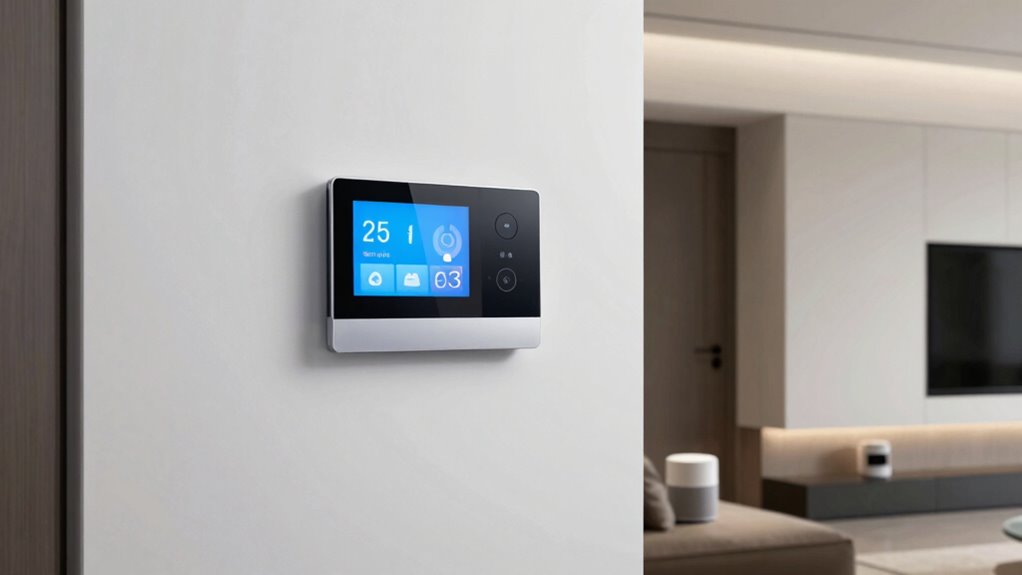
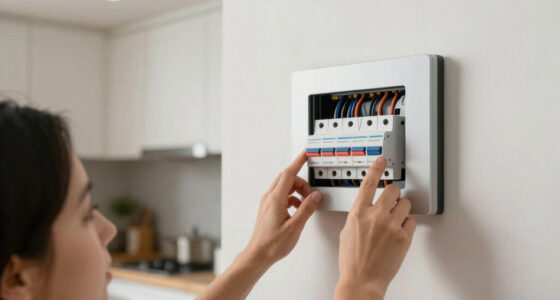
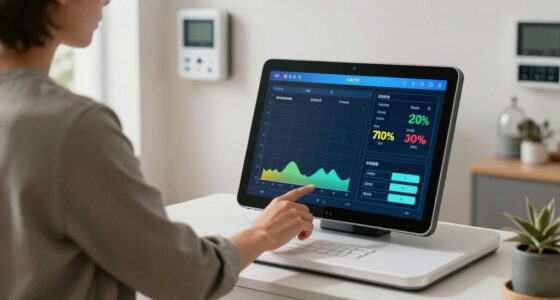
Integrating your HVAC system with smart home technology can substantially enhance comfort, efficiency, and convenience. When you connect your heating and cooling system to a smart platform, you create a seamless environment where adjustments happen automatically based on your preferences, occupancy, or even weather forecasts. One of the key benefits of system integration is improved energy efficiency. Smart thermostats learn your schedule and adjust temperatures accordingly, reducing wasted energy when you’re away or asleep. This not only lowers your utility bills but also minimizes your carbon footprint. To maximize these benefits, you need to verify that your HVAC system is compatible with the smart technology you’re assessing. Compatibility depends on several factors, including the age and type of your existing system, as well as the communication protocols it supports.
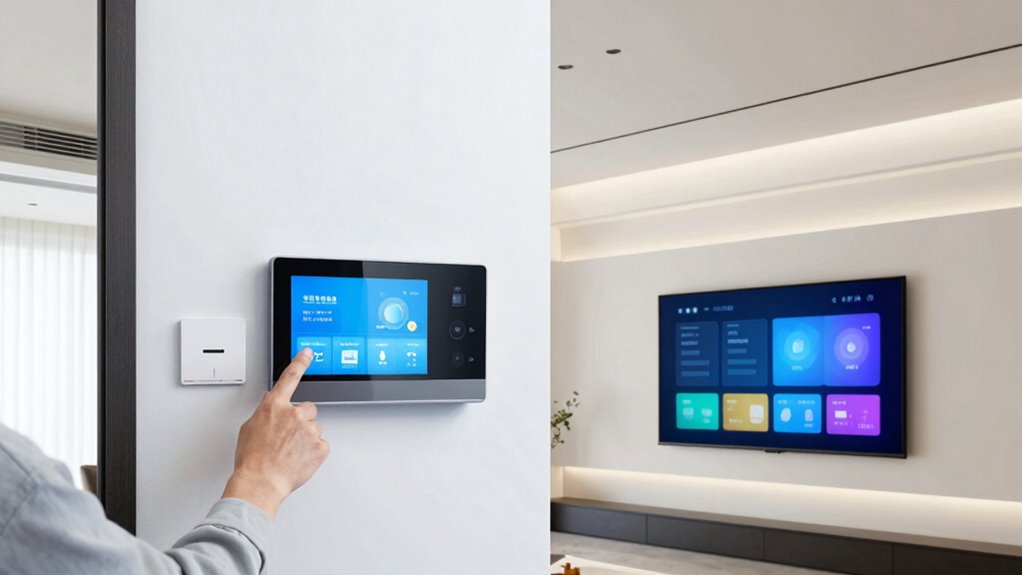
Older HVAC units may require additional components like a compatible thermostat or a smart relay to connect with your home network. Modern systems, on the other hand, often come with built-in smart capabilities or are designed to work seamlessly with popular smart home platforms such as Google Home, Amazon Alexa, or Apple HomeKit. Before making any purchases, check whether your current HVAC equipment supports system integration. If it doesn’t, you might consider upgrading to a smart-compatible system, which can be a worthwhile investment for long-term energy savings and enhanced control.
Another important aspect to evaluate is the compatibility of your chosen smart thermostat with your existing HVAC equipment. Some models work better with specific types of systems, such as ductless mini-splits, heat pumps, or traditional central air units. Compatibility also involves communication protocols—Wi-Fi, Z-Wave, Zigbee, or proprietary standards—that enable your devices to communicate effectively. Ensuring your smart thermostat and other devices support the same protocols prevents connectivity issues and allows for smooth system integration. Additionally, understanding the communication protocols your devices use can help you troubleshoot connectivity problems more efficiently. Being aware of HVAC system compatibility can save you time and prevent frustration during setup. Recognizing the system’s age and type is also crucial, as older systems may require more extensive modifications for integration. Moreover, understanding system upgrades can help you plan for future improvements and ensure your investment remains effective over time.
You should also think about the ecosystem you want to create. Many smart home devices work best when they’re part of a cohesive system. For example, integrating your HVAC with your security system or weather sensors can optimize comfort and efficiency further. Once everything is compatible and interconnected, you’ll gain more precise control, whether through voice commands, mobile apps, or automation routines. Ultimately, understanding your HVAC system’s compatibility with smart home technology helps you make smarter choices, ensuring your system operates efficiently, saves energy, and provides the comfort you desire.
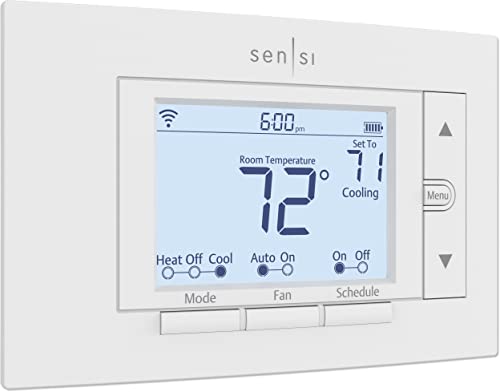
Emerson Sensi Wi-Fi Smart Thermostat for Smart Home, DIY, Works With Alexa, Energy Star Certified, ST55
PRIVACY PROTECTION*: Sensi won’t sell your personal information to third parties
As an affiliate, we earn on qualifying purchases.
As an affiliate, we earn on qualifying purchases.
Frequently Asked Questions
Can Existing HVAC Systems Be Upgraded for Smart Home Compatibility?
Yes, you can upgrade your existing HVAC system for smart home compatibility. You’ll likely need to replace manual controls with smart thermostats, which offer remote access and automation. Keep in mind, some systems might require additional wiring or professional installation. Also, consider maintenance requirements, as smart components can need software updates or sensor calibration over time. Overall, upgrading is feasible, but evaluating your system’s compatibility and ongoing upkeep is essential.
Are There Specific Brands Better Suited for Smart HVAC Integration?
Imagine your smart home humming smoothly, with your HVAC seamlessly integrated. Brands like Nest, Ecobee, and Honeywell stand out for their excellent compatibility and user-friendly integration. They minimize challenges, making setup straightforward and reliable. While some brands may pose integration challenges, sticking with trusted names guarantees your system works harmoniously. Choose brands known for their compatibility, and you’ll enjoy effortless control, energy savings, and a cozy home at your fingertips.
How Does Smart HVAC Compatibility Affect Energy Savings?
Smart HVAC compatibility boosts energy efficiency by allowing you to precisely control your system through apps or voice commands, adjusting the temperature when you’re away or asleep. This targeted control reduces unnecessary energy usage, leading to significant cost savings over time. When your smart system integrates seamlessly, you optimize your home’s comfort and efficiency, making your energy bills lower while maintaining a cozy environment, all thanks to smarter, more efficient HVAC operation.
What Is the Average Cost to Make an HVAC System Smart-Compatible?
You’ll spend between $100 and $300 to make your HVAC system smart-compatible. Think of it as upgrading your thermostat compatibility—whether you choose a simple app-controlled device or a more advanced system with wireless connectivity. With this investment, you gain precise control, energy efficiency, and peace of mind. Budget wisely, and you’ll transform your home comfort, making your HVAC system work smarter, not harder, every day.
Are There Security Concerns With Smart HVAC Systems?
Yes, there are security concerns with smart HVAC systems. You might face security vulnerabilities that hackers could exploit, risking unauthorized access or control over your system. Additionally, data privacy is a concern since these systems collect and transmit personal information about your habits and preferences. To protect yourself, guarantee you update firmware regularly, use strong passwords, and only connect devices to secure networks, minimizing potential security risks.
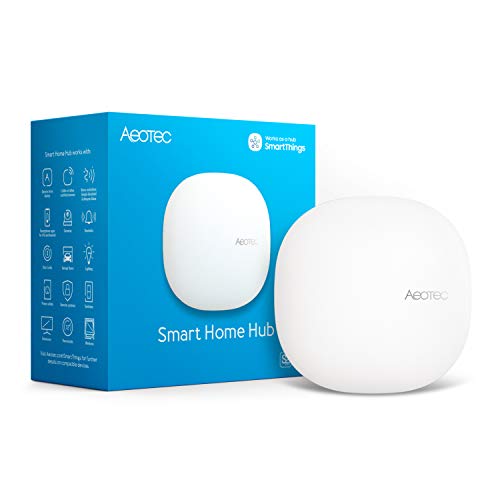
Aeotec Smart Home Hub, Works as a SmartThings Hub, Z-Wave, Zigbee, Matter Gateway, Compatible with Alexa, Google Assistant, WiFi
Connect & control your smart home — Easily link thousands of compatible devices from leading brands to create…
As an affiliate, we earn on qualifying purchases.
As an affiliate, we earn on qualifying purchases.
Conclusion
Understanding HVAC compatibility is essential for smart home owners like you to guarantee seamless integration and ideal comfort. Did you know that over 70% of smart home device owners report improved energy efficiency and reduced utility bills? By choosing compatible systems, you’re not just upgrading your home’s tech—you’re making a smart investment in your comfort and savings. So, take the time to research and select compatible HVAC solutions; it’s a decision that pays off in the long run.

MHCOZY 4 Channel Smart WiFi RF Bluetooth Wireless Dry Contact Relay Switch Module,Phone app Remote Control,Compatible with Alexa Google Home (Tuya 4CH 5V AC/DC7-32V)
Bluetooth WIFI Relay,Smart life tuya app wifi remote& 433Mhz RF&Bluetooth remote 4 Channel Smart Relay.Easy to configure to…
As an affiliate, we earn on qualifying purchases.
As an affiliate, we earn on qualifying purchases.

iFLO® Smart A/C Drain Line and Drain Pan Cleaner for HVAC System, Clog-Free, Easy Installation & App-Controlled Air Conditioner Maintenance, Includes 36oz Cleaner Cartridge Concentrate, 6 Month Supply
SMART CLEANING FOR CONSISTENT PERFORMANCE: The iFLO A/C Drain Line Cleaner features patented technology that dispenses a bio-enzymatic…
As an affiliate, we earn on qualifying purchases.
As an affiliate, we earn on qualifying purchases.