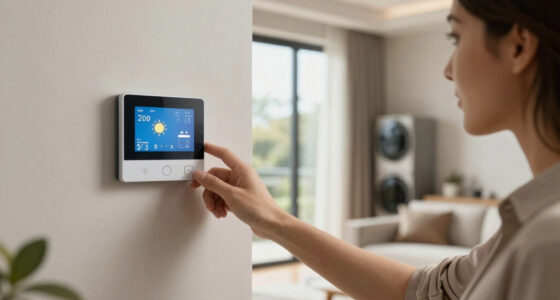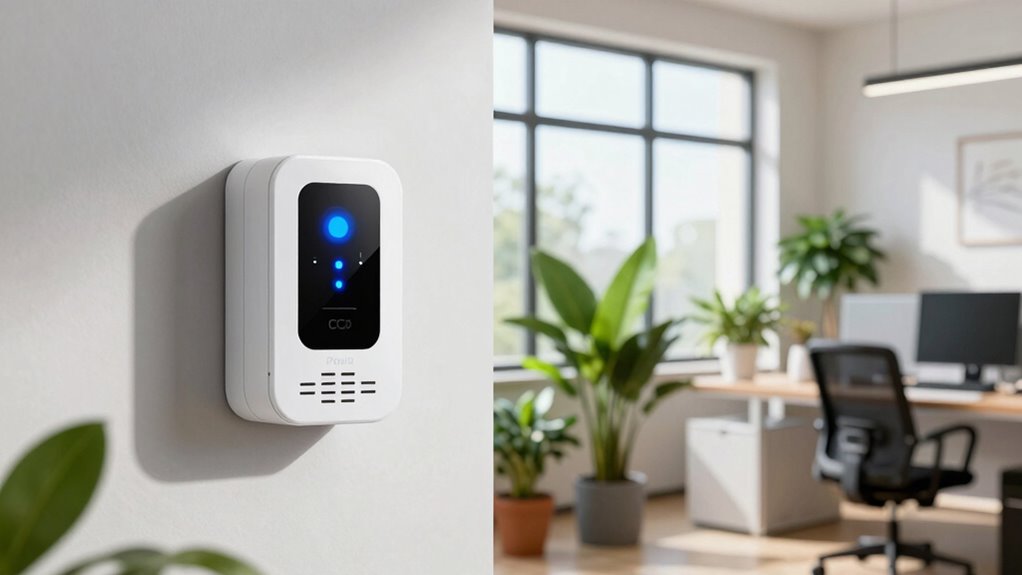

You should pay more attention to indoor CO2 levels because high concentrations can directly affect your health, causing drowsiness, headaches, and poor focus. As we spend more time indoors, monitoring air quality becomes essential for comfort and safety. Good ventilation helps reduce CO2 and improves indoor environments. advances in sensor technology make it easier and more affordable to track these levels. If you want to understand how to keep your space healthier, there’s plenty more to explore.

Get home appliances delivered free — and shop member deals
- Fast, free delivery on millions of items
- Access to Prime Big Deal Days deals on October 6–7
- Prime Video, Amazon Music and more included
Key Takeaways
- Rising awareness of indoor air quality’s impact on health and comfort increases focus on CO2 monitoring.
- CO2 levels serve as a simple, real-time indicator for assessing ventilation effectiveness indoors.
- Improved health measures during pandemics highlight the importance of monitoring airborne transmission risks.
- Technological advancements make portable, energy-efficient CO2 sensors more accessible and affordable.
- Monitoring enables smarter ventilation, saving energy while maintaining safe, healthy indoor environments.

Have you ever wondered how indoor air quality affects your health and comfort? It’s easy to overlook, but the truth is, the air you breathe inside your home or office plays a vital role in your overall well-being. With more people spending significant time indoors, understanding and monitoring air quality has become essential. One of the key factors influencing indoor air quality is carbon dioxide (CO2) levels. Elevated CO2 concentrations can lead to drowsiness, decreased concentration, and even headaches. That’s why CO2 monitoring is gaining more attention; it provides a straightforward way to gauge how well your space is ventilated and whether your ventilation strategies are effective.
Monitoring indoor CO2 levels helps improve air quality and supports better health and comfort.
Ventilation strategies are central to maintaining good indoor air quality. Proper ventilation ensures that stale air, which often contains higher CO2 levels, gets replaced with fresh outdoor air. When ventilation isn’t sufficient, CO2 can accumulate quickly, making the environment uncomfortable and potentially harmful. This is especially true in densely occupied spaces like meeting rooms, classrooms, or open-plan offices. CO2 monitors serve as real-time indicators, alerting you when ventilation needs to be improved. Instead of relying on guesswork, you can take immediate action—such as opening windows, adjusting HVAC settings, or increasing air exchange—to bring CO2 levels down.
What makes CO2 monitoring particularly important today is the heightened awareness around airborne transmission of illnesses. Poor ventilation not only leads to uncomfortable conditions but also increases the risk of spreading infectious agents. By keeping a close eye on CO2 levels, you’re actively managing the indoor environment to reduce these risks. This makes it easier to implement targeted ventilation strategies, whether that means upgrading your HVAC system, using air purifiers, or simply increasing natural airflow. The ability to measure CO2 precisely allows you to optimize these strategies, ensuring that your indoor spaces remain safe and comfortable. Additionally, air quality awareness has become a crucial aspect of maintaining healthy indoor environments, especially during health crises.
In addition, CO2 monitoring can help you make smarter decisions about energy use. For example, you might choose to ventilate only when necessary, rather than continuously running fans or air conditioning at full blast. This balance improves air quality without wasting energy or increasing costs. Modern CO2 sensors are often designed to be energy-efficient and easy to install, making them accessible for various types of spaces. As technology advances, portable and affordable CO2 sensors are more accessible, making it easier for you to keep tabs on indoor air quality regardless of your space’s size or purpose. Recognizing the importance of indoor air quality and implementing CO2 monitoring can significantly enhance the health and safety of everyone inside. Staying informed about air quality can also help you identify patterns and address issues proactively, leading to healthier indoor environments. Ultimately, paying attention to CO2 levels empowers you to create healthier, more comfortable environments and adopt effective ventilation strategies that protect your well-being.
As an affiliate, we earn on qualifying purchases.
Frequently Asked Questions
How Accurate Are Residential CO2 Monitors Compared to Professional Equipment?
Residential CO2 monitors can be quite accurate, but their data reliability depends on regular sensor calibration. Cheaper models may drift over time, leading to less precise readings, while higher-quality devices maintain accuracy longer. If you want dependable data, choose a monitor with good reviews and guarantee you calibrate it as recommended. Proper calibration helps you trust the sensor’s readings, making it easier to manage indoor air quality effectively.
What Are the Costs Associated With Installing Indoor CO2 Monitoring Systems?
Think of installing indoor CO2 monitoring like planting a small garden; the cost comparison varies depending on the size and complexity. You’ll need to take into account the device prices and installation requirements, which range from simple plug-and-play units to more integrated systems. Basic monitors might cost a few hundred dollars, while advanced setups could run into thousands. Planning ahead helps you balance budget and needs for a safe, healthy indoor environment.
Can CO2 Levels Indicate Other Indoor Air Quality Issues?
Yes, CO2 levels can indicate other indoor air quality issues. High CO2 often signals poor ventilation efficiency and inadequate air circulation, which can lead to the buildup of pollutants, humidity, or odors. When you notice elevated CO2, it’s a sign you should improve ventilation to enhance overall air quality. Monitoring CO2 helps you identify areas where air circulation needs enhancement, reducing health risks and creating a healthier indoor environment.
How Often Should Indoor CO2 Levels Be Checked?
You should check indoor CO2 levels at least once a week to guarantee good air quality. Regular monitoring helps you identify when ventilation improvements are needed, especially during busy or crowded times. Make sure your sensors are properly calibrated for accurate readings. Consistent checks allow you to respond quickly, open windows, or upgrade ventilation systems when CO2 levels rise, maintaining a healthier indoor environment.
Are There Health Risks From Long-Term Low-Level CO2 Exposure Indoors?
Long-term low-level CO2 exposure can quietly chip away at your health, like a slow leak weakening a ship’s hull. While indoor air quality generally remains safe if ventilation standards are met, prolonged exposure to elevated CO2 levels might cause headaches, fatigue, or dizziness. Maintaining good ventilation helps guarantee your indoor environment stays healthy, preventing potential risks associated with chronic low-level CO2, and keeps your space safe and comfortable.
As an affiliate, we earn on qualifying purchases.
Conclusion
As indoor CO2 levels rise, your health and comfort are at stake. Did you know that indoor CO2 can be two to five times higher than outdoor levels? Monitoring helps you stay aware and guarantee good air quality, reducing headaches, fatigue, and even the spread of illnesses. By keeping an eye on these levels, you create a safer, healthier environment for yourself and those around you. Don’t overlook the importance of indoor CO2 monitoring—it’s a simple step toward better well-being.
As an affiliate, we earn on qualifying purchases.
As an affiliate, we earn on qualifying purchases.
Fall Picks
fall essentials
As an affiliate, we earn on qualifying purchases.